
lovethailand home >North Travel Attractions >Chiang Mai Travel Attractions >Fang >Pong Nam Ron > Wat Mathurawat
TL;DR: Wat Mathurawat is located at Moo 5, Pong Nam Ron Subdistrict, Fang District, Chiang Mai Province. Highlights include An old community temple of Ban Ton Phueng, serving as a spiritual and cultural center of Pong Nam Ron Subdistrict.
Wat Mathurawat
Operating day: Daily
Operating time: 08.00 - 17.00
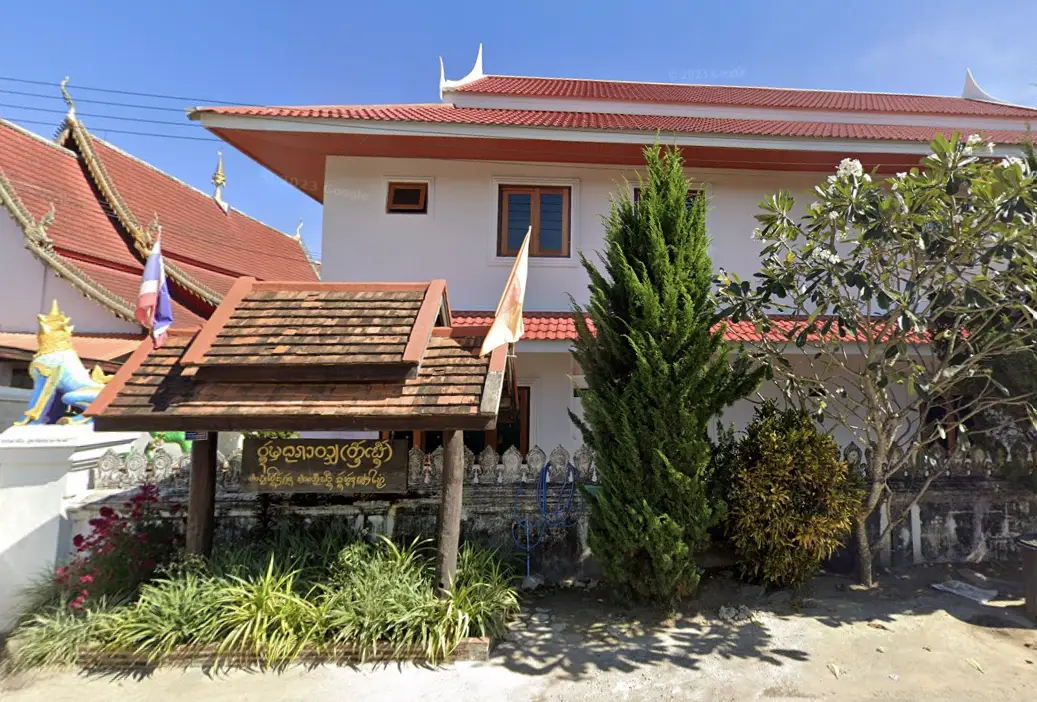
Wat Mathurawat, also known locally as Wat Ton Phueng, is a community temple in Moo 5, Pong Nam Ron Subdistrict, Fang District, Chiang Mai Province. The temple belongs to the Maha Nikaya order and plays an important role in the religious and cultural life of Ban Ton Phueng and the wider Pong Nam Ron community. Wat Mathurawat was officially established as a temple in 1902 and received its royal grant of Wisungkhamsima in 1973. This makes it an old and meaningful religious site with more than a century of development in northern Chiang Mai. Its value lies not in large-scale tourism, but in its role as a living village temple, a place for Buddhist rituals, community gatherings, and the preservation of local Lanna traditions.
Wat Mathurawat is located in Ban Ton Phueng, Moo 5, Pong Nam Ron Subdistrict. Pong Nam Ron is a subdistrict in Fang District, an area known for its natural hot springs, mountain landscapes, agricultural communities, and access to Doi Pha Hom Pok National Park. The temple is therefore part of a wider cultural and natural landscape, where village life, Buddhism, agriculture, and nature-based tourism are closely connected.
The local name “Wat Ton Phueng” is tied to Ban Ton Phueng, the village where the temple is located. The name of the village reflects the local landscape and community identity, while the official name “Wat Mathurawat” represents the temple’s formal religious status. Together, the two names show how the temple belongs both to the official monastic system and to the everyday life of local villagers.
The temple’s official establishment in 1902 places Wat Mathurawat among the older community temples of Fang District. At that time, temples in northern Thai villages functioned as centers of religious practice, moral education, seasonal ceremonies, and community cooperation. Wat Mathurawat has continued in this role, serving as a place where villagers gather for merit-making, Buddhist observances, and cultural activities.
The royal grant of Wisungkhamsima in 1973 is a significant milestone in the temple’s history. In Thai Buddhism, Wisungkhamsima refers to a formally granted boundary used for important monastic acts, such as ordination and other Sangha ceremonies. This status shows that Wat Mathurawat became a fully recognized temple with the religious infrastructure needed for formal Buddhist functions.
Understanding Wat Mathurawat requires understanding the setting of Pong Nam Ron. The subdistrict is known for Fang Hot Springs, Huai Mae Jai, Doi Pha Hom Pok National Park, and agricultural learning areas. This makes the temple part of a travel route that can combine local Buddhist heritage with natural attractions. Visitors can experience both the quiet atmosphere of a village temple and the natural character of northern Fang in the same journey.
Wat Mathurawat has also served as a venue for important community religious events. One clearly documented example is the “Tang Tham Luang Thet Mahachat” tradition of the Fang river basin, held at Wat Mathurawat or Wat Ton Phueng. The Mahachat sermon tradition is deeply meaningful in northern Thai Buddhist culture because it centers on the Vessantara Jataka, a story of generosity, compassion, and moral perfection. Hosting this event shows the temple’s role as a place where Buddhist teaching and local cultural practice come together.
In Lanna culture, the Tang Tham Luang tradition is both a religious and social event. Villagers prepare the temple, listen to sermons, make merit, and gather as a community. When Wat Mathurawat functions as a venue for such events, it becomes more than a local temple; it becomes a cultural space that helps preserve traditional forms of Buddhist learning and communal merit-making.
Wat Mathurawat serves as a spiritual center for Ban Ton Phueng. Local people come to the temple for Buddhist holy days, annual ceremonies, merit-making, and village religious activities. In rural northern Thailand, temples often function as shared public spaces where people of all ages meet, support one another, and maintain community identity. Wat Mathurawat reflects this village-temple role clearly.
Pong Nam Ron Subdistrict consists of several villages whose names are closely related to local geography, water sources, plants, and village history. Ban Ton Phueng is one of these communities. Wat Mathurawat therefore represents a temple that has grown together with its village, rather than a site separated from local daily life. This is one of the reasons why the temple is meaningful for cultural travelers.
Visitors to Wat Mathurawat should pay attention to the atmosphere of a working community temple. The temple grounds reflect the quiet rhythm of local Buddhist life. If the ordination hall or communal halls are open, visitors should enter respectfully, remove shoes where required, dress modestly, and avoid disturbing monks or villagers. The site is best appreciated slowly, with attention to its role as a living religious space.
The ordination boundary of the temple is especially important because the temple received Wisungkhamsima in 1973. This gives the temple a formal area for key Sangha ceremonies. For travelers interested in Buddhist institutions, this detail is important because it shows the temple’s development from a local community temple into a recognized religious site with full ceremonial capacity.
Wat Mathurawat is not a large commercial tourist attraction. Its appeal is its authenticity. Visitors will find the atmosphere of a northern Thai village temple: calm, functional, community-based, and closely tied to local Buddhist practice. For those who want to understand Fang beyond hot springs and mountain landscapes, the temple adds an important cultural layer to the journey.
The temple’s connection with Ban Ton Phueng School, local religious education, and Buddhist examinations also shows its educational role. Village temples often help young people learn temple etiquette, Buddhist values, and community participation. Wat Mathurawat remains part of this learning environment, giving it value not only as a religious site but also as a cultural institution.
Wat Mathurawat can be combined with several nearby cultural and natural destinations in Pong Nam Ron. These include Wat Pitayaram or Wat Piang Kok, Wat Si Don Chai, Wat Dhammikawat, Fang Hot Springs, Huai Mae Jai, and Doi Pha Hom Pok National Park. This makes the temple a good starting point for a route that connects village temples, local communities, and nature-based attractions.
Fang Hot Springs is one of the most important nearby natural attractions. The hot springs are powered by underground geothermal energy and are part of the natural landscape associated with Doi Pha Hom Pok National Park. Travelers visiting Wat Mathurawat can continue to the hot springs for relaxation, bathing facilities, and a nature-based experience after visiting the temple.
Getting There is most convenient by private car or rental car. From Chiang Mai city, follow Highway 107 north toward Fang, passing Mae Rim, Mae Taeng, Chiang Dao, and Chai Prakan. Once in Fang District, continue toward Pong Nam Ron Subdistrict and Ban Ton Phueng, Moo 5. The route is suitable for travelers planning a cultural and nature itinerary in northern Chiang Mai.
Travelers coming from Chiang Mai city should allow several hours because Fang is far north of the provincial capital and the route includes mountain sections. Leaving early is recommended. Travelers already staying in Fang or near Fang Hot Springs can visit the temple as a half-day cultural stop and combine it with nearby natural attractions.
A recommended route is to begin at Wat Mathurawat for a quiet temple visit, continue to Fang Hot Springs, and then explore Huai Mae Jai or nature trails in the national park area. With more time, travelers can extend the route to Doi Pha Hom Pok or other scenic spots around Fang. This creates a balanced itinerary of “community temple, hot spring, and northern nature.”
Visitors should dress modestly, speak quietly, avoid disturbing monks and local worshippers, and ask permission before photographing ritual areas. Wat Mathurawat is best visited with respect for its role as a community temple rather than as a simple photo stop. This approach helps travelers better understand the temple’s place in the life of Ban Ton Phueng.
Wat Mathurawat is suitable for cultural travelers, temple visitors, local history enthusiasts, and anyone who wants to experience the deeper village side of Fang District. It completes the travel picture of Fang by showing that the district is not only about mountains and hot springs, but also about long-standing Buddhist communities and Lanna religious traditions.
Overall, Wat Mathurawat is valuable because of its continuity. From its establishment in 1902, its royal grant of Wisungkhamsima in 1973, its role in the Mahachat sermon tradition, and its present function as a village temple of Ban Ton Phueng, the temple remains a living part of Pong Nam Ron’s religious and cultural landscape.
| Name | Wat Mathurawat / Wat Ton Phueng |
| Location | Moo 5, Pong Nam Ron Subdistrict, Fang District, Chiang Mai Province |
| Address | Ban Ton Phueng, Moo 5, Pong Nam Ron Subdistrict, Fang District, Chiang Mai 50110 |
| Highlights | An old community temple of Ban Ton Phueng, serving as a spiritual and cultural center of Pong Nam Ron Subdistrict |
| History | Officially established as a temple in 1902 and received its royal grant of Wisungkhamsima in 1973 |
| Name Origin | Wat Mathurawat is the official name, while Wat Ton Phueng is the local name connected with Ban Ton Phueng, Moo 5 |
| Distinctive Features | A long-established Maha Nikaya community temple with a formal ordination boundary and a connection to the Fang basin Mahachat sermon tradition |
| Travel Information | Accessible by private car or rental car via Highway 107 on the Chiang Mai–Fang route, then continue to Pong Nam Ron Subdistrict and Ban Ton Phueng, Moo 5 |
| Current Status | Active local Buddhist temple under the Maha Nikaya order in Pong Nam Ron Subdistrict, Fang District, Chiang Mai Province |
| Abbot / Caretaker | Phra Maha Ekkamongkol Abhimangkalo |
| Important Traditions | Tang Tham Luang Thet Mahachat tradition of the Fang river basin and regular Buddhist merit-making events of the community |
| Main Areas / Things To See | Wisungkhamsima boundary Ordination hall and monastic ceremony area Community activity halls or temple grounds Peaceful atmosphere of Ban Ton Phueng community temple |
| Local Information Contact | Pong Nam Ron Subdistrict Administrative Organization, Tel. 053-451234, 053-451213, 053-451595 |
| Nearby Tourist Attractions | 1. Fang Hot Springs, about 8 km 2. Doi Pha Hom Pok National Park, about 9 km 3. Huai Mae Jai, about 9 km 4. Wat Pitayaram / Wat Piang Kok, about 10 km 5. Chiang Mai Agricultural Research and Development Center (Fang), about 12 km |
| Nearby Restaurants | 1. Say Mink Cafe, about 3 km, Tel. 099-634-9797 2. PunThai Coffee Fang 2, about 12 km, Tel. 062-593-0154 3. Baan Fang Coffee, about 14 km, Tel. 082-385-4599, 080-958-7918 4. Kha Mu Krob Kai Yang San Ma Fueang, about 16 km, Tel. 081-882-5589, 081-467-3624 5. Fang Cafe, about 18 km, Tel. 086-191-2101 |
| Nearby Accommodations | 1. Doi Pha Hom Pok National Park Guesthouse Area, about 9 km 2. Fhukfang Homestay, about 18 km 3. Fang Modern Hotel, about 20 km, Tel. 086-439-1843 4. Phumanee Lahu Home Hotel, about 22 km, Tel. 086-431-3564 5. TonFang Hotel, about 22 km |
Frequently Asked Questions (FAQ)
Q: Where is Wat Mathurawat located?
A: Wat Mathurawat is located in Ban Ton Phueng, Moo 5, Pong Nam Ron Subdistrict, Fang District, Chiang Mai Province.
Q: What is another name for Wat Mathurawat?
A: Wat Mathurawat is also locally known as Wat Ton Phueng, a name connected with Ban Ton Phueng village.
Q: What is the historical importance of Wat Mathurawat?
A: The temple was officially established in 1902 and received its royal grant of Wisungkhamsima in 1973.
Q: Who is the abbot of Wat Mathurawat?
A: The abbot of Wat Mathurawat is Phra Maha Ekkamongkol Abhimangkalo.
Q: What important tradition is associated with Wat Mathurawat?
A: Wat Mathurawat is associated with the Tang Tham Luang Thet Mahachat tradition of the Fang river basin, along with regular Buddhist merit-making events.
Q: How can travelers get to Wat Mathurawat?
A: Travelers can use Highway 107 on the Chiang Mai–Fang route, then continue to Pong Nam Ron Subdistrict and Ban Ton Phueng, Moo 5.
Q: What nearby attractions can be combined with Wat Mathurawat?
A: Nearby places include Fang Hot Springs, Doi Pha Hom Pok National Park, Huai Mae Jai, Wat Pitayaram, and the Chiang Mai Agricultural Research and Development Center (Fang).
 Category: ●Places of Worship
 Group: ●Temple
Last Update : 2 WeekAgo
 Last Update : 2 WeekAgo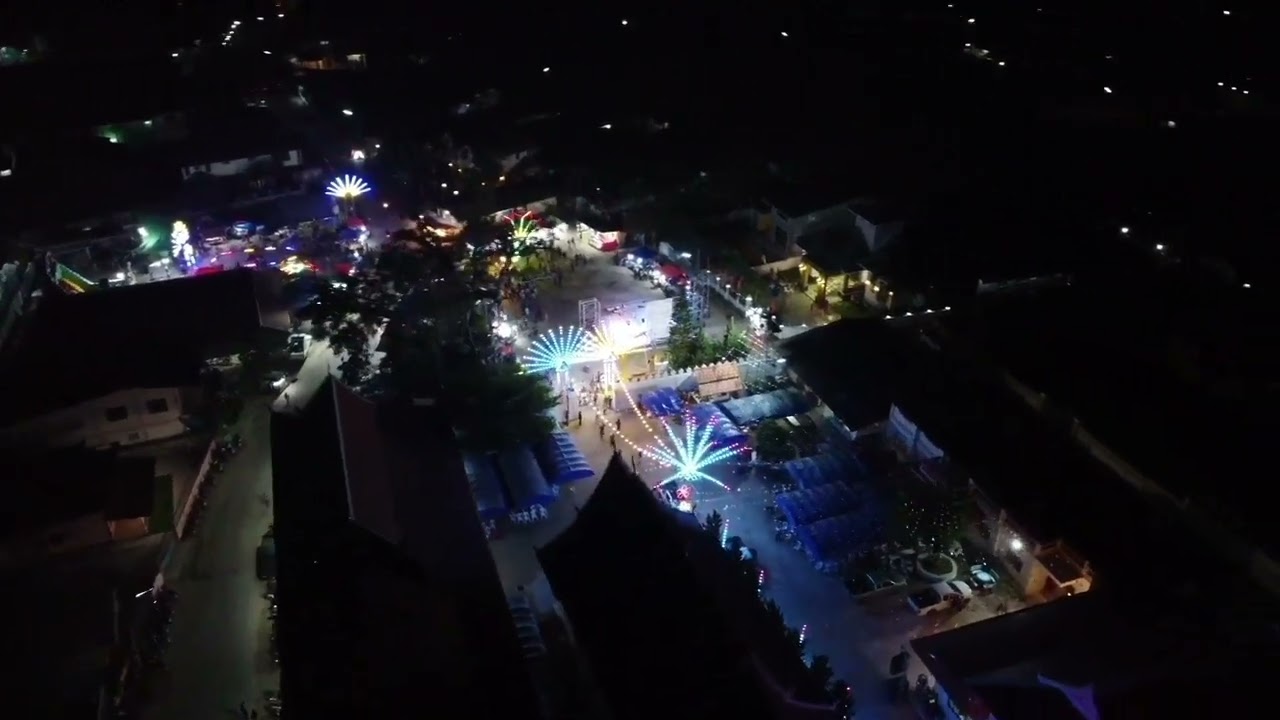
 Click to Access the Navigation Map GPS
Wat Mathurawat Map
Recommend

 Muang Chiang Mai(121)Chom Thong(47)Mae Chaem(25)Chiang Dao(33)Doi Saket(68)Mae Taeng(85)Mae Rim(69)Samoeng(29)Fang(71)Mae Ai(59)Phrao(70)San Pa Tong(103)San Kamphaeng(66)San Sai(73)Hang Dong(73)Hot(32)Doi Tao(22)Omkoi(11)Saraphi(74)Wiang Haeng(15)Chai Prakan(28)Mae Wang(32)Mae On(22)Doi Lo(33)Galyani Vadhana(1)


