
lovethailand home >North Travel Attractions >Chiang Mai Travel Attractions >Doi Saket >Sanga Ban > Wat Pa Fang
TL;DR: Wat Pa Fang is located at Ban Pa Fang, Moo 4, Sanga Ban Subdistrict, Doi Saket District, Chiang Mai Province. Highlights include A historic community temple of Ban Pa Fang, established in 1692, serving as a spiritual center for Sanga Ban Subdistrict.
Wat Pa Fang
Operating day: Daily
Operating time: 08.00 - 17.00
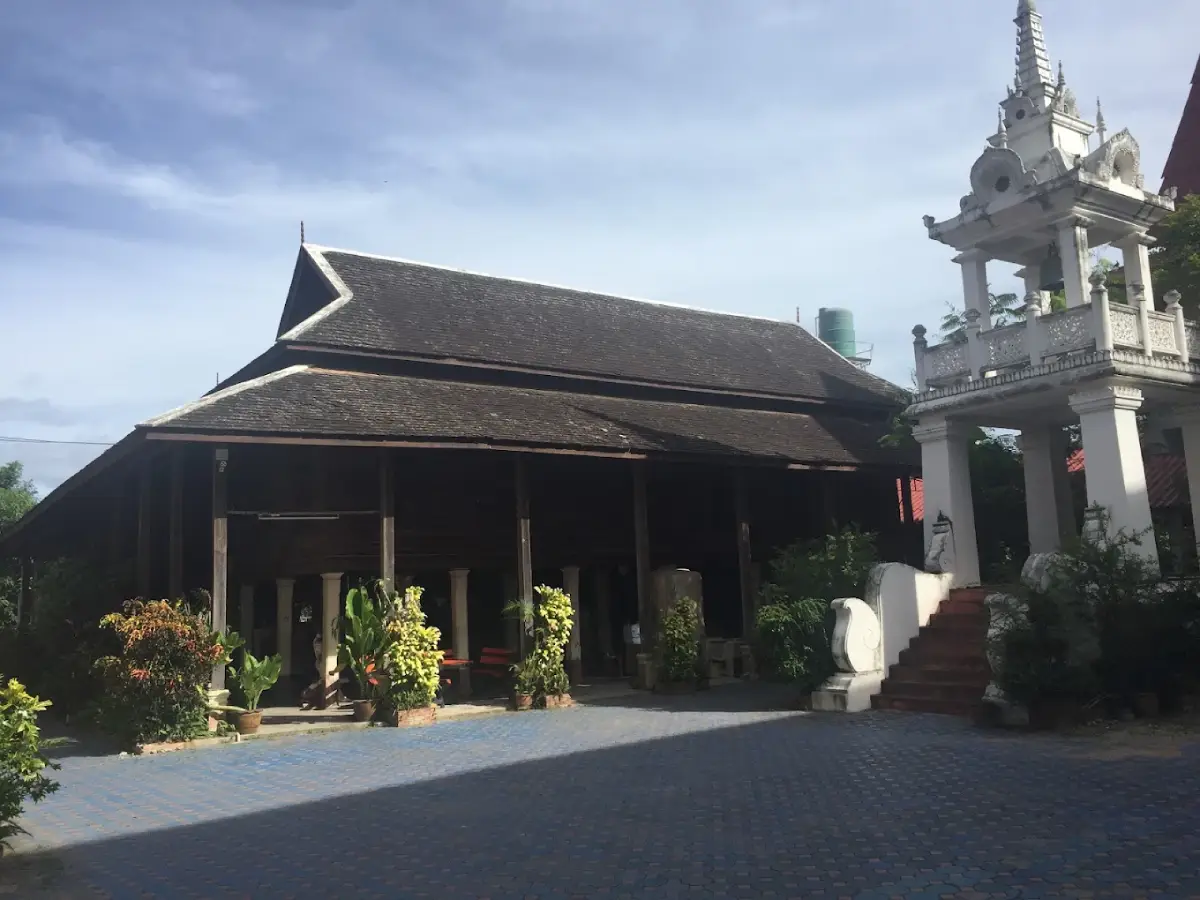
Wat Pa Fang is located in Ban Pa Fang, Moo 4, Sanga Ban Subdistrict, Doi Saket District, Chiang Mai Province. It is a local Buddhist temple under the Mahanikaya order and an important spiritual center for the Ban Pa Fang community. The temple was officially established in 1692 and received its royal consecrated boundary in 1919. With this long history, Wat Pa Fang represents the continuity of Buddhism, rural village life, and Lanna community values in Doi Saket.
Ban Pa Fang is Moo 4 of Sanga Ban Subdistrict. The subdistrict includes several villages such as Ban Dok Daeng, Ban Tha, Ban Pa Ngio, Ban Pa Fang, and Ban Phae Pa Kha. These villages are rooted in rural community life, agriculture, local temples, and Buddhist merit-making. Wat Pa Fang is therefore not only a temple located in the village, but also part of the social and religious structure that keeps the local community connected.
The establishment year of 1692 gives Wat Pa Fang strong historical importance. A temple with this kind of long history was not created as a tourist site. It developed from the community’s need for a place of Buddhist worship, merit-making, ceremonies, and moral learning. The temple has stood through many generations of village life, from older agricultural patterns to the modern development of Doi Saket.
The name “Pa Fang” is directly connected with Ban Pa Fang. “Pa” means forest, suggesting a natural or wooded setting, while “Fang” refers to a local plant name known in Thai culture. The temple name therefore reflects local geography and village identity. It is a simple name, but it strongly connects the temple with its surrounding community and landscape.
The royal consecrated boundary granted in 1919 is an important milestone in the temple’s history. In Thai Buddhist practice, a consecrated boundary is necessary for formal monastic acts and certain Sangha ceremonies. This confirms the temple’s complete religious status and its ability to support Buddhist ceremonies in a proper monastic setting.
The abbot of Wat Pa Fang is Phra Khru Phithak Aranyawat Tikkhapanyo. His ecclesiastical title is meaningful in relation to the temple’s name and atmosphere. The term “aranya” relates to forest and quietness, while “wat” can be understood in connection with religious practice and discipline. The name gives an impression of a temple rooted in calmness, practice, and community faith.
Wat Pa Fang functions as more than a place for occasional worship. It supports Buddhist holy day merit-making, offerings to monks, Kathin ceremonies, forest robe offerings, Lanna New Year merit-making, and other annual Buddhist activities. These events bring villagers together and help maintain the relationship between the temple, the monks, and the community.
Sanga Ban Subdistrict is known for its rice-growing identity, sufficiency-economy way of life, sacred local faith, traditional craftsmanship, and community environment. These local values help explain the role of Wat Pa Fang. The temple is part of a village culture where agriculture, merit-making, Buddhist teachings, local art, and community cooperation remain closely connected.
Wat Pa Fang is suitable for travelers who are interested in quiet community temples rather than large tourist landmarks. Its main appeal is its calm atmosphere, long history, and role as the temple of Ban Pa Fang. Visitors can come to make merit, pay respect, observe the temple environment, and understand how Buddhism functions in the daily life of a rural Chiang Mai community.
Important things to notice at Wat Pa Fang include the temple grounds, courtyard, worship areas, and the relationship between the temple and the surrounding village. This type of temple offers a different experience from highly visited tourist temples because it shows a working village temple that continues to serve local people.
The long history of Wat Pa Fang also makes it a marker of settlement and community memory. Ban Pa Fang is one of the villages of Sanga Ban Subdistrict, with a defined local population and community structure. A village temple provides a shared space for family and village-level rituals, including merit-making, funerals, ordinations, house-blessing ceremonies, and annual Buddhist events.
For travelers exploring temples in Doi Saket, Wat Pa Fang can be combined with Wat Dok Daeng, Wat Phra That Doi Saket, Tweechol Botanical Garden, Mae Kuang Udom Thara Dam, and Huai Hong Khrai Royal Development Study Centre. This route gives visitors a broader view of Doi Saket, combining community temples, a major district temple, natural landscapes, learning sites, and local restaurants.
Wat Phra That Doi Saket is an important nearby temple to combine with Wat Pa Fang. It is a major temple of Doi Saket District and is connected with local beliefs about the Buddha’s hair relic. Visiting both Wat Pa Fang and Wat Phra That Doi Saket allows travelers to see two different levels of Buddhist life: a quiet village temple and a well-known district temple.
Tweechol Botanical Garden and Mae Kuang Udom Thara Dam add natural and leisure elements to the same route. Tweechol Botanical Garden is suitable for families and travelers who enjoy green spaces. Mae Kuang Udom Thara Dam offers reservoir scenery and a wider view of Doi Saket’s natural landscape. Wat Pa Fang can therefore be included in a half-day or full-day itinerary that combines temples, community life, and nature.
Getting There is most convenient by private car, rental car, or local hired transport. From Chiang Mai city, travel toward Doi Saket via the Chiang Mai–Doi Saket road or Highway 118. Then continue into Sanga Ban Subdistrict and Ban Pa Fang, Moo 4. A private vehicle is recommended for travelers who want to visit several nearby places in one route.
A practical half-day itinerary can begin at Wat Pa Fang for a quiet temple visit and merit-making. From there, continue to Wat Dok Daeng, another historic community temple in Sanga Ban. Then proceed to Wat Phra That Doi Saket for district-level religious significance and views. Travelers with more time can continue to Tweechol Botanical Garden, Mae Kuang Dam, or Huai Hong Khrai Royal Development Study Centre.
Visitors should follow normal Thai temple etiquette. Dress modestly, keep voices low, remove shoes where required, respect monks and local worshippers, avoid disturbing ceremonies, and do not enter private monastic areas without permission. Because Wat Pa Fang is a community temple, respectful behavior helps preserve the sacred atmosphere and supports good interaction with the local community.
In summary, Wat Pa Fang is a historic Mahanikaya community temple in Ban Pa Fang, Sanga Ban Subdistrict, Doi Saket District, Chiang Mai. Established in 1692 and granted its royal consecrated boundary in 1919, the temple continues to serve as a spiritual center for the village. Its value lies in its long history, quiet community atmosphere, and role in preserving the Buddhist way of life within rural Lanna society.
| Name | Wat Pa Fang |
| Thai Name | วัดป่าฝาง |
| Location | Ban Pa Fang, Moo 4, Sanga Ban Subdistrict, Doi Saket District, Chiang Mai Province |
| Address | Moo 4, Ban Pa Fang, Sanga Ban Subdistrict, Doi Saket District, Chiang Mai 50220, Thailand |
| Coordinates | 18.82646, 99.11215 |
| Temple Type | Local Buddhist temple under the Mahanikaya order |
| Highlights | A historic community temple of Ban Pa Fang, established in 1692, serving as a spiritual center for Sanga Ban Subdistrict |
| History | Officially established as a temple in 1692 and granted its royal consecrated boundary in 1919 |
| Name Origin | The name is connected with Ban Pa Fang, Moo 4, Sanga Ban Subdistrict, and reflects the local village identity |
| Abbot / Caretaker | Phra Khru Phithak Aranyawat Tikkhapanyo |
| Distinctive Features | A peaceful Lanna community temple connected with the rural way of life of Ban Pa Fang and Sanga Ban Subdistrict |
| Traditions / Merit-Making | Buddhist holy day merit-making, offerings to monks, Kathin ceremonies, forest robe offerings, Lanna New Year merit-making, and Buddhist calendar activities |
| Community Role | A spiritual center of Ban Pa Fang, supporting worship, sermons, merit-making, village gatherings, and the continuation of rural Lanna Buddhist life |
| Travel Information | From Chiang Mai city, travel toward Doi Saket via the Chiang Mai–Doi Saket road or Highway 118, then continue into Sanga Ban Subdistrict and Ban Pa Fang, Moo 4. Private car or rental car is recommended. |
| Current Status | An active community Buddhist temple listed in temple references, municipal information, and current mapping sources |
| Main Areas / Zones | Temple grounds, courtyard, worship areas, and community religious activity areas |
| Nearby Tourist Attractions | 1. Wat Dok Daeng, about 3 km 2. Wat Phra That Doi Saket, about 7 km 3. Wat Doi Ku or Wat Phra That Doi Ku, about 8 km 4. Tweechol Botanical Garden, about 10 km 5. Mae Kuang Udom Thara Dam, about 13 km 6. Doi Saket Hot Spring, about 15 km |
| Nearby Restaurants | 1. Tee Noy Oh Cha, about 7 km, Tel. 085-107-4687 2. Doi Saket Steakhouse, about 8 km, Tel. 064-110-4778, 095-391-9457 3. Mininim Store Coffee Luang Nuea, about 10 km, Tel. 093-737-4105 4. Lue Yang Luang Nuea, about 11 km, Tel. 098-779-0333 5. Arbusto Italian House & Thai Kitchen, about 12 km, Tel. 089-758-4197 |
| Nearby Accommodations | 1. Srida Resort Lanna & Cafe, about 9 km, Tel. 094-431-1431 2. Villa Albizia, about 10 km 3. The Palm Village, about 11 km 4. Sak Homestay, about 12 km, Tel. 081-884-0093 5. Tao Garden Health Spa & Resort, about 13 km, Tel. 084-028-0230 |
Frequently Asked Questions (FAQ)
Q: Where is Wat Pa Fang located?
A: Wat Pa Fang is located in Ban Pa Fang, Moo 4, Sanga Ban Subdistrict, Doi Saket District, Chiang Mai Province.
Q: What is historically important about Wat Pa Fang?
A: Wat Pa Fang was officially established in 1692 and received its royal consecrated boundary in 1919, making it one of the historic community temples of Sanga Ban.
Q: What type of temple is Wat Pa Fang?
A: Wat Pa Fang is a local Buddhist temple under the Mahanikaya order.
Q: Who is the abbot of Wat Pa Fang?
A: The abbot of Wat Pa Fang is Phra Khru Phithak Aranyawat Tikkhapanyo.
Q: Who should visit Wat Pa Fang?
A: The temple is suitable for travelers interested in quiet community temples, historic local temples in Doi Saket, and rural Lanna Buddhist culture.
Q: What nearby places can be visited with Wat Pa Fang?
A: Nearby places include Wat Dok Daeng, Wat Phra That Doi Saket, Wat Doi Ku, Tweechol Botanical Garden, Mae Kuang Udom Thara Dam, and Doi Saket Hot Spring.
Q: How can travelers get to Wat Pa Fang?
A: From Chiang Mai city, travel toward Doi Saket via the Chiang Mai–Doi Saket road or Highway 118, then continue into Sanga Ban Subdistrict and Ban Pa Fang, Moo 4. A private car or rental car is recommended.
 Category: ●Places of Worship
 Group: ●Temple
Last Update : 5 DayAgo
 Last Update : 5 DayAgo
 Click to Access the Navigation Map GPS
Wat Pa Fang Map
Recommend

 Muang Chiang Mai(121)Chom Thong(47)Mae Chaem(25)Chiang Dao(33)Doi Saket(68)Mae Taeng(85)Mae Rim(69)Samoeng(29)Fang(71)Mae Ai(59)Phrao(70)San Pa Tong(105)San Kamphaeng(66)San Sai(73)Hang Dong(74)Hot(32)Doi Tao(22)Omkoi(11)Saraphi(74)Wiang Haeng(15)Chai Prakan(28)Mae Wang(32)Mae On(22)Doi Lo(34)Galyani Vadhana(1)


