
lovethailand home >North Travel Attractions >Chiang Mai Travel Attractions >Doi Saket >Pa Miang > Wat Pong Nam Ron
TL;DR: Wat Pong Nam Ron is located at Moo 4, Ban Pong Kum, Pa Miang Subdistrict, Doi Saket District, Chiang Mai Province, open Daily, hours 08.00 - 17.00.
Wat Pong Nam Ron
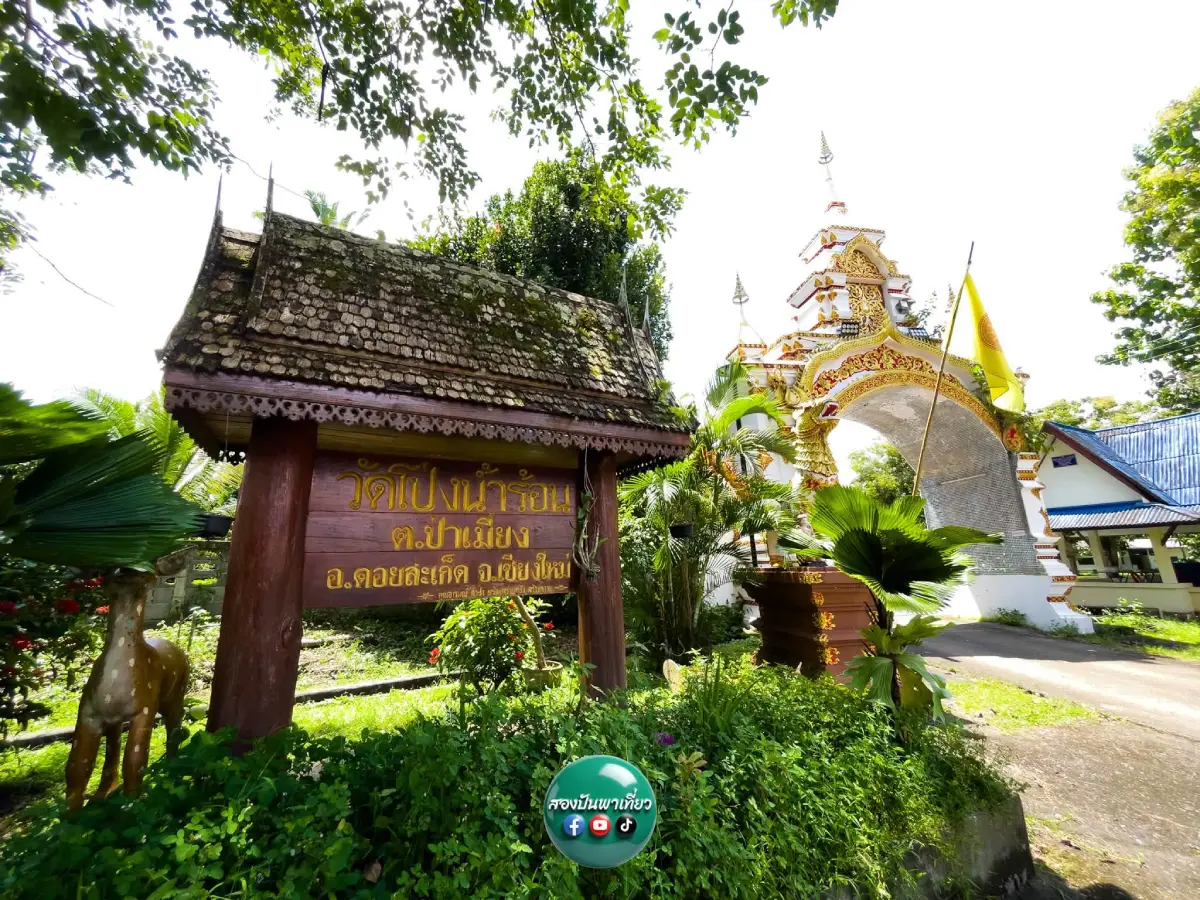
Open Days: Daily
Opening Hours: 08.00 - 17.00
Wat Pong Nam Ron is a private Buddhist temple under the Mahanikaya order, located in Moo 4, Ban Pong Kum, Pa Miang Subdistrict, Doi Saket District, Chiang Mai Province. The temple was officially permitted as a temple in 1767 and received its royal consecrated boundary in 2004. Its abbot is Phra Athikan Put Wisuttho. Wat Pong Nam Ron serves the Ban Pong Kum community and is closely connected with the mountainous landscape, village life, and hot spring identity of Pa Miang.
Wat Pong Nam Ron is open daily from 08.00 to 17.00. It is suitable for visitors who want to make merit, pay respect, and experience a quiet local temple along the Doi Saket-Pa Miang route. The temple is not a large commercial tourist attraction. Its value lies in its role as a village temple that continues to support local Buddhist practice and community ceremonies.
The name “Wat Pong Nam Ron” reflects the local landscape. In Thai, “pong” can refer to a mineral-rich ground area or a place where water or minerals rise from the earth, while “nam ron” means hot water. The name is strongly connected with Ban Pong Kum, a village known for the Doi Saket hot spring area. The temple name therefore reflects both religion and local natural geography.
Ban Pong Kum is Moo 4 of Pa Miang Subdistrict. The village area includes five local settlement groups: Ban Pong Kum, Ban Pong Din, Ban Huai Pa Bon, Ban Mae Wa, and Ban Thung Khao Puk. Moo 4 is one of the important lowland areas of Pa Miang and has the largest population among the subdistrict’s villages. Wat Pong Nam Ron is therefore located in a community that plays an important role in local life, basic services, and village religious activity.
Pa Miang Subdistrict is mostly mountainous, with limited flat land in some areas, especially around Moo 4 and Moo 6. This geography gives Pa Miang a different atmosphere from the lowland city of Chiang Mai. Local life is shaped by Highway 118, forested hills, agricultural land, water sources, and village communities. Wat Pong Nam Ron belongs to this mountain community landscape rather than to an urban temple environment.
As a Mahanikaya community temple, Wat Pong Nam Ron supports ordinary Buddhist activities such as Buddhist holy day merit-making, almsgiving, sermons, ordination-related ceremonies, funeral rites, robe offerings, Kathin ceremonies, and major Buddhist days including Makha Bucha, Visakha Bucha, Asalha Bucha, Buddhist Lent, and the end of Buddhist Lent. These activities make the temple a center of faith and community life.
The temple’s official establishment in 1767 gives it a long history within Ban Pong Kum and Doi Saket. Its royal consecrated boundary, granted in 2004, gives the temple an important formal religious status because such a boundary allows monks to perform formal monastic acts, including ordination-related rites. This confirms the temple’s continuing role as a functional Buddhist site for the local community.
Phra Athikan Put Wisuttho is the abbot of Wat Pong Nam Ron. In a village temple, the abbot acts as caretaker, religious leader, and coordinator between monks and local residents. A temple in a mountain community depends on cooperation between monks, temple committees, village leaders, and lay supporters. This cooperation allows the temple to remain active through annual ceremonies, merit-making events, and community religious life.
Wat Pong Nam Ron is closely associated with the natural identity of Ban Pong Kum, especially Doi Saket Hot Spring. The hot spring is a natural geothermal site in the Ban Pong Kum area of Pa Miang Subdistrict. It is known for hot water, steam, mineral features, and a sulfur smell. Although the temple and the hot spring are different types of places, both are part of the same local landscape and help define Ban Pong Kum in the Doi Saket travel route.
Visitors can combine Wat Pong Nam Ron with nearby natural attractions in one trip. A meaningful route can begin with worship and merit-making at Wat Pong Nam Ron, then continue to Doi Saket Hot Spring, Pangfan Rock n’ River, Dong Yen Arboretum, Pa Miang Royal Project Development Center, or Mae Kampong village. This creates a balanced route of Buddhism, community life, hot spring scenery, mountain forest, and local food.
The temple should be approached as an active community temple. Visitors should dress modestly, cover shoulders and knees, remove shoes before entering sacred buildings, keep their voices low, avoid entering monastic areas without permission, and ask before photographing monks, novices, local residents, or ceremonies. If a merit-making event, funeral, or temple ceremony is taking place, visitors should give priority to local participants.
The best time to visit Wat Pong Nam Ron is in the morning or late afternoon. Morning is suitable for worship and quiet merit-making, while afternoon works well for visitors combining the temple with the hot spring or other Pa Miang attractions. Since the temple is open daily from 08.00 to 17.00, it can be added flexibly to a Doi Saket itinerary. Visitors planning to attend a specific ceremony should contact the temple or local community before traveling.
Getting There is easiest by private car, rental car, or hired vehicle. From Chiang Mai city, take Highway 118, the Chiang Mai-Chiang Rai road, through Doi Saket District toward Pa Miang Subdistrict and Ban Pong Kum. Search for “Wat Pong Nam Ron, Pa Miang, Doi Saket” in a map application and confirm the Ban Pong Kum location to avoid confusion with other places named Pong Nam Ron in Chiang Mai or other provinces.
Travelers starting from Doi Saket town can follow the Chiang Mai-Chiang Rai road into Pa Miang Subdistrict. A private vehicle is the most practical option because Pa Miang stretches along a mountain road and nearby attractions are spread out. This makes it easier to visit Wat Pong Nam Ron, Doi Saket Hot Spring, Pangfan, Dong Yen Arboretum, and local cafés in one day.
A practical one-day route can begin in Chiang Mai city, stop at Wat Phra That Doi Saket, continue to Wat Pong Nam Ron in Ban Pong Kum, and then visit Doi Saket Hot Spring or Pangfan Rock n’ River around midday. In the afternoon, travelers can continue to Dong Yen Arboretum or Pa Miang Royal Project Development Center. This route combines temple culture, village life, hot springs, forest scenery, and mountain communities east of Chiang Mai.
In travel writing, Wat Pong Nam Ron should be presented as a community temple connected with Ban Pong Kum and the hot spring geography of Pa Miang. The key facts are that the temple is a Mahanikaya temple, officially established in 1767, granted a royal consecrated boundary in 2004, led by Phra Athikan Put Wisuttho, and open daily from 08.00 to 17.00. These details allow travelers to understand the temple clearly and place it correctly within the Doi Saket-Pa Miang route.
In summary, Wat Pong Nam Ron is a Mahanikaya community temple in Ban Pong Kum, Moo 4, Pa Miang Subdistrict, Doi Saket District, Chiang Mai Province. It is a quiet temple for worship and merit-making, with a long history and a strong connection to the hot spring landscape of the village. It is best visited as part of a broader cultural and nature route that includes Doi Saket Hot Spring, Pangfan, Dong Yen Arboretum, Pa Miang, and Wat Phra That Doi Saket.
| Name | Wat Pong Nam Ron |
| Place Type | Private Buddhist Temple Under The Mahanikaya Order |
| Location | Moo 4, Ban Pong Kum, Pa Miang Subdistrict, Doi Saket District, Chiang Mai Province |
| Address | Moo 4, Ban Pong Kum, Pa Miang Subdistrict, Doi Saket District, Chiang Mai 50220, Thailand |
| Highlights | Community temple of Ban Pong Kum, linked with Pa Miang’s hot spring landscape and suitable for worship, merit-making, and quiet cultural travel along Highway 118 |
| History | Officially permitted as a temple in 1767 and granted a royal consecrated boundary in 2004 |
| Name Origin | The name connects with Ban Pong Kum and the local hot spring landscape. “Pong” refers to mineral-rich ground or spring-related terrain, while “Nam Ron” means hot water |
| Community Context | Ban Pong Kum, Moo 4, includes five local settlement groups: Ban Pong Kum, Ban Pong Din, Ban Huai Pa Bon, Ban Mae Wa, and Ban Thung Khao Puk |
| Abbot / Caretaker | Phra Athikan Put Wisuttho |
| Travel Information | From Chiang Mai city, take Highway 118, the Chiang Mai-Chiang Rai road, through Doi Saket District toward Pa Miang Subdistrict and Ban Pong Kum. Search for “Wat Pong Nam Ron, Pa Miang, Doi Saket” in a map application |
| Current Status | Listed as a Mahanikaya temple in Pa Miang Subdistrict, Doi Saket District, Chiang Mai Province, and open according to publicly listed visitor hours |
| Open Days | Daily |
| Opening Hours | 08.00 - 17.00 |
| Admission Fee | No officially published admission fee found |
| Nearby Tourist Attractions | 1. Doi Saket Hot Spring, Ban Pong Kum, about 1 km 2. Pangfan Rock n’ River / Pangfan Back To Basic, about 8 km 3. Dong Yen Arboretum, about 12 km 4. Pa Miang Royal Project Development Center, about 18 km 5. Mae Kampong Village, about 22 km 6. Wat Phra That Doi Saket, about 24 km |
| Nearby Restaurants | 1. Pangfan Rock n’ River, about 8 km, Tel. 063-265-6566 2. Pangfan Back To Basic / Pangfan Resort, about 8 km, Tel. 087-594-2469 3. Bon Doi Coffee View, about 10 km, Tel. 080-769-2970 4. Tara Valley, about 12 km, Tel. 092-738-2355 5. Fae-Miang Café & Stay, about 18 km |
| Nearby Accommodations | 1. Monn Phu Phrai Resort, about 1 km, Tel. 053-389-036 2. PangFan Rock&River, about 8 km, Tel. 064-246-4291, 096-145-4195 3. PangFan Resort, about 8 km, Tel. 096-145-4195 4. Charamai Resort, about 12 km, Tel. 090-624-1663 5. Fae-Miang Café & Stay, about 18 km |
Frequently Asked Questions (FAQ)
Q: Where is Wat Pong Nam Ron located?
A: Wat Pong Nam Ron is located in Moo 4, Ban Pong Kum, Pa Miang Subdistrict, Doi Saket District, Chiang Mai Province.
Q: What are the opening days and hours of Wat Pong Nam Ron?
A: Wat Pong Nam Ron is open daily from 08.00 to 17.00.
Q: What is the history of Wat Pong Nam Ron?
A: Wat Pong Nam Ron was officially permitted as a temple in 1767 and received its royal consecrated boundary in 2004.
Q: Who is the abbot of Wat Pong Nam Ron?
A: The abbot of Wat Pong Nam Ron is Phra Athikan Put Wisuttho.
Q: How is Wat Pong Nam Ron connected with Doi Saket Hot Spring?
A: The temple is located in Ban Pong Kum, the same local area associated with Doi Saket Hot Spring. Its name reflects the hot spring landscape and identity of the community.
Q: How can visitors get to Wat Pong Nam Ron?
A: From Chiang Mai city, take Highway 118 toward Doi Saket and Pa Miang, then continue to Ban Pong Kum, Moo 4. Search for “Wat Pong Nam Ron, Pa Miang, Doi Saket” in a map application.
Q: What nearby attractions can be combined with Wat Pong Nam Ron?
A: Nearby attractions include Doi Saket Hot Spring, Pangfan Rock n’ River, Dong Yen Arboretum, Pa Miang Royal Project Development Center, Mae Kampong Village, and Wat Phra That Doi Saket.
Q: What should visitors wear when visiting Wat Pong Nam Ron?
A: Visitors should dress modestly, cover shoulders and knees, remove shoes before entering sacred buildings, keep quiet, and avoid entering monastic areas without permission.
 Category: ●Places of Worship
 Group: ●Temple
Last Update : 2 WeekAgo
 Last Update : 2 WeekAgo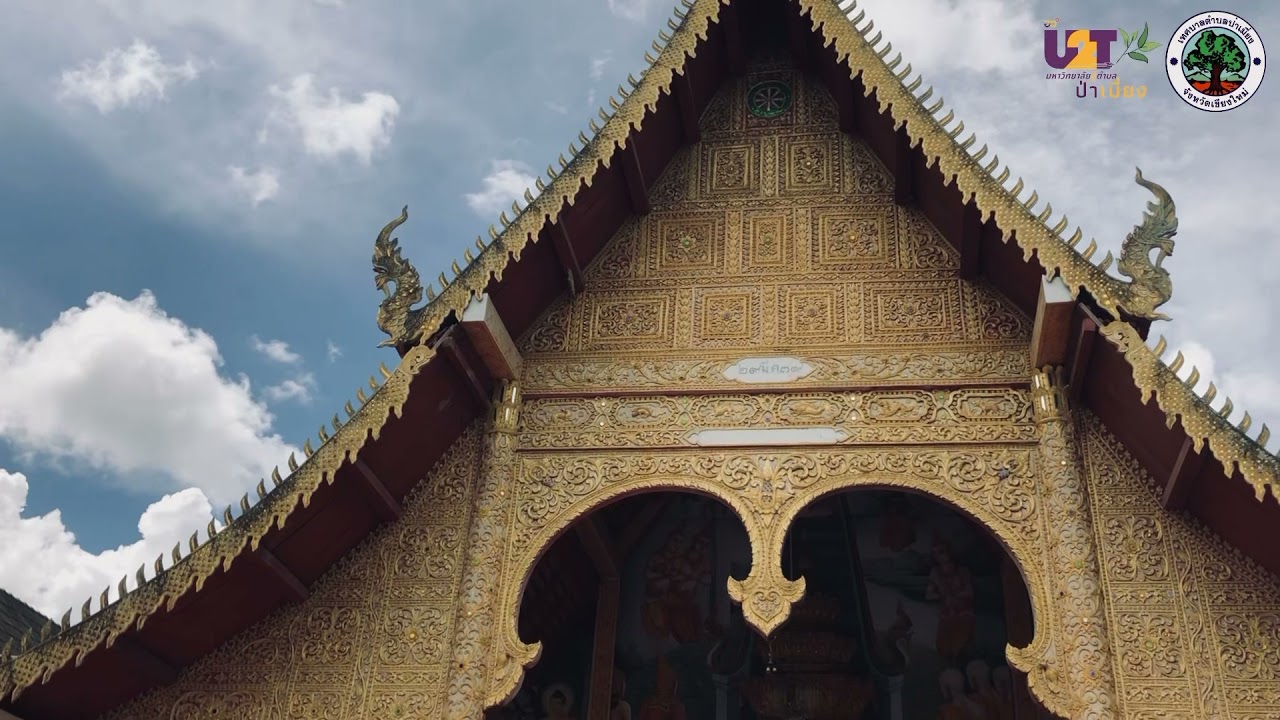
 Click to Access the Navigation Map GPS
Wat Pong Nam Ron Map
Recommend

 Muang Chiang Mai(121)Chom Thong(47)Mae Chaem(25)Chiang Dao(33)Doi Saket(68)Mae Taeng(85)Mae Rim(69)Samoeng(29)Fang(71)Mae Ai(59)Phrao(70)San Pa Tong(103)San Kamphaeng(66)San Sai(73)Hang Dong(73)Hot(32)Doi Tao(22)Omkoi(11)Saraphi(74)Wiang Haeng(15)Chai Prakan(28)Mae Wang(32)Mae On(22)Doi Lo(34)Galyani Vadhana(1)


