
lovethailand home >North Travel Attractions >Chiang Mai Travel Attractions >Chiang Dao >Chiang Dao > Wat Si Sai Mun
TL;DR: Wat Si Sai Mun is located at Moo 8, Ban Mae Ka, Chiang Dao Subdistrict, Chiang Dao District, Chiang Mai Province, open Daily, hours 08.00 – 17.00.

Wat Si Sai Mun
Open Days: Daily
Opening Hours: 08.00 – 17.00
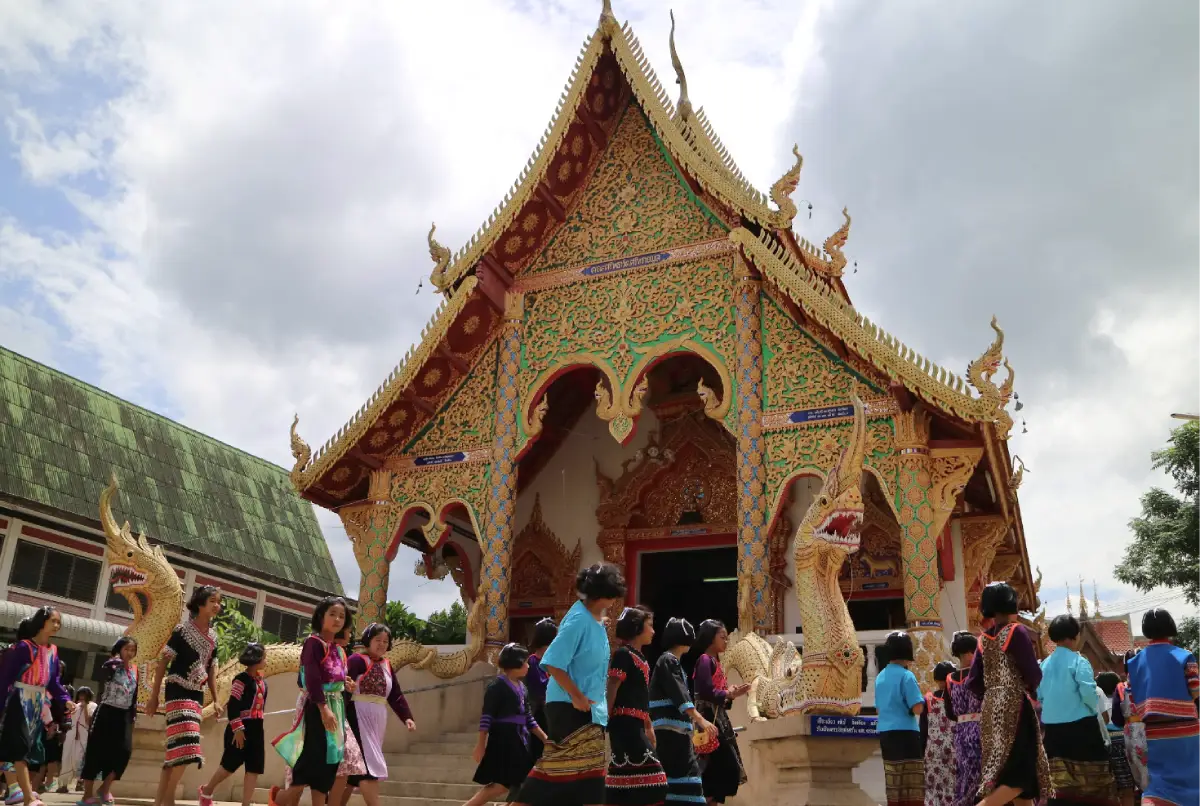
Wat Si Sai Mun, also known as Wat Si Sai Mun Ban Mae Ka, is a local Buddhist temple in Moo 8, Chiang Dao Subdistrict, Chiang Dao District, Chiang Mai Province. It is a Mahā Nikāya community temple with a long history, officially established as a temple in 1732 and granted its Wisungkham Sima in 1930. The temple is suitable for travelers who want to make merit, pay respect to a local Buddhist site, and understand the cultural life of Chiang Dao beyond its mountains, caves, and nature attractions. Its key cultural highlight is the annual tradition of bathing Phra That Wiriyapha, a community religious ceremony that continues to connect local people with Buddhist faith and northern Thai heritage.
Wat Si Sai Mun is located in Ban Mae Ka, a community area within Chiang Dao Subdistrict. Its position near Chiang Dao town makes it convenient for visitors who are already traveling along the main Chiang Mai–Fang route or planning to visit Chiang Dao Cave, Wat Tham Pha Plong, Doi Luang Chiang Dao, and nearby hot springs. Unlike large tourist temples in Chiang Mai city, Wat Si Sai Mun offers a quieter and more local atmosphere. It is a place where visitors can observe the relationship between temple, village, monks, and local traditions in a natural setting.
The history of Wat Si Sai Mun gives the temple strong cultural value. The temple was officially established in 1732 and later received its Wisungkham Sima in 1930, meaning that it was formally granted a consecrated boundary for monastic acts. This status is important in Thai Buddhism because it marks the temple as a recognized religious site for proper Sangha ceremonies. For travelers interested in historical temples in Chiang Mai Province, this background makes Wat Si Sai Mun more than a small local stop; it is part of the long Buddhist landscape of Chiang Dao.
As a community temple, Wat Si Sai Mun has a role that goes beyond sightseeing. Local residents use the temple for merit-making, Buddhist ceremonies, community gatherings, and annual religious traditions. This kind of temple reflects everyday Buddhist life in northern Thailand more clearly than many highly commercial tourist sites. Visitors who come here should approach the temple with respect, patience, and an interest in local culture. The value of Wat Si Sai Mun lies in its living role within the community, not in grand architecture or crowded attractions.
One of the most important sacred elements associated with the temple is Phra That Wiriyapha. The local municipality has participated in preserving the annual tradition of bathing Phra That Wiriyapha at Wat Si Sai Mun in Ban Mae Ka, Moo 8, Chiang Dao Subdistrict. The ceremony includes Buddhist merit-making, a traditional life-prolonging ritual, the bathing of the stupa, and other religious activities that bring together monks, local residents, community leaders, and visitors. This tradition helps maintain the cultural identity of the area and keeps Buddhist customs active from one generation to the next.
The tradition of bathing Phra That Wiriyapha is an important reason to understand Wat Si Sai Mun as a cultural site. In northern Thailand, bathing a sacred stupa is not only a symbolic cleansing act. It expresses reverence for Buddhism, respect for the Triple Gem, and the shared merit-making spirit of the community. At Wat Si Sai Mun, this tradition gives the temple a distinct identity within Chiang Dao and links the temple to wider Lanna Buddhist culture, where stupas, village temples, monks, and local rituals remain deeply connected.
Visitors arriving at Wat Si Sai Mun will find a calm local temple atmosphere rather than a busy tourist attraction. The temple is suitable for quiet merit-making, respectful photography, and short cultural visits. Because the temple is part of a living community, visitors should dress modestly, keep their voices low, and avoid entering monk-only or ceremony areas without permission. During religious events, it is especially important to follow the guidance of monks and local organizers, as the temple grounds may be used for rituals rather than sightseeing.
Phra Athikan Nawaphon Sumetho is listed as the abbot of Wat Si Sai Mun. In a community temple, the abbot plays an important role in maintaining the temple, leading Buddhist ceremonies, supporting local religious life, and guiding the community in matters of faith. The abbot’s role helps explain why a local temple like Wat Si Sai Mun remains relevant: it is not simply a historical place, but a spiritual institution that continues to serve people in the surrounding area.
Travelers should be careful when searching for Wat Si Sai Mun because there are several temples with the same Thai name in northern Thailand. To find the correct temple, use the search terms “Wat Si Sai Mun Ban Mae Ka Chiang Dao” or “Wat Si Sai Mun Chiang Dao Subdistrict.” The key location details are Moo 8, Ban Mae Ka, Chiang Dao Subdistrict, Chiang Dao District, Chiang Mai Province. Using these details helps avoid confusion with temples of the same name in other districts or provinces.
For cultural travelers, Wat Si Sai Mun works well as part of a slow travel route in Chiang Dao. A good half-day plan is to visit Wat Si Sai Mun, continue to Wat Tham Chiang Dao, and then climb the forested stairway to Wat Tham Pha Plong. This route combines a local community temple, a famous cave temple, and a peaceful meditation site. Travelers with a full day can add Ban Yang Pu To Hot Spring, Doi Luang Chiang Dao viewpoints, or the Huai Luek Royal Project area, depending on the season and travel conditions.
Wat Si Sai Mun is also meaningful for those studying Thai temples because it represents the quieter layer of Buddhist heritage in Chiang Mai Province. It may not be as visually famous as the major temples in Chiang Mai city, but its historical foundation, official consecration, local religious role, and annual Phra That Wiriyapha tradition make it culturally important. For visitors who want to understand Chiang Dao through both nature and community life, this temple adds depth to the journey.
A visit to Wat Si Sai Mun usually takes around 20 to 40 minutes. This is enough time to pay respect, walk quietly around the temple area, and understand its role in the local community. During the annual Phra That Wiriyapha ceremony, visitors may experience a livelier atmosphere, with monks, local officials, and residents joining religious activities. On normal days, the temple is peaceful and suitable as a short stop before continuing to other Chiang Dao attractions.
Getting There is easiest by private car or rental car. From Chiang Mai city, take Highway 107 on the Chiang Mai–Fang route toward Chiang Dao. Once in Chiang Dao town, use navigation for Wat Si Sai Mun Ban Mae Ka or Moo 8, Chiang Dao Subdistrict. The final approach passes through local roads and community areas, so visitors should drive slowly and respectfully, especially during temple events or community activities.
Travelers using public transport can start from Chang Phueak Bus Station in Chiang Mai and take a bus or local transport heading toward Chiang Dao or Tha Ton. After getting off in Chiang Dao town, continue by local vehicle, hired transport, or another community transport option to Ban Mae Ka and Wat Si Sai Mun. Planning transport in advance is recommended, especially for travelers who want to combine the temple with Chiang Dao Cave, Wat Tham Pha Plong, and other nearby attractions in one day.
Visitors should follow normal temple etiquette in Thailand. Dress modestly, avoid loud conversations, do not disturb monks or worshippers, and ask before photographing ceremonies or people. If visiting during the Phra That Wiriyapha ceremony, follow the instructions of monks and local organizers. This is a living religious tradition, so respectful behavior is part of the travel experience.
Overall, Wat Si Sai Mun is best suited for travelers who appreciate quiet temples, local culture, Buddhist history, and meaningful community traditions. Its importance comes from the combination of its long history, its official temple status, its abbot, its sacred Phra That Wiriyapha tradition, and its position within Ban Mae Ka community. For anyone exploring Chiang Dao beyond the usual nature route, Wat Si Sai Mun offers a calm and culturally rich stop.
| Name | Wat Si Sai Mun or Wat Si Sai Mun Ban Mae Ka |
| Location | Moo 8, Ban Mae Ka, Chiang Dao Subdistrict, Chiang Dao District, Chiang Mai Province |
| Address | 9X47+4RP, Soi 4, Moo 8, Chiang Dao Subdistrict, Chiang Dao District, Chiang Mai 50170, Thailand |
| Coordinates | 19.35524, 98.96460 |
| Highlights | A long-established Mahā Nikāya community temple in Ban Mae Ka, connected with the annual bathing tradition of Phra That Wiriyapha |
| History | Officially established as a temple in 1732 and granted Wisungkham Sima in 1930 |
| Distinctive Features | A quiet local Buddhist temple in Chiang Dao, suitable for merit-making and learning about Lanna community temple culture |
| Important Tradition | The bathing tradition of Phra That Wiriyapha at Wat Si Sai Mun, Ban Mae Ka |
| Travel Information | From Chiang Mai city, take Highway 107 toward Chiang Dao and search for Wat Si Sai Mun Ban Mae Ka. Public transport travelers can get off in Chiang Dao town and continue by local vehicle. |
| Current Status | Active temple in Chiang Dao Subdistrict with ongoing community religious activities |
| Open Days | Daily |
| Opening Hours | 08.00 – 17.00 |
| Main Areas / Zones | Phra That Wiriyapha, Buddhist ceremony area, and Ban Mae Ka community temple grounds |
| Abbot / Caretaker | Phra Athikan Nawaphon Sumetho |
| Nearby Tourist Attractions | 1. Wat Tham Chiang Dao, about 6 km 2. Wat Tham Pha Plong, about 9 km 3. Ban Yang Pu To Hot Spring, about 10 km 4. Doi Luang Chiang Dao, about 12 km 5. Huai Luek Royal Project Development Center, about 24 km |
| Nearby Restaurants | 1. JERNS - Chiang Dao, about 0.3 km, Tel. 099-139-1627, 098-945-7958 2. King Crab Chiang Dao, about 0.4 km 3. Café Amazon PTT Chiang Dao, about 0.5 km 4. Chiang Dao Resto, about 4 km, Tel. 053-456-456 5. Chiang Dao Goodview, about 5 km, Tel. 053-106-189, 085-916-9490 6. Chiangdao Mountain View, about 8 km, Tel. 081-531-1310 |
| Nearby Accommodations | 1. Azalea Village Wellness Resort & Residence, about 3 km, Tel. 053-456-168 2. Chiang Dao Hostel, about 3 km 3. Chiang Dao Reset, about 3 km 4. Mon Keang Dao Resort and Home Stay, about 4 km, Tel. 087-047-4099 5. Chiang Dao Hut, about 7 km, Tel. 053-456-625 6. Chiang Dao Roundhouses, about 7 km |
Frequently Asked Questions (FAQ)
Q: Where is Wat Si Sai Mun located?
A: Wat Si Sai Mun is located in Moo 8, Ban Mae Ka, Chiang Dao Subdistrict, Chiang Dao District, Chiang Mai Province.
Q: What are the opening days and hours of Wat Si Sai Mun?
A: Wat Si Sai Mun is open daily from 08.00 to 17.00.
Q: Why is Wat Si Sai Mun important?
A: It is a long-established Mahā Nikāya community temple, officially established in 1732 and granted Wisungkham Sima in 1930.
Q: What important tradition is associated with Wat Si Sai Mun?
A: The temple is associated with the annual bathing tradition of Phra That Wiriyapha, a Buddhist and community cultural ceremony in Ban Mae Ka.
Q: Who is the abbot of Wat Si Sai Mun?
A: The abbot of Wat Si Sai Mun is Phra Athikan Nawaphon Sumetho.
Q: How can travelers get to Wat Si Sai Mun?
A: From Chiang Mai city, take Highway 107 toward Chiang Dao and search for Wat Si Sai Mun Ban Mae Ka. Public transport travelers can get off in Chiang Dao town and continue by local vehicle.
Q: What attractions can be combined with a visit to Wat Si Sai Mun?
A: Travelers can combine the visit with Wat Tham Chiang Dao, Wat Tham Pha Plong, Ban Yang Pu To Hot Spring, Doi Luang Chiang Dao, and Huai Luek Royal Project Development Center.
Q: What type of traveler is Wat Si Sai Mun best for?
A: It is best for travelers interested in quiet temples, Lanna culture, local Buddhist traditions, and slow cultural travel in Chiang Dao.
 Category: ●Places of Worship
 Group: ●Temple
Last Update : 1 WeekAgo
 Last Update : 1 WeekAgo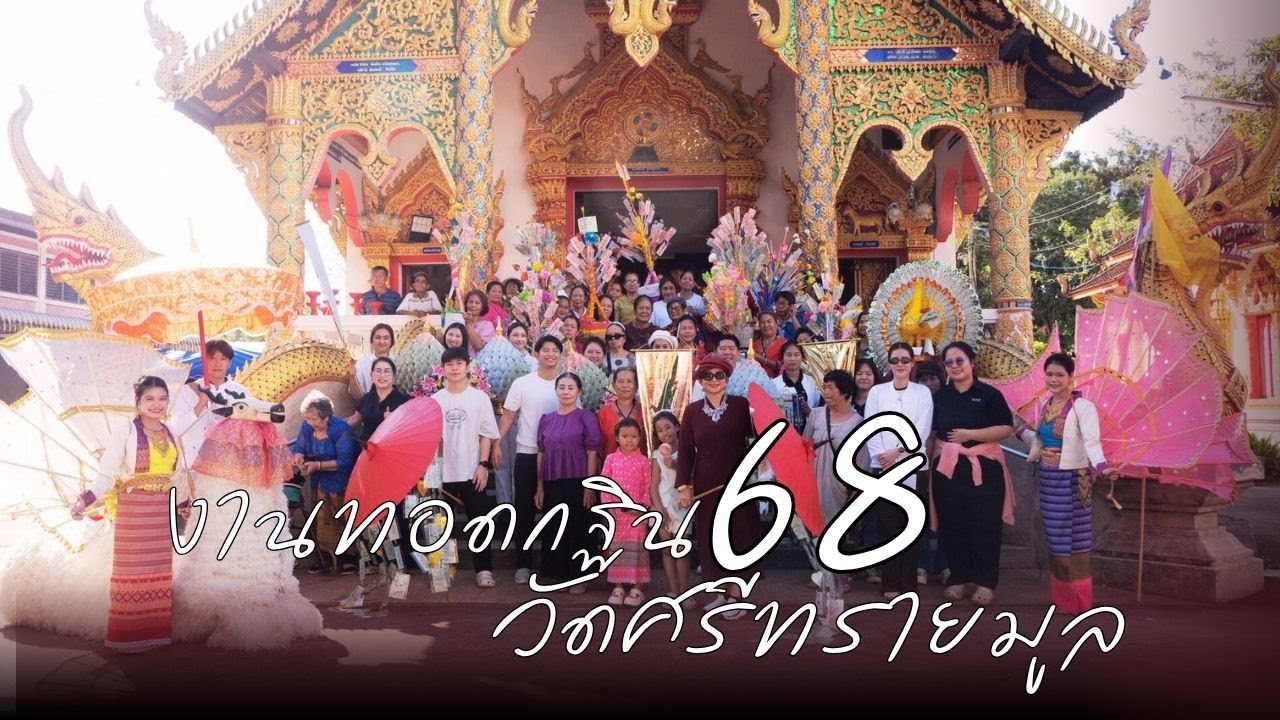
 Click to Access the Navigation Map GPS
Wat Si Sai Mun Map
Recommend

 Muang Chiang Mai(121)Chom Thong(47)Mae Chaem(25)Chiang Dao(33)Doi Saket(68)Mae Taeng(85)Mae Rim(69)Samoeng(29)Fang(71)Mae Ai(59)Phrao(70)San Pa Tong(103)San Kamphaeng(66)San Sai(73)Hang Dong(74)Hot(32)Doi Tao(22)Omkoi(11)Saraphi(74)Wiang Haeng(15)Chai Prakan(28)Mae Wang(32)Mae On(22)Doi Lo(34)Galyani Vadhana(1)


