
lovethailand home >North Travel Attractions >Chiang Mai Travel Attractions >Chom Thong >Ban Pae > Wat Sop Pae
TL;DR: Wat Sop Pae is located at Moo 1, Ban Sop Pae, Ban Pae Subdistrict, Chom Thong District, Chiang Mai Province, open Daily, hours 08.00 - 17.00.
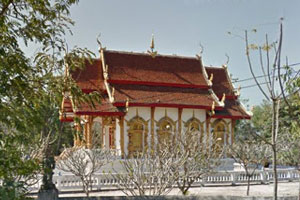
Wat Sop Pae
Open Days: Daily
Opening Hours: 08.00 - 17.00
Wat Sop Pae is located in Moo 1, Ban Sop Pae, Ban Pae Subdistrict, Chom Thong District, Chiang Mai Province. It is a community Buddhist temple under the Mahanikaya order and one of the important local religious sites in Ban Sop Pae. For travelers looking beyond Chiang Mai’s famous city temples, this temple offers a calm and grounded view of rural Lanna Buddhist life, village faith, and the cultural landscape of southern Chom Thong.
The temple is best understood as a living community temple rather than a commercial tourist attraction. Its value comes from its role in local life. Wat Sop Pae serves as a place for Buddhist ceremonies, merit-making, listening to sermons, and community gatherings. Visitors who are interested in cultural travel will find the temple meaningful because it shows how Buddhism continues to shape daily life in northern Thai villages.
Wat Sop Pae is located in Ban Pae Subdistrict, an area in the southern part of Chom Thong District. The surrounding landscape includes lowland agricultural areas, village settlements, the Ping River, the Mae Chaem River, and mountain zones connected with Doi Inthanon National Park and Op Luang National Park. This setting gives the temple a strong relationship with water, farming communities, and the wider mountain landscape of Chiang Mai.
The name “Sop Pae” reflects local geography. In northern Thai place names, the word “sop” often refers to an area near a river mouth, confluence, or water-related settlement. “Pae” is the local name connected with Ban Pae and nearby communities. The temple’s name therefore carries both geographical and cultural meaning. Wat Sop Pae is not only a religious site, but also part of the identity and memory of Ban Sop Pae.
Wat Sop Pae received official permission to be established as a temple in 1990 and was granted royal Wisungkhamsima in 2002. The granting of Wisungkhamsima is significant because it gives the temple a consecrated boundary for important monastic acts, including ordination and other Sangha ceremonies that require a proper sacred boundary according to Buddhist monastic discipline. This marks the temple’s development from a local religious space into a fully recognized Buddhist temple.
Phra Khanisorn Sujinno is listed in the core temple information as the abbot of Wat Sop Pae. In a village temple, the abbot plays an important role in maintaining the temple, caring for monastic life, leading Buddhist ceremonies, and working with villagers during merit-making events. Wat Sop Pae therefore remains closely connected with the spiritual and social life of Ban Sop Pae.
For travelers interested in local temples in Chiang Mai, Wat Sop Pae is a useful example of a rural northern Thai temple. It helps visitors understand that village temples are more than places for worship. They are community spaces where several generations meet through Buddhist ceremonies, merit-making, seasonal festivals, and shared responsibility for preserving the temple. Visiting this temple is therefore also a way to learn about the community around it.
The important areas of Wat Sop Pae include temple grounds for Buddhist ceremonies, the Wisungkhamsima boundary, and spaces used by the local community for merit-making. Public information about individual buildings inside the temple is limited, but its role as a community temple is clear. Visitors should focus on respectful observation, quiet behavior, and an understanding that this is a working religious space used by monks and villagers.
Traditions connected with village temples in Ban Pae and Lanna communities include regular Buddhist merit-making days, Kathin, robe-offering ceremonies, community festivals, and the northern Thai tradition known as Tan Kuai Salak or salak phat offering. During this tradition, villagers prepare offerings and present them to monks through a lottery-style allocation. The practice represents merit-making, dedication to ancestors, generosity, and community solidarity.
Visitors should dress modestly, speak quietly, and avoid entering monks’ private areas without permission. If a ceremony or community event is taking place, travelers should follow the guidance of local residents or temple caretakers. This is especially important at rural temples where temple grounds are used directly by the community rather than being managed primarily as a tourist facility.
Getting There is most convenient by private car. From Chiang Mai city, take Highway 108, the Chiang Mai–Hot route, toward Chom Thong District. From there, continue into Ban Pae Subdistrict and Ban Sop Pae. The main route through Ban Pae connects with Highway 108, while local village roads lead to the community. Travelers without private transport can take a Chiang Mai–Hot or Chiang Mai–Mae Hong Son route bus and then arrange local transport in the area. Planning ahead is recommended because the temple is not located on a high-frequency tourist transport route.
A visit to Wat Sop Pae can be combined with other cultural and natural attractions in Chom Thong and Ban Pae. Travelers interested in temples can continue to Wat Ban Pae, Wat Sop Chaem, Wat Sop Chaem Fang Sai, and Wat Phra That Si Chom Thong Worawihan. Those planning a wider nature route can continue toward Mae Klang Waterfall, Mae Ya Waterfall, Doi Inthanon National Park, and Khun Pae village areas. This makes the temple suitable for a slow cultural route that connects Buddhism, village life, river landscapes, and mountain scenery.
Wat Sop Pae is suitable for travelers who want to experience a quieter side of Chiang Mai. It is especially meaningful for those interested in local temples, community history, rural Buddhist culture, and less crowded travel routes in Chom Thong. The temple may not be a major landmark, but its value lies in its continuing role as a spiritual center for Ban Sop Pae and as part of the wider cultural network of temples in Ban Pae Subdistrict.
For practical travel planning, Wat Sop Pae is best visited as part of a community route rather than as a standalone major attraction. Morning and late afternoon are comfortable times to visit, and travelers should allow enough time for rural roads in Ban Pae. If continuing toward mountain areas or nature attractions, check the season and road conditions in advance, especially during the rainy season when travel time can increase.
In summary, Wat Sop Pae is a meaningful community temple in Ban Pae Subdistrict, Chom Thong District, Chiang Mai Province. It was officially established as a temple in 1990, received royal Wisungkhamsima in 2002, and continues to serve as a religious and cultural center for Ban Sop Pae. Its importance lies in faith, village identity, Buddhist practice, and the quieter cultural side of Chiang Mai.
| Name | Wat Sop Pae |
| Location | Moo 1, Ban Sop Pae, Ban Pae Subdistrict, Chom Thong District, Chiang Mai Province |
| Address | Moo 1, Ban Sop Pae, Ban Pae Subdistrict, Chom Thong District, Chiang Mai 50240, Thailand |
| Temple Type | Community Buddhist temple under the Mahanikaya order |
| History | Officially established as a temple in 1990 and granted royal Wisungkhamsima in 2002. |
| Abbot | Phra Khanisorn Sujinno |
| Highlights | A rural community temple that reflects local Buddhist faith, village identity, and the cultural life of Ban Sop Pae. |
| Distinctive Features | A local temple suitable for learning about Lanna Buddhist culture, village merit-making, and rural temple life in Chom Thong. |
| Name Origin | The name relates to Ban Sop Pae. “Sop” is associated with a river-mouth or water-related settlement, while “Pae” connects with the local Ban Pae community. |
| Main Areas | Temple grounds for Buddhist ceremonies, Wisungkhamsima boundary, and community merit-making areas. |
| Related Traditions | Regular Buddhist merit-making days, Kathin, robe-offering ceremonies, village ceremonies, and the northern Thai salak phat offering tradition. |
| Travel Information | From Chiang Mai city, take Highway 108 toward Chom Thong, then continue into Ban Pae Subdistrict and Ban Sop Pae. Private car is the most convenient option. |
| Current Status | The temple continues to appear in temple listings and local information sources for Ban Pae Subdistrict, Chom Thong District, Chiang Mai Province. |
| Open Days | Daily |
| Opening Hours | 08.00 - 17.00 |
| Nearby Tourist Attractions | 1. Wat Ban Pae, about 7 km 2. Wat Sop Chaem, about 10 km 3. Wat Sop Chaem Fang Sai, about 12 km 4. Wat Phra That Si Chom Thong Worawihan, about 30 km 5. Mae Klang Waterfall, about 38 km |
| Nearby Restaurants | 1. Ing Than Rim Nam Mae Chaem Restaurant, about 17 km, Tel. 093-1892839 2. Krua Fueang Fa, about 30 km, Tel. 053-341274, 086-1825031 3. Pa Oi Krua Rim Than, about 34 km, Tel. 053-286760 4. Ban Hom Doi Inthanon Restaurant, about 38 km, Tel. 053-361381 5. Khun Pae Coffee, about 28 km |
| Nearby Accommodations | 1. Ban Suk Jai, about 5 km 2. Khun Pae Mina Krathom Noi, about 24 km, Tel. 081-2318664 3. Khun Pae Krathom View Doi Bla-Ae-Jor, about 24 km, Tel. 065-9651299 4. Chom Thong Boutique House, about 30 km, Tel. 081-5829889 5. Smile Place Chom Thong, about 32 km, Tel. 065-7538313 |
Frequently Asked Questions (FAQ)
Q: Where is Wat Sop Pae located?
A: Wat Sop Pae is located in Moo 1, Ban Sop Pae, Ban Pae Subdistrict, Chom Thong District, Chiang Mai Province, Thailand.
Q: What are the opening days and hours of Wat Sop Pae?
A: Wat Sop Pae is open daily from 08.00 to 17.00.
Q: What type of temple is Wat Sop Pae?
A: It is a community Buddhist temple under the Mahanikaya order in Ban Pae Subdistrict, Chom Thong District.
Q: What is the historical importance of Wat Sop Pae?
A: Wat Sop Pae was officially established as a temple in 1990 and received royal Wisungkhamsima in 2002.
Q: Who is the abbot of Wat Sop Pae?
A: The abbot listed in the core temple information is Phra Khanisorn Sujinno.
Q: How can visitors get to Wat Sop Pae?
A: From Chiang Mai city, take Highway 108 toward Chom Thong, then continue to Ban Pae Subdistrict and Ban Sop Pae. A private car is the most convenient option.
Q: What kind of travelers should visit Wat Sop Pae?
A: It is suitable for travelers interested in rural temples, local Buddhist culture, Ban Pae community history, and quiet cultural routes in Chom Thong District.
Q: What nearby attractions can be combined with this visit?
A: Travelers can combine the visit with Wat Ban Pae, Wat Sop Chaem, Wat Sop Chaem Fang Sai, Wat Phra That Si Chom Thong Worawihan, Mae Klang Waterfall, and the Doi Inthanon route.
 Category: ●Places of Worship
 Group: ●Temple
Last Update : 2 WeekAgo
 Last Update : 2 WeekAgo
 Click to Access the Navigation Map GPS
 Muang Chiang Mai(121)Chom Thong(47)Mae Chaem(25)Chiang Dao(33)Doi Saket(68)Mae Taeng(85)Mae Rim(69)Samoeng(29)Fang(71)Mae Ai(59)Phrao(70)San Pa Tong(103)San Kamphaeng(66)San Sai(73)Hang Dong(73)Hot(32)Doi Tao(22)Omkoi(11)Saraphi(74)Wiang Haeng(15)Chai Prakan(28)Mae Wang(32)Mae On(22)Doi Lo(34)Galyani Vadhana(1)


