
lovethailand home >North Travel Attractions >Chiang Mai Travel Attractions >Muang Chiang Mai >Nong Pa Khrang > Wat Nong Pa Khrang
TL;DR: Wat Nong Pa Khrang is located at Nong Pa Khrang Subdistrict, Mueang Chiang Mai District, Chiang Mai Province, open Daily, hours 06.00 – 18.00.

Wat Nong Pa Khrang
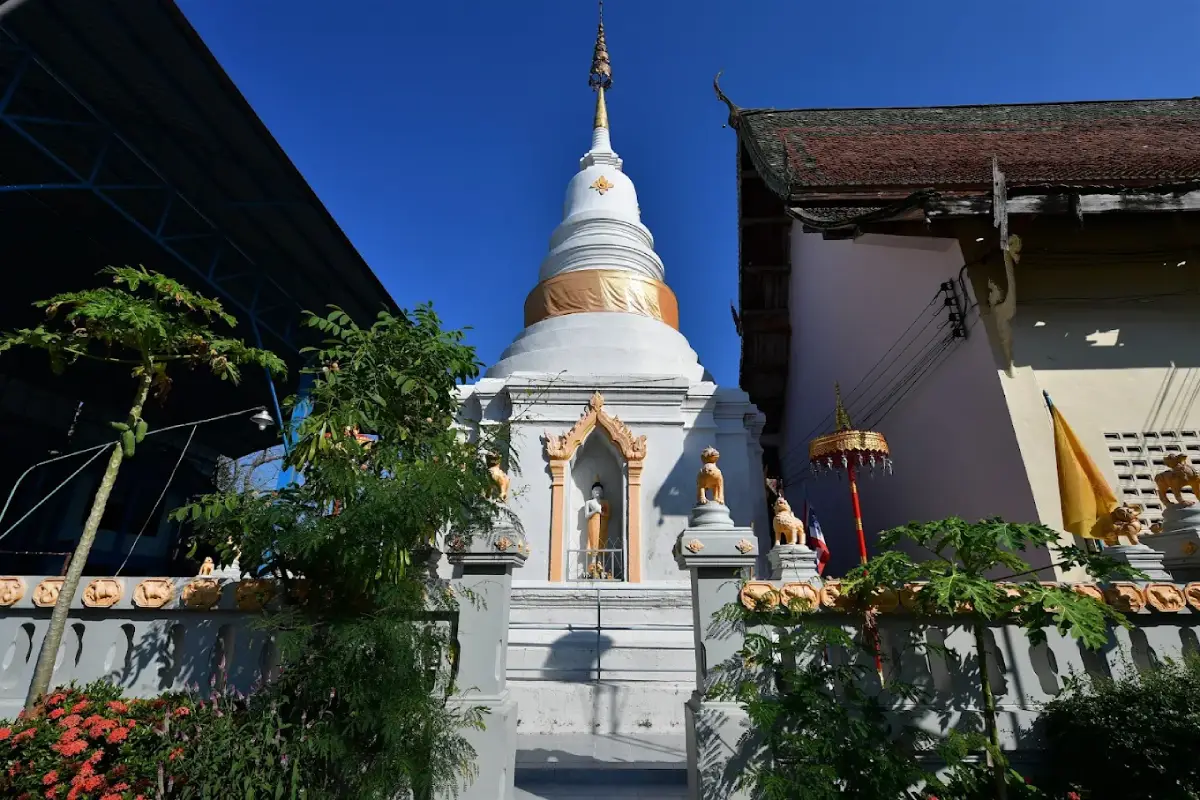
Open Days: Daily
Opening Hours: 06.00 – 18.00
Wat Nong Pa Khrang is an old local Buddhist temple in Nong Pa Khrang Subdistrict, Mueang Chiang Mai District, Chiang Mai Province. Located on the eastern side of Chiang Mai, near the old Chiang Mai-San Kamphaeng route, Chiang Mai Railway Station, Bangkok Hospital Chiang Mai, and the surrounding Nong Pa Khrang community, the temple is more than a place for worship. It preserves local stories about the community’s name, an old chedi, the memorial stupa of Kruba Srivichai, the annual chedi bathing tradition, and the continuing relationship between the temple and local residents.
Wat Nong Pa Khrang is suitable for travelers who want to explore a quieter and more community-based side of Chiang Mai temple culture. Its main appeal is not large-scale tourism, but cultural depth. The temple has a long history dating back to around 1852. It has an old chedi that was restored after being overgrown by vines, trees, and grass, an annual chedi bathing ceremony held on the full moon day of the ninth northern lunar month, and a memorial stupa containing relics associated with Kruba Srivichai, one of the most revered monks in Lanna history.
The temple covers 4 rai and 83 square wah. It is located at 18 Wat Nong Pa Khrang Road, Nong Pa Khrang Subdistrict, Mueang Chiang Mai District, Chiang Mai 50000, Thailand. Although the temple grounds are smaller than major temples inside Chiang Mai’s old city or on Doi Suthep, Wat Nong Pa Khrang is important as an active community temple. Its main areas include the chedi, viharn, Kruba Srivichai memorial stupa, monks’ residences, sermon hall, bell tower, dining hall, and a school building, showing how the temple supports religion, education, and community life at the same time.
The history of Wat Nong Pa Khrang records that the temple was founded around 1852, based on local accounts and village memory. Before major restoration, the temple had become worn down. The original chedi was about 4-5 meters high and was surrounded by vines, trees, and grass. The early viharn was simple, with a thatched roof and bamboo flooring. This image of the old temple shows Wat Nong Pa Khrang as a modest community monastery built and sustained by local faith rather than a grand monument created all at once.
Later, villagers invited Phra Panya from Wat San Pa Khoi to restore the temple. Phra Panya became an important figure in the revival of Wat Nong Pa Khrang. Under his guidance, the old chedi was renovated and rebuilt to a width of 8 meters and a height of 9.50 meters. The viharn was also restored so that the temple could again serve the religious needs of the community. This restoration brought the temple back as a center of local Buddhist faith.
After the restoration of the chedi and viharn, the temple established its annual merit-making and chedi bathing ceremony on the full moon day of the ninth northern lunar month. This tradition remains one of the most important cultural elements of Wat Nong Pa Khrang. Local residents gather to make merit, pay respect to the chedi, offer religious items, and renew their connection with the temple. The ceremony is not only a ritual act; it is a way for the community to preserve its shared memory and pass local Buddhist culture from one generation to the next.
During the time of Phra Athikan Inson Sorato, together with Phakhao Duang Taram and local devotees, relics associated with Kruba Srivichai were brought from Wat Suan Dok and enshrined at Wat Nong Pa Khrang. Kruba Srivichai is a deeply respected Lanna monk known for his role in restoring temples and strengthening Buddhism in northern Thailand. The presence of his memorial stupa gives Wat Nong Pa Khrang an additional layer of religious significance and connects the temple with the wider network of Kruba Srivichai devotion in Chiang Mai.
Originally, the temple grounds inside the old boundary wall covered only a little more than 2 rai. As the city expanded and the community grew, the temple needed more space for ceremonies and community functions. During the time of Phra Athikan Buntha Sorijanuto, also known as Sriphimchai, the temple expanded eastward, westward, and northward. New and restored structures included the viharn, sermon hall, kitchen, monks’ residences, bell tower, and a public school building. These improvements allowed Wat Nong Pa Khrang to serve the growing community more fully.
Phra Khru Suphatthanakit Sophon, or Suthit Kulavaddhano Kasetphrom, appears in temple history as one of the important abbots connected with the later development of Wat Nong Pa Khrang. Recent temple activity information lists Phra Khru Palat Anon as the abbot. This continuity of monastic leadership shows that Wat Nong Pa Khrang has continued to function through several generations of monks and lay supporters.
The name “Wat Nong Pa Khrang” comes from the natural environment of the area. “Nong” refers to a pond or wetland, while “Pa Khrang” relates to a forested area with flame-of-the-forest trees and lac insects. The name is therefore a record of the old landscape before urban growth transformed Nong Pa Khrang into a modern district. It tells visitors that this part of Chiang Mai once included ponds, trees, local resources, and village ecology connected with everyday life.
The Thailand Cultural Encyclopedia also preserves stories about nearby ponds and the landscape around the temple. One account refers to a pond southeast of the temple and another large pond to the south associated with the name Nong Prathip. On Buddhist holy days, lights seen from Doi Suthep were said to sparkle like lamps. These stories show how landscape, light, temples, and belief were woven into the spiritual geography of Lanna communities.
Wat Nong Pa Khrang has also been associated with older names such as Wat Nong Than and Wat Si Don Chai. Local stories mention that people once searched for Wat Nong Than because of beliefs about hidden treasures and old clues. To reduce confusion and disturbance, the temple name was changed to Wat Si Don Chai before later becoming known as Wat Nong Pa Khrang. These older names add depth to the temple’s history and show how place names can preserve local memory, belief, and social change.
One distinctive feature at Wat Nong Pa Khrang is the “Sing Khai Nang” sculpture and story at the temple entrance. This local moral tale is connected with narrative traditions and Buddhist teaching. The sculpture is not merely decoration; it invites visitors to notice the temple’s storytelling role and to understand how Lanna temples often preserve ethical lessons through images, local legends, and visual symbols.
The chedi is the most important historical and devotional point inside Wat Nong Pa Khrang. Restored from an older structure, it has served as the spiritual center of the temple for generations. Visitors can pay respect here and reflect on the efforts of monks and local residents who helped revive the temple. In a Lanna community temple, a chedi is not only an architectural feature. It is a focus of merit, memory, and religious continuity.
The viharn is the main worship and assembly space. It is used for paying respect to the Buddha image, making merit, listening to Dhamma, and participating in community ceremonies. The earlier viharn was once a simple structure with a thatched roof and bamboo floor, but it was later restored to meet the needs of the temple community. Visitors should remove their shoes before entering, dress modestly, and behave quietly inside the sacred space.
The memorial stupa of Kruba Srivichai is another important place for devotees. Kruba Srivichai is one of the most important religious figures in northern Thailand and is remembered for faith, discipline, temple restoration, and the strengthening of Lanna Buddhism. The presence of his memorial at Wat Nong Pa Khrang connects this local temple with a larger Chiang Mai devotional landscape that includes Wat Suan Dok, the Doi Suthep route, and many community temples that continue to honor him.
Wat Nong Pa Khrang remains closely connected with the local community. Nong Pa Khrang is known for a range of cultural knowledge and community practices, including traditional Thai massage, herbal compresses, northern music, handicrafts, local crafts, banana-leaf work, bai sri ceremonial arrangements, local food knowledge, and community rituals. The temple supports this local life by serving as a place for religious gatherings, Buddhist holy day activities, village merit-making, Lent-related ceremonies, Songkran or Pi Mai Mueang activities, and community events.
Pi Mai Mueang, the northern Thai Songkran tradition, is an important period for community temples in Chiang Mai. Local residents visit temples to make merit, listen to Dhamma, bathe Buddha images, carry sand into the temple compound, and reconnect with family and community. At Wat Nong Pa Khrang, these practices help preserve Lanna cultural rhythm within a changing urban environment. Even as the city grows, the temple continues to bring people together through faith and gratitude.
Buddhist Lent and candle-offering activities also show the relationship between the temple, schools, and residents. Children, students, and local people learn the meaning of merit-making, offering necessary items to monks, and respecting the monastic rains retreat. This makes Wat Nong Pa Khrang a real learning space for ethics and culture, not only a site for short visits.
Because of its location in Nong Pa Khrang, the temple can be included in an eastern Chiang Mai route. Travelers can visit Wat Nong Pa Khrang, then continue to Wat Buak Krok Noi, Wat Buak Krok Luang, Wat San Pa Khoi, Chiang Mai Railway Station, Khum Khantoke, or Central Chiang Mai. This route is suitable for travelers who want to see Chiang Mai beyond the old city, with community temples, local food, hotels, markets, and public spaces in the same area.
Getting There is convenient from several parts of Chiang Mai. From the old city, Night Bazaar, or Wat Ket area, travelers can take Kaew Nawarat Road or Charoen Mueang Road toward Chiang Mai Railway Station, then continue to Wat Nong Pa Khrang Road or the old Chiang Mai-San Kamphaeng route. The temple is located near Chiang Mai Railway Station and Bangkok Hospital Chiang Mai. Visitors can travel by private car, motorcycle, local taxi, songthaew, or ride-hailing service. For navigation, use Wat Nong Pa Khrang or the coordinates 18.7891450, 99.0226010.
Travelers arriving by train can get off at Chiang Mai Railway Station and continue by local transport for a short distance. The temple is practical for visitors staying around Wat Ket, Night Bazaar, Charoen Mueang, or Nong Pa Khrang because it avoids a long detour into the old city. A half-day route can begin at Chiang Mai Railway Station, continue to Wat Nong Pa Khrang for the chedi and Kruba Srivichai memorial, then move on to Khum Khantoke or Wat Buak Krok Luang.
The best times to visit are in the morning and late afternoon. Morning is suitable for merit-making and quiet worship, while late afternoon is suitable for a short cultural stop after visiting nearby areas. Visitors should allow enough time before 18.00 to pay respect, see the chedi, and walk through the important temple areas without rushing. Those planning to join the chedi bathing ceremony should check the northern lunar calendar for the full moon day of the ninth northern month and allow more travel time because the temple is busier during annual events.
Visitors should dress modestly, speak quietly, remove shoes before entering religious buildings, avoid entering monks’ private areas without permission, and avoid blocking local roads when parking. Photography should be done respectfully, especially around the chedi, viharn, Kruba Srivichai memorial, and worship areas. Wat Nong Pa Khrang is an active community temple, so respectful behavior helps visitors and residents share the space properly.
For travelers interested in local history, Wat Nong Pa Khrang is a strong example of a temple that reflects Chiang Mai’s shift from a semi-rural landscape to a modern urban community. The area once included ponds, trees, lac-producing forest, and village paths. Later, roads, schools, markets, hospitals, and commercial areas developed around it. Through these changes, the temple remained a cultural anchor. Its name, chedi, Kruba Srivichai memorial, and annual traditions continue to connect the past with the present.
Overall, Wat Nong Pa Khrang is valuable as a local Buddhist temple, an old community site, a temple with a restored chedi, a place associated with Kruba Srivichai devotion, and a living center for annual Lanna traditions. Travelers who want a deeper understanding of Chiang Mai should include this temple in their route. It shows that Chiang Mai’s character is not found only in famous temples and mountain landmarks, but also in community temples that preserve stories of people, water, forests, faith, and local memory.
| Name | Wat Nong Pa Khrang |
| Location | Nong Pa Khrang Subdistrict, Mueang Chiang Mai District, Chiang Mai Province |
| Address | 18 Wat Nong Pa Khrang Road, Nong Pa Khrang Subdistrict, Mueang Chiang Mai District, Chiang Mai 50000, Thailand |
| Coordinates | 18.7891450, 99.0226010 |
| Temple Type | Local Buddhist temple under the Maha Nikaya order |
| Highlights | Old community temple with a restored chedi, Kruba Srivichai memorial stupa, annual chedi bathing ceremony, and the Sing Khai Nang story at the entrance |
| History | Founded around 1852 according to local temple history. Phra Panya from Wat San Pa Khoi later restored the old chedi and viharn. |
| Temple Area | 4 rai and 83 square wah |
| Name Origin | The name refers to local ponds and an old forest area with flame-of-the-forest trees and lac insects, preserving the environmental memory of Nong Pa Khrang. |
| Distinctive Features | Restored chedi, community viharn, Kruba Srivichai memorial stupa, Sing Khai Nang sculpture, and the temple’s continuing role in local Buddhist traditions |
| Main Areas / Zones | Wat Nong Pa Khrang Chedi Viharn Kruba Srivichai Memorial Stupa Monks’ Residences Sermon Hall Bell Tower Dining Hall Primary School Building Temple Gate and Sing Khai Nang Sculpture |
| Traditions / Main Activities | Chedi bathing ceremony and Kruba Srivichai memorial worship on the full moon day of the ninth northern lunar month, Pi Mai Mueang, Buddhist Lent, candle-offering activities, and Nong Pa Khrang community events |
| Travel Information | From central Chiang Mai, use Kaew Nawarat Road, Charoen Mueang Road, or the old Chiang Mai-San Kamphaeng road toward Nong Pa Khrang. Set the destination as Wat Nong Pa Khrang or use coordinates 18.7891450, 99.0226010. Access is possible by private car, motorcycle, songthaew, taxi, or ride-hailing service. |
| Current Status | Open as an active local Buddhist temple in Nong Pa Khrang and still used for Buddhist ceremonies, merit-making, annual traditions, and community activities |
| Open Days | Daily |
| Opening Hours | 06.00 – 18.00 |
| Abbot / Caretaker | Phra Khru Palat Anon |
| Main Contact Number | 053-245-012 |
| Nearby Tourist Attractions | 1. Chiang Mai Railway Station, about 1 km 2. Attaqwa Mosque or San Pa Koi Mosque, about 2 km 3. Wat San Pa Khoi, about 2 km 4. Wat Buak Krok Luang, about 2 km 5. Khum Khantoke, about 3 km 6. Central Chiang Mai, about 3 km |
| Nearby Restaurants | 1. Moo Ping Na Wat Traditional Recipe, about 0.1 km, Tel. 094-650-4455, 088-269-5615 2. Tam Sang Ban Nu Dee Im Aroi, about 1 km, Tel. 081-918-6917 3. Khao Tom 1 Baht Klang Wiang Je Yaow Nong Pa Khrang, about 1 km, Tel. 095-628-7456, 081-111-5033 4. THE PAN Fried Rice and Fried Pork Nong Pa Khrang, about 1 km, Tel. 080-630-3630 5. Samut Sakhon Yentafo Nong Pa Khrang, about 1 km, Tel. 086-911-4047 6. Coffee & Matcha R4, about 1 km, Tel. 096-995-9839 |
| Nearby Accommodations | 1. Hermes Inn, about 1 km, Tel. 082-333-3321 2. House and Home Residence, about 1 km 3. Brique Hotel Chiang Mai, about 2 km, Tel. 052-012-555 4. Mango Tree Resort, about 3 km, Tel. 093-776-6872 5. Khum Phaya Resort & Spa Boutique Collection, about 3 km, Tel. 053-415-555 6. Choktawee Smile, about 2 km |
Frequently Asked Questions (FAQ)
Q: Where is Wat Nong Pa Khrang located?
A: Wat Nong Pa Khrang is located at 18 Wat Nong Pa Khrang Road, Nong Pa Khrang Subdistrict, Mueang Chiang Mai District, Chiang Mai 50000, near Chiang Mai Railway Station and Bangkok Hospital Chiang Mai.
Q: What are the opening hours of Wat Nong Pa Khrang?
A: Wat Nong Pa Khrang is open daily from 06.00 to 18.00.
Q: What is important about the history of Wat Nong Pa Khrang?
A: The temple was founded around 1852. Its old chedi was later restored by Phra Panya from Wat San Pa Khoi after the original structure had become overgrown and worn down.
Q: What important sacred places can visitors see at Wat Nong Pa Khrang?
A: Important places include the chedi, viharn, Kruba Srivichai memorial stupa, and the Sing Khai Nang sculpture at the temple entrance.
Q: When is the main annual tradition at Wat Nong Pa Khrang?
A: The main annual tradition is the chedi bathing ceremony and Kruba Srivichai memorial worship, held on the full moon day of the ninth northern lunar month.
Q: What does the name Wat Nong Pa Khrang mean?
A: The name refers to local ponds and an old forest area with flame-of-the-forest trees and lac insects, preserving the memory of the area’s former natural landscape.
Q: How can travelers get to Wat Nong Pa Khrang?
A: Travelers can use Kaew Nawarat Road, Charoen Mueang Road, or the old Chiang Mai-San Kamphaeng road toward Nong Pa Khrang, then set the destination as Wat Nong Pa Khrang or use coordinates 18.7891450, 99.0226010.
Q: What nearby places can be visited with Wat Nong Pa Khrang?
A: Nearby places include Chiang Mai Railway Station, Attaqwa Mosque, Wat San Pa Khoi, Wat Buak Krok Luang, Khum Khantoke, and Central Chiang Mai.
 Category: ●Places of Worship
 Group: ●Temple
Last Update : 2 WeekAgo
 Last Update : 2 WeekAgo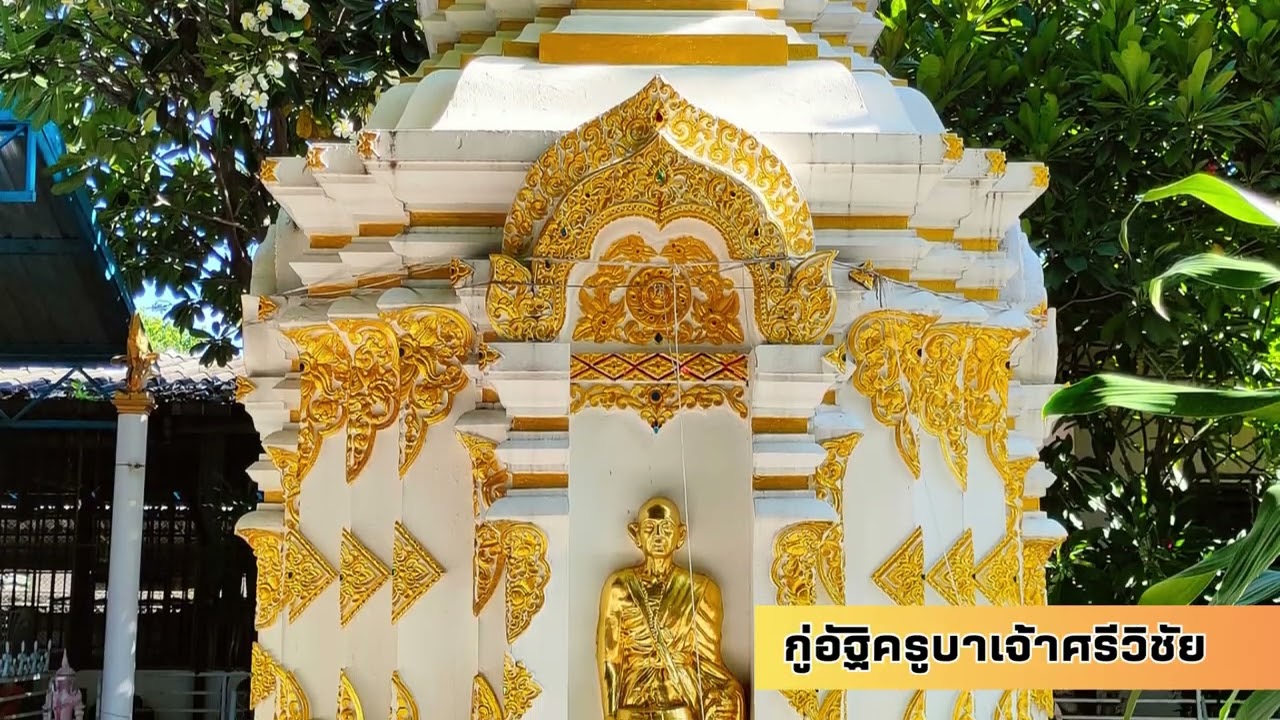
 Click to Access the Navigation Map GPS
Wat Nong Pa Khrang Map
Recommend

 Muang Chiang Mai(121)Chom Thong(47)Mae Chaem(25)Chiang Dao(33)Doi Saket(68)Mae Taeng(85)Mae Rim(69)Samoeng(29)Fang(71)Mae Ai(59)Phrao(70)San Pa Tong(103)San Kamphaeng(66)San Sai(73)Hang Dong(73)Hot(32)Doi Tao(22)Omkoi(11)Saraphi(74)Wiang Haeng(15)Chai Prakan(28)Mae Wang(32)Mae On(22)Doi Lo(34)Galyani Vadhana(1)


