
lovethailand home >North Travel Attractions >Chiang Mai Travel Attractions >Muang Chiang Mai >Suthep > Wat Sri Soda
TL;DR: Wat Sri Soda is located at Huai Kaew Waterfall area, Suthep Subdistrict, Mueang Chiang Mai District, Chiang Mai Province, open Daily, hours 07.00 – 17.00.
Wat Sri Soda
Open Days: Daily
Opening Hours: 07.00 – 17.00
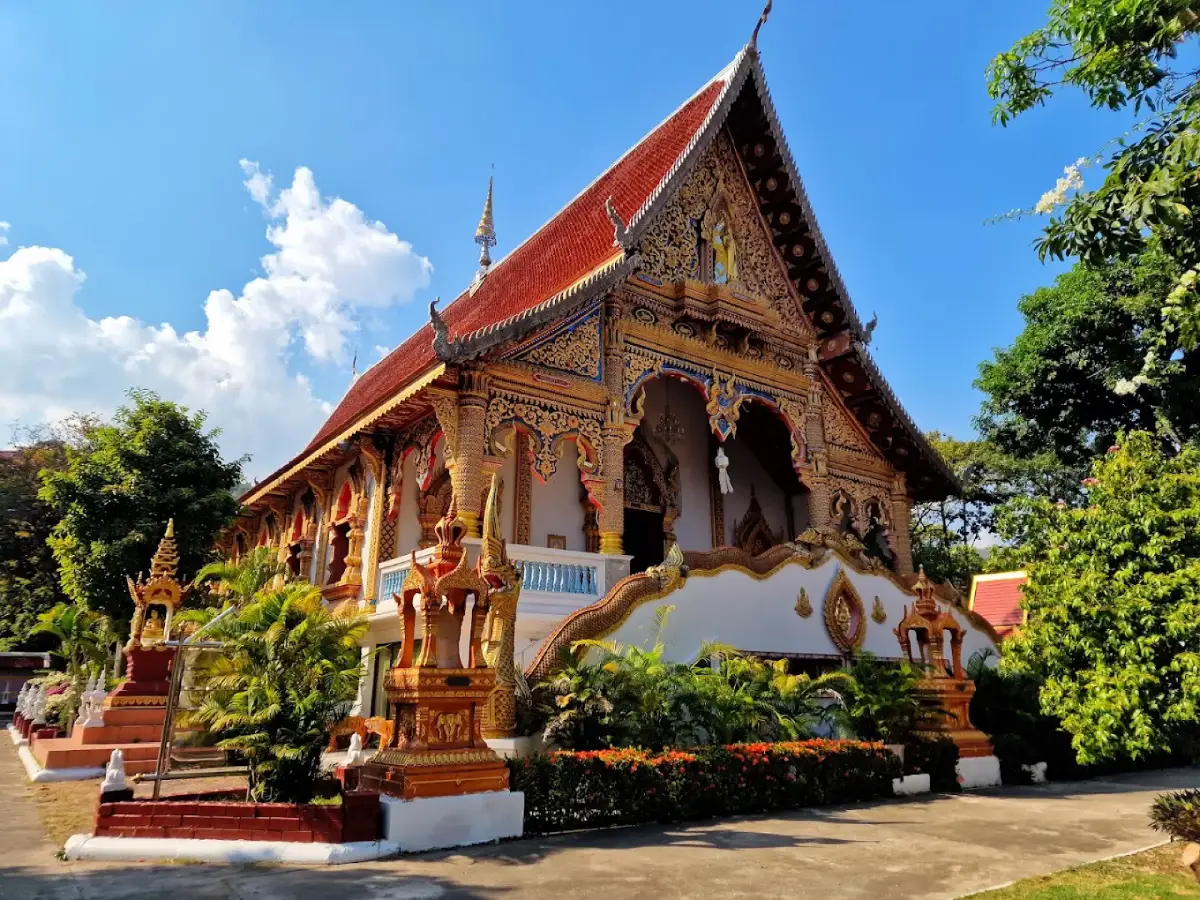
Wat Sri Soda Royal Monastery is an important Buddhist temple on Siwichai Road, the main route leading up to Doi Suthep in Chiang Mai. Located in the Huai Kaew Waterfall area of Suthep Subdistrict, Mueang Chiang Mai District, the temple sits close to the Kruba Srivichai Monument, Huai Kaew Waterfall, and Chiang Mai Zoo. Its importance goes beyond architecture and worship. Wat Sri Soda is closely connected with Kruba Srivichai, the revered Lanna monk whose faith and leadership helped mobilize the construction of the road to Wat Phra That Doi Suthep, one of Chiang Mai’s most sacred landmarks.
For travelers interested in Chiang Mai’s temples, Lanna culture, Buddhist education, and the history of Doi Suthep, Wat Sri Soda is a meaningful stop before heading farther up the mountain. The temple offers a calm setting for paying respect, learning about Kruba Srivichai, and understanding the role of Buddhist missionary work among highland communities in northern Thailand. Inside the temple grounds are the Kruba Srivichai Viharn, important Buddha images, a naga stairway, religious activity halls, monastic education areas, and spaces connected with the regional Phra Dhammacharik program.
Wat Sri Soda was formerly a local Buddhist temple under the Maha Nikaya order and was later elevated to the status of a third-class royal monastery of the common type. Its origin is closely tied to the construction of the Doi Suthep road in 1934. During that period, Kruba Srivichai and many devotees from Chiang Mai and other parts of northern Thailand worked together to open a road up the mountain to the sacred relic temple. Wat Sri Soda therefore stands not merely beside the road, but within the history of the road itself. It represents the collective faith, labor, and cultural identity of Lanna people.
The temple was originally known as Wat Sotaban, a name associated with the first stage of Buddhist spiritual attainment. Kruba Srivichai also named related temples along the Doi Suthep route after the four stages of noble disciples in Buddhism: Sotaban, Sakadagami, Anagami, and Arahant. In this way, the route was not only a physical road to the mountain but also a symbolic path of spiritual progress. Wat Sotaban later became Wat Sri Soda, with “Sri” understood as a respectful remembrance of Kruba Srivichai, the monk who founded the temple and remains deeply revered across northern Thailand.
The location of Wat Sri Soda makes it especially convenient for visitors. From central Chiang Mai, travelers can follow Huai Kaew Road toward Chiang Mai University, Chiang Mai Zoo, and the foot of Doi Suthep. Once they reach the Kruba Srivichai Monument, the temple is located just behind and beside the monument area. This makes Wat Sri Soda an easy cultural stop before continuing to Wat Pha Lat, Wat Phra That Doi Suthep, Bhubing Palace, Doi Pui Hmong Village, or other attractions on the mountain route.
The atmosphere at Wat Sri Soda is quieter than many of Chiang Mai’s more heavily visited temples. The temple grounds feel shaded, modest, and spiritually grounded, with daily activity from monks, novices, lay visitors, and local devotees. This calm environment allows visitors to experience a different side of Chiang Mai: not only a city of famous landmarks, but also a place where Buddhist learning, local history, and mountain communities are connected through living institutions.
One of the key areas inside the temple is the Kruba Srivichai Viharn. The original viharn was built during Kruba Srivichai’s time in 1934 and completed in 1935. After the original structure aged, it was later rebuilt as a two-storey reinforced-concrete viharn in Lanna architectural style between 1992 and 1996. The present viharn preserves the memory of the earlier temple while continuing to serve religious and educational functions for the monastery today.
Inside the temple, visitors can pay respect to important Buddha images, especially Luang Pho Bai Pho, which is associated with the work of Kruba Srivichai and his disciples. The main worship spaces feature Lanna decorative elements, a devotional atmosphere, and traditional Buddhist details. Visitors should enter these areas respectfully, dress modestly, remove shoes where required, keep voices low, and avoid disruptive photography inside sacred spaces.
Wat Sri Soda is also important as a center of Buddhist education and missionary work. The temple is connected with the regional Phra Dhammacharik program, which supports the propagation of Buddhism and the improvement of quality of life among highland communities. Many monks and novices from ethnic highland groups study and reside here. Their education includes Buddhist studies, Pali, monastic training, and higher-level studies linked with Buddhist institutions. This makes Wat Sri Soda more than a sightseeing temple; it is a living educational center for Buddhist heirs from northern highland communities.
The Phra Dhammacharik mission gives Wat Sri Soda a distinctive identity. Monks and novices trained through this network help bring Buddhist teachings, education, and social support to remote communities. As a result, the monastery connects urban Chiang Mai with highland villages and diverse ethnic cultures across the North. For travelers who want to understand the cultural depth of Chiang Mai, this role is one of the most important reasons to visit Wat Sri Soda.
In the early morning, monks and novices from Wat Sri Soda traditionally go out for alms along the area from the naga stairway near the temple toward Huai Kaew Road and Chiang Mai Zoo. This daily rhythm forms part of the local religious life at the foot of Doi Suthep. Visitors who wish to offer alms should prepare appropriate food, drinking water, or essential items, remain respectful, avoid blocking the walking route, and refrain from taking intrusive close-up photographs.
For those interested in Kruba Srivichai, Wat Sri Soda should be visited together with the Kruba Srivichai Monument. The monument is a major place of worship before going up Doi Suthep, while Wat Sri Soda reflects Kruba Srivichai’s legacy through temple building, Buddhist education, and community service. With limited time, travelers can combine the monument, Wat Sri Soda, Huai Kaew Waterfall, Wat Pha Lat, and Wat Phra That Doi Suthep in a half-day route.
The temple’s Lanna-style architecture also rewards slower observation. The viharn roofline, decorative gables, naga stairway, ornate columns, and shaded temple paths create a northern Thai temple setting that feels intimate rather than crowded. Wat Sri Soda is not a large tourist complex, but its architectural details, hillside setting, and religious purpose make it a valuable cultural stop for travelers who prefer meaningful places over rushed sightseeing.
Because Wat Sri Soda is both a sacred site and a monastic education area, visitors should be especially mindful of etiquette. Modest clothing is expected, and shoulders and knees should be covered when entering worship areas. Shoes should be removed before entering temple buildings. Visitors should speak quietly, avoid climbing on religious structures, and keep a respectful distance from monks and novices unless interaction is appropriate. These simple practices help preserve the dignity of the monastery and make the visit more meaningful.
For families, Wat Sri Soda is a useful place to introduce children and young travelers to Chiang Mai’s local history. The temple connects several important subjects in one place: Kruba Srivichai, the Doi Suthep road, Lanna Buddhist culture, monastic education, and highland communities. Adults can also appreciate the temple as a quieter alternative to the busier pilgrimage sites on the mountain, especially when they want a deeper understanding of Chiang Mai beyond postcard landmarks.
The best time to visit Wat Sri Soda is in the morning or late afternoon. Morning offers cooler air, softer light, and a calmer atmosphere for making merit and beginning a Doi Suthep route. Late afternoon is suitable for travelers returning from the mountain or exploring the Huai Kaew area. Visitors should allow enough time before closing to pay respect, walk around the viharn area, and observe the main temple spaces without rushing.
Getting There is straightforward. From central Chiang Mai, take Huai Kaew Road toward Chiang Mai University, Chiang Mai Zoo, and the foot of Doi Suthep. After passing Chiang Mai Zoo, continue to the Kruba Srivichai Monument. Wat Sri Soda is located just behind and near the monument area. Travelers can reach the temple by private car, motorcycle, rental vehicle, red songthaew, or ride-hailing service. Those using red songthaews can ask to be dropped off at the Kruba Srivichai Monument or the Doi Suthep road entrance, then walk a short distance to the temple.
Wat Sri Soda is also easy to include in a half-day or full-day Chiang Mai itinerary. A half-day route may include the Kruba Srivichai Monument, Wat Sri Soda, Huai Kaew Waterfall, Wat Pha Lat, and Wat Phra That Doi Suthep. A full-day route can continue to Bhubing Palace, Doi Pui Hmong Village, or Khun Chang Khian during the wild Himalayan cherry blossom season. This route combines devotion, nature, mountain scenery, and local culture in one continuous journey.
Photography is suitable around the exterior viharn, the naga stairway, the temple gate, and the shaded courtyard, but visitors should take photos with restraint. Flash photography should be avoided inside religious buildings, and monks or novices should not be photographed at close range without permission. Wat Sri Soda is still an active monastery, and respectful behavior allows both travelers and local worshippers to share the space comfortably.
Compared with Wat Phra That Doi Suthep, which is Chiang Mai’s best-known mountain landmark, Wat Sri Soda offers a quieter and more contextual experience. Visitors do not come here mainly for a city viewpoint; they come to understand the beginning of the Doi Suthep faith route, the legacy of Kruba Srivichai, and the continuing role of Buddhist education for highland communities. For this reason, Wat Sri Soda is a valuable stop for travelers who want a fuller and more thoughtful Chiang Mai temple itinerary.
Wat Sri Soda Royal Monastery should be included in any Chiang Mai cultural route focused on northern temples, Kruba Srivichai, Lanna history, and the Doi Suthep road. Its strength lies in the way it brings several layers together: a royal monastery, a temple founded through Kruba Srivichai’s legacy, a symbolic link to Buddhist spiritual attainment, a regional Phra Dhammacharik center, and a living monastic education site. Visiting Wat Sri Soda before going up Doi Suthep gives the mountain journey greater meaning and helps travelers see how faith, education, community, and history meet at the foot of Chiang Mai’s sacred mountain.
| Name | Wat Sri Soda Royal Monastery |
| Location | Huai Kaew Waterfall area, Suthep Subdistrict, Mueang Chiang Mai District, Chiang Mai Province |
| Address | 17 Siwichai Road, Suthep Subdistrict, Mueang Chiang Mai District, Chiang Mai 50200, Thailand |
| Coordinates | At the foot of Doi Suthep, near the Kruba Srivichai Monument and Chiang Mai Zoo |
| Highlights | Royal monastery on the Doi Suthep route, associated with Kruba Srivichai and the regional Phra Dhammacharik program |
| History | Founded during the construction of the Doi Suthep road in 1934 and closely linked to Kruba Srivichai’s religious legacy |
| Name Origin | Originally named Wat Sotaban, connected with the four stages of noble disciples in Buddhism; later renamed Wat Sri Soda in remembrance of Kruba Srivichai |
| Distinctive Features | Lanna-style viharn, naga stairway, important Buddha images, peaceful hillside setting, and monastic education for highland monks and novices |
| Main Areas / Zones | Kruba Srivichai Viharn Second-floor ubosot and Luang Pho Bai Pho Naga stairway Bencha Sattayu Sriwichai Nuson Hall Regional Phra Dhammacharik office area Somdet Phra Phutthachinawong School |
| Facilities | Parking inside the temple, worship areas, religious halls, and activity spaces |
| Travel Information | From central Chiang Mai, take Huai Kaew Road toward Chiang Mai Zoo and the foot of Doi Suthep. The temple is located near and behind the Kruba Srivichai Monument. Access is possible by private car, motorcycle, red songthaew, rental vehicle, or ride-hailing service. |
| Current Status | Open as a royal Buddhist monastery and regional Phra Dhammacharik center, with ongoing religious ceremonies, ordination activities, and Buddhist education work |
| Open Days | Daily |
| Opening Hours | 07.00 – 17.00 |
| Abbot / Caretaker | Phra Dhammavajirakosol (Sangwan Phromwanano), Abbot of Wat Sri Soda Royal Monastery |
| Main Contact Number | 053-221-301 |
| Official Website / Official Page | Official Facebook page: Wat Sri Soda Royal Monastery |
| Nearby Tourist Attractions | 1. Kruba Srivichai Monument, about 0.2 km 2. Huai Kaew Waterfall, about 0.5 km 3. Chiang Mai Zoo, about 1 km 4. Monthathan Waterfall, about 5 km 5. Wat Pha Lat, about 5 km 6. Wat Phra That Doi Suthep, about 12 km |
| Nearby Restaurants | 1. Huen Huay Kaew Restaurant, about 0.4 km, Tel. 093-134-9429 2. Kalae Restaurant, about 3 km, Tel. 053-328-455, 080-497-7979 3. Khao Soi Mae Sai, about 4 km, Tel. 053-213-284 4. Tong Tem Toh, Nimmanhaemin Soi 13, about 4 km 5. Kai Yang Cherng Doi, about 4 km, Tel. 081-881-1407, 084-040-6464 |
| Nearby Accommodations | 1. Merchant Villa, about 1 km, Tel. 097-924-2888 2. Chiangmai Hill Hotel, about 2 km, Tel. 053-218-960-3 3. ibis Chiang Mai Nimman Journeyhub, about 2 km, Tel. 052-004-700 4. SYN Boutique Hotel, about 2 km, Tel. 053-215-215 5. B2 Mountain Pano Residence Chiang Mai, about 3 km, Tel. 1328, 052-009-161 |
Frequently Asked Questions (FAQ)
Q: Where is Wat Sri Soda located?
A: Wat Sri Soda is located on Siwichai Road in Suthep Subdistrict, Mueang Chiang Mai District, near the Kruba Srivichai Monument, Huai Kaew Waterfall, and Chiang Mai Zoo.
Q: What are the opening hours of Wat Sri Soda?
A: Wat Sri Soda is open daily from 07.00 to 17.00.
Q: Why is Wat Sri Soda important?
A: Wat Sri Soda is important because it is connected with Kruba Srivichai, the construction of the Doi Suthep road, Buddhist education, and the regional Phra Dhammacharik program for highland communities.
Q: What was the original name of Wat Sri Soda?
A: The temple was originally known as Wat Sotaban, a name linked to the first stage of noble discipleship in Buddhism. It was later renamed Wat Sri Soda in remembrance of Kruba Srivichai.
Q: What can visitors see inside Wat Sri Soda?
A: Visitors can see the Kruba Srivichai Viharn, the second-floor ubosot, Luang Pho Bai Pho, the naga stairway, religious halls, and areas connected with the Phra Dhammacharik program.
Q: How can travelers get to Wat Sri Soda?
A: Travelers can take Huai Kaew Road from central Chiang Mai toward Chiang Mai Zoo and Doi Suthep. The temple is near the Kruba Srivichai Monument and can be reached by private car, motorcycle, red songthaew, rental vehicle, or ride-hailing service.
Q: What nearby attractions can be visited with Wat Sri Soda?
A: Nearby attractions include the Kruba Srivichai Monument, Huai Kaew Waterfall, Chiang Mai Zoo, Monthathan Waterfall, Wat Pha Lat, and Wat Phra That Doi Suthep.
Q: What should visitors wear when visiting Wat Sri Soda?
A: Visitors should dress modestly, cover shoulders and knees, remove shoes before entering religious buildings, speak quietly, and take photographs respectfully because the temple is both a sacred site and a monastic education area.
 Category: ●Places of Worship
 Group: ●Temple
Last Update : 9 HourAgo
 Last Update : 9 HourAgo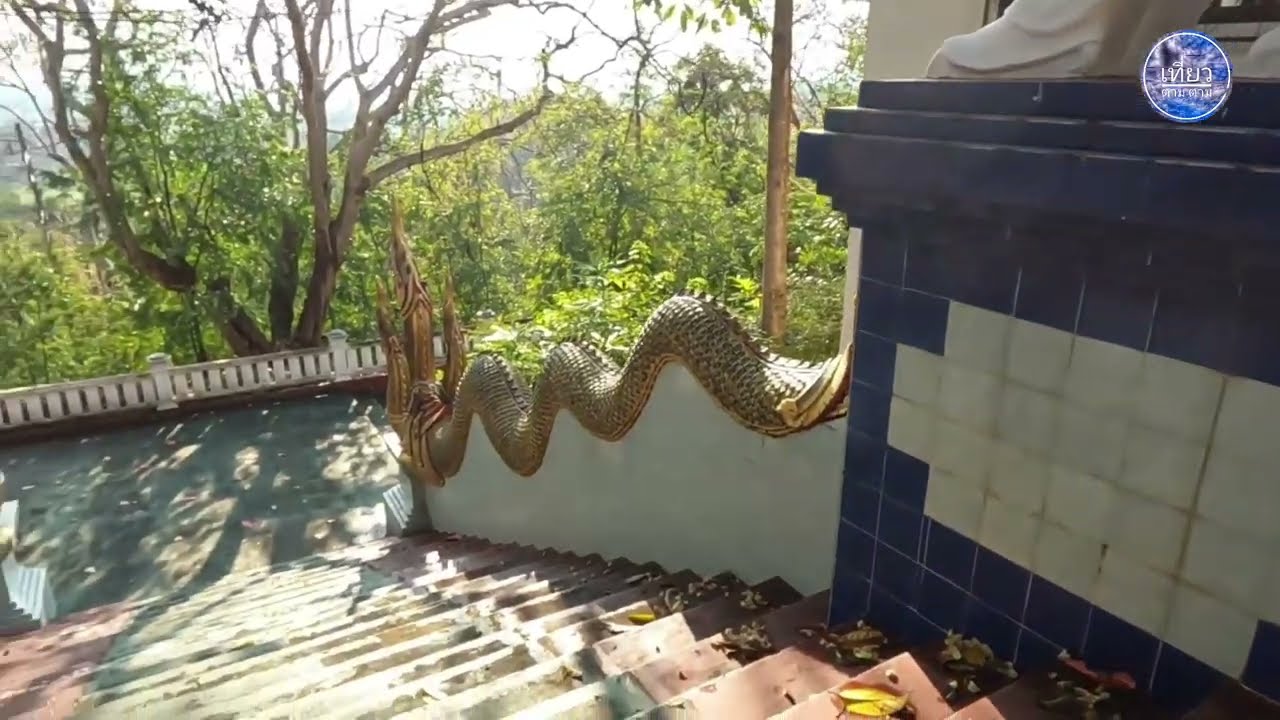
 Click to Access the Navigation Map GPS
Wat Sri Soda Map
Recommend

 Muang Chiang Mai(121)Chom Thong(47)Mae Chaem(25)Chiang Dao(33)Doi Saket(68)Mae Taeng(85)Mae Rim(69)Samoeng(29)Fang(71)Mae Ai(62)Phrao(70)San Pa Tong(105)San Kamphaeng(66)San Sai(73)Hang Dong(74)Hot(32)Doi Tao(22)Omkoi(11)Saraphi(74)Wiang Haeng(15)Chai Prakan(28)Mae Wang(32)Mae On(22)Doi Lo(34)Galyani Vadhana(1)


