
lovethailand home >North Travel Attractions >Chiang Mai Travel Attractions >Muang Chiang Mai >San Phi Suea > Wat Rong O
TL;DR: Wat Rong O is located at Ban Rong O, Moo 4, San Phi Suea Subdistrict, Mueang Chiang Mai District, Chiang Mai Province, open Daily, hours 08.00 – 17.00.

Wat Rong O
Open Days: Daily
Opening Hours: 08.00 – 17.00
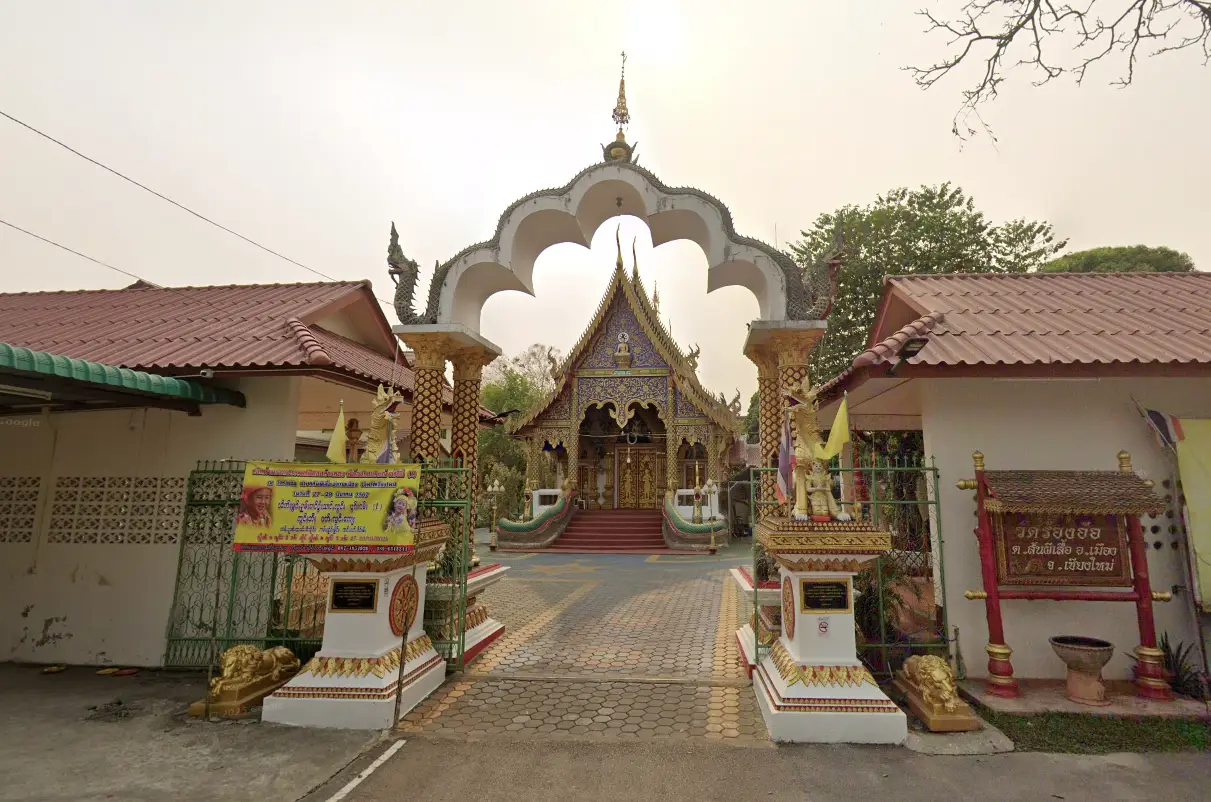
Wat Rong O in Chiang Mai is a local Buddhist temple under the Maha Nikaya order, located at 1 Moo 4, Ban Rong O, San Phi Suea Subdistrict, Mueang Chiang Mai District, Chiang Mai 50300. It is an old community temple with a history dating back to B.E. 2280, or 1737 CE, and received its consecrated boundary on October 1, B.E. 2469. The temple is known for its former name, Wat Rong O Don Mun, its relocation from a flood-prone original site to higher ground, its Lanna-style viharn decorated with carved patterns and glass mosaics, its golden principal Buddha image in the meditation posture, Phra Singh Sam, the golden Buddha image on an elephant base, the golden thepphanom image, the chedi, and its continuing role as the spiritual center of Ban Rong O in San Phi Suea.
Wat Rong O is suitable for travelers who want to explore a quieter and more local side of Chiang Mai temple culture. It is not a major tourist temple inside the Old City, but a living community temple on the northern side of Chiang Mai. San Phi Suea has a semi-urban and semi-rural character, with old villages, local schools, community markets, temples, roads leading toward the Ping River, and routes connecting to the outer ring road. Visiting Wat Rong O helps travelers understand Chiang Mai as a network of communities where temples remain central to merit-making, education, annual traditions, and everyday village life.
The name “Rong O” is closely connected with the original landscape of Ban Rong O. The community once had a pond surrounded by dense stands of o reeds. In the local northern Thai context, “rong” is associated with a watercourse, low-lying water area, or wet channel, while “o” refers to reeds or reed-like plants growing in moist places. Together, the name gives a clear image of a settlement shaped by water, plants, and local memory. The temple name therefore preserves the ecological identity of the community as much as its religious identity.
The temple was formerly known as Wat Rong O Don Mun. Its old site was located north of the present temple area, but that location was affected by flooding, which damaged monastic buildings and religious structures. The local Buddhist community therefore moved the temple about 500 meters westward to higher ground where water would not accumulate. This relocation is one of the most important episodes in the temple’s history because it shows the determination of the villagers to preserve their sacred center rather than allowing the temple to decline because of environmental challenges.
After the relocation, the villagers invited Phra Khruba Athikan Metha from Wat Ku Tao, also known as Wat Welu Wanaram, to become the abbot and help develop the temple. He constructed monastic buildings and religious structures, allowing Wat Rong O to grow into a stable community temple. This part of the temple’s history reflects the important role of monks in Lanna communities. Monks were not only ritual leaders; they also helped restore temples, organize religious life, teach laypeople, and maintain the continuity of Buddhism within villages.
Wat Rong O was officially permitted as a temple in B.E. 2280 and received its consecrated boundary in B.E. 2469. The consecrated boundary, or wisungkhamsima, is important because it marks the formal monastic ritual area used for Sangha ceremonies. This status shows that Wat Rong O developed beyond a simple village worship site into a temple with recognized Buddhist functions and a stable place within the religious life of San Phi Suea.
The temple compound includes several important structures: the ubosot, monk residences, viharn, multipurpose hall, two alms halls, dining hall, and kitchen. These buildings allow the temple to serve both monastic and community needs. The viharn is the main hall for worship, sermons, and merit-making activities for lay Buddhists. The ubosot is used for formal monastic ceremonies. The multipurpose hall, dining hall, and kitchen support festivals, merit-making events, temple gatherings, and village activities throughout the year.
The viharn of Wat Rong O is one of the main features visitors should observe carefully. Community information describes it as a beautiful northern-style worship hall with carved decorative patterns and glass mosaic ornamentation. Its multi-tiered roof reflects the visual language of northern Thai temple architecture. The building’s carved details, ornamental façade, and colored materials show how Lanna craftsmanship appears in a community temple setting, not only in the famous temples of the Old City.
The temple’s important sacred objects include a golden principal Buddha image in the meditation posture, Phra Singh Sam, a golden Buddha image on an elephant base, a golden thepphanom image, and the chedi. The meditation posture represents calmness, concentration, and spiritual steadiness. Phra Singh Sam is an important form within northern Thai Buddhist art. The golden Buddha image on an elephant base is also notable because the elephant carries strong cultural meaning in Lanna tradition, symbolizing strength, stability, dignity, and auspiciousness.
The chedi of Wat Rong O is another important sacred feature. In Lanna temple culture, a chedi is a devotional monument and a visual anchor of the temple compound. It is also often connected with major annual rituals, such as chedi-bathing ceremonies. The continuing observance of the chedi-bathing tradition at Wat Rong O shows that the chedi is not merely an old structure, but an active sacred focus in the religious life of the local community.
The chedi-bathing ceremony at Wat Rong O is an important expression of Lanna Buddhist culture. Bathing a chedi is a form of reverence, purification, renewal, and communal auspiciousness. Villagers gather to make merit, pay respect, and help preserve local religious tradition. Events like this show that Wat Rong O is not simply a place open for sightseeing; it remains a living religious space where annual Buddhist practice continues to bring people together.
Wat Rong O is also connected with merit-making activities such as forest-robe offerings and Buddhist Lent candle offerings. These activities are central to the life of a community temple. They allow villagers and supporters to contribute to temple maintenance, support monks, and strengthen Buddhist practice. Lent candles symbolize the light of Dhamma and support for monks during the rainy-season retreat, while communal forest-robe offerings reflect the shared faith of local residents and external supporters.
The temple also has a significant connection with education. Community history records that during the time of the third abbot, a school was opened inside the temple and named Wat Rong O School. The school was later moved to the west of the temple, not far from the original location. At one time, monks and novices also studied Nak Tham and Pali subjects at the temple. This shows that Wat Rong O served not only as a ritual site, but also as a place of learning for both laypeople and monastics.
The relationship between temple and school gives Wat Rong O a strong multi-generational role. Children and young people grew up near the temple and learned local culture through community activities. Adults and elders used the temple as a place for merit-making, sermons, ceremonies, and village gatherings. Because the temple stands near school and community spaces, its role is more deeply connected with daily life than that of temples visited only briefly by tourists.
Ban Rong O, Moo 4, is described as a large community with an oval-shaped settlement pattern running roughly north to south. A large rice field lies in the middle of the village, while a main road passes along the northern side and leads toward the temple at the heart of the settlement. This spatial arrangement helps explain the temple’s importance. Wat Rong O is not an isolated temple at the edge of the village; it is part of the community’s central structure.
The surrounding boundaries of Ban Rong O connect it with several neighboring communities. To the north are Ban Pa Khoi Nuea and Ban Pa Khoi Tai, to the south is Ban Khua Ko, to the east is the San Sai area, and to the west is Ban Tha Rong Khi Khwai. Part of the village landscape is connected with lowland areas and the Ping River environment. This makes Wat Rong O part of a wider cultural landscape shaped by water, agriculture, village roads, and Buddhist temples.
The agricultural and water-based character of Ban Rong O helps explain the community’s historical identity. The area has natural water sources, shallow wells, groundwater wells, village waterworks, and fertile soils suitable for cultivation. The temple developed within this landscape, where water and agriculture supported village life. The name Rong O, associated with reeds around a pond, is therefore not simply a place-name story; it preserves a memory of the environment that sustained the community.
Phra Athikan Si Thon Sirithammo is recorded as the abbot of Wat Rong O in local and travel information. In a community temple, the abbot plays a central role in caring for the monastic community, maintaining temple buildings, leading religious ceremonies, coordinating with villagers, and preserving local traditions. His presence also shows that Wat Rong O remains an active temple rather than a site that exists only in historical records.
The recorded line of abbots also shows the continuity of temple care over many generations. Local community information lists Phra Khruba Athikan Metha, Phra Khruba Athikan Kantha, also known as Khruba Ko, Phra Khruba Athikan In Suan, also known as Khruba Suan, Phra Athikan Lui Tissawanno, Chao Athikan Bunyong Inthananto, Phra Khru Kham Fai Sutthasilo, Phra Athikan Intha Tissawaro, Phra Witsanu Kesaro, and Phra Athikan Si Thon Sirithammo. These names reflect a long tradition of monastic leadership at Wat Rong O.
For travelers interested in northern Thai temple architecture, Wat Rong O offers several details worth observing: the multi-tiered roof of the viharn, carved decorative motifs, glass mosaic decoration, temple gateway, staircase, ubosot, chedi, and courtyard composition. Although the temple is not documented in the same depth as major Old City temples, a visit helps travelers understand Lanna temple architecture at the village level, where beauty and function remain closely connected.
For visitors interested in sacred objects, the principal Buddha image, Phra Singh Sam, the golden Buddha image on an elephant base, the golden thepphanom image, and the chedi are the key features. These sacred objects show the diversity of devotional forms in a Lanna community temple. Together, they make Wat Rong O a meaningful place for worship, cultural observation, and learning about the faith of local residents.
Wat Rong O works well as part of a broader San Phi Suea cultural route. Nearby places include Wat Pa Khoi Nuea, Wat Pa Khoi Tai, Wat Tha Duea, Wat Tha Luk, Baan Chao Na San Phi Suea, and Hidden Village Chiang Mai. This route allows travelers to see older community temples, riverside settlement patterns, local markets, food stops, family attractions, and the quieter northern side of Chiang Mai city.
The atmosphere of Wat Rong O is calm, local, and unhurried. Visitors can spend around 30 minutes to 1 hour paying respect, walking around the viharn, ubosot, chedi, courtyard, and observing the surrounding village environment. Morning to late morning is a good time for a quiet temple visit. During local merit-making events such as chedi bathing, forest-robe offerings, or Buddhist Lent candle ceremonies, visitors can experience the temple’s community role more clearly.
Visitors should dress modestly when entering Wat Rong O. Shoulders should be covered, shorts or skirts should be of appropriate length, and shoes should be removed before entering the viharn or ubosot. Visitors should keep their voices low, respect monks and local worshippers, and avoid touching sacred objects or decorative temple elements unnecessarily. If a ceremony is taking place, visitors should stand in an appropriate area and avoid interrupting the procession or ritual space.
Photography should be done respectfully. Suitable subjects include the temple gateway, viharn, chedi, courtyard, and surrounding community atmosphere. Visitors should avoid photographing monks or local worshippers too closely without permission, should not use flash where inappropriate, and should not climb on religious structures. Wat Rong O remains a working community temple, so respect for its religious and social function should come before photography.
Getting There from central Chiang Mai is convenient via the outer ring road or Chiang Mai 700-Year Road toward San Phi Suea and Ban Rong O. From Chiang Mai Provincial Hall, visitors can use Highway 121 via Nakornping Hospital toward Ban Rong O, with a distance of about 4 km. Travelers from the Old City or Tha Phae Gate area can use a private car, red songthaew, taxi, or ride-hailing service by setting the destination clearly as Wat Rong O, Ban Rong O, San Phi Suea, Mueang Chiang Mai District.
Drivers should use navigation together with the village and subdistrict names because northern Thailand has several places with similar names. Entering the destination as Wat Rong O, Ban Rong O, San Phi Suea, helps prevent confusion. Once inside the village, visitors should drive carefully because the area includes homes, schools, a child development center, local shops, and community roads. Parking should be done in a way that does not block temple access or village traffic.
For a fuller trip, Wat Rong O can be combined with Wat Pa Khoi Nuea, Wat Pa Khoi Tai, Pa Khoi Tai Market, Wat Tha Duea, Wat Tha Luk, Baan Chao Na San Phi Suea, and Hidden Village Chiang Mai. This half-day route is suitable for travelers who want to experience local temples, village markets, learning spaces, and community life on the northern side of Chiang Mai without traveling far from the city.
Food options near Wat Rong O include local eateries, made-to-order restaurants, fried snack shops, drink shops, Thai food shops, and small restaurants in San Phi Suea. Nearby accommodations include boutique hotels, resorts, and riverside lodging in the northern Chiang Mai area. This makes the temple convenient for travelers who prefer staying outside the Old City while still having access to central Chiang Mai and the Mae Rim direction.
Overall, Wat Rong O has several layers of value. It preserves the history of a temple founded in B.E. 2280, the memory of a former site affected by flooding, the community’s decision to move the temple to higher ground, Lanna temple architecture, important sacred objects, the chedi-bathing tradition, Buddhist Lent activities, and the temple’s connection with local education. It should not be seen merely as a small temple in Mueang Chiang Mai District, but as a living record of faith, adaptation, and community continuity in San Phi Suea.
| Name | Wat Rong O |
| Location | Ban Rong O, Moo 4, San Phi Suea Subdistrict, Mueang Chiang Mai District, Chiang Mai Province |
| Address | 1 Moo 4, Ban Rong O, San Phi Suea, Mueang Chiang Mai District, Chiang Mai 50300, Thailand |
| Coordinates | 18.85201, 98.99221 |
| Land Area | 2 Rai, 97 Square Wah |
| Temple Type | Local Buddhist Temple Under The Maha Nikaya Order |
| Highlights | Old community temple of Ban Rong O, formerly known as Wat Rong O Don Mun, relocated from a flood-prone original site to higher ground, with a Lanna viharn, golden principal Buddha image, Phra Singh Sam, golden Buddha image on an elephant base, and chedi |
| History | Founded in B.E. 2280; formerly called Wat Rong O Don Mun; moved about 500 meters westward from the old site after flooding damaged temple structures |
| Consecrated Boundary | Received wisungkhamsima on October 1, B.E. 2469 |
| Name Origin | The name is connected with an old pond in the community where o reeds once grew densely, reflecting the wetland landscape and local memory of Ban Rong O |
| Distinctive Features | Northern-style viharn with carved details, glass mosaic decoration, multi-tiered roof, ubosot, chedi, multipurpose hall, alms halls, dining hall, and kitchen |
| Important Sacred Objects And Structures | Golden principal Buddha image in the meditation posture, Phra Singh Sam, golden Buddha image on an elephant base, golden thepphanom image, chedi, viharn, ubosot, and monk residences |
| Traditions / Community Activities | Chedi-bathing ceremony, forest-robe offering, Buddhist Lent candle offering, and Buddhist community activities with Ban Rong O residents |
| Main Areas / Zones | Viharn, ubosot, chedi, monk residences, multipurpose hall, alms halls, dining hall, kitchen, courtyard, and community activity areas |
| Abbot / Caretaker | Phra Athikan Si Thon Sirithammo |
| Recorded Abbots In Community Information | Phra Khruba Athikan Metha, Phra Khruba Athikan Kantha, Phra Khruba Athikan In Suan, Phra Athikan Lui Tissawanno, Chao Athikan Bunyong Inthananto, Phra Khru Kham Fai Sutthasilo, Phra Athikan Intha Tissawaro, Phra Witsanu Kesaro, and Phra Athikan Si Thon Sirithammo |
| Travel Information | From Chiang Mai Provincial Hall, use Highway 121 via Nakornping Hospital toward Ban Rong O, about 4 km. From central Chiang Mai, visitors can use a private car, red songthaew, taxi, or ride-hailing service |
| Current Status | Open to visitors and worshippers; it remains an active Maha Nikaya community temple used by monks, villagers, and local organizations for Buddhist activities |
| Open Days | Daily |
| Opening Hours | 08.00 – 17.00 |
| Nearby Tourist Attractions | 1. Wat Pa Khoi Nuea, about 3 km 2. Wat Pa Khoi Tai, about 3 km 3. Pa Khoi Tai Market, about 3 km 4. Wat Tha Duea, about 4 km 5. Baan Chao Na San Phi Suea, about 4 km 6. Hidden Village Chiang Mai, about 5 km |
| Nearby Restaurants | 1. Khong Saep San Phi Suea, about 1 km, Tel. 062-356-6529 2. Room Bar In Home, about 1 km, Tel. 063-651-5945 3. Lung Ouan Krua Aroi, about 1 km, Tel. 065-814-2131 4. Moo Hor Inter Chiang Mai, about 2 km, Tel. 083-780-4142 5. Fried Meatballs Rong O, about 2 km, Tel. 095-679-8827 6. Grilled Fish Fresh Vegetables Khua Ko San Phi Suea, about 3 km, Tel. 064-562-1668 |
| Nearby Accommodations | 1. Baan Suan Residence, about 3 km, Tel. 053-110-876 2. B2 Resort Boutique & Budget Hotel, about 4 km, Tel. 052-009-567 3. Villa San Pee-Seua, about 5 km, Tel. 080-015-6789 4. Homeditation For Dreamers, about 5 km, Tel. 095-698-1895 5. Lanna Dusita Riverside Boutique Resort, about 6 km, Tel. 053-110-345 |
Frequently Asked Questions (FAQ)
Q: Where is Wat Rong O located?
A: Wat Rong O is located at 1 Moo 4, Ban Rong O, San Phi Suea Subdistrict, Mueang Chiang Mai District, Chiang Mai 50300, Thailand.
Q: Why is Wat Rong O important?
A: Wat Rong O is an old Maha Nikaya community temple founded in B.E. 2280. It was formerly known as Wat Rong O Don Mun and remains the spiritual center of Ban Rong O in San Phi Suea.
Q: What does the name Wat Rong O mean?
A: The name is connected with an old pond in the community where o reeds grew densely, preserving the memory of the area’s wetland landscape.
Q: What are the opening hours of Wat Rong O?
A: Wat Rong O is open daily from 08.00 to 17.00.
Q: What are the important sacred objects at Wat Rong O?
A: Important sacred objects include the golden principal Buddha image in the meditation posture, Phra Singh Sam, the golden Buddha image on an elephant base, the golden thepphanom image, and the chedi.
Q: What traditions are associated with Wat Rong O?
A: Wat Rong O is associated with the chedi-bathing ceremony, forest-robe offerings, Buddhist Lent candle offerings, and Buddhist community activities with Ban Rong O residents.
Q: Can visitors reach Wat Rong O without a private car?
A: Yes. Visitors can use a red songthaew, taxi, or ride-hailing service from central Chiang Mai by setting the destination as Wat Rong O, Ban Rong O, San Phi Suea Subdistrict.
Q: What nearby attractions can be visited with Wat Rong O?
A: Nearby attractions include Wat Pa Khoi Nuea, Wat Pa Khoi Tai, Pa Khoi Tai Market, Wat Tha Duea, Baan Chao Na San Phi Suea, and Hidden Village Chiang Mai.
 Category: ●Places of Worship
 Group: ●Temple
Last Update : 3 DayAgo
 Last Update : 3 DayAgo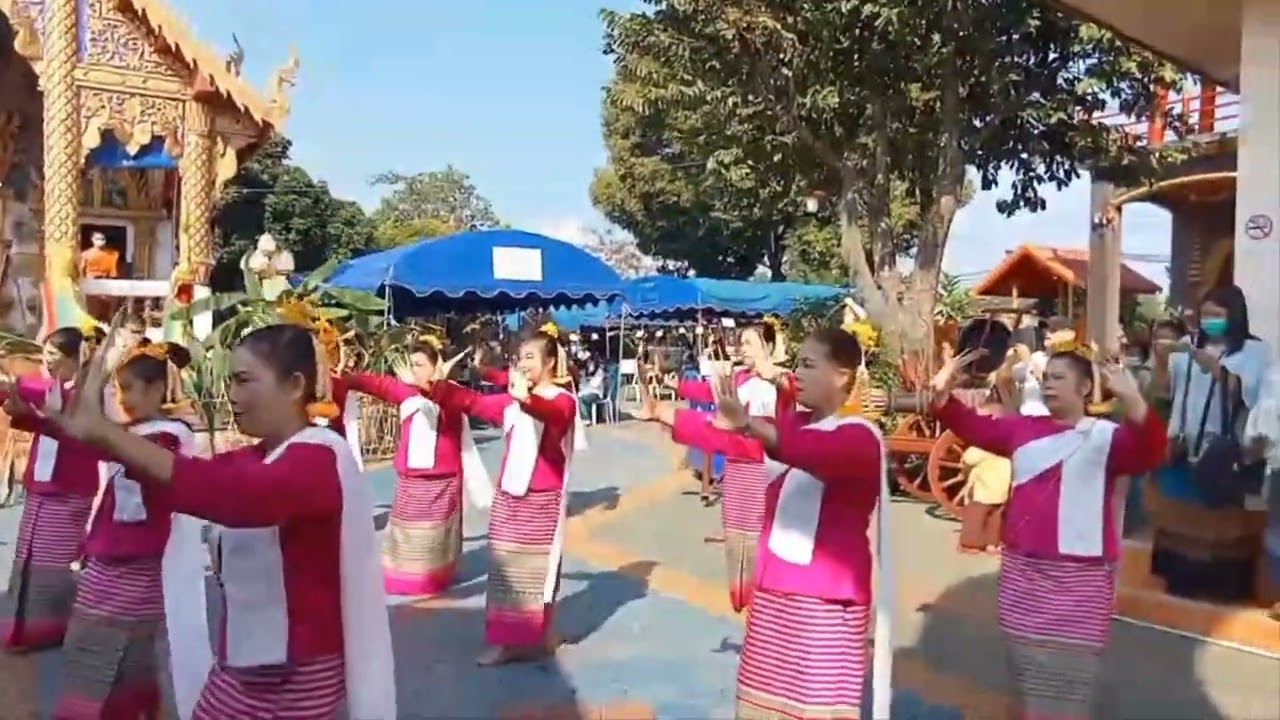
 Click to Access the Navigation Map GPS
Wat Rong O Map
Recommend

 Muang Chiang Mai(121)Chom Thong(47)Mae Chaem(25)Chiang Dao(33)Doi Saket(68)Mae Taeng(85)Mae Rim(69)Samoeng(29)Fang(71)Mae Ai(62)Phrao(70)San Pa Tong(105)San Kamphaeng(66)San Sai(73)Hang Dong(74)Hot(32)Doi Tao(22)Omkoi(11)Saraphi(74)Wiang Haeng(15)Chai Prakan(28)Mae Wang(32)Mae On(22)Doi Lo(34)Galyani Vadhana(1)


