
lovethailand home >North Travel Attractions >Chiang Mai Travel Attractions >Muang Chiang Mai >San Phi Suea > Wat Pa Khoi Tai
TL;DR: Wat Pa Khoi Tai is located at Ban Pa Khoi Tai, Moo 2, San Phi Suea Subdistrict, Mueang Chiang Mai District, Chiang Mai Province, open Daily, hours 08.00 – 17.00.

Wat Pa Khoi Tai
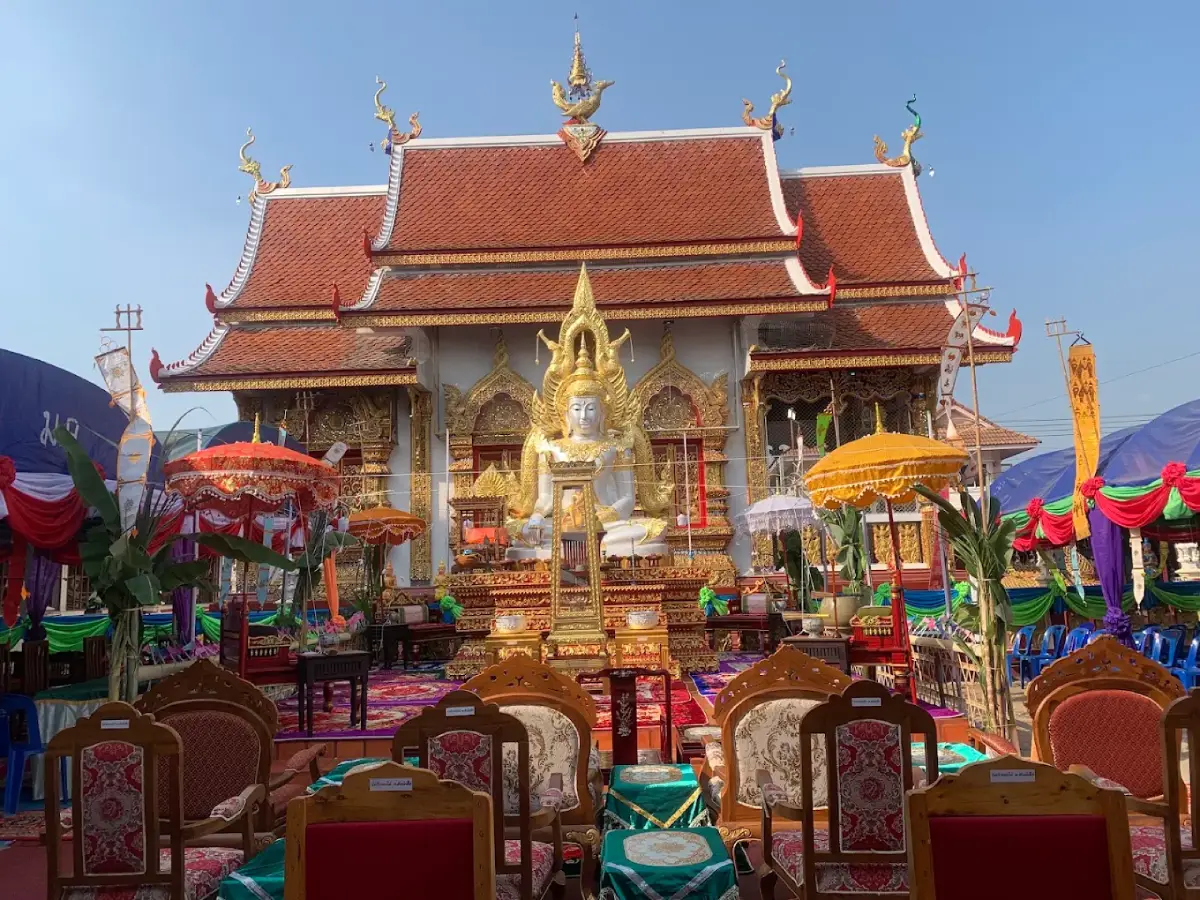
Open Days: Daily
Opening Hours: 08.00 – 17.00
Wat Pa Khoi Tai in Chiang Mai is a local Buddhist temple under the Maha Nikaya order, located at 30 Moo 2, Ban Pa Khoi Tai, San Phi Suea Subdistrict, Mueang Chiang Mai District, Chiang Mai Province. It is an old community temple whose history is closely connected with the formation of Ban Pa Khoi Tai, the dense khoi trees that once grew around the temple and its chedi, the revival of the temple after a period of abandonment, and the enshrinement of Phra Phuttharup Fon Saen Ha, an important Buddha image brought from Wiang Kum Kam. The temple is therefore valuable as a living religious center, a place of local memory, and a meaningful cultural stop on the northern side of Chiang Mai city.
Wat Pa Khoi Tai is suitable for travelers who want to explore a quieter and more local side of Chiang Mai temple culture. Unlike the famous temples inside the Old City, this temple stands within San Phi Suea, an area that still preserves a semi-urban and semi-rural atmosphere. The surrounding district includes village roads, local markets, schools, houses, old temples, riverside areas near the Ping River, and routes leading toward northern Chiang Mai. A visit to Wat Pa Khoi Tai helps travelers understand Chiang Mai not only as a tourist city, but also as a network of local communities where temples remain central to faith, tradition, and everyday life.
Temple records describe Wat Pa Khoi Tai as occupying 3 rai, 1 ngan, and 50 square wah of land in Ban Pa Khoi Tai, Moo 2, San Phi Suea Subdistrict. The temple was formerly known as Wat San Kamphaeng Ngam, later changed to Wat Pa Phai Khoep, and in some local information appears as Wat Pa Khoep. After a period of abandonment, the temple was revived and later received its present name, Wat Pa Khoi Tai, from the khoi trees that grew densely within the temple grounds and around the chedi. The name therefore preserves both the old landscape and the community memory of the area.
The name “Pa Khoi Tai” has clear environmental and local meaning. “Pa Khoi” refers to an area where khoi trees grew in abundance, while “Tai” means south, distinguishing it from Pa Khoi Nuea, or northern Pa Khoi, in the same subdistrict. The temple name therefore works almost like a cultural map. It identifies the community, reflects the former natural setting, and records the way local people divided and remembered their landscape. Wat Pa Khoi Tai is a strong example of a temple name rooted in real ecology rather than an abstract auspicious phrase.
The local history of Wat Pa Khoi Tai is closely tied to the rise of the village community. People who settled around this area shared strong devotion to Buddhism and gradually formed a village with the temple as its spiritual and social center. This pattern is typical of many Lanna community temples, where the temple is not only a place for Buddha images and religious buildings, but also a place for merit-making, ceremonies, community gatherings, Buddhist learning, and annual traditions. In this sense, the history of the temple and the history of Ban Pa Khoi Tai cannot be separated.
The fact that the temple was once abandoned and later revived gives Wat Pa Khoi Tai an important story of continuity. Reviving a deserted temple was not simply a matter of repairing buildings. It meant restoring a sacred space to active community life. Monks and villagers worked together to rebuild religious structures, reestablish monastic residence, create a place for worship, and return the temple to its role as the heart of the community. This gives Wat Pa Khoi Tai a strong local character shaped by persistence, shared faith, and village cooperation.
A key figure in the temple’s revival was Khruba Upasen Upaseno, the first recorded abbot of Wat Pa Khoi Tai. He resided at the temple, developed the compound, restored monastic facilities, and helped strengthen the temple’s religious role. His most important act was the invitation and enshrinement of Phra Phuttharup Fon Saen Ha from Wiang Kum Kam. This Buddha image became the principal image of the viharn and remains the central sacred object of the temple.
Phra Phuttharup Fon Saen Ha is the most important sacred image at Wat Pa Khoi Tai. It is a bronze Buddha image seated in the Mara-vijaya posture, with the form of Phra Singh Sam in Chiang Saen-style art. Temple history states that this Buddha image is one of five images created by King Mangrai, the historic ruler connected with Wiang Kum Kam. Khruba Upasen Upaseno brought the image from Wiang Kum Kam and enshrined it as the principal Buddha image in the viharn of Wat Pa Khoi Tai. The image therefore forms the spiritual, historical, and artistic heart of the temple.
The name “Fon Saen Ha” carries strong meaning in Lanna belief. Buddha images known as Phra Chao Fon or Phra Chao Fon Saen Ha are associated with rain, fertility, abundance, and the well-being of the land. The presence of this image as the principal Buddha image at Wat Pa Khoi Tai gives the temple a deep connection with older agricultural and riverside beliefs in northern Thailand. Paying respect to this image is therefore not only an act of general Buddhist devotion, but also a connection with Lanna ideas of seasonal balance, prosperity, and harmony with nature.
The Mara-vijaya posture represents the Buddha’s victory over Mara before enlightenment. It symbolizes spiritual strength, overcoming obstacles, and the triumph of wisdom. The Phra Singh Sam form also reflects an important style of northern Thai Buddhist art related to Chiang Saen and Lanna traditions. For visitors interested in sacred images, Phra Phuttharup Fon Saen Ha deserves careful attention because it links Wiang Kum Kam, King Mangrai, Lanna Buddhist art, and the continuing devotion of the Pa Khoi Tai community.
Wat Pa Khoi Tai received its consecrated boundary, or wisungkhamsima, in B.E. 1834. The original boundary measured 6 meters wide and 10 meters long. The former ubosot later deteriorated and was removed, after which a new ubosot was built in its place. This reflects the way local temples change over time. Wat Pa Khoi Tai has not remained fixed only in its earliest physical form; it has continued to repair, rebuild, and adapt its sacred buildings so that monastic ceremonies and community religious life can continue properly.
The ubosot is an important religious building because it is used for formal monastic ceremonies. The viharn, by contrast, is the main worship hall where laypeople pay respect to Buddha images, listen to sermons, make merit, and take part in religious activities. Wat Pa Khoi Tai also has a chedi, sala kan parian, monk residences, multi-purpose hall, merit-making hall, bell tower, and a guardian-spirit hall. These structures make the temple a fairly complete example of a Lanna community temple.
The chedi of Wat Pa Khoi Tai is another meaningful feature. The temple’s name is linked to the khoi trees that once grew around the chedi and within the compound. In Thai and Lanna temple culture, a chedi is a sacred monument and a visual anchor of the temple landscape. When the story of the khoi trees around the chedi is combined with the temple name, Wat Pa Khoi Tai becomes a place where natural memory and Buddhist devotion are preserved together.
The temple is also closely connected with Wat Pa Khoi Tai School and the surrounding community. The temple, school, local market, houses, and village roads form a living network of local life. Students, residents, monks, elders, and community groups all relate to the temple in different ways. Wat Pa Khoi Tai should therefore be understood not only as a sightseeing stop, but as an active community temple where religion, education, village identity, and local traditions remain connected.
One of the temple’s most important annual events is the ceremony of bathing the chedi and Phra Phuttharup Fon Saen Ha, held around Visakha Bucha Day. The event includes Buddhist chanting, merit-making, and the presentation of scholarships. This shows that the temple supports both religious devotion and education in the community. The bathing of the chedi and sacred Buddha image is a meaningful Lanna practice of respect, renewal, and auspiciousness.
Another major annual event is the Buddha image procession during Songkran, held on April 19 each year. The Buddha image is invited onto a ceremonial pavilion and carried in a procession around the village, accompanied by a klong tueng nong drum procession and zodiac figures. This ritual brings the sacred image from the viharn into the community, allowing villagers to pay respect, bathe the image, make merit, and receive blessings during the Lanna New Year season. The procession is therefore both a Buddhist ceremony and a village-wide expression of unity.
On the same date, the community also holds a water-blessing ceremony for village elders. Elders aged 70 and above are invited to give blessings to younger generations. This tradition reflects the heart of Pi Mai Mueang, the Lanna New Year: respect for elders, asking forgiveness, receiving blessings, and renewing relationships within families and the village. Wat Pa Khoi Tai therefore serves as the place where Songkran remains a meaningful cultural and spiritual event, not only a festive holiday.
Wat Pa Khoi Tai also appears in subdistrict-level Buddhist activities such as the Wai Sa Barami Withi Tham Nam Chumchon project, organized by the San Phi Suea monastic community, local municipality, schools, and residents. Activities of this type show that the temple serves not only Ban Pa Khoi Tai, but also the wider San Phi Suea area. It supports Buddhist learning, youth participation, community culture, sermons, and local religious cooperation.
Phra Khru Prapat Pariyattiwimon Aggajitto is recorded as the abbot of Wat Pa Khoi Tai and appears in monastic activity information as an ecclesiastical leader in San Phi Suea. In a community temple, the abbot’s role is essential. He oversees monastic life, temple administration, religious ceremonies, community merit-making, coordination with schools and local authorities, and the care of sacred images and temple structures. This continuing leadership helps keep Wat Pa Khoi Tai active and relevant to the surrounding community.
As a travel destination, Wat Pa Khoi Tai is not a temple of grand spectacle, but a temple of local meaning. Visitors can experience the atmosphere of a working village temple, pay respect to Phra Phuttharup Fon Saen Ha, observe the viharn, chedi, ubosot, courtyard, and surrounding community, and understand how Buddhism remains part of everyday life in San Phi Suea. A visit of around 30 minutes to 1 hour is suitable for worship, quiet observation, photography, and local cultural learning.
The best time to visit is from morning to before noon, when the weather is more comfortable for worship and walking around the temple. Visitors who come in the afternoon should prepare for stronger sunlight because some areas of the compound are open. During the chedi-bathing ceremony, Visakha Bucha period, and Songkran events, the temple becomes livelier than usual and offers a stronger sense of community participation.
Visitors should dress modestly when entering Wat Pa Khoi Tai. Shoulders should be covered, shorts or skirts should be of appropriate length, and shoes should be removed before entering the viharn or designated sacred buildings. Visitors should keep their voices low and respect monks and local worshippers. If a ceremony or community event is taking place, visitors should stand in an appropriate area, avoid interrupting processions, and refrain from entering ritual spaces without permission.
Photography should be done respectfully. Good subjects include the viharn, chedi, gateway, courtyard, and community atmosphere around the temple. Visitors should not touch Buddha images, old sacred objects, or decorative elements, should not climb on structures, and should avoid using flash in inappropriate areas. In a local temple, respect for the living religious function of the space is more important than treating the temple only as a photo location.
Getting There from central Chiang Mai is convenient via the Fa Ham-San Phi Suea Road or Chiang Mai 700-Year Road toward Ban Pa Khoi Tai. Visitors can travel by private car, red songthaew, taxi, or ride-hailing service. The destination should be entered clearly as Wat Pa Khoi Tai, Ban Pa Khoi Tai, San Phi Suea Subdistrict, Mueang Chiang Mai District, to avoid confusion with temples or communities that have similar names.
Drivers should use a navigation map together with the village and subdistrict names because San Phi Suea has many local lanes and several nearby temples, including Wat Pa Khoi Nuea, Wat Rong O, Wat San Mueang Pracharam, Wat Tha Duea, and Wat Tha Luk. Once inside the community, visitors should drive carefully because the area includes houses, schools, local markets, and everyday village traffic.
A practical half-day route can begin at Wat Pa Khoi Tai, continue to Pa Khoi Tai Market or nearby restaurants, and then include Wat Pa Khoi Nuea, Wat Rong O, Wat Tha Duea, Baan Chao Na, or Elephant Parade Land. This route is suitable for travelers who want to see Chiang Mai through local temples, community life, food stops, and learning spaces rather than only through the Old City’s famous landmarks.
Food options near Wat Pa Khoi Tai include small market eateries, drink shops, made-to-order restaurants, som tam shops, roti stalls, cafés, and Thai restaurants in San Phi Suea. Nearby accommodations include riverside resorts, boutique hotels, and small hotels in the San Phi Suea area. The location is therefore convenient for travelers who prefer a quieter base outside the Old City while still being able to reach central Chiang Mai or the Mae Rim direction easily.
Overall, Wat Pa Khoi Tai has several layers of value. It preserves the place-name memory of khoi trees and the Pa Khoi Tai community, the story of a revived temple, the sacred Phra Phuttharup Fon Saen Ha from Wiang Kum Kam, the structures of a functioning community temple, and annual traditions that continue to bring villagers together. Its value lies in the connection between faith, landscape, education, community, and local Lanna culture.
Wat Pa Khoi Tai is worth visiting for those interested in old temples, Lanna community history, important Buddha images, and quiet cultural travel in Mueang Chiang Mai District. Although it is not among the province’s most famous tourist temples, it has a clear and meaningful identity: the khoi-tree name, Phra Phuttharup Fon Saen Ha, Wiang Kum Kam, Khruba Upasen Upaseno, the chedi-bathing ceremony, and the Songkran procession. A visit here offers a deeper understanding of Chiang Mai through local faith and living community traditions.
| Name | Wat Pa Khoi Tai |
| Location | Ban Pa Khoi Tai, Moo 2, San Phi Suea Subdistrict, Mueang Chiang Mai District, Chiang Mai Province |
| Address | 30 Moo 2, Ban Pa Khoi Tai, San Phi Suea, Mueang Chiang Mai District, Chiang Mai 50300, Thailand |
| Coordinates | 18.86318, 98.98410 |
| Land Area | 3 Rai, 1 Ngan, 50 Square Wah |
| Temple Type | Local Buddhist Temple Under The Maha Nikaya Order |
| Highlights | Old community temple in San Phi Suea, known for Phra Phuttharup Fon Saen Ha, its earlier names Wat San Kamphaeng Ngam and Wat Pa Phai Khoep, and its present name linked to khoi trees once growing densely around the temple |
| History | Temple records refer to B.E. 1834 for the temple and consecrated boundary; after a period of abandonment, Khruba Upasen Upaseno resided here and developed the temple into a community religious center |
| Name Origin | The name comes from khoi trees that grew abundantly within the temple compound and around the chedi; “Tai” distinguishes the area from Pa Khoi Nuea in San Phi Suea |
| Distinctive Features | Lanna community temple with viharn, chedi, new ubosot, sala kan parian, monk residences, multi-purpose hall, merit-making hall, bell tower, and guardian-spirit hall |
| Important Sacred Objects And Structures | Phra Phuttharup Fon Saen Ha, viharn, chedi, ubosot, sala kan parian, monk residences, multi-purpose hall, merit-making hall, bell tower, and guardian-spirit hall |
| Main Buddha Image | Phra Phuttharup Fon Saen Ha, a bronze Buddha image in the Mara-vijaya posture, Phra Singh Sam form, Chiang Saen-style art, brought from Wiang Kum Kam and enshrined as the principal Buddha image in the viharn |
| Traditions / Annual Activities | Bathing the chedi and Phra Phuttharup Fon Saen Ha around Visakha Bucha Day, Buddha image procession during Songkran on April 19, and water-blessing ceremony for village elders on April 19 |
| Main Areas / Zones | Viharn, chedi, ubosot, courtyard, sala kan parian, monk residences, multi-purpose hall, merit-making hall, bell tower, guardian-spirit hall, and community activity areas |
| Abbot / Caretaker | Phra Khru Prapat Pariyattiwimon Aggajitto |
| Travel Information | Reachable from central Chiang Mai via Fa Ham-San Phi Suea Road or Chiang Mai 700-Year Road toward Ban Pa Khoi Tai; accessible by private car, red songthaew, taxi, or ride-hailing service |
| Current Status | Open to visitors and worshippers; it remains an active Maha Nikaya community temple with religious and community activities in San Phi Suea |
| Open Days | Daily |
| Opening Hours | 08.00 – 17.00 |
| Nearby Tourist Attractions | 1. Pa Khoi Tai Market, about 0.4 km 2. Wat San Mueang Pracharam, about 1.5 km 3. Wat Rong O, about 1.5 km 4. Baan Chao Na San Phi Suea, about 4 km 5. Wat Tha Duea, about 5 km 6. Elephant Parade Land, about 5 km |
| Nearby Restaurants | 1. HOP Chafe Wat Pa Khoi Tai San Phi Suea, about 0.1 km, Tel. 089-433-8891 2. Som Tam Doctor Pa Khoi Tai, about 0.4 km, Tel. 097-342-2369, 063-789-5285 3. Asma Roti Pa Khoi Tai Market, about 0.5 km, Tel. 086-195-7911 4. Jungle Cafe Pa Khoi Tai Market Branch, about 0.5 km, Tel. 094-607-0440 5. Food For You Restaurant, about 4 km, Tel. 092-642-9414 6. Khamwaan Cuisine San Phi Suea, about 5 km, Tel. 091-854-5585, 053-345-456 |
| Nearby Accommodations | 1. Baan Suan Residence, about 3 km, Tel. 053-110-876 2. Villa San Pee-Seua, about 4 km, Tel. 053-854-265, 080-015-6789 3. B2 Resort Boutique & Budget Hotel, about 4 km, Tel. 052-009-567 4. Homeditation for Dreamers, about 5 km, Tel. 095-698-1895 5. Lanna Dusita Riverside Boutique Resort, about 6 km, Tel. 053-110-345 |
Frequently Asked Questions (FAQ)
Q: Where is Wat Pa Khoi Tai located?
A: Wat Pa Khoi Tai is located at 30 Moo 2, Ban Pa Khoi Tai, San Phi Suea Subdistrict, Mueang Chiang Mai District, Chiang Mai 50300, Thailand.
Q: Why is Wat Pa Khoi Tai important?
A: Wat Pa Khoi Tai is an old Maha Nikaya community temple in San Phi Suea, known for its earlier names, its revival after a period of abandonment, and the enshrinement of Phra Phuttharup Fon Saen Ha from Wiang Kum Kam.
Q: What is Phra Phuttharup Fon Saen Ha?
A: Phra Phuttharup Fon Saen Ha is a bronze Buddha image in the Mara-vijaya posture, Phra Singh Sam form, and Chiang Saen-style art. It is the principal Buddha image and the most important sacred object at Wat Pa Khoi Tai.
Q: What are the opening hours of Wat Pa Khoi Tai?
A: Wat Pa Khoi Tai is open daily from 08.00 to 17.00.
Q: What annual traditions are held at Wat Pa Khoi Tai?
A: Major annual traditions include bathing the chedi and Phra Phuttharup Fon Saen Ha around Visakha Bucha Day, the Songkran Buddha image procession on April 19, and the water-blessing ceremony for village elders on April 19.
Q: Can visitors reach Wat Pa Khoi Tai without a private car?
A: Yes. Visitors can use a red songthaew, taxi, or ride-hailing service from central Chiang Mai by setting the destination as Wat Pa Khoi Tai, Ban Pa Khoi Tai, San Phi Suea Subdistrict.
Q: What nearby attractions can be visited with Wat Pa Khoi Tai?
A: Nearby attractions include Pa Khoi Tai Market, Wat San Mueang Pracharam, Wat Rong O, Baan Chao Na San Phi Suea, Wat Tha Duea, and Elephant Parade Land.
Q: What should visitors wear when visiting Wat Pa Khoi Tai?
A: Visitors should dress modestly, cover their shoulders, wear appropriate-length clothing, remove shoes before entering sacred buildings, keep quiet, and avoid disturbing monks or local worshippers.
 Category: ●Places of Worship
 Group: ●Temple
Last Update : 4 DayAgo
 Last Update : 4 DayAgo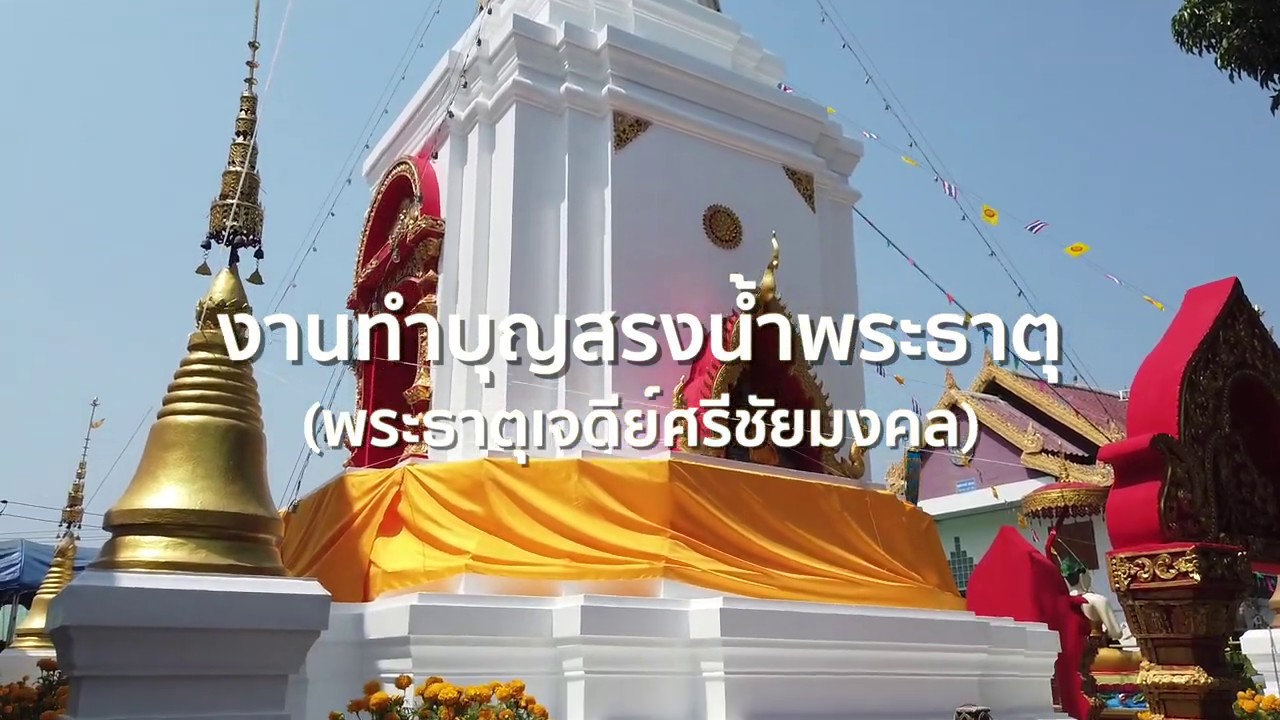
 Click to Access the Navigation Map GPS
Wat Pa Khoi Tai Map
Recommend

 Muang Chiang Mai(121)Chom Thong(47)Mae Chaem(25)Chiang Dao(33)Doi Saket(68)Mae Taeng(85)Mae Rim(69)Samoeng(29)Fang(71)Mae Ai(62)Phrao(70)San Pa Tong(105)San Kamphaeng(66)San Sai(73)Hang Dong(74)Hot(32)Doi Tao(22)Omkoi(11)Saraphi(74)Wiang Haeng(15)Chai Prakan(28)Mae Wang(32)Mae On(22)Doi Lo(34)Galyani Vadhana(1)


