
lovethailand home >North Travel Attractions >Chiang Mai Travel Attractions >Muang Chiang Mai >Si Phum > Wat Samphao
TL;DR: Wat Samphao is located at Around Ratchadamnoen Road and Ratchapakhinai Road, Si Phum Subdistrict, Mueang Chiang Mai District, Chiang Mai Province, open Daily, hours 08.00 – 17.00.

Wat Samphao
Open Days: Daily
Opening Hours: 08.00 – 17.00
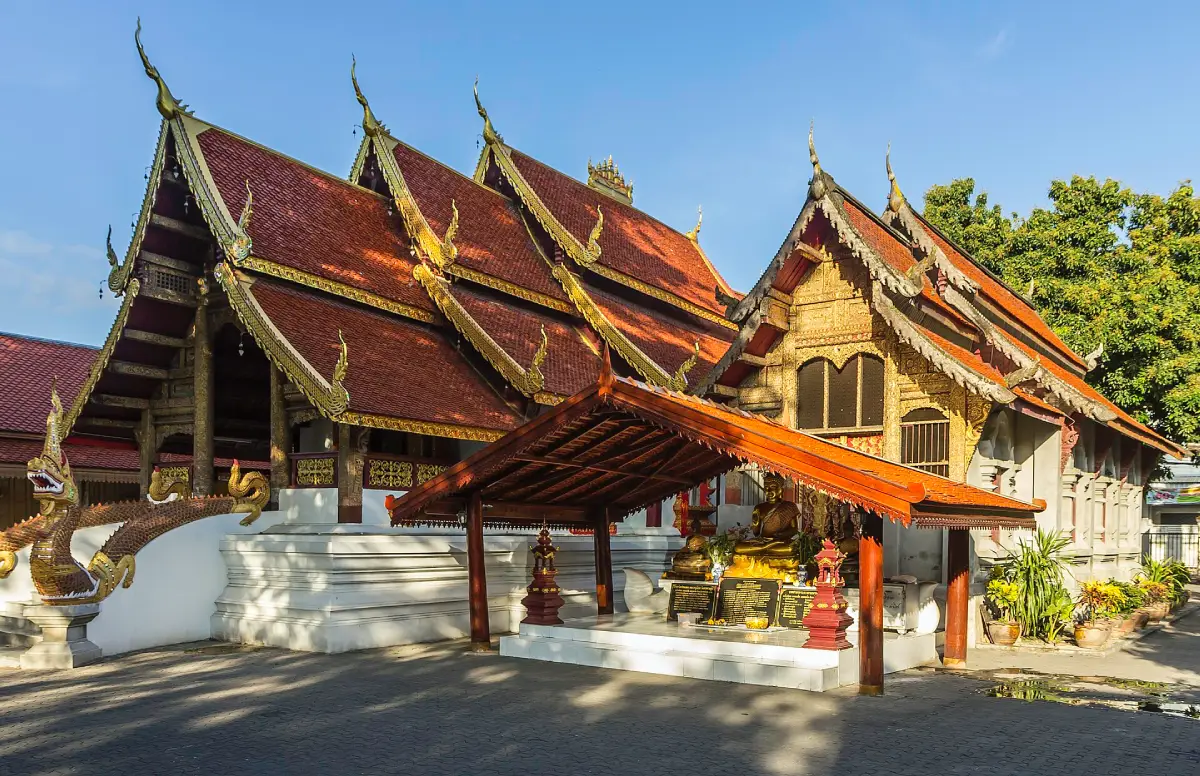
Wat Samphao in Chiang Mai is a historic Buddhist temple in the Old City, located around Ratchadamnoen Road and Ratchapakhinai Road in Si Phum Subdistrict, Mueang Chiang Mai District. It stands opposite Wat Phan On and is only about 250 meters from Tha Phae Gate, making it one of the easiest cultural stops to include in a walking route through central Chiang Mai. The temple is best known for its story of a golden sampao, or sailing junk, enshrined in the chedi, its refined Lanna architecture, elevated viharn, golden chedi, old ubosot, and peaceful atmosphere within the lively Sunday Walking Street area.
Wat Samphao is more interesting than its modest size may suggest. Compared with Chiang Mai’s larger and more famous temples, this temple feels compact and quiet, yet it contains strong historical and artistic value. Its location on Ratchadamnoen Road places it directly on the main axis leading from Tha Phae Gate into the heart of the Old City. Travelers walking from Tha Phae Gate toward Wat Chedi Luang, Wat Phan Tao, or Wat Phra Singh can easily stop here without leaving the main Old City route.
The temple’s history is connected with local tradition from the Mangrai Dynasty period. The original founder is not known, but local accounts tell of a merchant from Rahaeng, now associated with Tak Province, who traveled to Chiang Mai for trade and developed deep faith in Buddhism. He created a golden sampao and enshrined it inside the temple’s chedi. This story gave the temple the name Wat Samphao. The word “sampao” refers to a sailing junk, linking the temple’s identity with travel, trade, and religious devotion.
This golden sampao story gives Wat Samphao a distinctive identity among Chiang Mai Old City temples. Many temples in the Old City are known for royal patronage, sacred Buddha images, or major stupas, while Wat Samphao preserves a narrative connected with merchants, movement, and faith from outside the city. The act of placing a golden sampao inside the chedi reflects the way temples served not only as ritual spaces, but also as places where personal devotion, memory, and cultural identity were entrusted to Buddhism.
The temple’s setting also helps explain its importance. Wat Samphao stands in one of the most walkable parts of Chiang Mai Old City, close to Tha Phae Gate, Wat Phan On, Wat Chedi Luang, the Three Kings Monument, and Chiang Mai City Arts & Cultural Centre. The surrounding area includes temples, communities, restaurants, cafés, guesthouses, and the Sunday Walking Street. This makes the temple practical for travelers who want to combine merit-making, architectural appreciation, food, shopping, and Old City sightseeing in one route.
The viharn of Wat Samphao is a Lanna-style assembly hall that has been restored while preserving its traditional form. The building stands on an elevated base, giving it a dignified presence within the temple compound. Its roof is layered in three tiers, following northern Thai temple architecture. The pediment and pillars are decorated with well-preserved stucco motifs, including celestial figures, floral patterns, and animal forms. These details reveal the craftsmanship and symbolic richness of Lanna Buddhist art.
The stairway leading up to the viharn is guarded by makara and naga figures in warm orange and gold tones. In Buddhist and Lanna art, these mythical forms are both decorative and symbolic, marking the transition into sacred space. Inside the viharn, the principal Buddha image is seated in the Mara-vijaya posture, or the gesture of subduing Mara. This posture represents spiritual victory over temptation and worldly obstacles and is one of the most important Buddha image forms in Thai Buddhist temples.
The stucco work on the viharn deserves close attention. The celestial figures represent guardianship and reverence toward Buddhism. The floral patterns symbolize growth, auspiciousness, and spiritual abundance, while the animal motifs add liveliness to the building’s decorative program. Together, these elements turn the viharn into more than a prayer hall. It becomes a visual expression of faith, craftsmanship, and the artistic language of Lanna culture in Chiang Mai’s Old City.
Behind the viharn stands the main chedi of Wat Samphao. The lower base is square, supporting a raised lotus base with recessed corners. Above it are five stacked circular tiers leading to a rounded golden bell-shaped body covered with thong changko, a traditional metal covering associated with sacred stupas. The upper section is crowned with a five-tiered golden umbrella finial. The contrast between the white base and the golden upper structure makes the chedi one of the most visually striking features of the temple.
The chedi is central to understanding Wat Samphao because it is directly tied to the golden sampao narrative. Chedis are sacred monuments that hold relics, devotional objects, or symbolic offerings, and in Lanna temple layouts they often stand behind the viharn. At Wat Samphao, the viharn and chedi should be viewed together because they form both the ritual and historical core of the temple. The viharn is the devotional space for worship, while the chedi preserves the central story behind the temple’s name.
The ubosot of Wat Samphao stands beside the viharn and has its own architectural value. It has a two-tiered roof, with older chofa finials preserved and newer naga elements added. The front façade is decorated with floral stucco patterns and colored glass. The wooden entrance doors are carved with two guardian celestial figures. These details give the ubosot a dignified and sacred character, suitable for its role as the ordination hall and ritual space for the monastic community.
The ubosot differs from the viharn in function. While the viharn is generally used for worship, sermons, and devotional activities involving laypeople, the ubosot is reserved for formal monastic ceremonies. The presence of a viharn, chedi, and ubosot within the same compound makes Wat Samphao a complete and meaningful Lanna temple site. Visitors can understand the different roles of these buildings simply by walking through the temple and observing their placement and design.
Another feature that makes Wat Samphao unusual is its nautical theme. The temple’s name and some decorative elements around the entrance refer to a sampao, or sailing junk, which is rare for a temple in inland northern Thailand. This theme reflects a wider world of trade and movement, showing that Chiang Mai was connected with traveling merchants, visiting communities, and devotional exchanges from beyond the city. For cultural travelers, this makes Wat Samphao a useful place to understand how trade, faith, and local memory can converge in one temple.
Wat Samphao is also supported by cultural evidence from inscriptions on Buddha image bases associated with the temple. These inscriptions record acts of making Buddha images and dedicating them to the temple during later historical periods. Such records show that Wat Samphao continued to receive religious patronage and devotion across different eras. The temple’s importance therefore does not rest only on its origin story; it also reflects ongoing Buddhist merit-making and community support.
During the Rattanakosin period, Wat Samphao continued to receive support from northern rulers and local patrons. Local historical accounts mention Prince Thammalangka, the second ruler of Chiang Mai, who contributed to the temple’s religious structures in 1819, and Chao Suriyawong, also known as Kham Tan Siroros, who helped maintain the temple afterward. This continuity of care explains how Wat Samphao has remained part of Chiang Mai’s Old City religious landscape despite changes in the surrounding urban environment.
The atmosphere inside Wat Samphao is calm and community-oriented. It is not as crowded as some of Chiang Mai’s major tourist temples, which makes it suitable for travelers who prefer a quieter visit. Within a short walk, visitors can see the relationship between the viharn, chedi, ubosot, gateway, and open temple courtyard. A visit of around 30 minutes to 1 hour is enough for paying respect, taking photographs, observing architectural details, and enjoying a peaceful pause from the busier streets outside.
Wat Samphao is also part of the Sunday Walking Street environment. On Sunday evenings, Ratchadamnoen Road and parts of Prapokkloa Road become one of Chiang Mai’s best-known walking streets, filled with local crafts, souvenirs, food, and cultural activities. Several temples along the route become natural rest points for visitors. Visiting Wat Samphao on a Sunday evening therefore offers a different experience from a weekday visit, combining temple culture with the lively street atmosphere of Chiang Mai’s Old City.
For a quieter experience, weekday mornings and early afternoons are better. The temple compound is easier to explore, and visitors can take more time with the viharn, chedi, and ubosot. Sunday evenings are better for travelers who want to combine temple visits with the walking street, but traffic restrictions and limited parking should be expected. Travelers staying in the Old City or around Tha Phae Gate will find walking the simplest option.
For travelers interested in Lanna art, Wat Samphao offers details at several levels. The three-tiered roof of the viharn, elevated base, stucco figures, floral motifs, makara-and-naga stairway, principal Buddha image, square-based chedi, five-tiered circular base, golden bell-shaped stupa, and carved wooden ubosot doors all help illustrate northern Thai Buddhist architecture. Because the temple is located in the center of the city, it offers an accessible introduction to Lanna temple design without requiring a trip outside the Old City.
Wat Samphao is also a pleasant photography stop. The viharn façade, naga stairway, golden chedi, entrance area, and decorative stucco work provide strong visual subjects. Morning light is good for photographing the front of the temple buildings, while late afternoon can bring warmer tones to the chedi and courtyard. Visitors should photograph respectfully, avoid climbing on religious structures, avoid touching fragile decorative elements, and take care not to disturb monks or worshippers.
As Wat Samphao is an active religious site, visitors should dress modestly. Shoulders should be covered, shorts and skirts should be of appropriate length, and shoes should be removed before entering sacred buildings. Voices should be kept low, and all religious structures should be treated with respect. These basic practices help maintain the temple’s quiet atmosphere and ensure that the visit remains appropriate for both travelers and the local Buddhist community.
Getting There is very easy because Wat Samphao is inside Chiang Mai Old City. Travelers staying near Tha Phae Gate, Ratchadamnoen Road, Prapokkloa Road, or the Old City moat can walk to the temple. From Tha Phae Gate, the distance is about 250 meters along Ratchadamnoen Road. Travelers may also use a red songthaew, tuk-tuk, taxi, or ride-hailing service and get off near Wat Phan On or the Ratchapakhinai Road area. Those driving should allow extra time for parking, especially on Sunday evenings when the walking street is operating.
Wat Samphao also connects easily with nearby restaurants and accommodations. The surrounding Old City area has Thai restaurants, vegetarian restaurants, breakfast cafés, small hotels, boutique guesthouses, and cultural attractions within walking distance. Travelers who stay near Ratchadamnoen Road or Tha Phae Gate can visit Wat Samphao, Wat Phan On, Tha Phae Gate, and other nearby temples without needing multiple vehicle transfers. This accessibility is one of the temple’s main advantages as a cultural attraction.
In summary, Wat Samphao is a worthwhile temple for visitors who want to understand Chiang Mai Old City through a smaller but meaningful cultural site. Its story of the Rahaeng merchant and golden sampao, refined Lanna viharn, golden chedi, old ubosot, inscriptions, and location on Ratchadamnoen Road make it more than a quick temple stop. A visit here allows travelers to read Chiang Mai’s history through architecture, faith, trade, and local memory preserved inside a living temple.
| Name | Wat Samphao |
| Location | Around Ratchadamnoen Road and Ratchapakhinai Road, Si Phum Subdistrict, Mueang Chiang Mai District, Chiang Mai Province |
| Address | 158/2 Ratchapakhinai Road, Si Phum, Mueang Chiang Mai District, Chiang Mai 50200, Thailand |
| Coordinates | 18.788182, 98.990461 |
| Highlights | Historic Old City temple known for the golden sampao story, Lanna viharn, golden chedi, and old ubosot |
| History | Associated with the Mangrai Dynasty period; the original founder is not known, and the temple was later maintained by northern rulers and local patrons |
| Name Origin | The name comes from the story of a merchant from Rahaeng who created a golden sampao, or sailing junk, and enshrined it in the temple chedi |
| Distinctive Features | Elevated Lanna viharn, three-tiered roof, stucco celestial and floral motifs, makara-and-naga stairway, golden chedi, and carved wooden ubosot doors |
| Important Sacred Objects And Structures | Viharn, principal Buddha image in the Mara-vijaya posture, Lanna-style chedi, ubosot, temple gateway, and Buddha image base inscriptions associated with Wat Samphao |
| Main Areas / Zones | Viharn, chedi behind the viharn, ubosot, temple courtyard, gateway, and Thai massage area within the temple compound |
| Abbot / Caretaker | Phra Athikan Somphong Athijitto |
| Travel Information | About 250 meters on foot from Tha Phae Gate; visitors can also arrive by red songthaew, tuk-tuk, taxi, or ride-hailing service and get off near Wat Phan On |
| Current Status | Open to visitors and worshippers; it remains an active Buddhist temple in Chiang Mai Old City and is located along the Sunday Walking Street route |
| Open Days | Daily |
| Opening Hours | 08.00 – 17.00 |
| Nearby Tourist Attractions | 1. Wat Phan On, about 0.1 km 2. Tha Phae Gate, about 0.3 km 3. Wat Chedi Luang, about 0.8 km 4. Three Kings Monument, about 0.8 km 5. Chiang Mai City Arts & Cultural Centre, about 0.9 km |
| Nearby Restaurants | 1. Chada Vegetarian Restaurant Chiang Mai, about 0.2 km, Tel. 089-885-6875 2. THE HOUSE by Ginger, about 0.5 km, Tel. 053-287-681 3. Blue Diamond The Breakfast Club, about 0.8 km, Tel. 053-217-120 4. Khao Soi Khun Yai, about 1.2 km, Tel. 090-651-7088 5. Goodsouls Kitchen, about 1.3 km, Tel. 088-819-9669 |
| Nearby Accommodations | 1. Sumittaya Chiang Mai Hotel, about 0.4 km, Tel. 053-219-696 2. Somwang Boutique House, about 0.5 km, Tel. 053-236-103 3. Villa Thai Orchid, about 0.7 km, Tel. 080-499-8090 4. Chada Mantra Hotel, about 0.9 km, Tel. 096-984-7578 5. Lamphu House Chiang Mai, about 0.9 km, Tel. 053-274-966 |
Frequently Asked Questions (FAQ)
Q: Where is Wat Samphao located?
A: Wat Samphao is located around Ratchadamnoen Road and Ratchapakhinai Road in Si Phum Subdistrict, Mueang Chiang Mai District, Chiang Mai Province. It stands opposite Wat Phan On and is about 250 meters from Tha Phae Gate.
Q: Why is Wat Samphao important?
A: Wat Samphao is a historic Old City temple associated with the story of a merchant from Rahaeng who created a golden sampao and enshrined it in the temple chedi. It is also a good place to see Lanna architecture in central Chiang Mai.
Q: What are the main highlights of Wat Samphao?
A: Highlights include the elevated Lanna viharn, celestial and floral stucco decorations, makara-and-naga stairway, golden chedi, old ubosot, carved wooden doors, and the golden sampao origin story.
Q: What are the opening hours of Wat Samphao?
A: Wat Samphao is open daily from 08.00 to 17.00.
Q: Can visitors reach Wat Samphao without a private car?
A: Yes. Visitors can walk from Tha Phae Gate, or take a red songthaew, tuk-tuk, taxi, or ride-hailing service and get off near Wat Phan On on Ratchadamnoen Road.
Q: What nearby attractions can be visited with Wat Samphao?
A: Nearby attractions include Wat Phan On, Tha Phae Gate, Wat Chedi Luang, the Three Kings Monument, Chiang Mai City Arts & Cultural Centre, and Wat Phra Singh.
Q: When is the best time to visit Wat Samphao?
A: Weekday mornings and early afternoons are best for a quiet temple visit. Sunday evenings are suitable for travelers who want to combine the temple with the Tha Phae Sunday Walking Street.
Q: What should visitors wear when visiting Wat Samphao?
A: Visitors should dress modestly, cover their shoulders, wear appropriate-length clothing, remove shoes before entering sacred buildings, and keep a respectful tone inside the temple.
 Category: ●Places of Worship
 Group: ●Temple
Last Update : 2 WeekAgo
 Last Update : 2 WeekAgo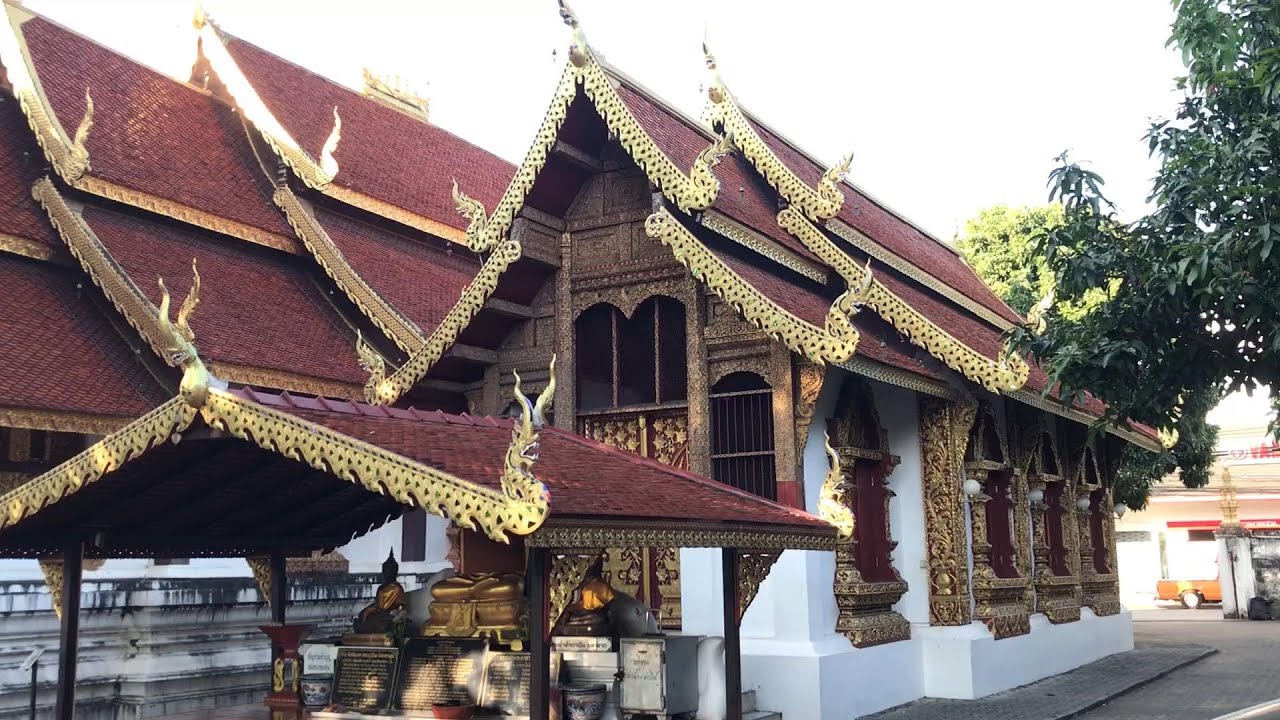
 Click to Access the Navigation Map GPS
Wat Samphao Map
Recommend

 Muang Chiang Mai(121)Chom Thong(47)Mae Chaem(25)Chiang Dao(33)Doi Saket(68)Mae Taeng(85)Mae Rim(69)Samoeng(29)Fang(71)Mae Ai(59)Phrao(70)San Pa Tong(103)San Kamphaeng(66)San Sai(73)Hang Dong(73)Hot(32)Doi Tao(22)Omkoi(11)Saraphi(74)Wiang Haeng(15)Chai Prakan(28)Mae Wang(32)Mae On(22)Doi Lo(34)Galyani Vadhana(1)


