
lovethailand home >North Travel Attractions >Chiang Mai Travel Attractions >Muang Chiang Mai >Wat Ket > Wat Chetuphon
TL;DR: Wat Chetuphon is located at Chetuphon Road, Wat Ket Subdistrict, Mueang Chiang Mai District, Chiang Mai Province, open Daily, hours 08.00 – 17.00.

Wat Chetuphon
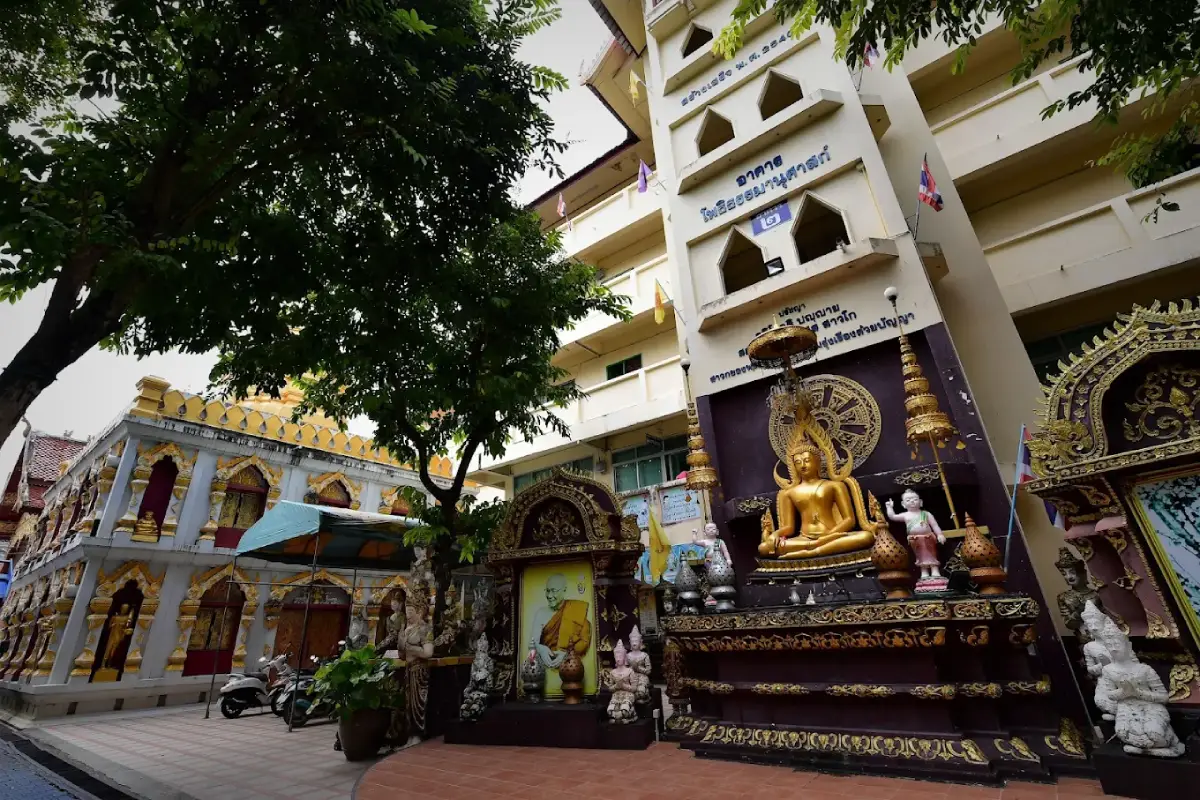
Open Days: Daily
Opening Hours: 08.00 – 17.00
Wat Chetuphon is an old Buddhist temple on Chetuphon Road in Wat Ket Subdistrict, Mueang Chiang Mai District, Chiang Mai Province. It is one of the historically significant community temples on the eastern side of the Ping River. The temple is important for its restoration from an abandoned temple site, its association with northern Chiang Mai rulers, Princess Dara Rasmi, Luang Yonakan Phichit, Chao Khun Phothirangsi, and its continuing role as the home of Chetuphon Suksa School under royal ecclesiastical patronage. For travelers seeking a deeper view of Chiang Mai beyond the old city’s main tourist temples, Wat Chetuphon combines Lanna history, temple architecture, monastic education, and riverside community context.
Wat Chetuphon is located at No. 5, Chetuphon Road, Wat Ket Subdistrict, Mueang Chiang Mai District, Chiang Mai Province 50000. It is a local Buddhist temple under the Mahanikaya order. The temple stands in the Wat Ket area, an old neighborhood on the eastern bank of the Ping River. This area has long been connected with trade, transport, education, riverside settlement, and the interaction of different communities in Chiang Mai. Wat Chetuphon should therefore be understood within the wider cultural landscape of Wat Ket, not only as an isolated temple compound.
Wat Chetuphon remains an active religious site. It has resident monks, sacred spaces for worship and ceremonies, and a monastic school that continues to operate within the temple grounds. Chetuphon Suksa School under royal ecclesiastical patronage provides general education, Dhamma studies, and Pali studies for monks and novices. This makes Wat Chetuphon both a place of worship and a center of Buddhist learning. Its present role is as important as its historical identity.
The name “Chetuphon” carries Buddhist associations and is connected with terms familiar from Buddhist tradition. Local information also records an older community memory linked with the name “Chetapan” before the present form “Chetuphon” came into use. The temple’s name therefore has both a religious dimension and a local linguistic dimension. It reflects how an old abandoned sacred site was remembered, renamed, and restored by the community over time.
The history of Wat Chetuphon has several layers. It is believed to be an old temple that existed for many generations, although the earliest construction period is not clearly recorded. At one point, the site became abandoned for a long time. Remains of the old temple included the base of a chedi, the base of an ubosot, the base of a viharn, boundary traces, and temple wall remains. These surviving elements show that the site had religious importance before it was restored into an active temple again.
The restoration of Wat Chetuphon is linked with King Inthawichayanon, the ruler of Chiang Mai. He played an important role in the revival of Chiang Mai, Buddhism, education, culture, and local administration during a major period of transition in northern Thailand. In the case of Wat Chetuphon, he supported the first stage of restoration after the site had long been abandoned. His involvement helped bring the temple back into religious and community use.
Temple records state that Wat Chetuphon was founded in 2380 B.E. by a monk named Phra Kham. Local tradition explains that Phra Kham was a monk known for strict observance of Buddhist discipline. When he came to stay at the old temple site, local residents developed faith in him and built wooden monks’ residences, a viharn, and an ubosot. Through the presence of the monk and the support of the community, the abandoned site gradually returned to life as a Buddhist temple.
In 2428 B.E., Phra Khantha from Wat Fai Hin became the abbot of Wat Chetuphon. He became central to the temple’s development because of his preaching, discipline, and regular observance of monastic practice. Northern nobles and local devotees supported the construction and restoration of temple structures, including temple walls, a large monks’ residence, and other religious buildings. Under his leadership, Wat Chetuphon gained stability and wider recognition.
Phra Khantha later received ecclesiastical rank during the time of King Inthawichayanon and subsequently received royal ecclesiastical recognition from King Chulalongkorn, Rama V. He became widely known as Chao Khun Phothirangsi. His importance lies not only in his titles but also in his role as a religious leader who gathered support, restored the temple, strengthened monastic education, and helped establish Wat Chetuphon as a respected Buddhist learning center in Chiang Mai.
One of the most important stories of Wat Chetuphon concerns the main viharn and its connection with a former royal residence building. After the passing of King Inthawichayanon in 2440 B.E., oral history records that Chao Kaew Nawarat and Princess Dara Rasmi dismantled a smaller Ho Kham associated with King Inthaworot Suriyawong and reused its materials to build the viharn of Wat Chetuphon. Luang Yonakan Phichit also participated in the merit-making by organizing skilled craftsmen and donating additional timber when the original wood was not sufficient for the construction.
This connection with a Ho Kham gives the viharn of Wat Chetuphon strong architectural and historical value. A Ho Kham was associated with the ruler’s residence and the old Chiang Mai court. When materials from such a building were used for a temple viharn, the structure became a bridge between Lanna court culture, Buddhist devotion, local craftsmanship, and community merit-making. Visitors should therefore view the main viharn not only as a beautiful religious building but also as a vessel of social memory.
The main viharn was restored again in 2545 B.E. because the building had deteriorated. This restoration helped preserve one of the temple’s most important structures for continued use. Visitors should spend time observing the viharn’s structure, roof form, wooden elements, decorative details, pillars, ceiling, and interior atmosphere. The viharn is the heart of Wat Chetuphon’s story and one of the strongest reasons to visit the temple carefully.
The temple compound includes several important structures: the ubosot, preaching hall, monks’ residences, viharn, multi-purpose hall, monastic school building, Phra Than Jai viharn, kitchen, and chedi. These buildings allow Wat Chetuphon to function as a complete community temple. It supports worship, Sangha ceremonies, Buddhist education, merit-making, community activities, and the daily life of monks and novices.
The ubosot is central to the temple’s formal monastic status. Wat Chetuphon received its Wisungkhamsima on 5 May 2475 B.E., with the consecrated boundary measuring 6 meters wide and 16 meters long. The ubosot is used for important Sangha rites, including ordination and formal monastic acts requiring a consecrated boundary. Visitors should view the ubosot together with the viharn and chedi to understand the temple’s sacred layout.
The chedi is another important sacred point in the temple. In Lanna Buddhist temples, the chedi is often the symbolic center of sacred space. It represents reverence for Buddhism, continuity of faith, and the devotional life of the community. Visitors should walk around the chedi respectfully and observe its base, body, upper elements, finial, and surrounding area. The chedi helps connect the temple’s earlier abandoned remains with its restored present form.
The Phra Than Jai viharn gives the temple a strong connection with contemporary devotional practice. Phra Than Jai is a form of sacred worship found in many parts of northern Thailand. Worshippers often pray for success, fulfillment, and relief from life’s obstacles. A visit to this sacred point should be approached with calm intention and good conduct. The temple offers both a place for prayer and a place for Buddhist reflection.
Important Buddha images recorded within the temple include brass Buddha images in the meditation posture and a brass Buddha image in Dhammakaya-related style, along with Buddha images in the viharn. These sacred objects show that Wat Chetuphon has accumulated religious art and devotional offerings across different periods. Like many old temples, it preserves layers of faith from multiple generations.
The educational role of Wat Chetuphon is especially important. Historical information records the opening of Dhamma studies in 2474 B.E., Pali studies in 2429 B.E., general education in 2527 B.E., and later Buddhist Sunday education and early-childhood training activities within the temple. Today, Chetuphon Suksa School under royal ecclesiastical patronage continues to provide education for monks and novices. This makes Wat Chetuphon a significant monastic education site in Chiang Mai.
Chetuphon Suksa School offers education from Mathayom 1 to Mathayom 6, together with Dhamma and Pali curricula. This role makes Wat Chetuphon more than a travel destination. It is a working Buddhist educational institution where monastic learning and general education are integrated. Visitors interested in Chiang Mai temples should understand the temple through the combined lens of worship, learning, and community service.
The temple’s association with royal ecclesiastical patronage also reflects its importance in Buddhist education. Current school information shows that the institution continues to recruit young men for ordination and study. This confirms that Wat Chetuphon remains institutionally active. Its role is not limited to historical preservation; it continues to support monastic life and Buddhist learning in the present.
Phra Maha Wiset Panyawachiro appears in contemporary information related to Wat Chetuphon and monastic education. His name is associated with the temple and the Buddhist education network. Including this caretaker information helps visitors and readers understand that Wat Chetuphon continues to have active religious leadership and administrative continuity.
A practical visit to Wat Chetuphon can be divided into five zones. The first is the main viharn zone, where visitors can pay respect and learn about the Ho Kham connection. The second is the ubosot zone, which explains the temple’s formal monastic boundary. The third is the chedi zone, the symbolic sacred center. The fourth is the Phra Than Jai viharn and important Buddha image zone. The fifth is the monastic school, preaching hall, and community activity zone, which reveals the temple’s educational and social role.
The best time to visit Wat Chetuphon is in the morning or late afternoon, when the weather is more comfortable and natural light is suitable for viewing architecture. A basic visit takes about 45 minutes to 1 hour. Visitors who want to study the main viharn, Ho Kham story, Chao Khun Phothirangsi, monastic education, and the Wat Ket neighborhood should allow at least 1.5 hours.
Getting There is convenient from central Chiang Mai. Travelers can cross to the eastern side of the Ping River into the Wat Ket area, then use Kaew Nawarat Road or Chetuphon Road. The temple is near Nakornping Bridge, Nawarat Bridge, Warorot Market, and Chiang Mai Arcade Bus Station. Drivers can search for “Wat Chetuphon, Chetuphon Road, Wat Ket” or use the coordinates 18.79755, 99.00362.
Travelers without a car can use red songthaews, local hired vehicles, or app-based transport from central Chiang Mai. From the old city, the route crosses the Ping River to Wat Ket and continues to Chetuphon Road. Travel time is usually short when traffic is light, but extra time should be allowed during morning and evening peak periods because Kaew Nawarat Road and bridge areas can be busy.
Wat Chetuphon can be combined with nearby temples and riverside community sites, including Wat Ket Karam, the Wat Ket Community Museum, Wat Sri Khong, Wat San Pa Khoi, Nawarat Bridge, Warorot Market, Wat Buppharam, Wat Chetawan, the Iron Bridge, and Tha Phae Gate. This route helps visitors see Chiang Mai through old riverside communities, trade routes, temples outside the old city walls, and the cultural life of the Ping River area.
Restaurants near Wat Chetuphon include cafés, Italian restaurants, Indian curry houses, riverside restaurants, and Thai or northern Thai dining options around Wat Ket and Charoen Rat Road. Visitors can plan a morning temple visit followed by lunch or coffee in the Wat Ket area. This makes Wat Chetuphon a practical stop for a half-day cultural route.
Accommodations near Wat Chetuphon range from small guesthouses and hotels near the bus station to riverside boutique resorts and heritage-style stays around Wat Ket and Charoen Rat Road. The area is convenient for travelers who want to stay close to Warorot Market, Nawarat Bridge, Wat Ket, the Ping River, and Chiang Mai Arcade Bus Station while remaining outside the most crowded parts of the old city.
Visitors should dress respectfully when entering Wat Chetuphon. Shoulders and knees should be covered, shoes should be removed before entering the viharn or ubosot, and voices should be kept low. Visitors should not touch Buddha images, wooden elements, decorative surfaces, or ritual objects without permission. Because the temple includes a monastic school, visitors should also avoid disturbing monks, novices, students, or educational activities.
For photography, Wat Chetuphon offers several meaningful points: the main viharn, chedi, ubosot, gateways, temple courtyard, and Lanna architectural details. Morning and late afternoon light are preferable to harsh midday sunlight. Photography should be done respectfully, without disturbing worshippers or students, and without using flash where it may affect old objects or decorated surfaces.
Compared with the major temples inside Chiang Mai’s old city, Wat Chetuphon offers a quieter and more institutionally rooted experience. Its value lies in the restoration of an abandoned temple, the support of northern rulers, the Ho Kham-related viharn, Chao Khun Phothirangsi, and the ongoing monastic school under royal ecclesiastical patronage. Travelers who have already visited Wat Phra Singh, Wat Chedi Luang, or Wat Chiang Man will find Wat Chetuphon useful for understanding another side of Chiang Mai’s Buddhist landscape.
In summary, Wat Chetuphon is an old temple in Wat Ket Subdistrict with historical, architectural, religious, educational, and community value. It grew from an abandoned temple site with remains of a chedi, ubosot, viharn, and boundary walls before being restored during the time of King Inthawichayanon. Its key features include the main viharn associated with a former Ho Kham, the chedi, ubosot, Phra Than Jai viharn, monastic school, and the legacy of Chao Khun Phothirangsi. For travelers who want a deeper Chiang Mai temple experience beyond the main tourist circuit, Wat Chetuphon is a meaningful stop in the Wat Ket and Ping River area.
| Name | Wat Chetuphon |
| Location | Chetuphon Road, Wat Ket Subdistrict, Mueang Chiang Mai District, Chiang Mai Province |
| Address | No. 5, Chetuphon Road, Wat Ket Subdistrict, Mueang Chiang Mai District, Chiang Mai Province 50000, Thailand |
| Coordinates | 18.79755, 99.00362 |
| Temple Type | Local Buddhist Temple Under The Mahanikaya Order |
| Highlights | Old temple in Wat Ket, main viharn linked with a former Ho Kham, chedi, ubosot, Phra Than Jai viharn, monastic school, and restoration history supported by northern Chiang Mai rulers |
| History | Founded in 2380 B.E. by Phra Kham, granted Wisungkhamsima on 5 May 2475 B.E., and restored from an abandoned temple site during the time of King Inthawichayanon |
| Name Origin | Connected with the older local name “Chetapan” before becoming “Chetuphon,” a name carrying Buddhist associations |
| Important Historical Figures | King Inthawichayanon, Princess Dara Rasmi, Chao Kaew Nawarat, Luang Yonakan Phichit, Phra Khantha, and Chao Khun Phothirangsi |
| Important Features Inside The Temple | Main viharn, ubosot, preaching hall, monks’ residences, Phra Than Jai viharn, multi-purpose hall, monastic school building, kitchen, chedi, and important Buddha images |
| Educational Role | Home of Chetuphon Suksa School under royal ecclesiastical patronage, offering secondary education, Dhamma studies, and Pali studies |
| Suggested Visit Zones | Main viharn zone, ubosot zone, chedi zone, Phra Than Jai viharn and important Buddha image zone, and monastic school–preaching hall–community activity zone |
| Travel Information | Travel from central Chiang Mai to the Wat Ket area via Kaew Nawarat Road or Chetuphon Road. The temple is near Nakornping Bridge, Nawarat Bridge, Warorot Market, and Chiang Mai Arcade Bus Station |
| Current Status | Active community temple and religious site in Wat Ket Subdistrict, with an operating monastic school inside the temple grounds |
| Open Days | Daily |
| Opening Hours | 08.00 – 17.00 |
| Entrance Fee | No verified entrance-fee rate was found in the checked sources |
| Abbot / Caretaker | Phra Maha Wiset Panyawachiro |
| Verified Contact Numbers | 053-246-299, 081-746-8783 |
| Facilities | Viharn, ubosot, preaching hall, monks’ residences, multi-purpose hall, kitchen, monastic school building, and community religious activity areas |
| Nearby Tourist Attractions | 1. Wat Ket Karam And Wat Ket Community Museum, about 1 km 2. Wat San Pa Khoi, about 1 km 3. Nawarat Bridge, about 1 km 4. Warorot Market, about 2 km 5. Wat Buppharam, about 2 km 6. Wat Chetawan, about 2 km 7. Iron Bridge, about 2 km 8. Tha Phae Gate, about 3 km |
| Nearby Restaurants | 1. YOLO Cafe Chiangmai, about 0.4 km, Tel. 061-332-6462, 064-079-8984 2. PATUS PASTA, about 1 km, Tel. 061-526-6296 3. Hinlay Curry House, about 1 km, Tel. 053-242-621 4. The Riverside Bar & Restaurant, about 1 km, Tel. 053-243-239 5. The Good View Bar & Restaurant, about 2 km, Tel. 053-241-886 6. The Gallery Restaurant, about 2 km, Tel. 053-248-601 |
| Nearby Accommodations | 1. Baan Orapin, about 1 km, Tel. 081-530-9850 2. RatiLanna Riverside Spa Resort, about 2 km, Tel. 053-247-000, 053-303-030 3. The Y Smart Hotel, about 2 km, Tel. 085-310-0055 4. Poi De Ping Guest House, about 2 km, Tel. 086-157-1021 5. Cross Chiang Mai Riverside, about 3 km, Tel. 053-931-999 6. Baan Singkham Resort, about 3 km, Tel. 082-386-8887 |
Frequently Asked Questions (FAQ)
Q: Where is Wat Chetuphon located?
A: Wat Chetuphon is located at No. 5, Chetuphon Road, Wat Ket Subdistrict, Mueang Chiang Mai District, Chiang Mai Province 50000, near Wat Ket, the Ping River, Warorot Market, and Nawarat Bridge.
Q: Why is Wat Chetuphon important?
A: Wat Chetuphon is an old Chiang Mai temple restored from an abandoned site. It is connected with King Inthawichayanon, Princess Dara Rasmi, Luang Yonakan Phichit, Chao Khun Phothirangsi, and monastic education in Chiang Mai.
Q: When was Wat Chetuphon founded?
A: Temple records state that Wat Chetuphon was founded in 2380 B.E. by Phra Kham and received its Wisungkhamsima on 5 May 2475 B.E.
Q: What is special about the main viharn at Wat Chetuphon?
A: The main viharn is associated with the reuse of materials from a smaller Ho Kham connected with King Inthaworot Suriyawong. Princess Dara Rasmi, Chao Kaew Nawarat, and Luang Yonakan Phichit are linked with this important construction and merit-making story.
Q: What can visitors see inside Wat Chetuphon?
A: Visitors can see the main viharn, ubosot, chedi, Phra Than Jai viharn, preaching hall, monks’ residences, monastic school building, and important Buddha images.
Q: What are the opening hours of Wat Chetuphon?
A: Wat Chetuphon is open daily from 08.00 to 17.00.
Q: Does Wat Chetuphon have a monastic school?
A: Yes. Wat Chetuphon is home to Chetuphon Suksa School under royal ecclesiastical patronage, offering secondary education, Dhamma studies, and Pali studies.
Q: What nearby places can be visited with Wat Chetuphon?
A: Nearby places include Wat Ket Karam, the Wat Ket Community Museum, Wat San Pa Khoi, Nawarat Bridge, Warorot Market, Wat Buppharam, Wat Chetawan, the Iron Bridge, and Tha Phae Gate.
 Category: ●Places of Worship
 Group: ●Temple
Last Update : 4 WeekAgo
 Last Update : 4 WeekAgo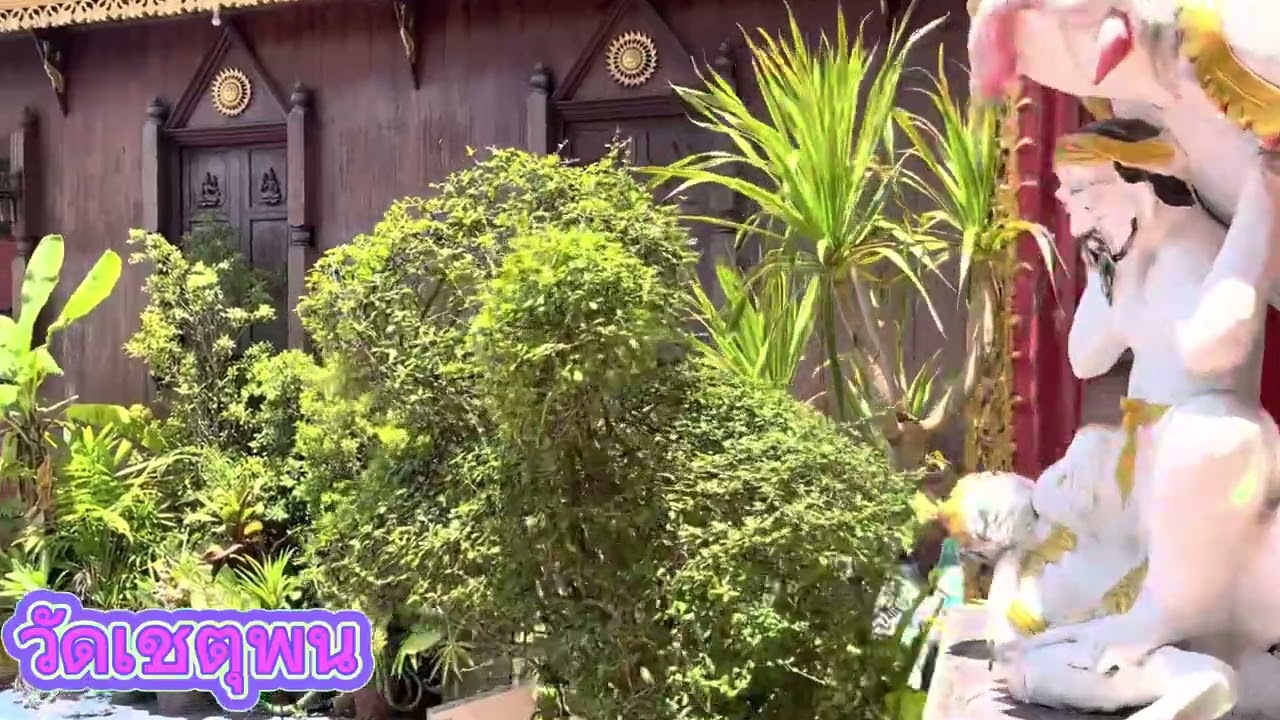
 Click to Access the Navigation Map GPS
Wat Chetuphon Map
Recommend

 Muang Chiang Mai(121)Chom Thong(47)Mae Chaem(25)Chiang Dao(33)Doi Saket(68)Mae Taeng(85)Mae Rim(69)Samoeng(29)Fang(71)Mae Ai(59)Phrao(70)San Pa Tong(103)San Kamphaeng(66)San Sai(73)Hang Dong(73)Hot(32)Doi Tao(22)Omkoi(11)Saraphi(74)Wiang Haeng(15)Chai Prakan(28)Mae Wang(32)Mae On(22)Doi Lo(33)Galyani Vadhana(1)


