
lovethailand home >North Travel Attractions >Chiang Mai Travel Attractions >Muang Chiang Mai >Phra Sing > Wat Phan On
TL;DR: Wat Phan On is located at Phra Sing Subdistrict, Mueang Chiang Mai District, Chiang Mai Province, open Daily.
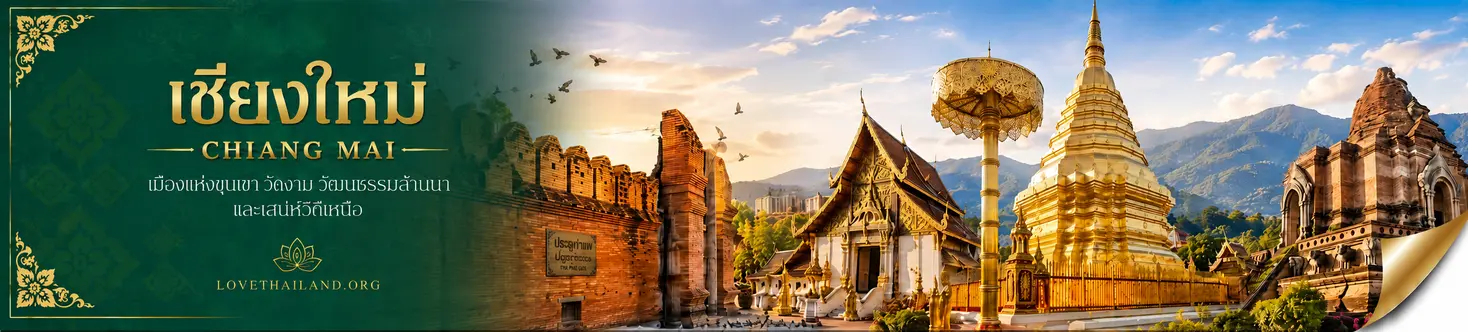
Wat Phan On
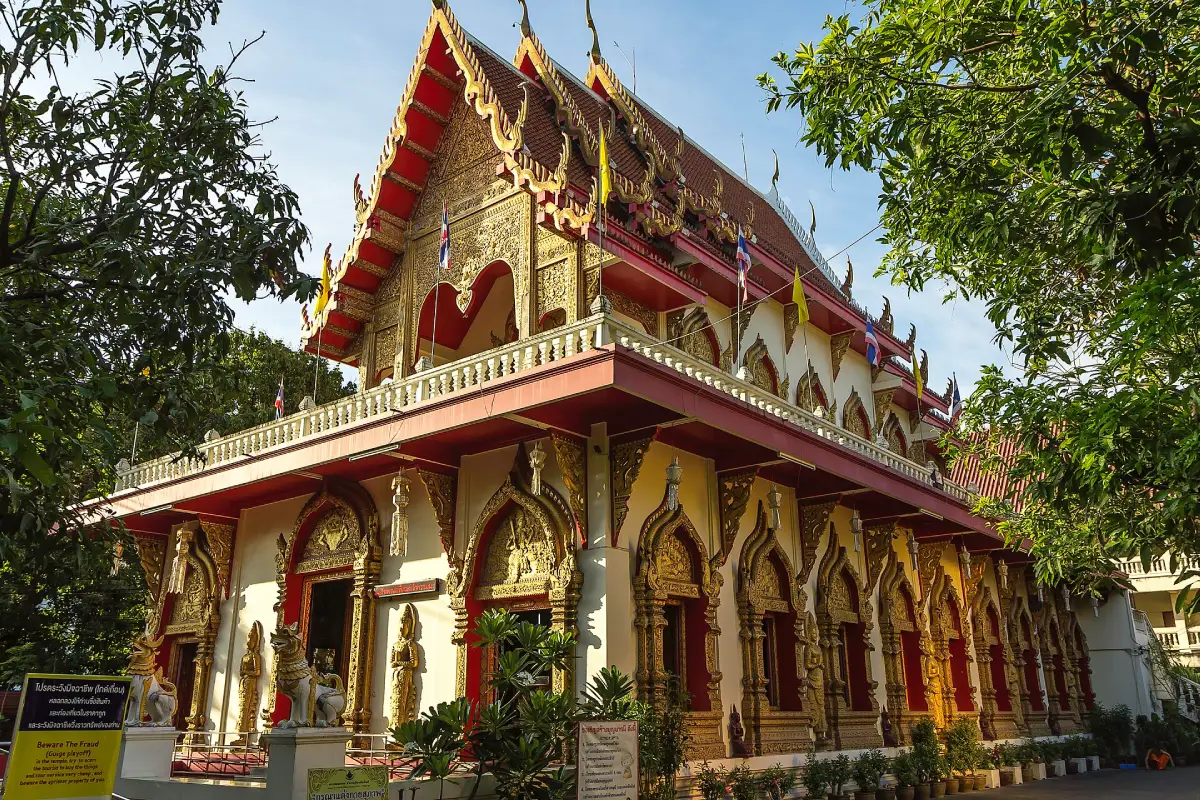
Open Days: Daily
General Visiting Hours: 08.00 – 17.00
Admission Fee: Free Admission
Wat Phan On is an old Buddhist temple in Chiang Mai’s historic old city. It is located at 75 Ratchadamnoen Road, Phra Sing Subdistrict, Mueang Chiang Mai District, Chiang Mai Province, on the important walking route between Tha Phae Gate and Wat Phra Singh Woramahawihan. The temple is a local Buddhist monastery under the Mahanikaya order and is closely associated with Chiang Mai’s Sunday Walking Street. Although it is compact, Wat Phan On has a long history dating to around 2044 B.E. during the reign of King Mueang Kaeo, also known as Phaya Kaeo, the 13th Lanna king of the Mangrai Dynasty. Its important features include an octagonal chedi, Phra Chedi Saririkathat Sirirak, a two-storey ordination hall, a viharn, a shaded Bodhi tree courtyard, a sermon hall, and active community religious spaces.
The temple’s appeal lies in the way it combines old-city accessibility with the calm character of a local monastery. Wat Phan On stands on one of Chiang Mai’s busiest cultural streets, yet it still offers a quiet pause for worship, observation, and reflection. It is not as large as the best-known landmark temples in the city, but its story helps visitors understand Lanna social history through temple naming, local patronage, the merger with the former Wat Chedi Khwan, its role as a provincial monastic school site, and its continuing function as a Buddhist and community space on Ratchadamnoen Road.
The name “Wat Phan On” is directly connected with the temple’s founder. In Lanna society, “phan” referred to a lower-ranking official or noble rank, while “On” was the founder’s personal name. According to temple history, the temple was founded by a man of the rank Phan named On, and the temple was named after his rank and personal name. This naming pattern can also be seen in other Chiang Mai temples such as Wat Phan On, Wat Phan Tao, Wat Phan Tong, and Wat Phan Waen. Such names preserve the relationship between Buddhist merit-making, local officials, family identity, and community patronage in old Lanna society.
Wat Phan On was founded during the reign of King Mueang Kaeo in the early 21st Buddhist century, a period when Lanna Buddhism, monastic education, and religious art were highly developed. The year 2044 B.E. gives the temple a strong historical frame. Even though several of the present buildings have been restored or rebuilt, the temple name, location, compound history, and local memory preserve its connection with the Lanna period. Visitors should therefore see Wat Phan On not as a modern tourist stop, but as an old religious site that has continued to adapt within Chiang Mai’s living old city.
The area of Wat Phan On originally contained two small temples: Wat Phan On and Wat Chedi Khwan. Wat Chedi Khwan was located to the west of Wat Phan On and is believed to have been founded around the same period. Later, the two temples were merged and became known as Wat Chedi Khwan Phan On. Over time, people shortened the name to Wat Phan On, which remains the common name today. This history makes the temple important for understanding how small religious sites in Chiang Mai’s old city were consolidated and adapted over time.
In 2474 B.E., during the period of Chao Kaew Nawarat, the ninth and last ruler of Chiang Mai, the provincial Sangha considered Wat Phan On a suitable central location for a provincial monastic school. Because the original temple compound was limited in size, the temple expanded westward into the area of the former Wat Chedi Khwan. This gave Wat Phan On a stronger educational role and increased the importance of its compound within the old city’s Buddhist landscape.
In 2498 B.E., the old Chedi Khwan was removed and replaced by a sermon hall. The chedi itself is no longer visible today, surviving mainly through historical records and local memory. This detail is important because it shows how temple compounds in Chiang Mai have changed according to changing needs. Some structures disappeared, while new buildings were added to support education, ceremonies, and community life. Wat Phan On therefore contains not only visible architecture, but also the memory of buildings and sacred spaces that once stood within its compound.
The temple land covers 3 rai, 1 ngan, and 43 square wah under title deed number 3526. The northern side borders Ratchadamnoen Road, the southern side borders Samakkhi Tham Church and the Chiang Mai provincial treasury residence area, the eastern side borders Ratchadamnoen Soi 4, and the western side borders Ratchapakhinai Road. This location places Wat Phan On at an important urban junction within the old city, connecting Ratchadamnoen Road, old community lanes, Tha Phae Gate, and nearby temple routes.
The chedi is one of the most important features of Wat Phan On. It is an octagonal chedi with Buddha-image niches on four sides and has been restored several times. The chedi is closely connected with the temple’s early history because it is described as having been built along with the temple. Its octagonal form gives it a different architectural character from many common bell-shaped Lanna stupas in Chiang Mai. Visitors should walk around the chedi carefully to observe its proportions, niches, and relationship with the surrounding temple buildings.
The current golden chedi is widely known as Phra Chedi Saririkathat Sirirak. Around the chedi are niches containing Buddha images, giving the structure a strong devotional presence. Its bright golden surface makes it one of the most recognizable features of Wat Phan On today and a popular subject for visitors walking along Ratchadamnoen Road. During the Sunday Walking Street period, many visitors notice the chedi while passing the temple, but it is worth visiting during quieter hours to appreciate it respectfully.
Although the golden chedi is the most visible image of Wat Phan On today, the temple is best understood together with the history of the former Chedi Khwan and the temple’s gradual physical changes. Wat Phan On has gone through construction, merger, removal of an old chedi, the building of a sermon hall, and adaptation for education and community use. Like many old temples in Chiang Mai, its present form is the result of centuries of religious continuity, urban change, restoration, and local need.
The ordination hall of Wat Phan On is a two-storey building constructed in the modern period. Its style combines Lanna and central Thai artistic influences. Inside, both side walls contain paintings of important Buddhist places in India and Nepal. This makes the ordination hall not only a space for formal monastic acts, but also a visual link between Lanna Buddhism and the broader Buddhist world. Visitors can understand the temple’s religious imagination through these murals, which connect Chiang Mai with major sites of Buddhist history beyond Thailand.
The two-storey form of the ordination hall also reflects the practical use of space in Chiang Mai’s old city, where temple compounds are often compact and surrounded by roads, houses, shops, and guesthouses. The building allows the temple to support worship, ceremonies, and community use within limited space. Its blend of Lanna and central Thai forms shows how the temple continues to evolve while preserving the atmosphere of a northern Thai Buddhist monastery.
Important Buddha images at Wat Phan On include a replica of Phra Phuttha Chinnarat inside the ordination hall and Phra Phuttha Mongkhon Maha Muni, an old principal Buddha image connected with the temple since its early period. The Phra Phuttha Chinnarat replica reflects the wider Thai practice of enshrining replicas of highly revered Buddha images in local temples, while Phra Phuttha Mongkhon Maha Muni preserves the temple’s own historical devotion. Together, these images link national Buddhist reverence with local Lanna memory.
The viharn is another important space within the temple. In a Lanna temple, the viharn usually serves as the accessible devotional hall where worshippers pay respect, listen to teachings, and join religious activities. At Wat Phan On, the relationship between the viharn, chedi, courtyard, and Bodhi tree creates a peaceful atmosphere in the middle of one of Chiang Mai’s most visited walking streets.
The temple courtyard is known for its shade and accessible setting. Visitors walking through the old city often use Wat Phan On as a quiet resting point, especially along Ratchadamnoen Road. The courtyard is also part of the temple’s community function, particularly during periods when the Sunday Walking Street brings many people into the area. Visitors should treat the courtyard respectfully, keeping it clean and quiet because the same space serves monks, worshippers, local residents, vendors, and travelers.
Wat Phan On has a distinctive relationship with the Sunday Walking Street. On Sunday evenings, Ratchadamnoen Road becomes a lively walking street with local food, handicrafts, and cultural activity. Because the temple is located directly on this route, the surrounding area becomes especially active. This gives the temple two contrasting rhythms: a calm daytime atmosphere suitable for worship and architectural observation, and a more energetic Sunday evening atmosphere when the old city becomes a lively cultural marketplace.
Wat Phan On remains an active Buddhist temple today. In 2568 B.E., Rajamangala University of Technology Lanna held its annual Kathin merit-making ceremony at Wat Phan On in Phra Sing Subdistrict, Mueang Chiang Mai District, with Phra Khru Amon Thammathat, the abbot of Wat Phan On, presiding on the monastic side. This recent activity confirms that the temple remains a living religious site connected with the Sangha, educational institutions, alumni, students, staff, and the public.
Getting There is very convenient. From Tha Phae Gate, visitors can walk straight west along Ratchadamnoen Road into the old city, and Wat Phan On is located not far from the eastern city gate area. From Wat Phra Singh, visitors can walk east along Ratchadamnoen Road. From Wat Chedi Luang or Wat Phan Tao, the temple can be reached by walking through Prapokklao Road or nearby old-city lanes. Travelers staying inside the old city can usually walk to the temple, while those coming from outside the moat can use a red songthaew, tuk-tuk, motorcycle taxi, or private car.
Visitors driving to Wat Phan On should plan carefully because the temple stands on Ratchadamnoen Road, one of the most important streets in the old city. On Sunday evenings, the road is affected by the Sunday Walking Street and can become very crowded. Walking from nearby accommodation or using local transport is often easier. Visitors who want to combine several temples can follow a route from Tha Phae Gate to Wat Phan On, Wat Samphao, Wat Muen Larn, Wat Chedi Luang, Wat Phan Tao, and Wat Phra Singh in one old-city walk.
The best time to visit Wat Phan On is in the morning or late afternoon. These periods are more comfortable for walking and suitable for worship, viewing the golden chedi, photographing the temple buildings, and continuing to nearby temples. Visitors seeking a quieter atmosphere should come on weekdays or earlier on Sunday before the walking street becomes active. Visitors interested in Chiang Mai’s lively contemporary street culture may enjoy the area on Sunday evening, while still observing proper temple etiquette inside the compound.
Wat Phan On can be included in several old-city routes. A central worship route can connect it with Wat Muen Larn, Wat Samphao, Wat Chedi Luang, Wat Phan Tao, and Wat Phra Singh Woramahawihan. A Sunday Walking Street route can begin at Tha Phae Gate, stop at Wat Phan On, and continue toward the old city center. A thematic route focusing on temples named after founders or ranks can connect Wat Phan On with Wat Phan Tao, Wat Phan Tong, and Wat Phan Waen to understand naming customs in Lanna local temples.
Visitors should follow normal Thai temple etiquette. Dress respectfully, speak quietly, remove shoes before entering designated sacred buildings, do not disturb monks or worshippers, and do not touch Buddha images, religious objects, decorative details, or temple structures without permission. During the Sunday Walking Street period, visitors should clearly respect the difference between market activity outside or around the temple and sacred areas inside the temple compound.
In summary, Wat Phan On is far more than a convenient stop on Chiang Mai’s Sunday Walking Street. It is an old temple founded around 2044 B.E. during the reign of King Mueang Kaeo, named after a local official of the rank Phan whose personal name was On. Its history includes the merger with Wat Chedi Khwan, a role in provincial monastic education, an octagonal chedi, Phra Chedi Saririkathat Sirirak, a two-storey ordination hall with Buddhist-site murals, a Phra Phuttha Chinnarat replica, Phra Phuttha Mongkhon Maha Muni, and continuing religious activity under Phra Khru Amon Thammathat. For visitors who want to understand Chiang Mai through old temples, community history, Lanna Buddhist art, and walkable old-city culture, Wat Phan On is a meaningful place to include in the itinerary.
| Name | Wat Phan On |
| Related Name | Wat Chedi Khwan Phan On |
| Temple Type | Local Buddhist temple under the Mahanikaya order |
| Location | Phra Sing Subdistrict, Mueang Chiang Mai District, Chiang Mai Province |
| Address | 75 Ratchadamnoen Road, Phra Sing Subdistrict, Mueang Chiang Mai District, Chiang Mai Province 50200 |
| Coordinates | Latitude 18.787710955, Longitude 98.9909520206 |
| Highlights | Old temple on Ratchadamnoen Road, octagonal chedi, Phra Chedi Saririkathat Sirirak, two-storey ordination hall, Phra Phuttha Chinnarat replica, Phra Phuttha Mongkhon Maha Muni, and a shaded courtyard near the Sunday Walking Street route |
| History | Founded around 2044 B.E. during the reign of King Mueang Kaeo, the 13th Lanna king of the Mangrai Dynasty |
| Name Origin | Named after the founder, a local official with the rank “Phan” and the personal name “On,” following a Lanna practice of naming local temples after the founder’s rank and name |
| Temple Area | 3 rai, 1 ngan, and 43 square wah under title deed number 3526 |
| Boundary Summary | North: Ratchadamnoen Road; South: Samakkhi Tham Church and Chiang Mai provincial treasury residence area; East: Ratchadamnoen Soi 4; West: Ratchapakhinai Road |
| Chedi | An octagonal chedi with Buddha-image niches on four sides; an important temple structure restored several times |
| Important Chedi | Phra Chedi Saririkathat Sirirak, the golden chedi that is one of Wat Phan On’s most recognizable present-day landmarks |
| Ordination Hall | A two-storey building combining Lanna and central Thai artistic influences, with murals of important Buddhist sites in India and Nepal |
| Important Buddha Images | Phra Phuttha Chinnarat replica and Phra Phuttha Mongkhon Maha Muni, an old principal Buddha image connected with the temple’s early history |
| Former Temple Area | The area originally included Wat Phan On and Wat Chedi Khwan, later merged as Wat Chedi Khwan Phan On before becoming commonly known as Wat Phan On |
| Educational Role | Considered suitable as a provincial monastic school site during the period of Chao Kaew Nawarat because of its central old-city location |
| Abbot / Caretaker | Phra Khru Amon Thammathat |
| Current Status | Open to worshippers and visitors; it remains an active old-city temple with ongoing religious and community activities |
| Open Days | Daily |
| General Visiting Hours | 08.00 – 17.00 |
| Admission Fee | Free admission |
| Travel Information | Accessible from Tha Phae Gate, Ratchadamnoen Road, Wat Chedi Luang, Wat Phan Tao, and Wat Phra Singh by walking, red songthaew, tuk-tuk, motorcycle taxi, or private car |
| Facilities | Viharn, ordination hall, temple courtyard, worship areas, sermon hall, Sala Amon Thammathat Sattha Uppatham, shaded Bodhi tree area, and limited parking depending on old-city conditions |
| Main Areas / Zones | Entrance area, viharn, ordination hall, Phra Chedi Saririkathat Sirirak, courtyard, Bodhi tree area, sermon hall, former Chedi Khwan area, and religious activity spaces |
| Nearby Tourist Attractions | 1. Sunday Walking Street, about 0 km 2. Wat Samphao, about 0.1 km 3. Tha Phae Gate, about 0.3 km 4. Wat Muen Larn, about 0.3 km 5. Wat Phan Tao, about 0.5 km 6. Wat Chedi Luang, about 0.6 km 7. Three Kings Monument, about 0.7 km 8. Wat Chiang Man, about 0.9 km |
| Nearby Restaurants | 1. Sailomjoy Restaurant, about 0.3 km 2. Aroon Rai Restaurant, about 0.5 km, Tel. 053-276-947 3. UGO Restaurant, about 0.5 km, Tel. 095-448-8475 4. THE HOUSE by Ginger, about 0.7 km, Tel. 053-287-681 5. See You Soon Cafe, about 0.7 km, Tel. 081-880-8380 6. Coconut Shell, about 0.8 km, Tel. 086-654-2746 7. Huen Phen, about 0.9 km, Tel. 053-814-548 8. Dash Teak House, about 1 km, Tel. 053-279-230 |
| Nearby Accommodations | 1. Tamarind Village Chiang Mai, about 0.1 km, Tel. 053-418-896 2. U Chiang Mai Hotel, about 0.1 km, Tel. 053-327-000 3. Moon Dragon Hotel, about 0.2 km, Tel. 053-270-664 4. Makka Hotel, about 0.4 km, Tel. 053-281-636 5. Bodhi Serene Chiang Mai, about 0.7 km, Tel. 053-903-900 6. Rachamankha Boutique Hotel, about 1.1 km, Tel. 053-904-111 |
Frequently Asked Questions (FAQ)
Q: Where is Wat Phan On located?
A: Wat Phan On is located at 75 Ratchadamnoen Road, Phra Sing Subdistrict, Mueang Chiang Mai District, Chiang Mai Province, inside Chiang Mai’s old city near Tha Phae Gate, Wat Phan Tao, Wat Chedi Luang, and the Sunday Walking Street route.
Q: What are the opening days and visiting hours of Wat Phan On?
A: Wat Phan On is open daily. The general visiting period is 08.00 to 17.00, which is suitable for worship, viewing the chedi, visiting the viharn and ordination hall, and continuing to nearby old-city temples.
Q: Is there an admission fee at Wat Phan On?
A: Wat Phan On has free admission. Visitors may make donations according to personal faith and should follow respectful temple etiquette.
Q: When was Wat Phan On founded?
A: Wat Phan On was founded around 2044 B.E. during the reign of King Mueang Kaeo, the 13th Lanna king of the Mangrai Dynasty.
Q: What is the origin of the name Wat Phan On?
A: The name comes from the temple’s founder, a local official with the rank “Phan” and the personal name “On.” This follows a Lanna practice of naming local temples after the founder’s rank and name.
Q: What are the important features inside Wat Phan On?
A: Important features include the octagonal chedi, Phra Chedi Saririkathat Sirirak, the viharn, the two-storey ordination hall, a Phra Phuttha Chinnarat replica, Phra Phuttha Mongkhon Maha Muni, the sermon hall, and the shaded Bodhi tree courtyard.
Q: How is Wat Phan On connected with the Sunday Walking Street?
A: Wat Phan On stands directly on Ratchadamnoen Road, the main Sunday Walking Street route. On Sunday evenings, the area around the temple becomes lively with food stalls, handicrafts, local products, and many old-city visitors.
Q: What nearby places can be included in the same route?
A: Nearby places include the Sunday Walking Street, Wat Samphao, Tha Phae Gate, Wat Muen Larn, Wat Phan Tao, Wat Chedi Luang, the Three Kings Monument, and Wat Chiang Man.
 Category: ●Places of Worship
 Group: ●Temple
Last Update : 3 DayAgo
 Last Update : 3 DayAgo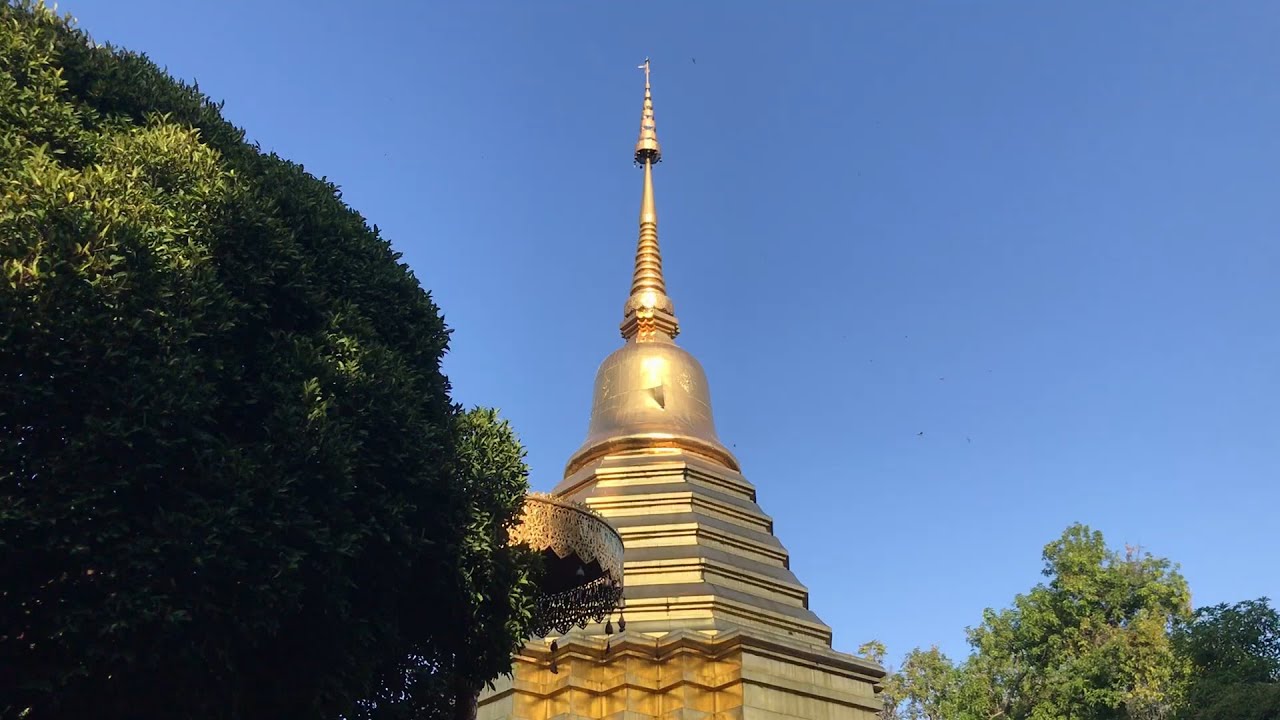
 Click to Access the Navigation Map GPS
Wat Phan On Map
Recommend

 Muang Chiang Mai(121)Chom Thong(47)Mae Chaem(25)Chiang Dao(33)Doi Saket(68)Mae Taeng(85)Mae Rim(69)Samoeng(29)Fang(71)Mae Ai(62)Phrao(70)San Pa Tong(105)San Kamphaeng(66)San Sai(73)Hang Dong(74)Hot(32)Doi Tao(22)Omkoi(11)Saraphi(74)Wiang Haeng(15)Chai Prakan(28)Mae Wang(32)Mae On(22)Doi Lo(34)Galyani Vadhana(1)


