
lovethailand home >North Travel Attractions >Chiang Mai Travel Attractions >Hang Dong >Nam Phrae > Wat Khet Khitchawat
TL;DR: Wat Khet Khitchawat is located at Ban Nam Phrae, Moo 4, Nam Phrae Subdistrict, Hang Dong District, Chiang Mai Province, open Daily, hours Daytime visits are recommended.

Wat Khet Khitchawat
Open Days: Daily
Opening Hours: Daytime visits are recommended
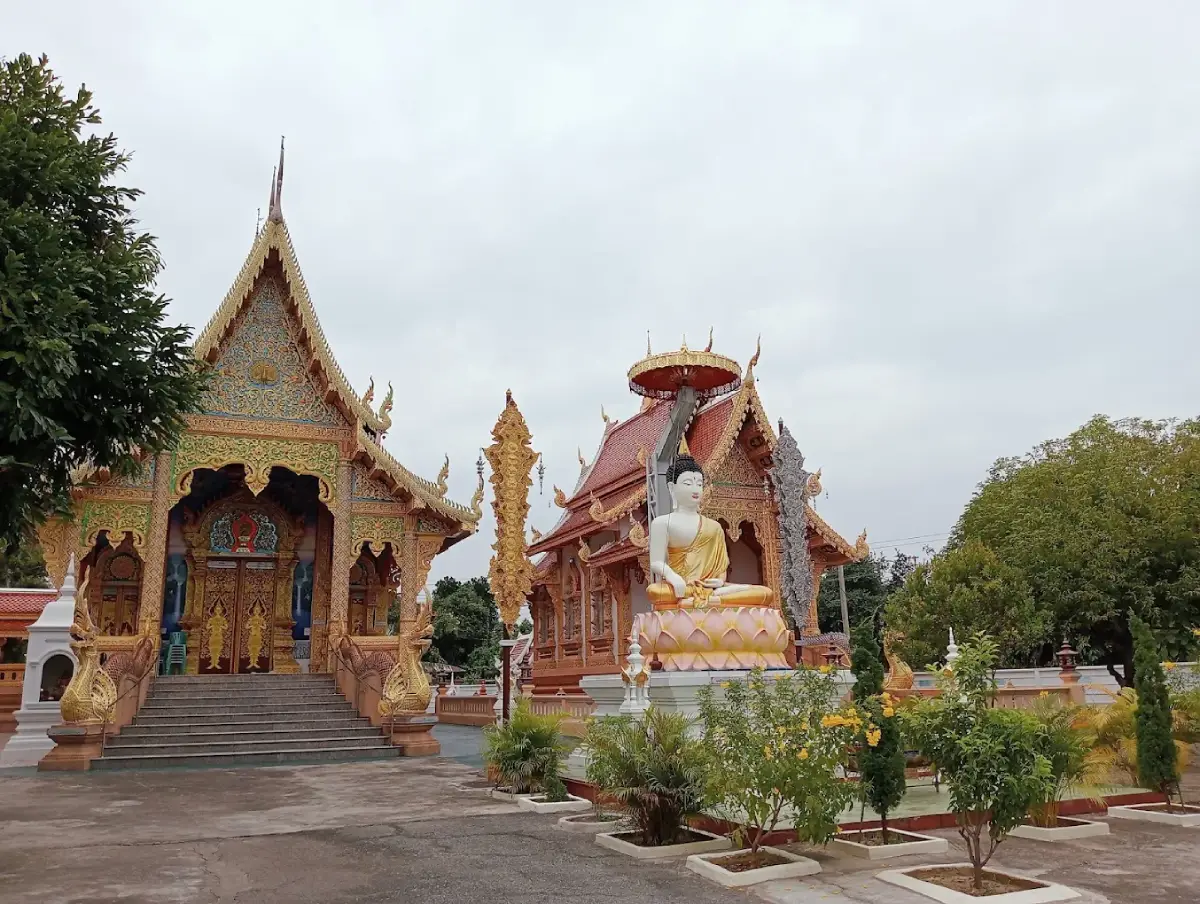
Wat Khet Khitchawat is a local Buddhist temple located in Ban Nam Phrae, Moo 4, Nam Phrae Subdistrict, Hang Dong District, Chiang Mai Province. The temple stands near an irrigation canal within a long-established community area and is closely connected with the local history of Ban Nam Phrae, the older settlement landscape of Hang Dong, and the revival of a deserted sacred site that later became an active community temple.
Wat Khet Khitchawat is not a large commercial attraction. Its value lies in its historical depth, Lanna-style architecture, old temple remains, and continuing role as a spiritual center for the Ban Nam Phrae community. The temple is suitable for travelers who want to experience a quieter side of Chiang Mai, especially those interested in local temples, Lanna Buddhist art, village history, and community-based religious traditions.
The temple was formerly known as Wat Thung Rang Raeng or Wat Thung Raeng. The former name came from the old natural setting of the area, which was once covered with dense vegetation and associated with birds such as vultures, crows, and other local species. Over time, as Ban Nam Phrae became more settled and the community grew stronger, villagers worked together to restore the deserted temple area and bring it back into use as a Buddhist place for worship, merit-making, meditation, and local ceremonies.
Local tradition associates the older temple site with the Mangrai dynasty period, around 1517 – 1527, during the reign of King Mueang Kaeo of the Lanna Kingdom. Although the earliest phase of the temple is known mainly through local memory and surviving traces, the old chedi remains in front of the viharn and the temple’s Lanna architectural character give the place a strong historical atmosphere. This makes Wat Khet Khitchawat more than a village temple; it is also a cultural site that preserves layers of local memory.
Ban Nam Phrae developed around agricultural life, local waterways, and village settlement. The community depended on nearby water sources, including Mae Ta Chuai stream and irrigation systems that supported daily life and farming. In this setting, a temple was not only a place for religious ceremonies. It was also a moral and social center where people gathered, made merit, listened to dhamma, and maintained Buddhist values within the village.
On 10 March 1966, local residents joined together to develop and restore the temple area. Chao Athikan Uttha Uttama Panyo, who was then the ecclesiastical leader of Nam Phrae and the abbot of Wat Erandawan, was invited to preside over the restoration. At that time, the temple was named Wat Thung Raeng, preserving the memory of the old landscape while giving the community a functioning Buddhist temple once again.
In 2002, the abbot, temple committee, local administrative representatives, supporters, and lay devotees agreed to change the temple’s name to a more suitable and dignified name. The request was submitted through the official administrative and Buddhist channels, and the Sangha Supreme Council approved the name change on 22 September 2003. Since then, the temple has been known as Wat Khet Khitchawat.
The name Wat Khet Khitchawat gives the temple a more formal Buddhist identity while still preserving the memory of the former Wat Thung Rang Raeng through local storytelling. The change of name represents the transformation of the site from an old deserted temple area into a living Buddhist temple that continues to serve the people of Ban Nam Phrae.
The most important structure at Wat Khet Khitchawat is the Lanna-style viharn. The viharn has a rectangular plan with stepped projections, enclosed walls on all sides, and windows and light openings around the building. Inside the viharn, the principal Buddha image is enshrined as the main object of worship, while Buddhist mural paintings add religious and artistic value to the interior space.
The viharn combines brick-and-plaster construction with wooden structural elements. Its roof follows a gabled form with layered tiers, with three tiers at the front and two tiers at the back. The roof design relates to the stepped layout of the building, creating a balanced Lanna architectural form. The use of clay tiles or wooden shingles further strengthens the northern Thai character of the structure.
The old chedi remains in front of the viharn are among the most meaningful features of the temple. They connect the present-day temple with its earlier phase as an old sacred site. For visitors, the chedi remains should be viewed as a sign of historical continuity and community memory rather than simply as ruins. They help explain why this temple carries a deeper sense of place than many newer temples.
The principal Buddha image inside the viharn is the main focus for worship. Visitors should remove their shoes before entering, dress modestly, speak quietly, and behave with respect. The murals and architectural details inside the viharn can be appreciated as part of the temple’s Buddhist art and local heritage, but they should be viewed carefully without touching walls, painted surfaces, or sacred objects.
The temple grounds also function as a community space for Buddhist activities. Local residents use the temple for merit-making, food offerings, dhamma listening, Buddhist holy day observances, memorial ceremonies, and seasonal community events. This active community role keeps the temple connected with daily village life rather than separating it as a purely historical site.
Wat Khet Khitchawat is also connected with the Lanna tradition of Peng Put, a full-moon day that falls on a Wednesday. In local Buddhist practice, this occasion is associated with merit-making for ancestors and offerings dedicated to departed family members. The temple therefore plays a role in linking present generations with ancestral memory through Buddhist merit-making.
The temple remains active in the present day. A district-level merit-making ceremony was held at Wat Khet Khitchawat on 24 June 2026, with Phra Kru Sila Khunakon, the ecclesiastical chief of Nam Phrae, presiding on the monastic side. This reflects the temple’s continuing role as an important religious place in Nam Phrae Subdistrict.
The atmosphere of Wat Khet Khitchawat is peaceful and local. It is especially suitable for travelers who appreciate temples with historical layers, modest architecture, and authentic community use. The temple is not designed as a mass-tourism destination, which is precisely what makes it meaningful for visitors who want to see Chiang Mai beyond the best-known city temples.
Getting There is most convenient by private car, rental car, or local transport. From Chiang Mai city, travel toward Hang Dong District and continue into Nam Phrae Subdistrict. The temple is located in Ban Nam Phrae, Moo 4, near an irrigation canal and local community roads. Setting the destination as Wat Khet Khitchawat, Ban Nam Phrae, Hang Dong District, Chiang Mai, is the most practical way to navigate.
A cultural route around the temple can include nearby temples in Nam Phrae Subdistrict such as Wat Champa Lao, Wat Nilprapha, Wat Wiang Dong, Wat Sala, Wat Ubosot, Wat Erandawan, and Wat Phra That Doi Tham. These temples help visitors understand the wider Buddhist landscape of Nam Phrae and Hang Dong.
Travelers can also combine Wat Khet Khitchawat with nearby leisure and nature attractions such as Grand Canyon Chiang Mai and Op Khan National Park. A half-day trip can focus on the temple, nearby local temples, and a meal in Nam Phrae, while a full-day trip can extend toward nature attractions and accommodation options in Hang Dong.
Visitors should dress modestly, speak softly, respect monastic areas, and avoid touching or climbing on the old chedi remains. Photography should be done carefully, especially inside the viharn and when monks or local residents are present. A respectful visit helps preserve the temple’s sacred atmosphere and cultural value.
Wat Khet Khitchawat is a meaningful temple for travelers who want to understand Chiang Mai through local Buddhist heritage. Its story brings together an old deserted sacred site, a restored community temple, Lanna-style architecture, Buddhist murals, old chedi remains, and living traditions in Ban Nam Phrae. For visitors interested in the quieter cultural landscape of Hang Dong, it is a worthwhile stop with depth and character.
| Name | Wat Khet Khitchawat |
| Former Name | Wat Thung Rang Raeng / Wat Thung Raeng |
| Type | Local Buddhist Temple Under The Mahanikaya Order |
| Location | Ban Nam Phrae, Moo 4, Nam Phrae Subdistrict, Hang Dong District, Chiang Mai Province |
| Address | Moo 4, Ban Nam Phrae, Nam Phrae Subdistrict, Hang Dong District, Chiang Mai 50230, Thailand |
| Area Context | Located In Ban Nam Phrae Near An Irrigation Canal And Local Community Roads In Hang Dong District |
| Historical Period | Locally Associated With The Mangrai Dynasty Period Around 1517 – 1527 And Restored By The Community On 10 March 1966 |
| Name Change | Changed From Wat Thung Rang Raeng To Wat Khet Khitchawat With Approval From The Sangha Supreme Council On 22 September 2003 |
| Important Structures | Lanna-Style Viharn, Principal Buddha Image, Buddhist Murals, Old Chedi Remains In Front Of The Viharn, And Community Activity Grounds |
| Viharn Features | Rectangular Lanna-Style Building With Stepped Plan, Enclosed Walls, Windows, Light Openings, Brick-And-Plaster Walls, Wooden Roof Structure, And Layered Gabled Roof |
| Highlights | Old Temple Remains, Lanna Viharn, Buddhist Murals, Principal Buddha Image, And Old Chedi Remains |
| Community Role | A Spiritual Center For Ban Nam Phrae, Used For Merit-Making, Buddhist Ceremonies, Meditation, And Local Religious Events |
| Traditions | Associated With Buddhist Holy Day Merit-Making, Community Ceremonies, Memorial Merit-Making, And The Lanna Peng Put Tradition |
| Open Days | Daily |
| Opening Hours | Daytime Visits Are Recommended |
| Travel Information | Best Reached By Private Car, Rental Car, Or Local Transport; Set The Route To Wat Khet Khitchawat, Ban Nam Phrae, Hang Dong District, Chiang Mai |
| Current Status | Open As A Community Religious Place With Recent Local And District-Level Ceremonial Activities |
| Nearby Tourist Attractions | 1. Wat Champa Lao, About 2 km 2. Wat Nilprapha, About 3 km 3. Wat Wiang Dong, About 4 km 4. Wat Sala, About 4 km 5. Wat Ubosot, About 5 km 6. Wat Erandawan, About 5 km 7. Wat Phra That Doi Tham, About 6 km 8. Grand Canyon Chiang Mai, About 8 km 9. Op Khan National Park, About 12 km |
| Nearby Restaurants | 1. Hop Chafe' Ban Nam Phrae Hang Dong, About 1 km, Tel. 064-234-5047 2. Im Aroi Nam Phrae, About 1 km, Tel. 062-882-3556, 091-818-3890 3. Nopporn Ancient Grilled Pork, Tea, Coffee And Smoothies, About 2 km, Tel. 088-467-4279 4. Bunga Café And Resort Nam Phrae Hang Dong, About 3 km, Tel. 098-789-9423 5. Sai Tod Hong Moo Nam Phrae Hang Dong, About 3 km, Tel. 063-797-7708 6. The View Village Restaurant & Karaoke, About 10 km, Tel. 053-904-406, 053-904-407, 053-904-408, 095-134-5919 |
| Nearby Accommodations | 1. Hideaway, About 3 km, Tel. 081-952-5687 2. Rice Barn And Rooms, About 4 km, Tel. 081-960-3997 3. Bamboo Garden Resort And Restaurant, About 4 km, Tel. 062-037-3620 4. Bunga Café And Resort, About 3 km, Tel. 098-789-9423 5. Veranda High Resort Chiang Mai – MGallery, About 11 km, Tel. 053-365-007, 062-398-6899, 098-913-7699 |
Frequently Asked Questions (FAQ)
Q: Where Is Wat Khet Khitchawat Located?
A: Wat Khet Khitchawat is located in Ban Nam Phrae, Moo 4, Nam Phrae Subdistrict, Hang Dong District, Chiang Mai 50230.
Q: What Was The Former Name Of Wat Khet Khitchawat?
A: The temple was formerly known as Wat Thung Rang Raeng or Wat Thung Raeng before its official name was changed to Wat Khet Khitchawat.
Q: What Is The Historical Background Of Wat Khet Khitchawat?
A: The site was once an old deserted temple and was restored by the local community on 10 March 1966. Local history also associates the old temple with the Mangrai dynasty period.
Q: What Important Things Can Visitors See At Wat Khet Khitchawat?
A: Visitors can see the Lanna-style viharn, principal Buddha image, Buddhist murals, old chedi remains in front of the viharn, and the community temple grounds.
Q: What Buddhist Order Does Wat Khet Khitchawat Belong To?
A: Wat Khet Khitchawat is a local Buddhist temple under the Mahanikaya order.
Q: What Tradition Is Wat Khet Khitchawat Associated With?
A: The temple is associated with local Buddhist merit-making and the Lanna Peng Put tradition, when people make merit for ancestors on a full moon that falls on Wednesday.
Q: What Kind Of Travelers Is Wat Khet Khitchawat Suitable For?
A: It is suitable for travelers interested in Lanna community temples, old temple remains, Buddhist murals, local history, and quiet temple routes in Hang Dong District.
Q: What Nearby Places Can Be Visited With Wat Khet Khitchawat?
A: Nearby places include Wat Champa Lao, Wat Nilprapha, Wat Wiang Dong, Wat Sala, Wat Ubosot, Wat Erandawan, Wat Phra That Doi Tham, Grand Canyon Chiang Mai, and Op Khan National Park.
 Category: ●Places of Worship
 Group: ●Temple
Last Update : 6 DayAgo
 Last Update : 6 DayAgo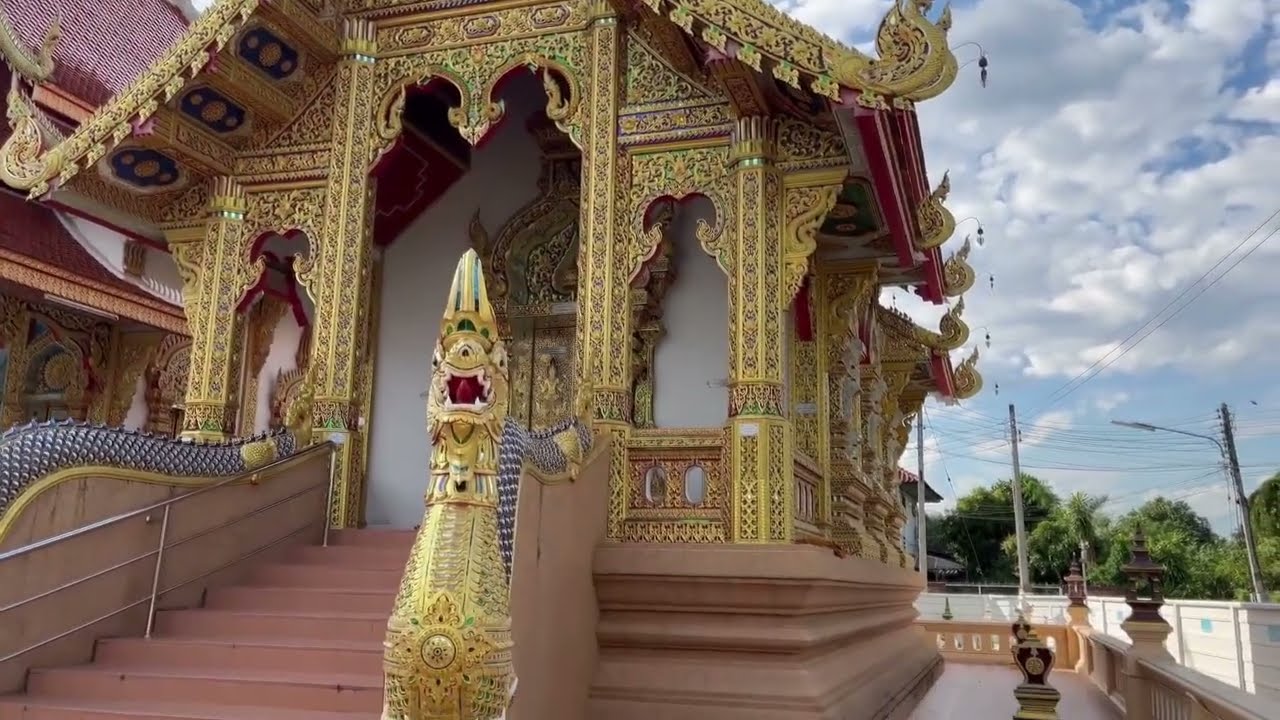
 Click to Access the Navigation Map GPS
Wat Khet Khitchawat Map
Recommend

 Muang Chiang Mai(121)Chom Thong(47)Mae Chaem(25)Chiang Dao(33)Doi Saket(68)Mae Taeng(85)Mae Rim(69)Samoeng(29)Fang(71)Mae Ai(59)Phrao(70)San Pa Tong(103)San Kamphaeng(66)San Sai(73)Hang Dong(73)Hot(32)Doi Tao(22)Omkoi(11)Saraphi(74)Wiang Haeng(15)Chai Prakan(28)Mae Wang(32)Mae On(22)Doi Lo(33)Galyani Vadhana(1)


