
lovethailand home >North Travel Attractions >Chiang Mai Travel Attractions >Muang Chiang Mai >Pa Tan > Wat Mueang Lang
TL;DR: Wat Mueang Lang is located at Ban Mueang Lang, Moo 3, Pa Tan Subdistrict, Mueang Chiang Mai District, Chiang Mai Province, open Daily, hours 08.00 – 17.00.

Wat Mueang Lang
Open Days: Daily
Opening Hours: 08.00 – 17.00
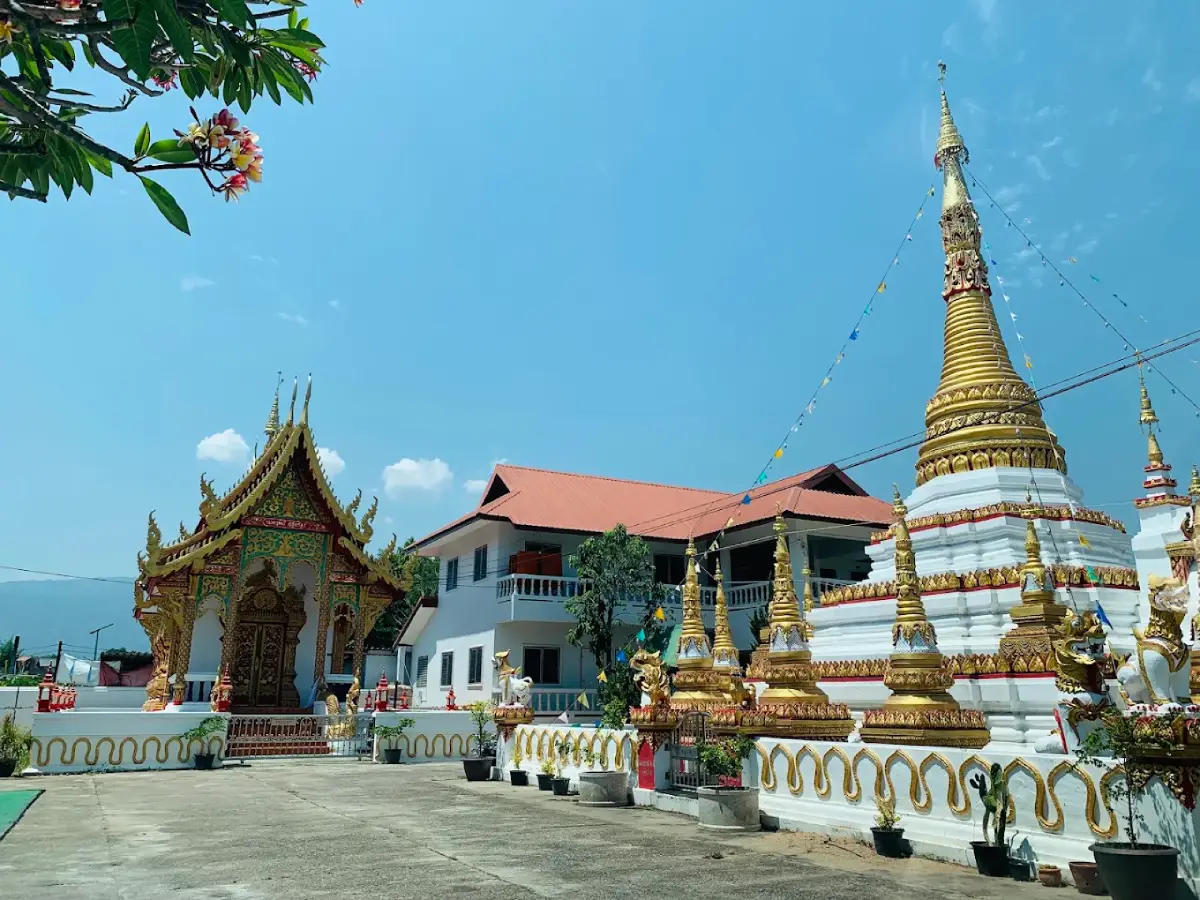
Wat Mueang Lang is a private Buddhist temple under the Maha Nikaya order, located at 9 Moo 3, Ban Mueang Lang, Pa Tan Subdistrict, Mueang Chiang Mai District, Chiang Mai Province 50300, Thailand. The temple was established in B.E. 2300, or 1757, and covers 3 rai, 2 ngan, and 64 square wah. Its most distinctive feature is a chedi inspired by the Shwedagon Pagoda in Myanmar. This chedi is associated with the Horse zodiac year, making Wat Mueang Lang meaningful for visitors interested in northern Thai birth-year relic beliefs, Lanna Buddhist culture, and the artistic relationship between Chiang Mai and Burmese-Mon traditions.
Wat Mueang Lang offers a quieter and more local view of Chiang Mai beyond the famous temples inside the Old City. The temple stands in Pa Tan, an old community area north of central Chiang Mai, close to the Ping River corridor, local roads, residential neighborhoods, community temples, restaurants, and small accommodations. A visit to Wat Mueang Lang is therefore not only a stop for worship. It also helps visitors understand how Buddhist temples continue to shape community life in Chiang Mai’s older neighborhoods.
The name Mueang Lang is directly connected with Ban Mueang Lang and the local community around the temple. This gives the temple the character of a true neighborhood temple. It was not created primarily as a tourist attraction. It grew from settlement, faith, and the need for a Buddhist center where local residents could worship, make merit, listen to Dhamma, and gather during community events. Wat Mueang Lang should therefore be understood through the relationship between village, temple, monks, and lay supporters.
The temple history records Wat Mueang Lang as having been built in 1757. Local tradition suggests that Burmese people once lived in this area and built a chedi modeled after the Shwedagon Pagoda in Yangon. The Shwedagon form carries deep meaning in Burmese Buddhism. Its presence in a Chiang Mai community temple gives Wat Mueang Lang special historical and artistic value, showing how religious forms traveled across communities and were adapted into the northern Thai cultural landscape.
The original chedi was made with white lime and showed Burmese-Mon influence. Later, local residents restored the structure by adding cement layers over the older form. Over time, the visible appearance became closer to Lanna style. This transformation is important because it shows that the temple did not remain frozen in one period. It continued to be used, repaired, and reinterpreted by the community that cared for it.
The chedi is also known as a relic monument associated with the Horse zodiac year. In northern Thai Buddhist belief, birth-year relic sites connect personal identity with sacred geography. People born in the Horse year often pay respect to a relic monument associated with their zodiac year for auspiciousness and merit. Because of this belief, Wat Mueang Lang is not only a neighborhood temple. It is also a place of zodiac-related devotion and religious memory.
The chedi’s value also lies in its cultural layering. Chiang Mai has long been connected with Burmese, Mon, Shan, Tai Khün, and other regional communities through migration, trade, politics, and religion. Wat Mueang Lang reflects this history in a compact but meaningful way. Its chedi shows that Lanna art was never isolated. It developed through interaction, adaptation, and continuity across different Buddhist communities in mainland Southeast Asia.
The temple compound includes an ubosot, sermon hall, monks’ residences, viharn, multipurpose hall, and a building connected with the Tripitaka. Temple-history records describe the ubosot as having a lower floor used as the ordination hall and an upper floor used as a Tripitaka hall. This arrangement is especially interesting because it shows a vertical use of temple space, combining formal monastic functions with the preservation of Buddhist scriptures.
The ubosot is a key structure in the Thai Buddhist monastic system. It is the area used by monks for formal Sangha ceremonies. Wat Mueang Lang received its royal monastic boundary according to temple-history records, confirming its formal status as a Buddhist temple with a defined space for monastic acts. This makes the temple more than a local shrine or informal worship site. It is an established Buddhist temple with complete religious functions.
The Tripitaka hall has educational meaning. The Tripitaka is the central body of Buddhist teaching, and a temple space used for preserving scriptures reflects the role of the temple as a place of learning. Community temples are not only places for ceremonies. They also preserve texts, support Dhamma teaching, and help transmit Buddhist knowledge across generations.
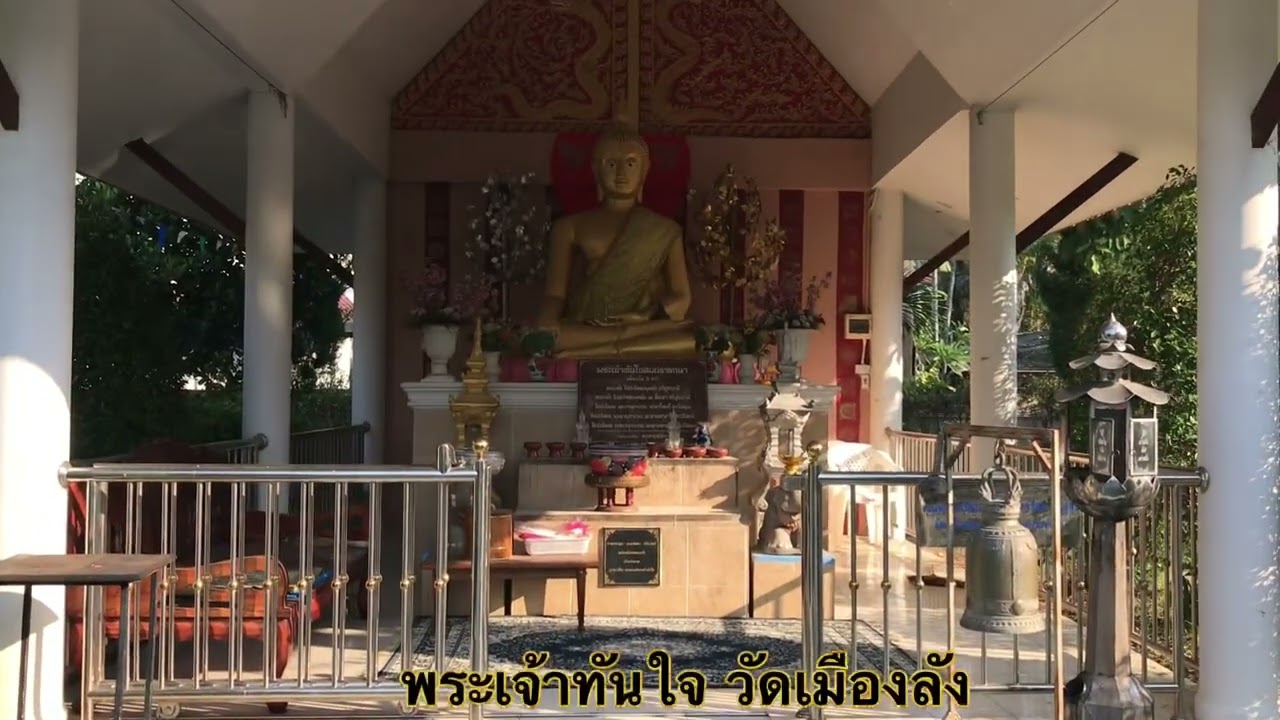
The viharn is the main space where lay visitors can worship, make merit, and join Buddhist activities. In Lanna temples, the viharn is often the most accessible religious building for the community. It is where villagers gather, listen to Dhamma, and pay respect to Buddha images. Visitors to Wat Mueang Lang should begin at the viharn before continuing to the chedi and other important structures.
The sermon hall and multipurpose hall reflect the temple’s community role. In Chiang Mai, neighborhood temples often serve as places for Buddhist festivals, funerary rites, community merit-making, local meetings, and public activities. Wat Mueang Lang remains meaningful because it supports this living relationship between Buddhism and local society.
The monks’ residences are part of the active religious life of the temple. Visitors should respect monastic areas and avoid entering them without permission. A living temple is not only a place for sightseeing. It is also where monks reside, chant, receive offerings, give blessings, and maintain the temple’s Buddhist rhythm throughout the year.
For cultural travelers, the most important feature to study is the chedi. Its Burmese-Mon inspiration, later Lanna restoration, surrounding subsidiary elements, guardian figures, and overall form reveal the region’s artistic exchange. Observing these details carefully makes the visit more meaningful than simply taking photographs and leaving.
Wat Mueang Lang is also suitable for slow travel and bicycle-based exploration. Pa Tan contains local streets, community temples, small markets, riverside routes, and neighborhood restaurants. The temple can be combined with Wat Ban Tho, Wat Pa Tan, Wat Tha Luk, Wat San Sai Ton Kok, and Hidden Village Chiangmai. This makes the area practical for a half-day route focused on community temples and local Chiang Mai life.
A meaningful visit should begin in the worship area or viharn. After paying respect, visitors can continue to the chedi, then observe the ubosot, Tripitaka hall, sermon hall, monks’ residences, and multipurpose hall from appropriate areas. Moving slowly through the compound helps visitors understand the temple as a place of faith, art, scripture preservation, monastic life, and community activity.
Wat Mueang Lang is associated with ordinary Buddhist temple activities such as worship, Buddhist holy day merit-making, Buddhist Lent, the end of Buddhist Lent, Kathina, Dhamma listening, chanting, and community merit ceremonies. The Horse-year chedi adds another layer of devotion, especially for worshippers who follow northern Thai zodiac-relic traditions.
For those interested in Chiang Mai history, Wat Mueang Lang is a useful case study of a community temple that reflects a larger cultural story. The temple’s founding, Burmese-inspired chedi, later Lanna-style restoration, and continuing community role show how Chiang Mai’s religious landscape has been shaped by migration, local faith, and continuous maintenance across generations.
From an architectural perspective, Wat Mueang Lang should be understood as a living temple that has changed over time. Many northern Thai temples have been repaired and restored repeatedly according to local faith and available resources. Some older forms may have changed, but the act of maintenance itself is part of the temple’s history. The value of Wat Mueang Lang lies not only in what remains from the past, but also in how the community has kept the sacred site active and meaningful.
Proper conduct is important at Wat Mueang Lang. Visitors should dress modestly, keep their voices low, avoid touching Buddha images, chedis, and sacred objects unnecessarily, and avoid entering monastic areas without permission. Photography should be respectful, especially around the chedi, ubosot, viharn, and areas where monks or local devotees are performing religious activities.
Getting to Wat Mueang Lang is convenient from Chiang Mai Old City, Chang Phueak, or Chiang Mai-Lampang Super Highway Road. Travelers can head toward Pa Tan and Ban Mueang Lang using Pa Tan Road, local neighborhood roads, or routes connected with the Ping River area. Visitors using a private car, taxi, or ride-hailing service should search specifically for Wat Mueang Lang, Pa Tan, Mueang Chiang Mai to avoid confusion with similarly named places.
Wat Mueang Lang can be included in a half-day itinerary around Pa Tan. A temple-and-community route can include Wat Mueang Lang, Wat Ban Tho, Wat Pa Tan, Wat Tha Luk, Wat San Sai Ton Kok, and Wat Phra Non Khon Muang. A family-oriented route can continue to Hidden Village Chiangmai, Chiang Mai Provincial Administrative Organization Park, and Chiang Mai 700th Anniversary Stadium. This allows visitors to experience local temples, neighborhood life, and recreational spaces in the northern part of Chiang Mai city.
The best time to visit Wat Mueang Lang is in the morning or late afternoon, when the weather is more comfortable and the temple atmosphere is calm. On Buddhist holy days or during major Buddhist festivals, visitors may see stronger community participation. Those who want a quieter visit should come on a weekday and take time to observe the chedi, viharn, and temple compound without rushing.
Wat Mueang Lang is worth knowing for travelers interested in Chiang Mai temples, northern Thai Buddhist culture, and Lanna-Burmese artistic connections. Its value does not come from size or mainstream fame. It comes from its founding in 1757, the Shwedagon-inspired chedi, Burmese-Mon influence, later Lanna restoration, Horse-year relic belief, and its role as a living community temple in Pa Tan.
For travelers who want a deeper understanding of Chiang Mai, Wat Mueang Lang adds an important layer to the city’s cultural map. The temple shows that Lanna Buddhist art developed through exchange, adaptation, and local devotion. A visit to Wat Mueang Lang is therefore a short but meaningful journey into the history of Pa Tan, the faith of Ban Mueang Lang, and the wider Buddhist cultural landscape of northern Thailand.
| Name | Wat Mueang Lang |
| Location | Ban Mueang Lang, Moo 3, Pa Tan Subdistrict, Mueang Chiang Mai District, Chiang Mai Province |
| Address | 9 Moo 3, Ban Mueang Lang, Pa Tan Subdistrict, Mueang Chiang Mai District, Chiang Mai 50300, Thailand |
| Coordinates | 18.811636, 99.001596 |
| Current Status | Open for visits, worship, merit-making, and Buddhist community activities |
| Open Days | Daily |
| Opening Hours | 08.00 – 17.00 |
| Main Contact Number | 053-110-168 |
| Monastic Affiliation | Private Buddhist Temple Under The Maha Nikaya Order |
| Temple Land Area | 3 Rai, 2 Ngan, And 64 Square Wah |
| History | Founded in B.E. 2300, or 1757, as an old community temple of Ban Mueang Lang and Pa Tan; local tradition connects the temple with a Burmese-inspired chedi modeled after the Shwedagon Pagoda |
| Royal Monastic Boundary | Recorded in temple history as having received a royal monastic boundary |
| Monastic Buildings | Ubosot, sermon hall, monks’ residences, viharn, multipurpose hall, and Tripitaka hall |
| Highlights | Shwedagon-inspired chedi, Burmese-Mon artistic influence, later Lanna-style restoration, Horse-year relic belief, viharn, ubosot, and Pa Tan community-temple atmosphere |
| Sacred Objects | Buddha images within the temple and a Burmese-style chedi associated with the Horse zodiac year |
| Main Areas / Zones | Viharn, ubosot, Tripitaka hall, chedi, sermon hall, monks’ residences, multipurpose hall, worship areas, and community activity areas |
| Traditions / Rituals | Buddhist worship, Buddhist holy day merit-making, Buddhist Lent, the end of Buddhist Lent, Kathina, Dhamma listening, chanting, and worship of the Horse-year chedi |
| Recorded Abbot Lineage | Khruba Phram, Khruba Chin, Khruba Chan, Khruba Intha Aphichayo, Phra Chom Paeng Chantasallo, and Phra Samran Suphajaro |
| Facilities | Worship areas, halls, Buddhist activity spaces, monks’ residences, and parking within the temple compound |
| Travel Information | Travel from Chiang Mai Old City or Chang Phueak toward Pa Tan via Chiang Mai-Lampang Super Highway Road, Pa Tan Road, or local roads in Ban Mueang Lang; search specifically for Wat Mueang Lang, Pa Tan, Mueang Chiang Mai |
| Nearby Tourist Attractions | 1. Wat San Sai Ton Kok, about 0.6 km 2. Wat Tha Luk, about 1 km 3. Hidden Village Chiangmai, about 1 km 4. Wat Ban Tho, about 1 km 5. Wat Pa Tan, about 1 km 6. Wat Phra Non Khon Muang, about 2 km 7. Chiang Mai National Museum, about 3 km 8. Highland People Discovery Museum, about 3 km |
| Nearby Restaurants | 1. Khun Kwan Fried Meatballs Wat Mueang Lang, about 0.1 km, Tel. 080-906-7274 2. Pals Cafe, about 0.7 km 3. Ajarn Saiyud & Doctor Sai Kitchen, about 0.9 km, Tel. 081-530-1172, 053-211-848 4. The Baristro @ Ping River, about 1 km, Tel. 087-788-2788 5. Khao Soi Mae Manee 2, about 1.2 km 6. KHAO-SŌ-i Ping River, about 2 km, Tel. 061-515-4529 7. The Banyan Riverhouse Cafe & Bistro, about 2 km, Tel. 052-001-438 |
| Nearby Accommodations | 1. Liam’s Guesthouse Adults Only, about 0.3 km, Tel. 063-329-1724 2. Lanna Dusita Riverside Boutique Resort, about 0.6 km, Tel. 053-110-345 3. Collection O Room Lanna Hotel, about 0.6 km, Tel. 095-952-3041 4. A9 Place Boutique House, about 0.7 km, Tel. 053-224-288 5. Chunapa Resort & Spa, about 0.8 km, Tel. 053-226-128 6. Monfai Culture House, about 1 km 7. Zensala Riverpark Resort, about 2 km, Tel. 053-225-888, 083-096-5589 |
Frequently Asked Questions (FAQ)
Q: Where is Wat Mueang Lang located?
A: Wat Mueang Lang is located at 9 Moo 3, Ban Mueang Lang, Pa Tan Subdistrict, Mueang Chiang Mai District, Chiang Mai 50300, Thailand.
Q: What are the opening hours of Wat Mueang Lang?
A: Wat Mueang Lang is open daily from 08.00 to 17.00 for worship, merit-making, and temple visits.
Q: What is the history of Wat Mueang Lang?
A: Wat Mueang Lang was founded in B.E. 2300, or 1757. Local tradition says Burmese people once lived in the area and built a chedi inspired by the Shwedagon Pagoda in Myanmar.
Q: What is Wat Mueang Lang known for?
A: The temple is known for its Shwedagon-inspired chedi, Burmese-Mon artistic influence, later Lanna-style restoration, Horse-year relic belief, viharn, ubosot, and quiet Pa Tan community-temple atmosphere.
Q: Why is the Horse-year chedi at Wat Mueang Lang important?
A: The chedi is associated with the Horse zodiac year. In northern Thai Buddhist belief, birth-year relic sites are visited for merit-making, auspiciousness, and personal connection with sacred geography.
Q: What important buildings are found at Wat Mueang Lang?
A: Important buildings include the viharn, ubosot, Tripitaka hall, chedi, sermon hall, monks’ residences, multipurpose hall, and worship areas.
Q: What type of visit is Wat Mueang Lang suitable for?
A: It is suitable for worship, merit-making, studying Lanna-Burmese temple art, visiting the Horse-year chedi, and combining with Wat Ban Tho, Wat Pa Tan, Wat Tha Luk, Wat San Sai Ton Kok, and Hidden Village Chiangmai.
Q: How should visitors behave at Wat Mueang Lang?
A: Visitors should dress modestly, speak quietly, avoid touching Buddha images or the chedi unnecessarily, and photograph respectfully, especially around the viharn, ubosot, chedi, and monastic areas.
 Category: ●Places of Worship
 Group: ●Temple
Last Update : 1 MonthAgo
 Last Update : 1 MonthAgo
 Click to Access the Navigation Map GPS
Wat Mueang Lang Map
Recommend

 Muang Chiang Mai(121)Chom Thong(47)Mae Chaem(25)Chiang Dao(33)Doi Saket(68)Mae Taeng(85)Mae Rim(69)Samoeng(29)Fang(71)Mae Ai(59)Phrao(70)San Pa Tong(103)San Kamphaeng(66)San Sai(73)Hang Dong(73)Hot(32)Doi Tao(22)Omkoi(11)Saraphi(74)Wiang Haeng(15)Chai Prakan(28)Mae Wang(32)Mae On(22)Doi Lo(33)Galyani Vadhana(1)


