
lovethailand home >North Travel Attractions >Chiang Mai Travel Attractions >Muang Chiang Mai >Pa Daet > Wat Tha Mai I
TL;DR: Wat Tha Mai I is located at Ban Tha Mai I, Moo 5, Pa Daet Subdistrict, Mueang Chiang Mai District, Chiang Mai Province, open Daily, hours 08.00 – 17.00.
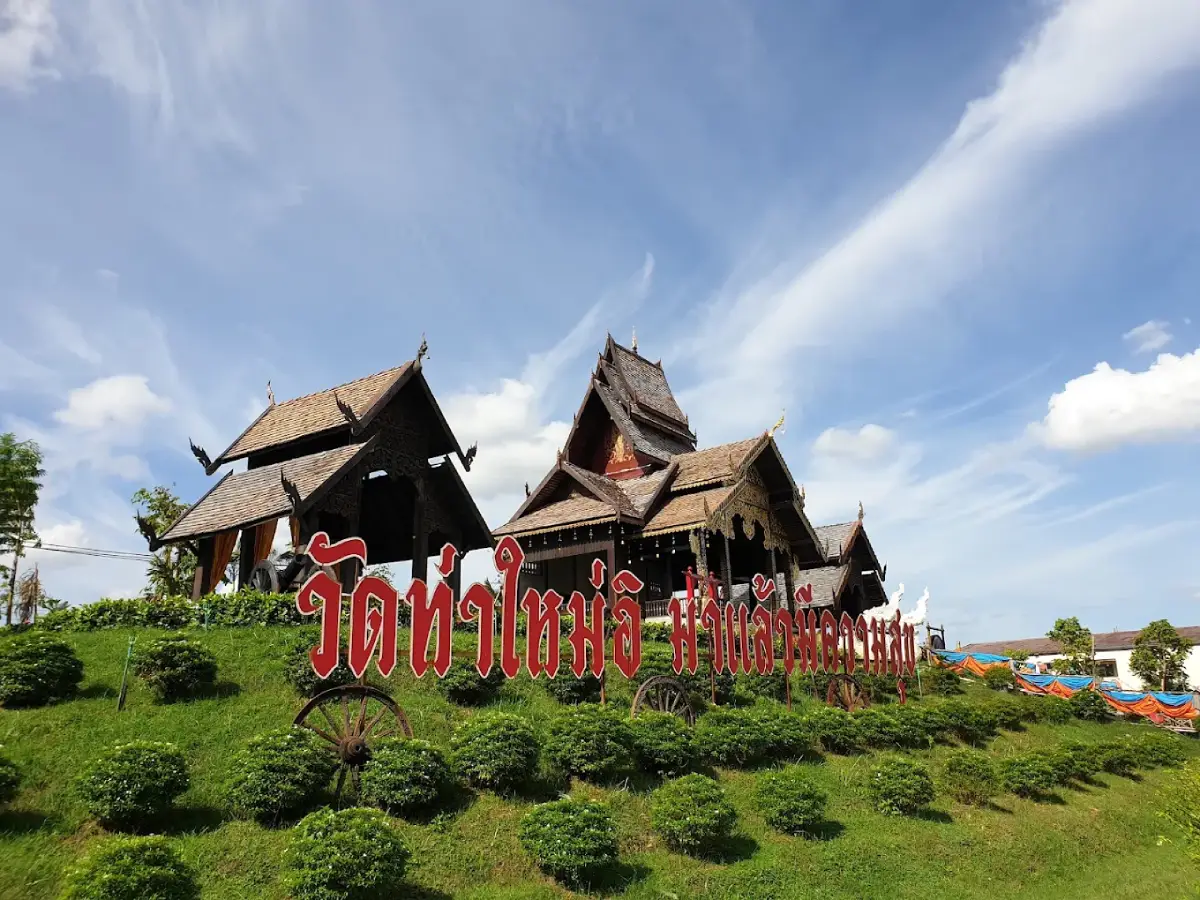
Wat Tha Mai I
Open Days: Daily
Opening Hours: 08.00 – 17.00
Wat Tha Mai I is a private Buddhist temple under the Maha Nikaya order, located at 122 Ban Tha Mai I, Moo 5, Pa Daet Subdistrict, Mueang Chiang Mai District, Chiang Mai Province. The temple is known for its blend of Lanna religious heritage, local legend, creative landscape design, and a peaceful community-temple atmosphere. Wat Tha Mai I was officially established in 1917, corresponding to B.E. 2460, and received its royal boundary for monastic ceremonies on 20 November 1924. Its main highlights include an old Lanna-style viharn, landscaped gardens, the elevated merit bridge, the 12-zodiac elevated restroom area, Luang Pho Chok Dee, Phra Chao Than Chai, Thao Wessuwan, Ganesha, and shaded walking areas that make the temple suitable for worship, merit-making, photography with respect, and cultural travel.
Wat Tha Mai I is a strong destination for travelers who want to see a quieter and more local side of Chiang Mai. It is located in Pa Daet, south of the city center, near the Ping River and within convenient reach of the Wiang Kum Kam historical area. Pa Daet contains old communities, local temples, riverside routes, ring roads, and cultural sites connected with southern Chiang Mai. A visit to Wat Tha Mai I is therefore more than a short temple stop. It is a way to understand how Buddhist temples continue to function as religious, cultural, and community spaces beyond Chiang Mai’s Old City.
The temple’s identity combines written history and local legend. Official temple history records Wat Tha Mai I as being built in 1917, while local stories connect the temple with King Naresuan and Queen Maneechandra. According to the local legend, the earlier name “Wat Tha I” was connected with the name “Mae I,” a protective name associated with Queen Maneechandra, before the name developed into Wat Tha Mai I. This layered naming gives the temple cultural depth. It connects the temple with a riverside landing, the Ping River, local memory, and the way northern communities preserve historical stories through place names.
The difference between formal temple history and local oral tradition should be understood as part of the temple’s cultural value. The official record gives the temple a clear institutional timeline, while the legend shows how local people remember the site as older and symbolically connected with heroic history. Wat Tha Mai I can therefore be read in two ways: as a documented temple of the Pa Daet community and as a cultural landscape shaped by stories passed down through generations.
The original temple land covered 6 rai and 96 square wah. Later development expanded and improved the temple landscape, creating a spacious, shaded, and distinctive environment. Wat Tha Mai I does not use its land only for religious buildings. It also includes trees, pathways, water features, garden corners, symbolic structures, and designed spaces that allow visitors to walk, rest, and reflect. This landscape approach is one of the reasons the temple is often remembered as a place where a Buddhist temple and a beautiful garden come together.
The old Lanna-style viharn is one of the most important features of Wat Tha Mai I. It is valued as a distinctive Lanna religious building within Pa Daet and remains central to the temple’s identity. The viharn’s importance lies not only in its roofline and decorative details, but also in the way it anchors the entire temple compound. Visitors move from landscaped spaces into the sacred zone, where the viharn serves as the spiritual center of the temple.
Inside the temple compound, visitors can pay respect to several sacred images and figures, including Luang Pho Chok Dee, Phra Chao Than Chai, Thao Wessuwan, Ganesha, a statue of Kruba Srivichai, and wax figures of respected monks. These worship points give Wat Tha Mai I a wide devotional appeal. Some visitors come to pray, some come to make merit, some come to see the Lanna viharn, and others come to experience the temple’s garden-like atmosphere. All visitors should remember that the site is still an active Buddhist temple.
Luang Pho Chok Dee is an important Buddha image for visitors who come to pray for auspiciousness and confidence. The name “Chok Dee,” meaning good fortune, carries a positive meaning for worshippers. Paying respect should be done quietly and sincerely, with attention to the sacred atmosphere of the viharn. The value of worship at a community temple lies in the calmness of the place and the continuity of local faith.
Phra Chao Than Chai is another important focus of devotion. In northern Thai Buddhist culture, this type of Buddha image is associated with strong faith, focused intention, and collective merit. Its presence gives visitors another meaningful point for prayer and reflection. Rather than treating the temple only as a sightseeing spot, visitors can use the visit as a chance to slow down, make merit, and observe how local Buddhist devotion is expressed in a living community space.
Thao Wessuwan and Ganesha add another devotional layer to the temple. In Thai belief, Thao Wessuwan is associated with protection and the removal of harmful influences, while Ganesha is widely respected as a symbol of wisdom, success, and the removal of obstacles. These sacred figures attract many visitors seeking encouragement and auspiciousness. Their presence should be understood within the cultural and devotional context of Thai temple life.
One of the most distinctive aspects of Wat Tha Mai I is its landscape design. The temple has become known for its shaded gardens, clean environment, and creative layout. It is often described as a temple where religious space and garden design work together. This character is closely connected with the vision of Phra Maha Phaisan Thanawuttho, who became abbot on 22 February 2007 and developed the temple into a welcoming place for people of different ages to visit, rest, worship, and enjoy a calm environment.
Phra Maha Phaisan Thanawuttho is recorded as the 11th abbot of Wat Tha Mai I. His role has been central to the temple’s contemporary identity. Under his guidance, the temple became known for cleanliness, greenery, accessible spaces, creative design, and an atmosphere that encourages people to enter the temple with ease. This development helped Wat Tha Mai I become a notable community temple in Pa Daet, combining Buddhist practice with an inviting public environment.
The garden areas at Wat Tha Mai I are arranged into several linked zones. These include a Buddhist-themed zone, a rice-field and bamboo-bridge zone known as the merit bridge, a clay-figure zone, and a contemporary garden zone. Each zone does more than provide photo opportunities. Together, they make the temple feel approachable and warm, allowing children, adults, elderly visitors, local residents, and travelers to experience a Buddhist temple in a relaxed but respectful way.
The elevated merit bridge across the field is one of the most memorable features of Wat Tha Mai I. The bamboo bridge, or khua tae, leads visitors through greenery, water, and natural views. In a symbolic sense, the bridge can be seen as a passage from busyness to calmness and from distraction to mindfulness. This is why the bridge works well within a temple setting: it turns a walk through the landscape into a quiet reflective experience.
The 12-zodiac elevated restroom area is another unusual feature that has made Wat Tha Mai I widely recognized. The temple transformed a practical facility into a designed landmark with zodiac symbolism, carved details, and decorative elements. This reflects the temple’s wider idea that every part of the compound can be meaningful, attractive, and memorable while still remaining appropriate to a religious setting.
The smiling novice monk figures and other decorative elements also help shape the friendly atmosphere of Wat Tha Mai I. These details communicate Dhamma in an indirect way. They remind visitors that happiness, kindness, simplicity, and a calm mind can be part of everyday Buddhist practice. The temple therefore teaches not only through sermons or rituals, but also through landscape, symbols, walking routes, and small visual details that invite visitors to smile.
The abbots recorded in the temple’s history show continuity across generations. The first five abbots are not named in the available record. The 6th was Phra Mu, the 7th was Phra Panya Wilangso, the 8th was Phra Bunma Chittakutto, the 9th was Phra Athikan Praphan Khantiko, the 10th was Phra Khru Phiphit Thammathat, and the 11th is Phra Maha Phaisan Thanawuttho. This line of leadership shows how the temple has been maintained through different periods and developed from a local community temple into a distinctive contemporary religious landscape.
The royal boundary granted on 20 November 1924 is an important part of the temple’s institutional history. The boundary measures 30 meters wide and 60 meters long and is used for formal monastic acts. This gives Wat Tha Mai I a clear religious status within the Buddhist monastic system and confirms its role as an established temple of the Pa Daet community.
For cultural travelers, Wat Tha Mai I is interesting because it serves several purposes at once. Visitors interested in old temples can study the Lanna-style viharn. Visitors interested in worship can pay respect to Luang Pho Chok Dee, Phra Chao Than Chai, Thao Wessuwan, and Ganesha. Visitors who prefer calm scenery can walk through the garden zones and the merit bridge area. Families can also use the temple as a peaceful place to rest while learning about local religious culture.
Wat Tha Mai I also helps younger visitors feel closer to temple culture. The garden, bridge, decorated restroom area, and photo-friendly paths make the temple approachable without removing its sacred function. People who first enter because of the scenery may also encounter Buddhist images, temple history, local beliefs, and merit-making practices. In this way, the temple keeps its religious role while opening a wider door for contemporary visitors.
A meaningful visit should begin at the Lanna-style viharn, where visitors can pay respect and observe the temple’s main religious area. After that, continue to the garden zones, the Buddhist-themed area, the bamboo merit bridge, the clay-figure zone, the contemporary garden, and the 12-zodiac elevated restroom area. Visitors who move slowly through the compound will understand the temple more fully than those who only stop at one photo point.
Proper conduct is important at Wat Tha Mai I. Visitors should dress modestly, speak quietly, avoid touching Buddha images or sacred objects unnecessarily, and photograph respectfully, especially near the viharn and worship areas. Although the temple has several attractive photo spots, its main identity remains that of a Buddhist temple used for worship, merit-making, and community activities.
Getting to Wat Tha Mai I is convenient from central Chiang Mai. Travelers can head south toward Pa Daet using the outer ring road near the Ping River bridge, the Chiang Mai-Hang Dong route, or the Chiang Mai-Hod route. Those using a private car, taxi, or ride-hailing service should search specifically for Wat Tha Mai I, Pa Daet, Mueang Chiang Mai to avoid confusion with similarly named places.
Wat Tha Mai I can be included in a half-day cultural route through southern Chiang Mai. A practical route can combine Wat Tha Mai I with Wat Pa Daet, Wat Don Chai, Wat Ton Tan Ton, Wat Chedi Liam, and Wiang Kum Kam. This route is suitable for travelers who want to avoid the busiest Old City temples while still experiencing Lanna Buddhist culture, local history, and the religious landscape of Pa Daet.
The best time to visit Wat Tha Mai I is in the morning or late afternoon, when the weather is more comfortable and the garden areas are pleasant to walk through. On Buddhist holy days and important religious occasions, visitors may see local merit-making activities. Travelers who prefer a quieter visit should come on weekdays and allow enough time to walk through the temple compound at a relaxed pace.
Wat Tha Mai I is a good example of a community temple that has adapted to modern times without losing its religious foundation. It has a Lanna-style viharn, formal temple history, local legends, sacred worship points, garden zones, a merit bridge, and creative design elements that encourage people to enter the temple. Its value lies not only in visual beauty, but also in the way it keeps the temple relevant to everyday community life.
For travelers who want a deeper understanding of Chiang Mai, Wat Tha Mai I adds an important layer to the city’s cultural map. Beyond the famous temples of the Old City and Doi Suthep, Chiang Mai has many community temples that preserve local stories, artistic traditions, and living faith. Wat Tha Mai I is one of those places: a temple where history, legend, devotion, garden design, and local community life meet in a calm and memorable setting.
| Name | Wat Tha Mai I |
| Location | Ban Tha Mai I, Moo 5, Pa Daet Subdistrict, Mueang Chiang Mai District, Chiang Mai Province |
| Address | 122 Ban Tha Mai I, Moo 5, Pa Daet Subdistrict, Mueang Chiang Mai District, Chiang Mai 50100, Thailand |
| Coordinates | 18.72105, 98.98327 |
| Highlights | Old Lanna-style viharn, landscaped gardens, elevated merit bridge, 12-zodiac elevated restroom area, Luang Pho Chok Dee, Phra Chao Than Chai, Thao Wessuwan, Ganesha, and a peaceful community-temple atmosphere |
| History | Built in 1917, corresponding to B.E. 2460, and granted its royal monastic boundary on 20 November 1924; the boundary measures 30 meters wide and 60 meters long |
| Name Origin | Local legend links the name with “Wat Tha I” and “Mae I,” associated with Queen Maneechandra, before the name developed into Wat Tha Mai I |
| Distinctive Features | A private Buddhist temple under the Maha Nikaya order with an old Lanna viharn and a garden-like layout that has become the temple’s signature |
| Sacred Objects | Luang Pho Chok Dee, Phra Chao Than Chai, Thao Wessuwan, Ganesha, Kruba Srivichai statue, wax figures of respected monks, and other sacred images within the temple |
| Traditions / Rituals | Buddhist worship, merit-making, Buddhist holy day activities, auspicious prayer, and community Buddhist events on important occasions |
| Travel Information | Travel south from central Chiang Mai toward Pa Daet by private car, taxi, or ride-hailing service; search specifically for Wat Tha Mai I, Pa Daet, Mueang Chiang Mai |
| Current Status | Open for visits, worship, merit-making, and respectful walking around the temple compound |
| Open Days | Daily |
| Opening Hours | 08.00 – 17.00 |
| Facilities | Parking, restrooms, worship areas, garden paths, walking areas, and food or drink vendors during some periods |
| Main Areas / Zones | Lanna-style viharn, Buddhist-themed zone, rice-field and bamboo merit bridge zone, clay-figure zone, contemporary garden zone, 12-zodiac elevated restroom area, and worship areas |
| Abbot / Caretaker | Phra Maha Phaisan Thanawuttho |
| Main Contact Number | 081-594-7900 |
| Nearby Tourist Attractions | 1. Wat Don Chai, about 1 km 2. Wat Pa Daet, about 2 km 3. Wat Ton Tan Ton, about 3 km 4. Wat Chedi Liam, about 4 km 5. Wiang Kum Kam, about 4 km 6. Wat That Khao Archaeological Site, about 4 km |
| Nearby Restaurants | 1. Coffee Bird Bubble Tea at Tha Mai I Bridge, about 0.4 km, Tel. 099-268-1354 2. Chiang Mai Coffee Station Pa Ngio, about 0.4 km 3. Chaokuay Nam Pan Kafae Cha Khai Muk Som Tam Lam Chao, about 0.5 km 4. Tunsab Beef and Pork Noodle Chiang Mai, about 0.4 km, Tel. 093-469-3659 5. Cha Fae Him Tang 2 Ban Tha Mai I Pa Daet, about 0.5 km 6. Mr. Chan & Miss Pauline Pizzeria Restaurant, about 2 km, Tel. 089-434-7001, 052-089-655 |
| Nearby Accommodations | 1. Lanna Boutique Village, about 0.5 km 2. Sri Ping Resort, about 1 km, Tel. 053-447-077 3. Donchai House Guesthouse & Cafe, about 2 km, Tel. 081-421-3875 4. Chiang Mai Luxury Villa, about 3 km 5. SWAG CM HOTEL, about 3 km 6. Ping Pura Riverside Resort & Spa Chiang Mai, about 4 km, Tel. 053-270-555 |
Frequently Asked Questions (FAQ)
Q: Where is Wat Tha Mai I located?
A: Wat Tha Mai I is located at 122 Ban Tha Mai I, Moo 5, Pa Daet Subdistrict, Mueang Chiang Mai District, Chiang Mai Province.
Q: What are the opening hours of Wat Tha Mai I?
A: Wat Tha Mai I is open daily from 08.00 to 17.00 for worship, merit-making, and respectful visits around the temple compound.
Q: What is the history of Wat Tha Mai I?
A: Wat Tha Mai I was built in 1917 and received its royal monastic boundary on 20 November 1924. Local legend also connects the temple’s name with King Naresuan and Queen Maneechandra.
Q: What is Wat Tha Mai I known for?
A: The temple is known for its old Lanna-style viharn, landscaped gardens, elevated merit bridge, 12-zodiac elevated restroom area, Luang Pho Chok Dee, Phra Chao Than Chai, Thao Wessuwan, Ganesha, and shaded community-temple atmosphere.
Q: What type of visit is Wat Tha Mai I suitable for?
A: It is suitable for worship, merit-making, viewing Lanna temple architecture, walking through garden zones, respectful photography, and a cultural route with Wat Pa Daet, Wat Don Chai, Wat Chedi Liam, and Wiang Kum Kam.
Q: What are the main zones inside Wat Tha Mai I?
A: The main areas include the Lanna-style viharn, Buddhist-themed zone, rice-field and bamboo merit bridge zone, clay-figure zone, contemporary garden zone, 12-zodiac elevated restroom area, and worship points.
Q: How should visitors behave at Wat Tha Mai I?
A: Visitors should dress modestly, speak quietly, avoid disturbing monks or local worshippers, and photograph respectfully, especially around the viharn and sacred images.
 Category: ●Places of Worship
 Group: ●Temple
Last Update : 5 HourAgo
 Last Update : 5 HourAgo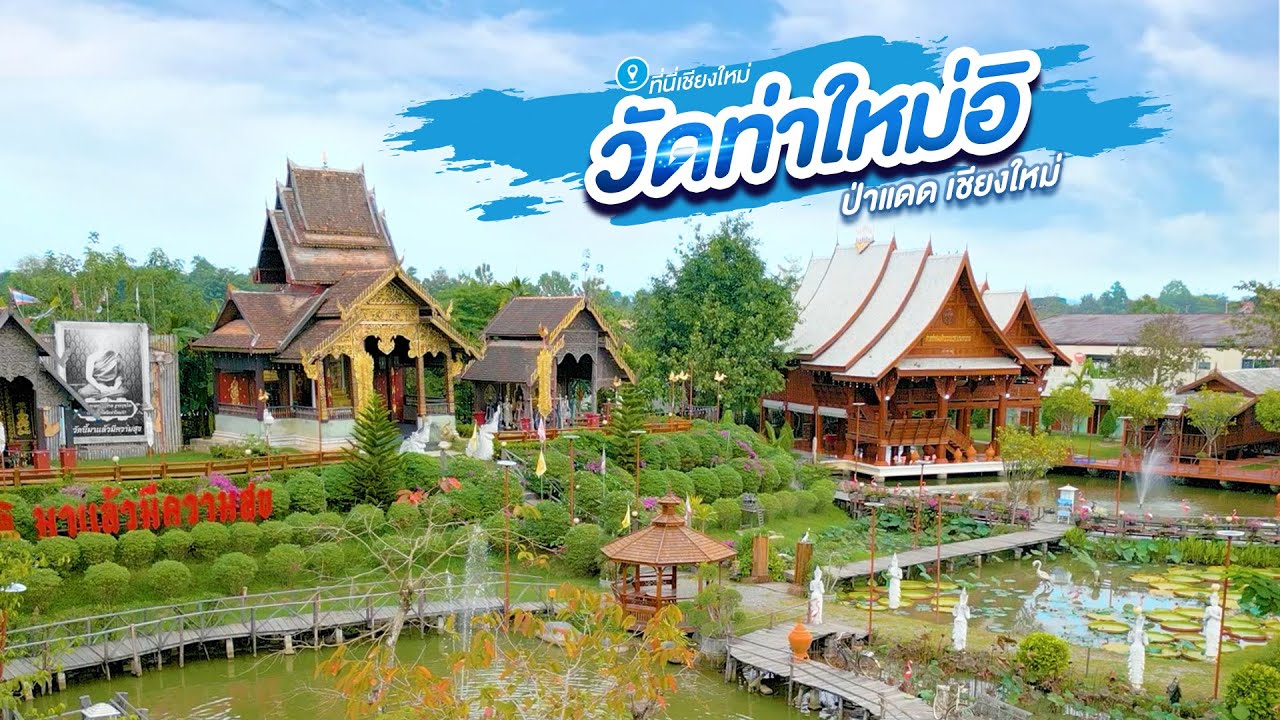
 Click to Access the Navigation Map GPS
Wat Tha Mai I Map
Recommend

 Muang Chiang Mai(121)Chom Thong(47)Mae Chaem(25)Chiang Dao(33)Doi Saket(68)Mae Taeng(85)Mae Rim(69)Samoeng(29)Fang(71)Mae Ai(62)Phrao(70)San Pa Tong(105)San Kamphaeng(66)San Sai(73)Hang Dong(74)Hot(32)Doi Tao(22)Omkoi(11)Saraphi(74)Wiang Haeng(15)Chai Prakan(28)Mae Wang(32)Mae On(22)Doi Lo(34)Galyani Vadhana(1)


