
 Home
Home North(
 Chiang Mai(


Rating: 4.5/5 (4 votes)
 |
|  Map
Map 
 Have Map
  No Map
Nonthaburi attractions
Attractions in Thailand
Open Days: Open daily, with partial shop openings on weekdays and the liveliest atmosphere on weekends and public holidays
Opening Hours: Best visiting time is around 08:00 – 18:00, while the main ferry piers operate from early morning to evening depending on each pier
Koh Kret in Nonthaburi is one of the most distinctive day-trip destinations near Bangkok because it offers much more than a casual riverside market walk. This island in the Chao Phraya River carries a deep historical background, a strong Thai-Mon cultural identity, traditional craft heritage, and a slower rhythm of life that feels very different from the city even though it is relatively close to the capital. For travelers who want history, local food, community atmosphere, and an authentic cultural landscape in one place, Koh Kret remains one of the most rewarding places to visit in the Bangkok metropolitan area.
The island itself was formed after a shortcut canal was dug across a bend of the Chao Phraya River during the Ayutthaya period in 1722. As the current grew stronger over time, the canal widened and the land at the river bend gradually became separated, turning the area into an island. In earlier times, the area was known as Ko Salakun. This geographical transformation is one of the reasons Koh Kret is so fascinating: the island is not only culturally important, but also a living example of how river engineering and natural water flow shaped settlement patterns in central Thailand.
Koh Kret had already developed as a settled community during the Ayutthaya era, and the evidence can still be seen in the old temples spread across the island. After the fall of Ayutthaya, many communities declined, but the area later revived when Mon people were allowed to settle here during the Thonburi period and the early Rattanakosin era. Their descendants helped preserve a distinctive Thai-Mon identity that still defines the island today. That is why a visit to Koh Kret is not simply about sightseeing. It is also about understanding how a migrant community shaped the island’s religious life, food culture, crafts, and local traditions over several centuries.
One of the strongest impressions visitors get from Koh Kret is the continuity of everyday community life. This is not a purpose-built tourist zone. It is a real island settlement with temples, homes, local piers, food vendors, workshops, and community paths. That sense of authenticity is a major part of its appeal. The island moves at a calm, local pace, and visitors usually explore it on foot or by bicycle. This makes the experience feel immersive rather than rushed. Instead of moving quickly from one photo stop to another, travelers can observe the riverfront atmosphere, the small alleys, the old-style houses, and the local interactions that still define the island.
Koh Kret is especially famous for its Mon cultural heritage. Travelers will encounter Mon temples, traditional sweets, local dishes, and pottery workshops that have been passed down through generations. The island’s pottery is particularly important, as Koh Kret is widely recognized for its earthenware tradition. Clay jars, bowls, decorative items, planters, and handcrafted household objects remain part of the island’s cultural identity. Even for visitors who are not focused on shopping, the pottery culture gives Koh Kret a very recognizable character and helps explain why the island has long been regarded as a cultural destination rather than only a leisure stop.
Food is another major reason people visit Koh Kret. The island is known for old-style Thai sweets, rice-based refreshments such as khao chae, and dishes made with kala shoots, a local ingredient closely associated with the island. Travelers who want more than a quick snack can also enjoy local restaurants serving Mon-inspired and central Thai dishes. Because food culture here is closely tied to community memory, eating on Koh Kret feels like part of the cultural experience rather than a separate activity. Even simple stops for sweets, coffee, or savory snacks contribute to the feeling of exploring a living riverside community.
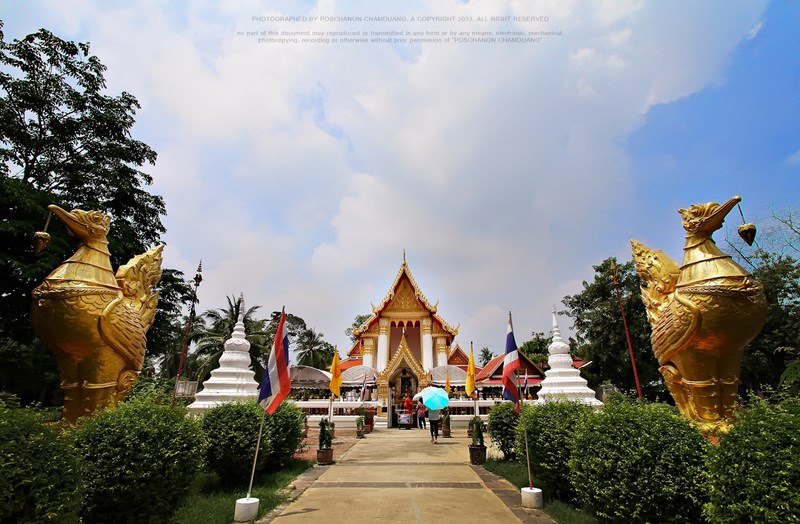
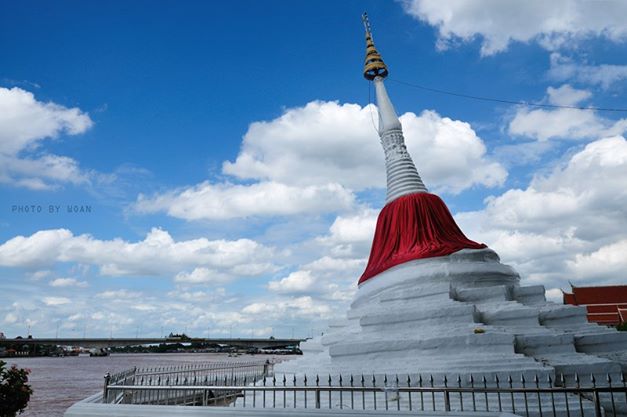
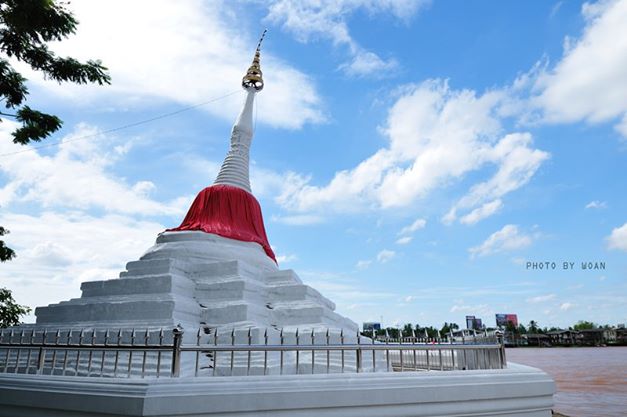
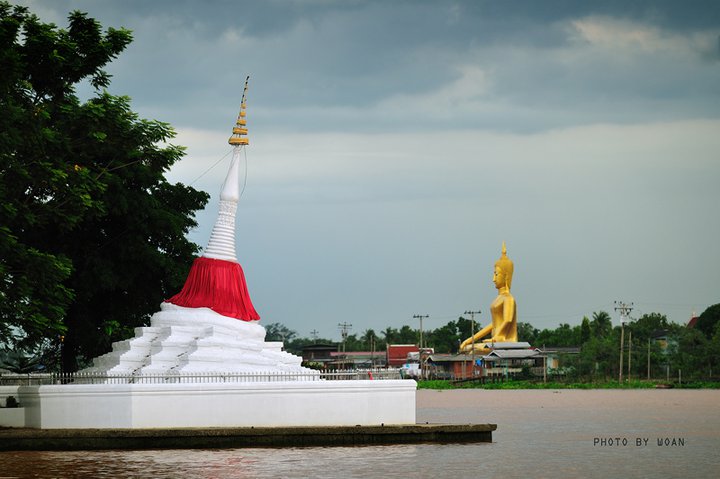
No visit to Koh Kret feels complete without seeing Wat Poramaiyikawat Worawihan, the island’s best-known landmark. The temple is closely associated with the white leaning pagoda, often referred to as the island’s iconic visual symbol. The area around the temple also connects naturally with the community market, souvenir stalls, local food shops, and ferry access, making it one of the easiest places for first-time visitors to start. From there, many travelers continue through the island on foot, passing temple compounds, pottery shops, old-style neighborhoods, and local eateries that reveal the island’s many layers.
Koh Kret feels different depending on when you visit. Weekdays are quieter and better for travelers who prefer a more relaxed atmosphere and want to observe local life more closely. Weekends and public holidays are much busier and are usually the best time for visitors who want the full market experience, a wider choice of food, and more active craft-related shopping. This contrast is useful when planning a trip. Travelers seeking a peaceful walk may prefer a weekday, while those wanting the most complete range of island experiences will likely enjoy a Saturday, Sunday, or holiday visit more.
Another strength of Koh Kret is that several important places are connected within a manageable route. Temples such as Wat Sao Thong Thong, Wat Phai Lom, Wat Chimphli Sutthawat, and Wat Poramaiyikawat can be woven into a continuous walking or cycling route, alongside pottery zones and riverside food areas. This makes Koh Kret highly flexible. Visitors interested in architecture and religion can focus on temple routes, while food-oriented travelers can center their visit on sweets, local dishes, and riverside dining. Others may simply enjoy a scenic loop around the island for photography, slow exploration, and community atmosphere.
Getting There is straightforward from Pak Kret. Travelers with private cars usually park near Wat Bang Chak, Wat Sanam Nuea, or Wat Klang Kret and then take a short ferry across the river. Public transport users can travel to Pak Kret by bus, or use the MRT Purple Line and continue by road to one of the ferry piers. There are three main public ferry links used for crossing to the island, and once on Koh Kret, walking and cycling are the most practical ways to explore. This transport pattern is part of the island’s charm because the experience begins with the river crossing itself.
In the end, Koh Kret stands out because it combines river history, Mon cultural heritage, community-based tourism, food traditions, temple architecture, and craft identity in one compact destination. It is suitable for first-time visitors, repeat travelers, photographers, food lovers, and anyone interested in cultural tourism near Bangkok. Rather than offering a single attraction, Koh Kret offers an entire environment shaped by water, history, and community memory. That is what makes it more than just a weekend market and why it continues to hold an important place in Nonthaburi’s cultural landscape.
| Name | Koh Kret |
| Location | Ko Kret Subdistrict, Pak Kret District, Nonthaburi Province |
| Address | Moo 3, Ko Kret Subdistrict, Pak Kret District, Nonthaburi 11120 |
| Highlights | Thai-Mon riverside community, Wat Poramaiyikawat Worawihan and the leaning pagoda, community market, traditional Thai sweets, kala shoot dishes, pottery craftsmanship |
| History | The island emerged after a shortcut canal was dug across the Chao Phraya River in 1722 during the Ayutthaya period. It later became an important settlement shaped by Mon communities during the Thonburi and early Rattanakosin periods |
| Name Origin | The area was formerly known as Ko Salakun before it became officially associated with Ko Kret as the local administrative name |
| Distinctive Features | A river island with preserved local life, strong Mon cultural roots, old temples, pottery workshops, and a slow-travel atmosphere ideal for walking and cycling |
| Travel Information | Park near Wat Bang Chak, Wat Sanam Nuea, or Wat Klang Kret and continue by ferry, or travel to Pak Kret by public transport and cross by public ferry before exploring the island on foot or by bicycle |
| Current Status | Open to visitors, with lighter activity on weekdays and the fullest shop openings on weekends and public holidays |
| Open Days | Daily |
| Opening Hours | Best visiting time is around 08:00 – 18:00; the busiest period is on weekends and public holidays |
| Fees | No island entrance fee |
| Facilities | Public ferry piers, local restaurants, dessert and souvenir stalls, bicycle rental, homestays, temples, and scenic riverside rest points |
| Main Areas / Zones | Wat Poramaiyikawat Worawihan, O-Ang Village Market, pottery workshop area, Wat Sao Thong Thong, Wat Phai Lom, Wat Chimphli Sutthawat, and the island loop for walking or cycling |
| Main Contact Number | Ko Kret Subdistrict Administrative Organization: 0-2583-9544 |
| Official Website / Official Page | Ko Kret Subdistrict Administrative Organization, Tourism Authority of Thailand (Amazing Thailand) |
| Nearby Tourist Attractions | 1) Wat Poramaiyikawat Worawihan 0.5 km 2) Wat Sao Thong Thong 1 km 3) Wat Phai Lom 1.4 km 4) Wat Chimphli Sutthawat 2.2 km 5) Wat Klang Kret Worawihan 2.5 km |
| Nearby Restaurants | 1) Toh Son Red Pork Noodle Shop 0.1 km 2) Pa Jit Royal-Style Khao Chae 0.3 km 3) Khun Daeng Khao Chae Koh Kret 0.4 km 4) Baan Suan Rim Chon 1.7 km 5) River Wine Restaurant and Wine Bar 0.4 km |
| Nearby Accommodations | 1) Baan GoLite Ko Kret 0.5 km 2) Cast Away Home Stay 1 km 3) Sabai Sabai House Koh Kret 1 km 4) Narada Residence Pak Kret 8 km 5) Double D Hotel Pak Kret 8 km |
Frequently Asked Questions (FAQ)
Q: How was Koh Kret formed?
A: Koh Kret was created after a shortcut canal was dug across a bend of the Chao Phraya River in 1722, and the water current gradually widened the canal until the land became an island.
Q: Is Koh Kret open every day?
A: Yes. The island welcomes visitors daily, although weekday activity is lighter and weekends as well as public holidays have the fullest range of shops and food stalls.
Q: Is there an entrance fee for Koh Kret?
A: No. There is no main entrance fee for the island itself. Visitors only pay for their ferry crossing and any personal expenses such as food, bicycle rental, or shopping.
Q: What is the most famous landmark on Koh Kret?
A: The best-known landmark is Wat Poramaiyikawat Worawihan and its iconic leaning pagoda, which is closely associated with the image of Koh Kret.
Q: What food should I try on Koh Kret?
A: Popular choices include khao chae, traditional Thai sweets, and local dishes made with kala shoots, which are strongly linked to the island’s food culture.
Q: What is the best way to explore Koh Kret?
A: Walking and cycling are the best ways to explore because many key spots are connected within a manageable route and this allows you to enjoy the island’s community atmosphere more fully.
 Koh Kret Map
 Category:
  Group:
  Last Update: 7 MinuteAgo
Comment

Photo Gellery(6) 
 Thank you photo(3) from: Exorcismz Zn
|
|
|
 |
● Photographer: Poschanon Chamduang ● Link: facebook.com/exorc1smz ● Ref: pixpros.net |
Thank you photo(3) from: Woan
|
|
|
 |
● Photographer: Tosawoan Sawatcheewan ● Link: facebook.com/tosawoan ● Ref: pixpros.net |
● Copyright Photography. (800*500)
● View full size images from the photographer.
● View full size images from the photographer.
 Nearby Attractions
| Keyword (Advance) |
 Region
|
 Muang Nonthaburi(