
 Home
Home North(
 Chiang Mai(


Rating: 4.6/5 (5 votes)
 |
|  Map
Map 
 Have Map
  No Map
Chiang Mai attractions
Attractions in Thailand
Open Days: Permanently closed (no longer open to the public as a museum)
Opening Hours: -
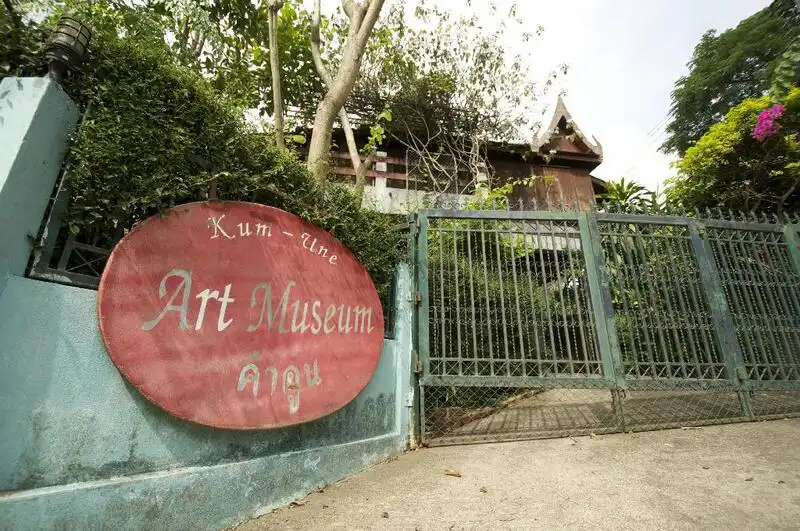
Baan Kham Oon Museum in Chiang Mai was once a small yet profoundly meaningful private museum located in the Mae Rim area. Situated around the 4th kilometer along the Mae Rim–Mae Sa tourist route, opposite the former Mae Sa Snake Farm, the museum opened its teakwood house amid lush Thai gardens and wild orchids, allowing visitors to step quietly into the world of ancient artifacts, rare collectibles, and traditional craftsmanship. However, the museum is now permanently closed and no longer open to visitors. Information about this place should therefore be viewed as historical reference rather than used for planning an actual visit.
Baan Kham Oon began with the owner’s deep passion for art, textiles, and antiques—objects collected gradually over many years until they filled the original house. Eventually, the collection grew into a curated space that functioned as a semi-private museum. During its operating years, it was often described as a “house” that gently sheltered stories of rare textiles, sacred objects, and artisanal works within the peaceful landscape of Mae Rim.
The main structure of the museum was a two-storey Lanna-style teakwood house elevated on concrete pillars. Its warm wooden tones, slanted gable roof, and wide eaves gave the home a distinct character. This house had previously been used by the Mae Sa Museum before being purchased—together with its land—by the owners of Baan Kham Oon. Gentle natural daylight sifted through its windows, bringing out the texture of each displayed object without the need for dramatic lighting.
Inside the main house, the museum once showcased numerous pieces of antique and restored furniture—platform beds, wooden couches, tables, chairs, cabinets, and intricately carved woodwork. Many items had retained subtle marks of time such as faded lacquer or gently worn wooden surfaces. The displays also included lacquerware, silverware, carved wooden Buddha images, ancient pottery linked to the Ban Chiang cultural era, and many old household items. These pieces together formed a continuous story of artistic tradition across northern Thailand and beyond.
One of the museum’s most treasured features was its large textile collection. Thousands of handwoven pieces—Thai silk, northern tribal textiles, rare motifs, and specially commissioned works—were preserved and displayed. Each piece carried its own identity in texture, pattern, and dye, offering insight into the history of communities, ethnic groups, and evolving tastes. Walking through this room felt like reading cultural history through woven threads.
Another memorable space was the “Chinese Room,” which showcased Chinese antiques. Its highlight was a Qing-dynasty wooden canopy bed carved with elaborate patterns—an impressive piece that gave visitors an intimate glimpse of life, artistry, and status in historical Chinese households. The presence of such objects enhanced the narrative of cultural exchange between Lanna and Chinese communities in the region.
A second building stood to the east of the property—a central Thai-style teakwood house relocated from an art center in Uthai Thani. Reconstructed on a concrete base, its lower floor once served as a souvenir hall displaying antiques available for purchase. Visitors in earlier years could browse old crafts, collectibles, and traditional décor items. The upper floor, designed like a traditional home interior, exhibited pottery, old cabinets, vintage dressing tables, and various antique wooden beds, creating a lived-in atmosphere rather than a formal gallery setting.
The surrounding grounds of Baan Kham Oon were filled with Thai garden plants and wild orchids. In the period when the museum was still open, guests could rest in the small outdoor pavilion while enjoying simple refreshments. This made the experience feel less like visiting a museum and more like spending quiet time in a traditional teak home that happened to hold treasures from different eras.
Today, although Baan Kham Oon Museum is permanently closed, its name still appears in cultural records and museum databases as a notable example of a privately driven museum—a collection shaped not by institutions, but by personal passion. For enthusiasts of northern textiles, Thai decorative arts, or antiques, reading about Baan Kham Oon remains valuable. It shows how one house can preserve the memories and material culture of many generations, even if its doors are no longer open.
Getting There when referencing the former location of Baan Kham Oon starts from Chiang Mai City, following Highway 107 toward Mae Rim. After reaching Mae Rim town, turn onto Highway 1096 toward the Mae Sa Valley and Queen Sirikit Botanic Garden. About 4 kilometers along this road—near the area where the Mae Sa Snake Farm once stood—the museum property was located on the right-hand side. As the museum is permanently closed, travelers should not visit expecting access or exhibitions. Instead, it is recommended to explore other open attractions in the Mae Rim area such as Mae Sa Waterfall, Queen Sirikit Botanic Garden, or Elephant POOPOOPAPER Park.
| Name | Baan Kham Oon Museum (Former Private Museum) |
| Location | 259 Moo 1, Mae Raem Sub-district, Mae Rim District, Chiang Mai 50180 Located along the Mae Rim–Mae Sa tourist route near kilometer 4, right-hand side (formerly opposite the Mae Sa Snake Farm). |
| Key Features | A former private museum consisting of a two-storey Lanna-style teak house connected to a relocated central Thai-style teak house. Exhibits once included antique furniture, Ban Chiang–era pottery, lacquerware, silverware, carved wood, Buddha images, thousands of handwoven silk and textile pieces, and a Chinese Room featuring a Qing-dynasty bed. The houses were surrounded by lush Thai gardens and wild orchids. |
| Period | The buildings were restored and adapted during the 20th century. The artifacts and textiles ranged from prehistoric Ban Chiang culture to early Rattanakosin and contemporary northern crafts. |
| Significant Artifacts | Antique furniture, Buddha images in wood and bronze, Ban Chiang pottery, Thai silk collections, northern tribal textiles, lacquerware, silver ornaments, carved wood pieces, and Qing-dynasty Chinese furniture including an ornate carved bed. |
| Name Origin | “Baan Kham Oon” was the name chosen by the owners to reflect the house’s role as a personal space that safeguarded artistic and cultural memories rather than operating as a formal public museum. |
| Getting There | From Chiang Mai City, take Highway 107 toward Mae Rim, then turn onto Highway 1096 heading into the Mae Sa Valley. Continue approximately 4 km; the former museum site was on the right side near the old Mae Sa Snake Farm. As the museum is permanently closed, traveling here will not provide access to exhibitions. |
| Current Status | Permanently closed. The museum no longer operates or provides public access. Information is preserved for historical reference only. |
| Opening Hours | Permanently closed. Previously open 09:00–16:00 before closing operations. |
| Entrance Fee | No fee applies as the museum is permanently closed. Historically, admission was 100 baht for adults and 30 baht for children. |
| Facilities | During its operation, the museum offered parking, shaded garden areas, a pavilion for resting, and a souvenir section. All services have ended with the museum’s closure. |
| Nearby Attractions | Elephant POOPOOPAPER Park (2–3 km), Tiger Kingdom Chiang Mai (2–3 km), Mae Sa Waterfall (7–8 km), Queen Sirikit Botanic Garden (12–15 km), and mountain attractions toward Mon Jam. |
| Nearby Restaurants | Zombie Café, Mae Raem (2–4 km, Tel. 095-325-2153); Jirung Health Village Restaurant (approx. 10 km, Tel. 053-861-511-3); Four Seasons Resort Chiang Mai Restaurants (approx. 10–12 km, Tel. 053-298-181). Visitors should verify hours before visiting. |
| Nearby Accommodations | Four Seasons Resort Chiang Mai (approx. 10–12 km, Tel. 053-298-181); Jirung Health Village (approx. 10 km, Tel. 053-861-511-3). Both offer convenient access to Mae Rim’s natural and cultural attractions. |
| Contact Number | Tel. 0 5329 8068 (former contact number; current validity not guaranteed due to permanent closure) |
Frequently Asked Questions (FAQ)
Q: Is Baan Kham Oon Museum still open for visitors?
A: No. The museum is permanently closed. All information available today should be regarded as historical reference only.
Q: What can visitors expect to find if they go to the former location?
A: The site is no longer maintained as a museum. Land use may have changed over time. Visitors should not expect exhibitions or access to the former collections.
Q: What were the main highlights of Baan Kham Oon Museum when it was open?
A: The museum was known for its intimate “home-like” atmosphere displaying antique furniture, lacquerware, silverware, Ban Chiang pottery, Buddha images, and a vast textile collection in traditional teak houses.
Q: How was this museum different from other textile or art museums?
A: Unlike large public museums, Baan Kham Oon felt like visiting someone’s private home filled with cherished collections, creating a sense of closeness and personal storytelling.
Q: Where can I see similar textile or antique collections today?
A: Several museums and cultural centers in Chiang Mai focus on textiles, crafts, and northern heritage. Visitors should check current operating status before visiting as information can change over time.
Q: Is the former phone number still active?
A: The number 0 5329 8068 was the museum’s former contact. Its current use cannot be confirmed due to the museum’s permanent closure.
 Tel: 053298068
 Baan Kham Oon Museum Map
 Category:
  Group:
  Last Update: 3 MonthAgo
Comment
 Nearby Attractions
| Keyword (Advance) |
 Region
|
 Muang Chiang Mai(