

 Home
Home Chiang Mai(










Rating: 4/5 (6 votes)
 |
|  Map
Map 
 Have Map
  No Map
Chiang Mai attractions
Attractions in Thailand
Open Days: Generally “every day” (recommended to check official announcements on opening–closing of attractions/campsites before traveling)
Opening Hours: Generally 08:00 – 18:00 (hours/conditions may change by season and by the park’s official announcements)
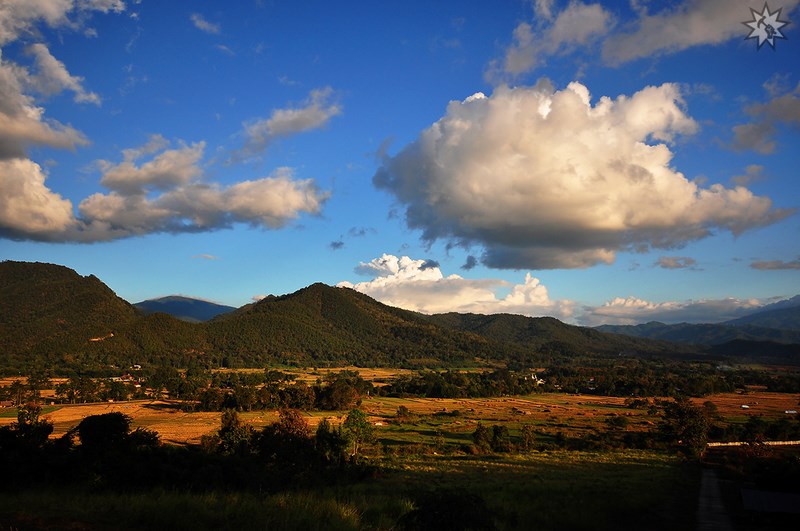
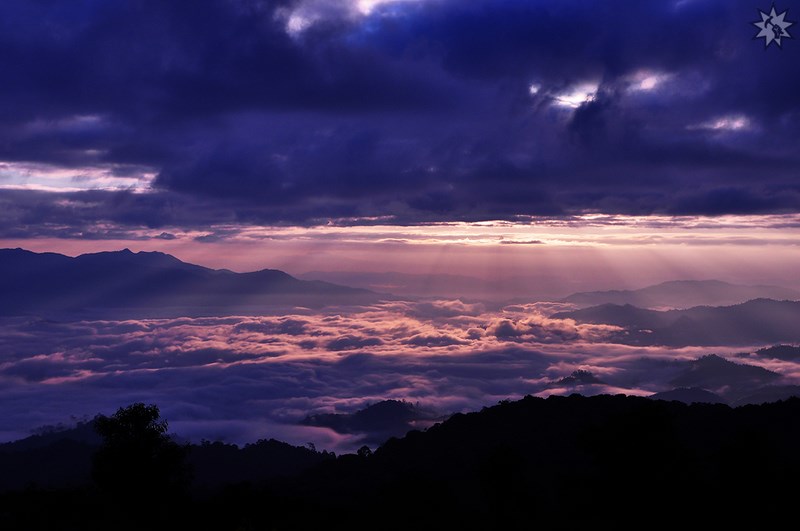
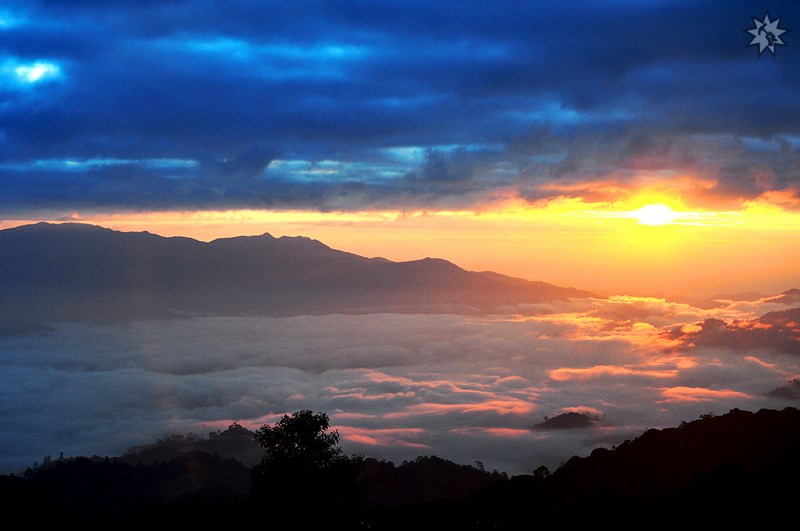
Huai Nam Dang National Park is a mountain-nature destination on the Thanon Thong Chai Range that many people come for “the sea of mist,” but once you arrive you’ll usually realize the charm isn’t only the layered fog at dawn. What makes this place feel special is the sense of being on a real headwaters mountain that feeds the surrounding areas on both the Mae Taeng side (Chiang Mai) and the Pai side (Mae Hong Son). That’s why Huai Nam Dang feels more like a “living highland” than a photo spot—because when you look down into the valley, you’re looking at rainfall, dew, and mist turning into tiny streams that gather into creeks and rivers that truly support downstream communities.
The park spans complex mountain ridges and valleys, with elevations from roughly 400 up to nearly 2,000 meters, and notable peaks such as Doi Chang that act as a moisture-catching barrier and the backbone of a mountain ecosystem. The forest here is a true watershed forest with many small and large streams, and it is a source area for important waterways such as the Mae Taeng River and the Pai River (as described by Thailand’s Department of National Parks). This helps explain why the area stays humid, why mist forms easily, and why the rainy season requires extra attention to safety on roads, trails, and activity areas.
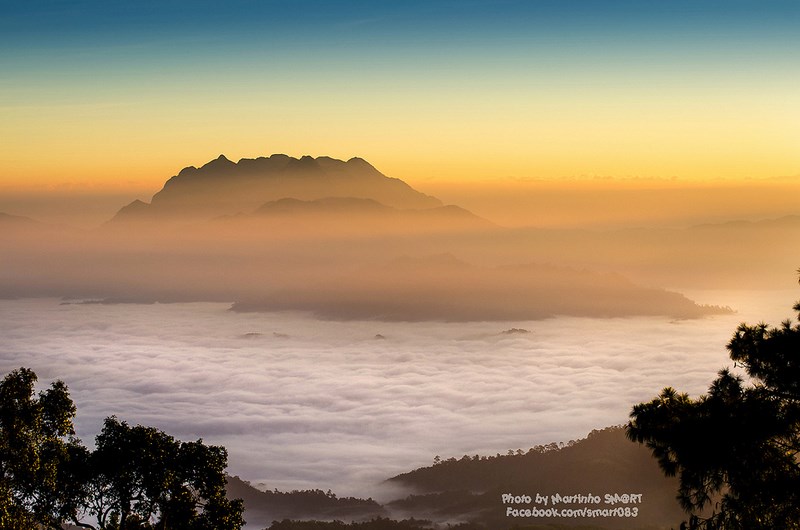
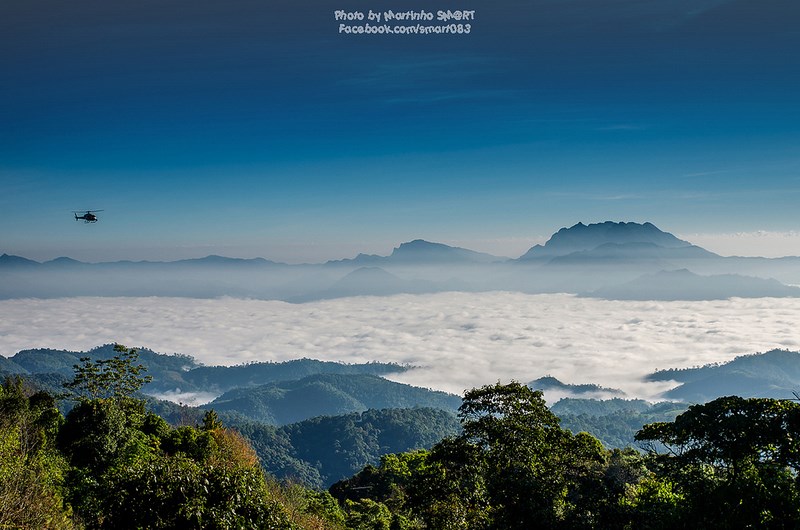
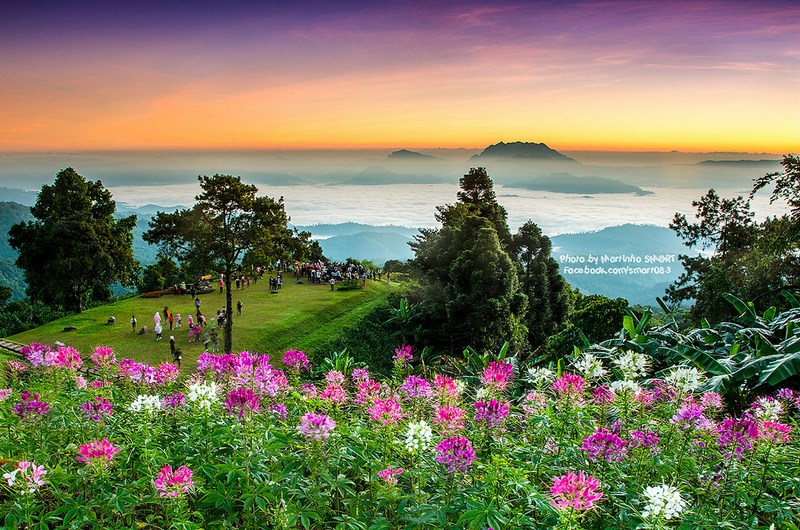
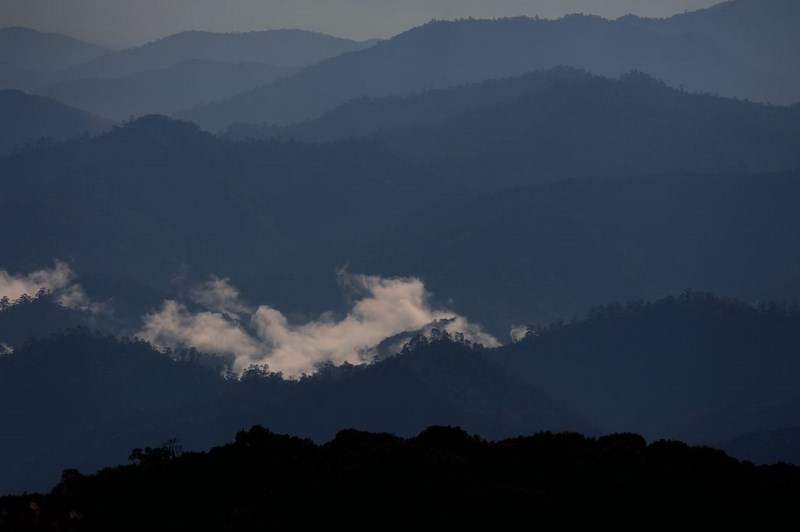
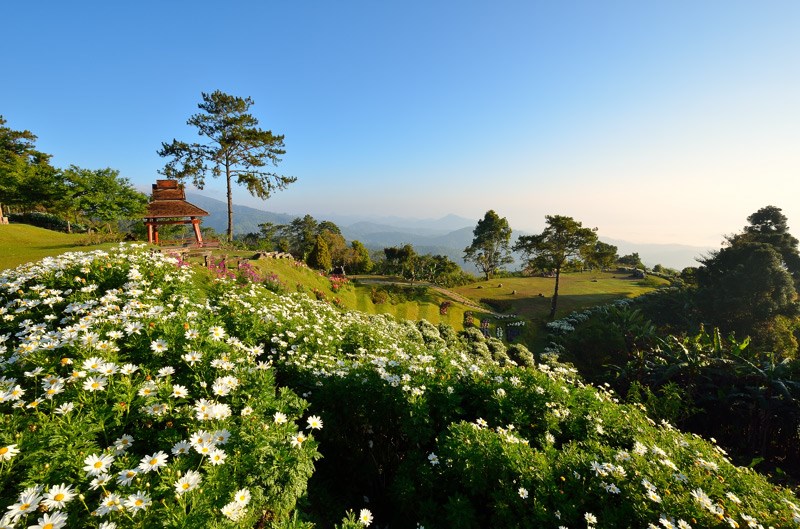
If you want to understand the “Huai Nam Dang kind of beauty,” start with one word: “valley.” The famous sea of mist is usually valley fog that forms when nighttime temperatures drop and humidity condenses into fine droplets. At first light, the mist slowly lifts like a white curtain, revealing the mountains behind it in layers. That’s why arriving late in the morning often means missing the best moment, and why mornings after rainfall—or calm, still mornings—are more likely to deliver that “thick mist” look.
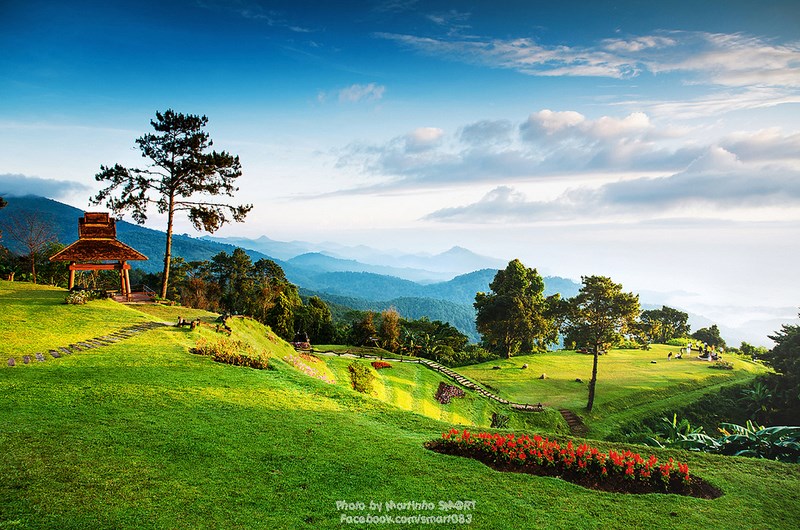
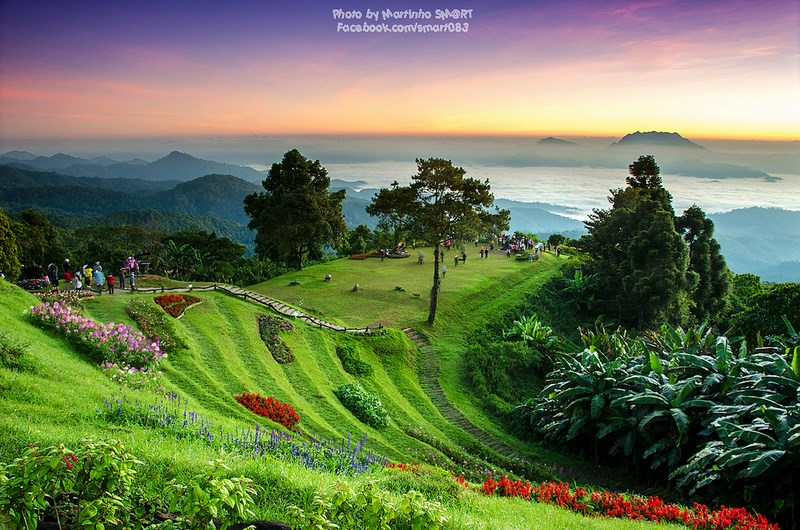
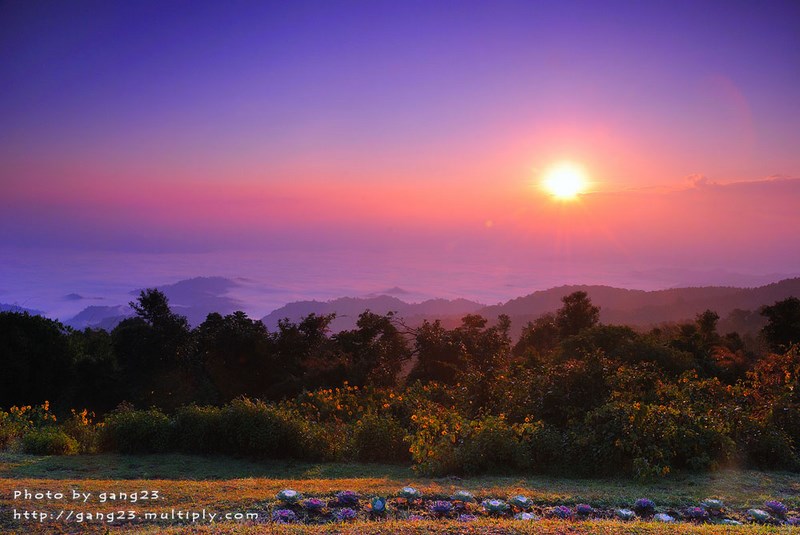
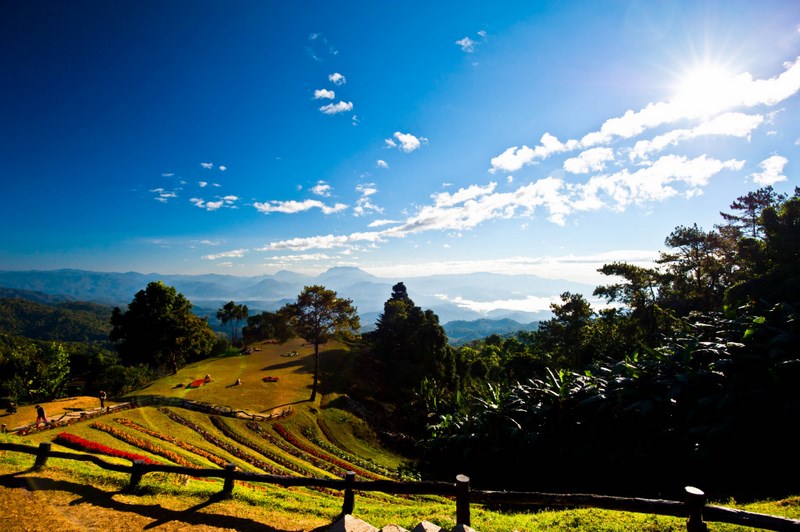
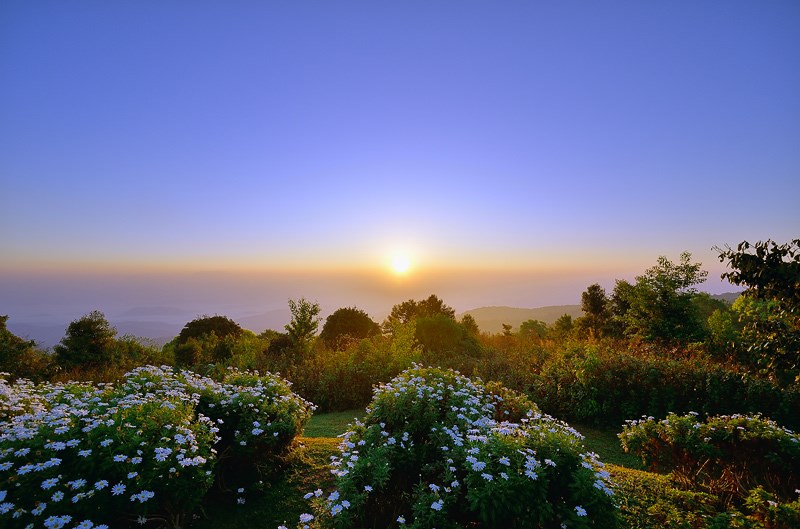
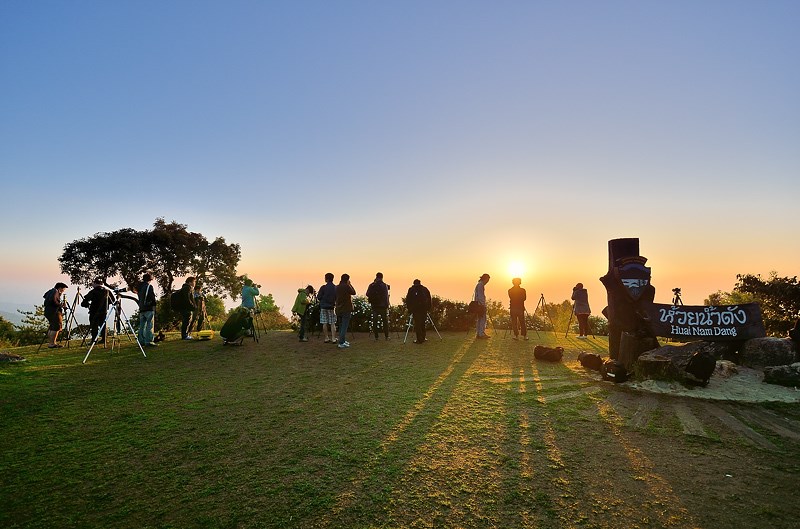
The park’s signature viewpoint is near the headquarters at “Doi Kiew Lom,” where you can watch the sea of mist and distant mountain ranges—and on many clear days you can also see the Chiang Dao massif far away. This spot is perfect for travelers who want sunrise, mist, and that cool highland air that makes waking up at 5 a.m. feel totally worth it. Especially from late rainy season into winter, the air can be noticeably colder; early mornings can be windy, so bring a windbreaker, a hat, and gloves. The cold on the ridge often “bites” more than you’d expect, even if your weather app doesn’t look too scary.
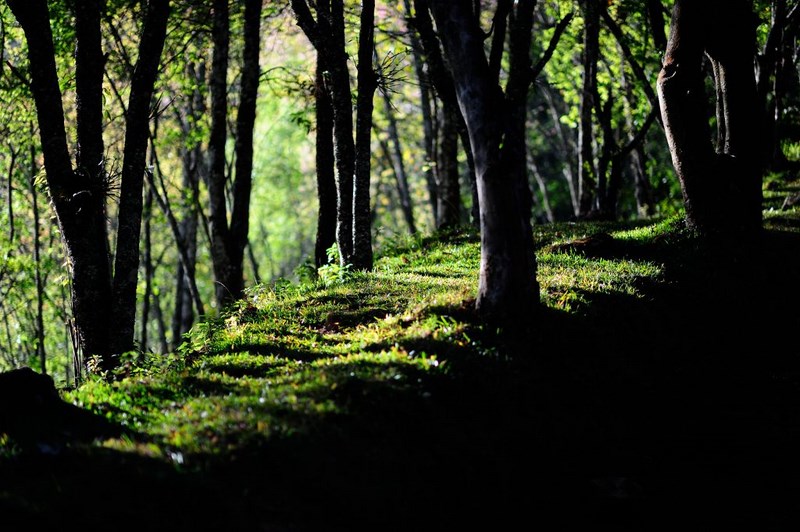
Another activity that adds meaning to the visit is walking a nature study trail near the visitor service area. It shows that the forest here isn’t just a backdrop for the mist, but a living ecosystem with highland plant details and a cool, humid forest atmosphere that makes many people feel like they’ve truly “recharged their lungs.” If you’re into nature photography, the soft morning light in a damp forest after rain often produces especially gentle, deep tones.
Beyond the viewpoint zone, “Huai Nam Dang” also has attractions within the park that make your trip more than just dawn–photos–go home. Highlights include Pong Dueat Hot Spring, Tha Pai Hot Spring, Mae Had Waterfall, Mae Lad Waterfall, plus ranger units and other natural spots scattered along the mountain range. (In trip-planning terms, you can choose a “mode”—viewpoint-focused, hiking-focused, or hot-spring relaxation—so your time and energy match the realities of mountain roads.)
If you want a solid “day trip” plan, what works well is leaving early enough to reach the viewpoint shortly before sunrise, waiting for the mist and the light, then grabbing something warm to refuel. After that, choose a light activity such as walking a nearby nature trail or driving onward to a hot-spring zone in the park. Switching from cold ridge wind to warm mineral steam is a great reset, and for anyone who’s driven a long mountain route, that “soak your feet / rest your eyes” moment matters more than you think.
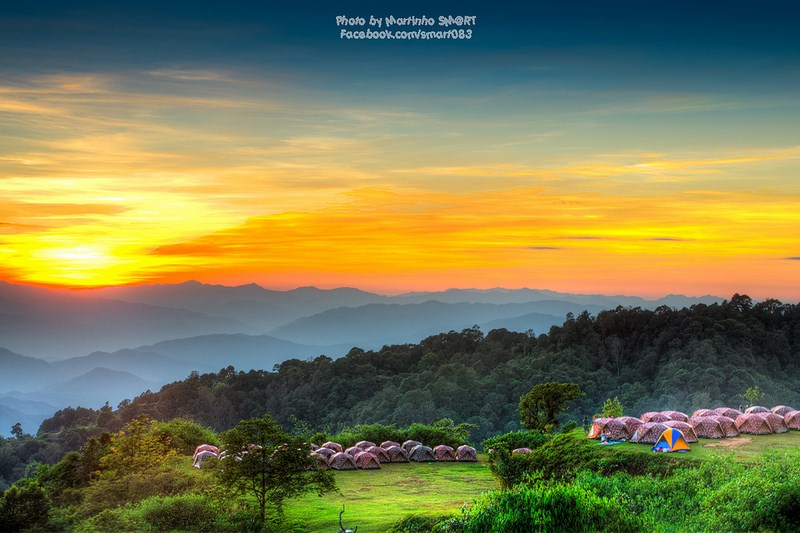
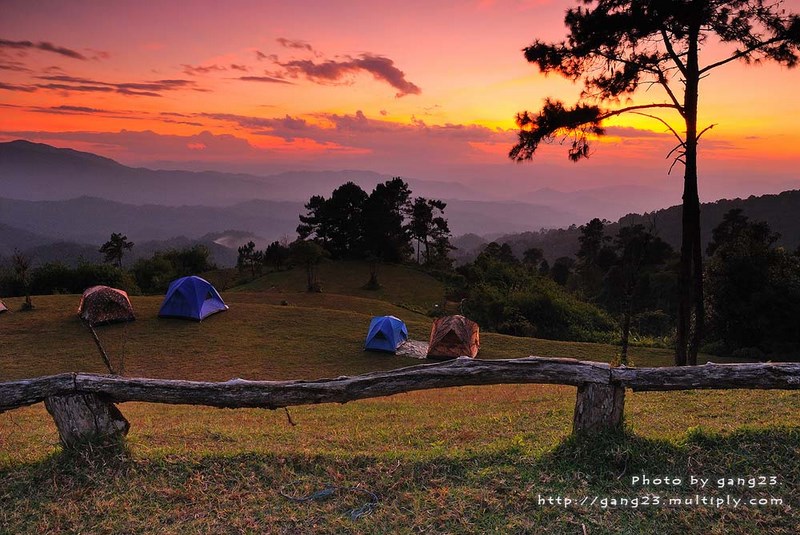
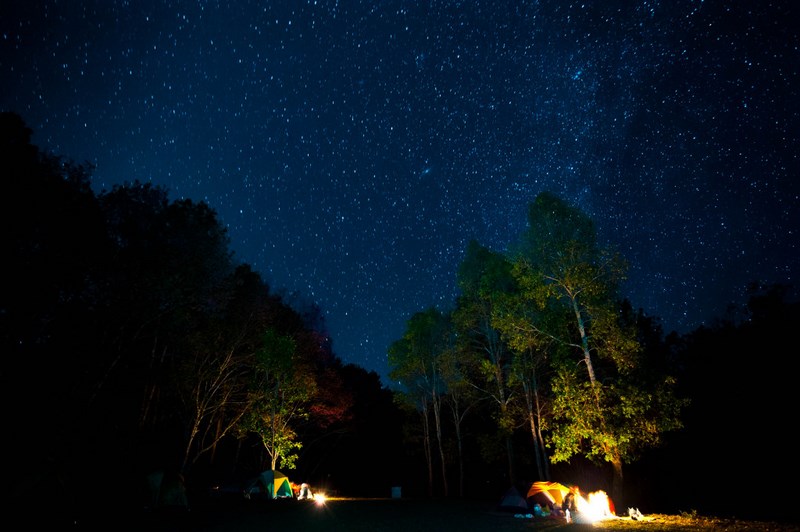
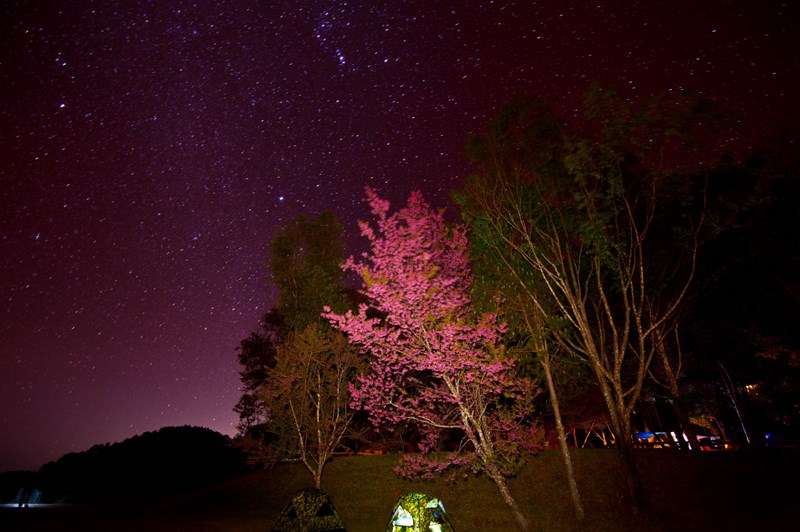
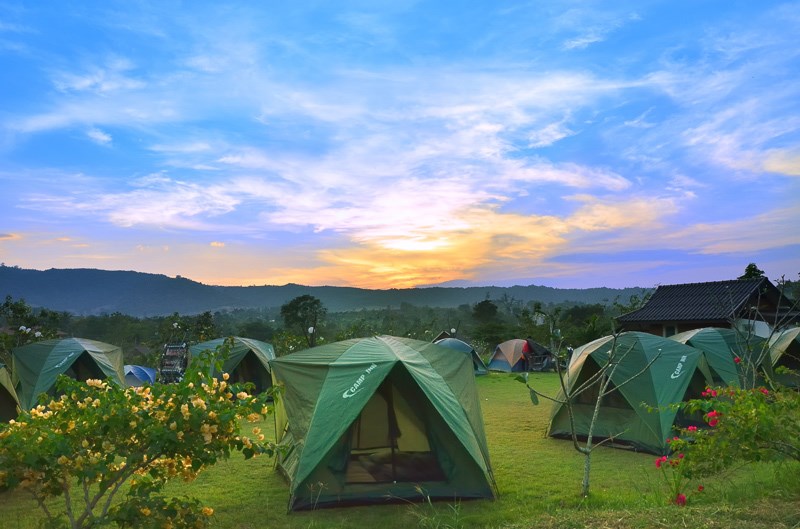
For those who want to “stay overnight,” Huai Nam Dang is one of those places where camping has a clear reward: you wake up in position for the next morning’s mist without driving in deep darkness, and you also get the quiet, cool hours after sunset that feel made for real rest. That said, the rainy season in mountainous areas comes with genuine risks—slippery roads, flash runoff, and trail damage—so the park often announces temporary closures of certain attractions or overnight areas for safety (for example, during the rainy season as stated in the park’s official notices). Always check before you go.
Getting there: from Chiang Mai city, the most commonly used route is Highway 107 (Chiang Mai–Fang) to the Mae Malai Market junction, then turn onto Highway 1095 (Chiang Mai–Pai). Continue up the mountain until the turnoff to the national park headquarters (with a guard post/checkpoint), then drive inward for a bit more to reach the headquarters zone and the main viewpoint. This is a winding “Pai-style” mountain road, so keep a sensible speed and take breaks when needed—especially if you’re driving before dawn or after rainfall, because fog and wet pavement change braking distance immediately.
Getting There: If you don’t want to drive, another option is taking a Chiang Mai–Pai bus/van, getting off at an appropriate point, and then arranging local transport into the park (depending on schedules and how travel works during that period). But if you truly want to cover multiple spots inside the park, having your own vehicle is clearly more flexible—especially for timing “pre-dawn” mist viewing.
Finally, if you want the trip to feel “smooth” like someone who knows mountain travel, prepare these four things: 1) a windbreaker and rain jacket (windy, and weather changes fast), 2) shoes with good grip (wet trails can be slippery), 3) a flashlight/headlamp (pre-dawn and camping areas), and 4) a backup plan (if the mist doesn’t show up, switch to a forest walk or hot springs so the day still feels worth it).
For contact details and service information, Thailand’s Department of National Parks currently lists Huai Nam Dang National Park’s official channels clearly—including the headquarters number, the visitor center, and the Eueang Ngern campsite service contact—so you can call to confirm campsite status, trail conditions, or temporary closure announcements before you travel.
| Name | Huai Nam Dang National Park (Huai Nam Dang National Park) |
| Location | Moo 5, Kuet Chang Subdistrict, Mae Taeng District, Chiang Mai (covering areas of Chiang Mai and Mae Hong Son, per DNP information) |
| Highlights | Mountain watershed national park on the Thanon Thong Chai Range, famous for sunrise sea of mist, ridge viewpoints, and nature attractions such as hot springs and waterfalls |
| Period / Context | Conservation area focused on highland ecosystems and major watershed forests (Mae Taeng–Pai basin) |
| Key Attractions | Doi Kiew Lom viewpoint, Pong Dueat Hot Spring, Tha Pai Hot Spring, Mae Had Waterfall, Mae Lad Waterfall (attraction list referenced from DNP database) |
| Name Origin | Refers to the watershed/stream geography of mountain valleys with high humidity, where mist forms prominently (explained via local terrain and microclimate) |
| Fees | Thai nationals: child 30 THB, adult 60 THB (per updated park fee announcements) / Foreign visitors: child 150 THB, adult 300 THB (as published by official tourism/park sources) |
| Facilities | Park houses/cabins and campgrounds (some zones may have seasonal conditions), visitor center, welfare shop/restaurant (available within the park per DNP information) |
| Current Status | Generally open for tourism, but with “temporary closures of certain attractions/overnight areas” per safety announcements during the rainy season (check the latest notice before traveling) |
| Contact (Verified) | Park headquarters: 082-187-7834 Visitor center: 084-908-1531 Eueang Ngern campsite service: 093-632-1601 |
| Nearby Attractions (Approx. Distance) | Pai town (walking street / cafe zone): ~30 km Wat Phra That Mae Yen (Pai Big Buddha): ~33 km Mae Yen Waterfall: ~40 km Pai Canyon: ~45 km Tha Pai Memorial Bridge: ~41 km Tha Pai Hot Spring (within the park area): ~50 km |
| Popular Restaurants Nearby (Approx. Distance + Phone) | Witching Well (Pai): ~30 km | 092-645-6392 Earth Tone (Pai): ~33 km | 093-307-6686 Charlie&lek (Pai): ~30 km | 081-733-9055 The Blue Ox (Pai Village): ~30 km | 053-698-152 Pai Village (Reservation/Contact): ~30 km | 053-698-152 |
| Popular Accommodations Nearby (Approx. Distance + Phone) | Pai Village Boutique Resort: ~30 km | 053-698-152 Reverie Siam Resort: ~31 km | 053-699-870 Yoma Hotel (Pai): ~30 km | 053-064-348 The Quarter Hotel (Pai): ~30 km | 053-699-947 Phu Pai Art Resort: ~40 km | 053-065-111 |
Frequently Asked Questions (FAQ)
Q: Which months give the best chance of seeing the sea of mist at Huai Nam Dang?
A: Generally, late rainy season into winter offers the best mist conditions, and mornings after fresh rainfall often have a higher chance of thick mist. However, it depends on daily weather, so it’s best to check the forecast and the park’s latest announcements before traveling.
Q: Where is the main viewpoint, and what time should I arrive?
A: The iconic viewpoint is the Doi Kiew Lom area near the park headquarters. If you want mist, aim to arrive slightly before dawn to catch both the mist and the best morning light.
Q: What hot springs and waterfalls are there in the park?
A: Examples include Pong Dueat Hot Spring, Tha Pai Hot Spring, Mae Had Waterfall, and Mae Lad Waterfall—great for planning a “viewpoint + mineral soak + nature” day trip.
Q: Why are some zones sometimes inaccessible during the rainy season?
A: Mountain areas in the rainy season can be risky due to slippery roads, flash runoff, and trail damage, so the park may temporarily close certain attractions or overnight areas for safety. Call the park to confirm current conditions before you go.
Q: Can I visit Huai Nam Dang without a private car?
A: Yes. You can take a Chiang Mai–Pai bus/van and then arrange transport into the park depending on schedules and local conditions. But if you want to cover multiple spots inside the park, a private car is more convenient and flexible.
Q: Which phone numbers should I use to check campsite status and attraction closures?
A: Per DNP listings: Park headquarters 082-187-7834, Visitor center 084-908-1531, and Eueang Ngern campsite service 093-632-1601.
 Website: www.dnp.go.th
 Tel: 053263910, 053548491, 053471669, 025620760
  Huai Nam Dang National Park Map
 Category:
  Group:
  Last Update: 16 HourAgo
Comment

Photo Gellery(27) 
 Thank you photo(6) from: Martinho
|
|
|
|
|
|
 | ● Photographer: Martinho Smart ● Link: facebook.com/smart083 ● Ref: pixpros.net |
Thank you photo(3) from: Arjamo
|
|
|
 | ● Photographer: Arjamo Ditananat ● Link: facebook.com/arjamo ● Ref: 500px.com/Ditananat |
Thank you photo(6) from: Gang23
|
|
|
|
|
|
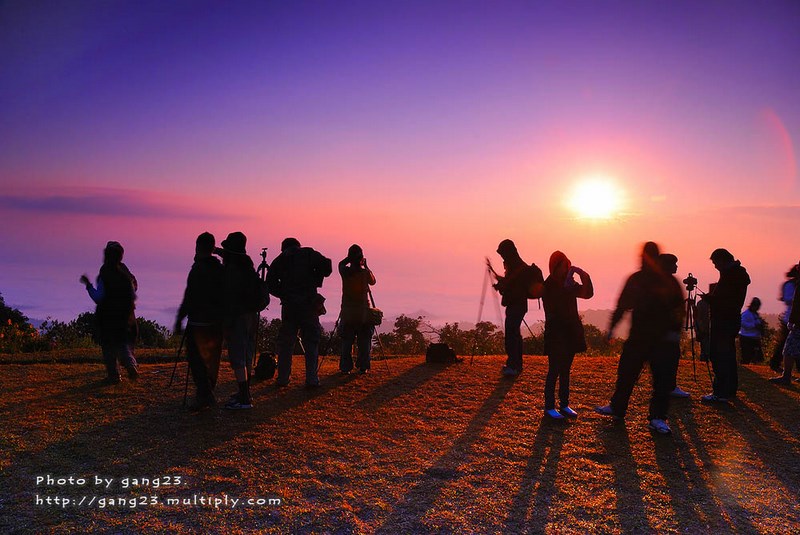
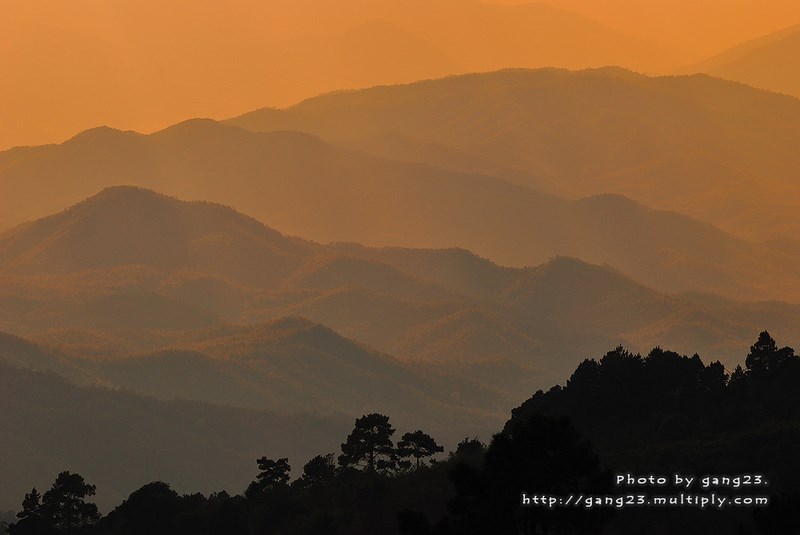
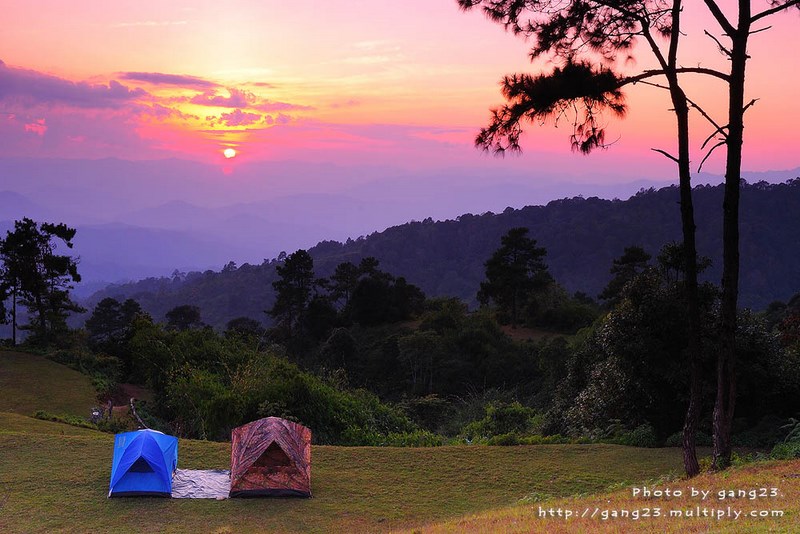
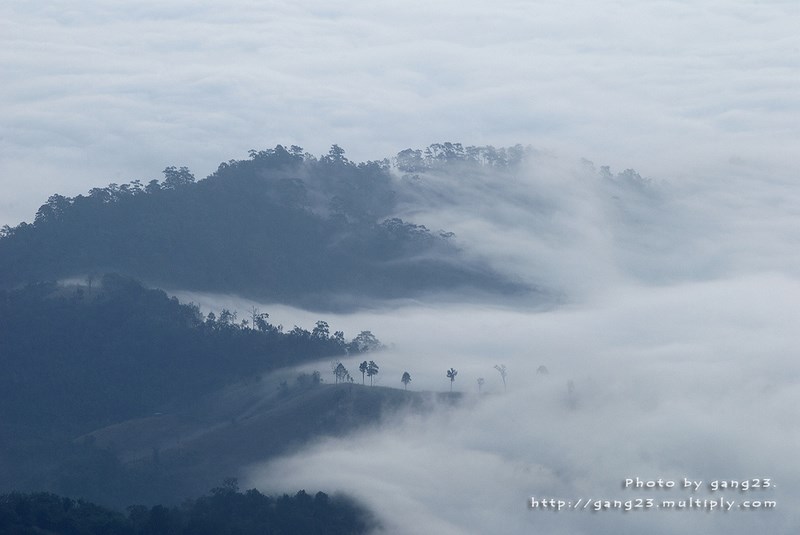
 | ● Photographer: Gang23 ● Link: gang23.multiply.com ● Ref: pixpros.net |
Thank you photo(6) from: Trong Pongwit
|
|
|
|
|
|
 | ● Photographer: Pongwait Buarung ● Link: facebook.com/dimpledog ● Ref: pixpros.net |
Thank you photo(6) from: I-Choke
|
|
|
|
|
|
 | ● Photographer: Narong Karaked ● Link: facebook.com/narong.karaked ● Ref: pixpros.net |
● Copyright Photography. (800*500)
● View full size images from the photographer.
● View full size images from the photographer.
 Nearby Attractions
| Keyword (Advance) |
 Region
|
 Muang Chiang Mai(