

 Home
Home Chiang Mai(


























Rating: 4.3/5 (4 votes)
 |
|  Map
Map 
 Have Map
  No Map
Ratchaburi attractions
Attractions in Thailand
Open Days: Open daily
Opening Hours: It is advisable to contact the temple directly before visiting
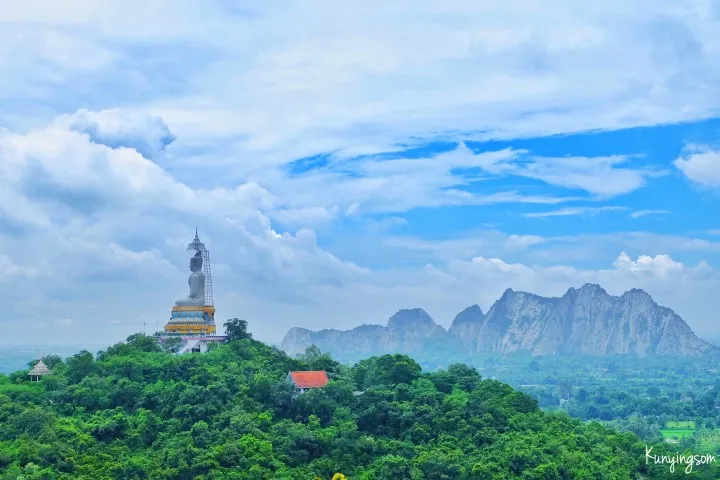
Wat Nong Hoi, Ratchaburi, is a royal monastery located on Khao Raeng in Khao Raeng Subdistrict, Mueang Ratchaburi District. It is especially well known for the grand Viharn of Avalokitesvara Bodhisattva Guanyin and for Phra Phuttha Rattanakosin Mahamuni, or Luang Pho Yai, which are enshrined on different sides of the mountaintop. This makes the temple both a popular place for worship, a viewpoint overlooking Ratchaburi, and a faith-based attraction that draws a steady stream of visitors throughout the year, especially during the Chinese New Year festival.
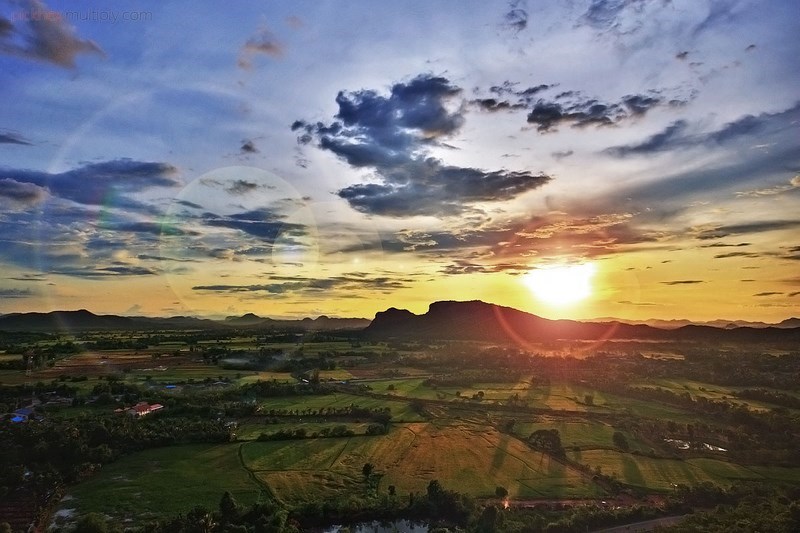
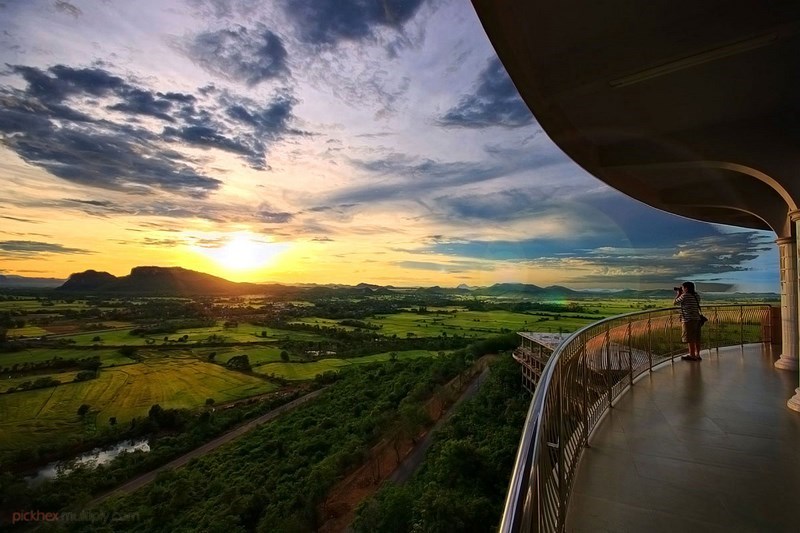
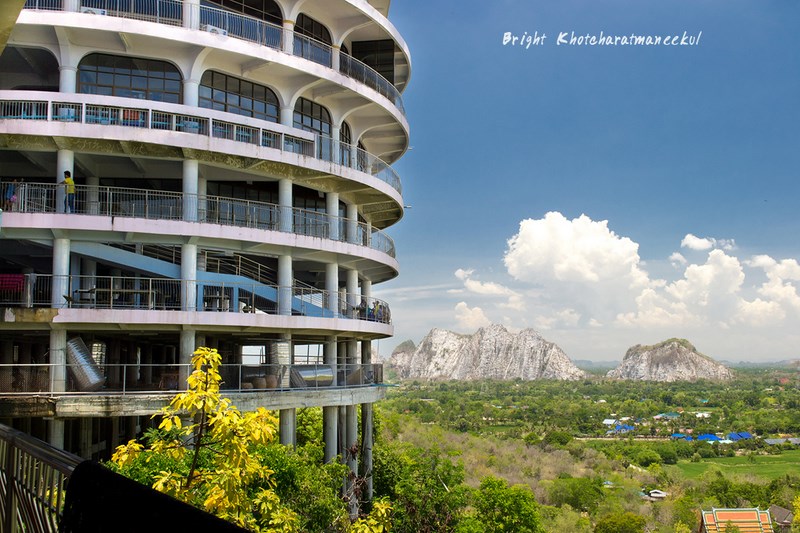
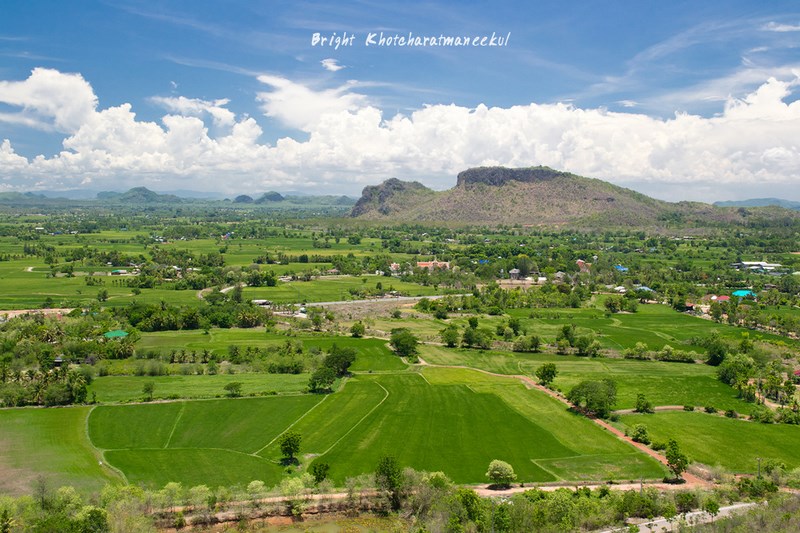
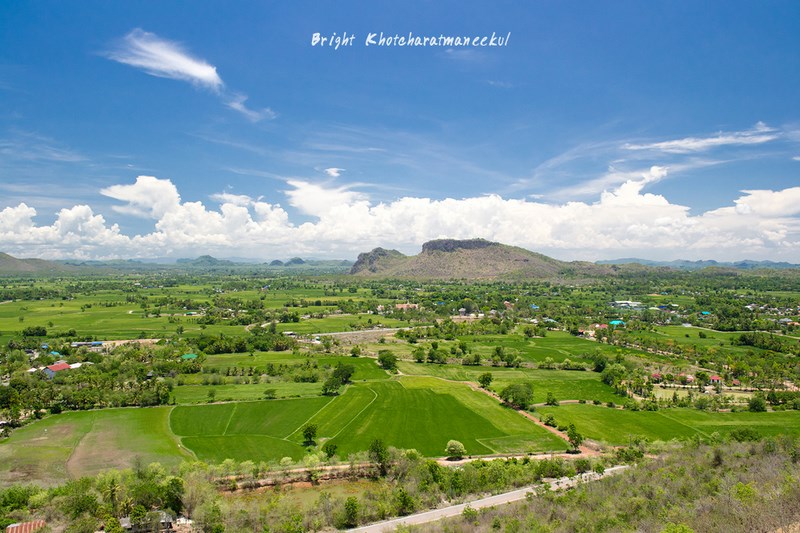
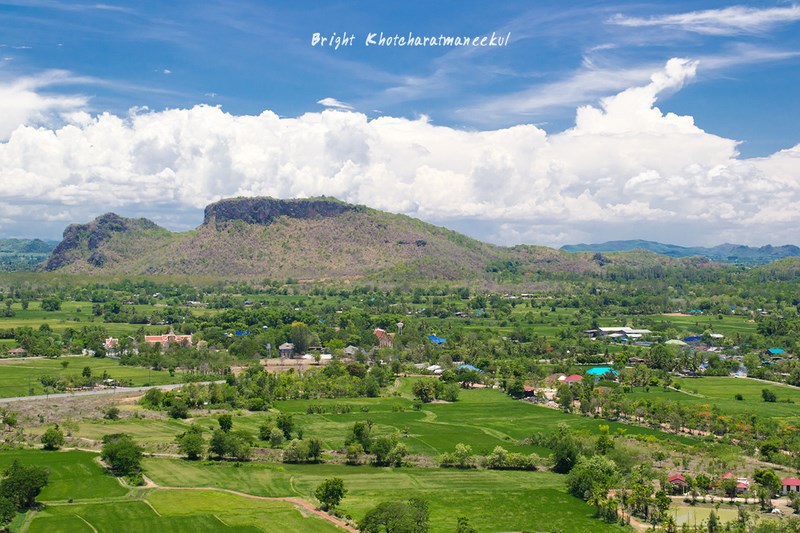
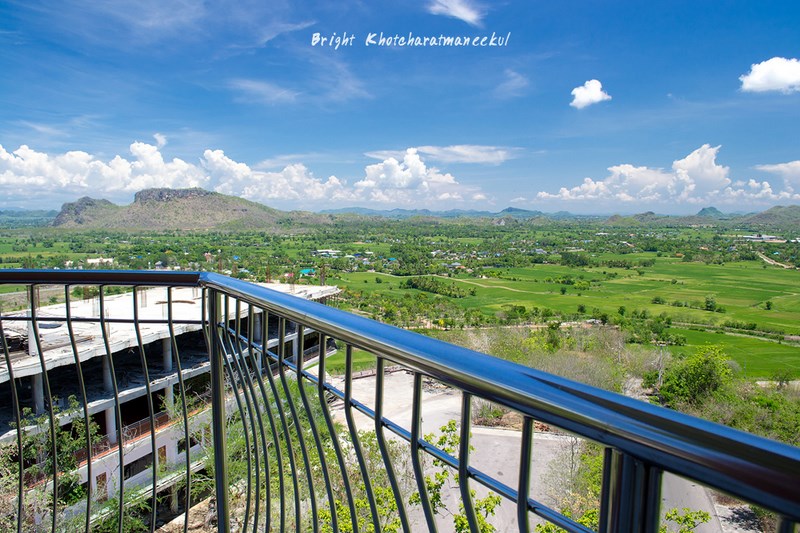
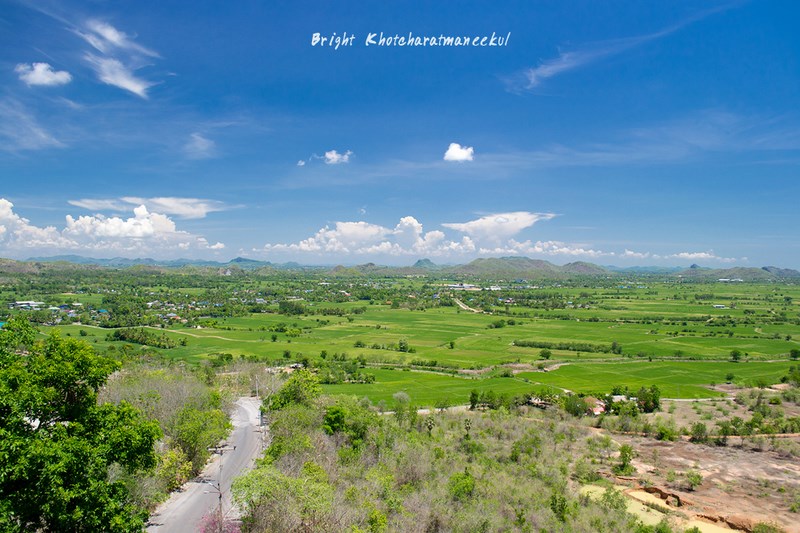
Wat Nong Hoi, Ratchaburi is one of the most famous temples in Ratchaburi Province and an important destination for travelers who wish to pay respects to sacred images on a high mountain while enjoying wide panoramic views of the city below. The charm of this temple does not lie in faith alone, but also in its location on the summit of Khao Raeng. Once visitors reach the top, they immediately notice how different the atmosphere feels compared with ordinary temples in urban communities, with its open landscape, constant mountain breeze, and sweeping views of rocky hills and plains stretching across Ratchaburi below.
For those who have heard of Wat Nong Hoi before, the most memorable image is often the large Guanyin Bodhisattva statue on the mountain peak, along with Luang Pho Yai on the opposite side of the ridge. The distinctiveness of this temple lies in the presence of more than one major sacred point within the same area. Visitors therefore feel that they are not simply coming to worship a single image and leave, but are instead ascending into a place that combines a path of faith, a mountain atmosphere, and a growing sense of peace that deepens as they remain above the city.
Wat Nong Hoi has an interesting history that shows its development from a community temple into one of the province’s most important religious sites. The temple was established during the reign of King Rama V, around 1873. It was originally called “Wat Noi” and stood near Wat Sota Pradittharam. Later, when devotees donated land in the Ban Nong Hoi area at the foot of the hill, a new temple began to be built there, and it was then renamed after the village as “Wat Nong Hoi.” Since then, this story has shown that Wat Nong Hoi is not only famous today because of its large sacred images, but also because it is deeply rooted in the local community and in the faith of the people of the area.
The continued growth of Wat Nong Hoi reflects the expansion of faith surrounding the site. The temple was developed into a royal monastery and became a spiritual center for people in Ratchaburi and nearby provinces, especially for those devoted to Guanyin Bodhisattva and those who come to pray for compassion, smooth progress in life, success in business, and blessings for their families. Combined with its convenient mountaintop access, Wat Nong Hoi gradually became a place that local residents, tourists, and pilgrims alike came to know well and intentionally visit.
The most prominent highlight of Wat Nong Hoi is the Viharn of Avalokitesvara Bodhisattva Guanyin, which houses the large Guanyin image standing out on the summit of Khao Raeng. The statue is approximately 16 meters high, with a lap width of 9 meters, making it visible from afar and instantly recognizable whenever people speak of Ratchaburi as a destination for worship and blessings. The beauty of this Guanyin image lies not only in its size or visual impact, but also in the surrounding atmosphere, which opens outward to the hills and plains of Ratchaburi. This gives worship here a calm, uplifting, and spiritually expansive feeling, quite different from paying respects in a more enclosed setting.
In the beliefs of many devotees, Guanyin Bodhisattva symbolizes compassion, mercy, and protection from suffering. Climbing up to pay respects to Guanyin on the mountaintop is therefore not merely a form of religious tourism, but a journey made in hope, with many people coming to pray for health, family, career, and peace of mind. This is one reason why Wat Nong Hoi receives visitors consistently throughout the year, especially during Chinese New Year, when the atmosphere becomes particularly lively.
On the other side of the summit stands Phra Phuttha Rattanakosin Mahamuni, commonly known as “Luang Pho Yai.” The Buddha image sits in serene dignity, facing the surrounding landscape, making this another highly popular point for visitors. The feeling of going up to pay respects to Luang Pho Yai is slightly different from that of the Guanyin side, as it offers a more tranquil, still, and solemn atmosphere typical of a Buddhist sanctuary on a mountaintop. Those who enjoy worship, sitting quietly in the breeze, and taking in the view often end up spending longer here than expected, because the wind, the scenery, and the silence gradually bring a deep sense of calm.
Seen as a whole, Wat Nong Hoi holds value not only because of these two major sacred images, but also because it beautifully connects faith with landscape. Visitors can drive all the way up to the viharn area, making it much more convenient than many hilltop temples for elderly visitors and families with children. At the same time, the road up the mountain still preserves the feeling of ascending into a higher, quieter space separated from the bustle of the city below. Once at the top, looking back out over the plains and rocky hills of Ratchaburi makes it easy to understand why this temple is remembered both for its sacredness and for the beauty of its setting.
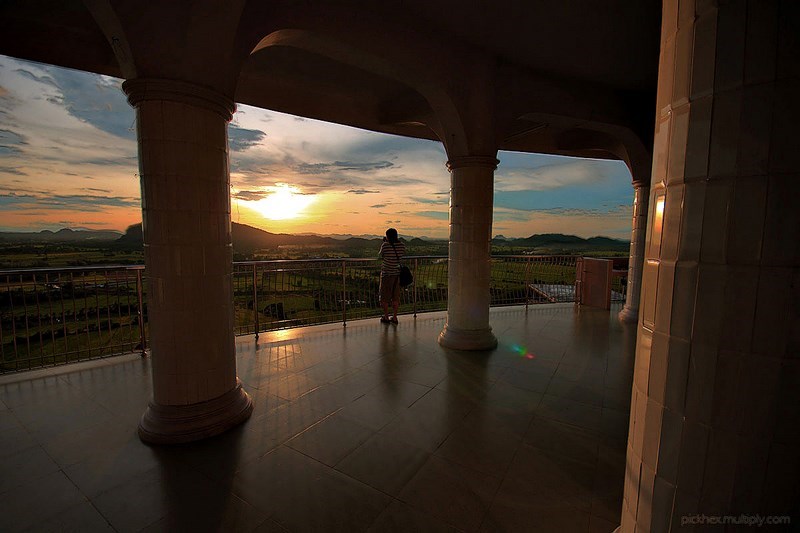
The atmosphere around the temple is also ideal for a relaxed, unhurried visit. Those who come in the morning may see soft sunlight touching the sacred images with a dramatic mountain backdrop, while in the late afternoon the gentler light creates an even more peaceful mood. This makes Wat Nong Hoi suitable for pilgrims, photographers, and travelers who want to spend half a day slowly enjoying a single place. It is especially a good choice for family trips, because it is easy to reach, has places to pause and enjoy the scenery, and carries clear spiritual significance.
During important festivals, especially Chinese New Year, Wat Nong Hoi becomes especially crowded with devotees. The annual event during this season is one of the temple’s best-known features, as many people come to pray to Guanyin for blessings and a fortunate beginning to the Lunar New Year. The event also reflects the blending of Chinese cultural traditions with Buddhism in the Ratchaburi area, giving Wat Nong Hoi a distinctive charm that differs from temples known mainly for historical significance or forest-monastic simplicity.
In terms of the actual travel experience, most visitors spend anywhere from around 1 hour to half a day at Wat Nong Hoi, depending on whether they simply want to pay respects at the two main sacred points or prefer to stay longer and enjoy the scenery. On clear days, the rocky mountains and the surrounding landscape can be seen from a great distance, making a visit to Wat Nong Hoi more than just a religious stop. It also becomes a chance to admire the geography of Ratchaburi from a beautiful and memorable vantage point.
Those who prefer quiet temples may choose to visit on weekday mornings or early afternoons, while those who want to experience the lively collective energy of mass devotion may choose weekends or festival periods. Wat Nong Hoi is therefore a destination that serves many kinds of visitors at once, whether for peaceful worship, family travel, faith-based prayer, or scenic mountain photography in Ratchaburi.
Getting There Wat Nong Hoi is located about 13 kilometers from Ratchaburi city. Visitors can use the Khao Ngu–Boek Phrai road for about 5 kilometers before reaching the entrance road to the temple. One of the temple’s major advantages is that cars can be driven all the way up to the viharn area, making it especially convenient for elderly visitors and families. There is also a local bus service from the market area in the city, in front of the Government Savings Bank, on the Ratchaburi–Nong Hoi route, which stops in front of the temple. This means travelers without a private car can still reach the site with relative ease.
If planning a broader itinerary, Wat Nong Hoi can also be combined easily with nearby destinations such as Khao Ngu, Khao Ngu Stone Park, Wat Mahathat Worawihan, Wat Chong Lom, or the old town area of Ratchaburi. This makes it well suited to a one-day trip in Ratchaburi that includes famous temples, viewpoints, nature, and local food along the same route.
For those looking for an attraction in Ratchaburi that combines sacred significance, easy access, beautiful views, and a meaningful story, Wat Nong Hoi deserves to be near the top of the list. It is not simply a temple with a large statue for photos, but a living place of devotion that people return to again and again, and one that clearly holds an important place in the memory of Ratchaburi in terms of religion, culture, and contemporary travel.
| Name | Wat Nong Hoi |
| Type | Royal monastery under the Maha Nikaya sect |
| Address | Moo 2, Khao Raeng Subdistrict, Mueang Ratchaburi District, Ratchaburi Province |
| Place Summary | A famous temple on Khao Raeng in Ratchaburi, known for the grand Viharn of Avalokitesvara Bodhisattva Guanyin and Phra Phuttha Rattanakosin Mahamuni, or Luang Pho Yai. It is a popular place for worship, scenic views, and faith-based tourism throughout the year. |
| Highlights | 1. Viharn of Avalokitesvara Bodhisattva Guanyin, approximately 16 meters high with a lap width of 9 meters 2. Phra Phuttha Rattanakosin Mahamuni (Luang Pho Yai) 3. Located on Khao Raeng with panoramic views of Ratchaburi and the surrounding hills 4. Visitors can drive up to the viharn area 5. Annual Chinese New Year festival |
| History / Period | Originally called “Wat Noi,” it was established during the reign of King Rama V around 1873. It was later relocated to the Ban Nong Hoi area and renamed after the village. |
| Current Custodian / Abbot | Phra Ratchawalaphachan (Dao Rueang Acharakuno) |
| Open Days | Open daily |
| Opening Hours | It is advisable to contact the temple directly before visiting |
| Entrance Fee | Free admission |
| Zones Within the Temple | 1. Avalokitesvara Bodhisattva Guanyin Viharn zone 2. Luang Pho Yai zone 3. Mountaintop viewpoint zone 4. Access road and parking zone 5. Worship and religious activity zone |
| Facilities | Parking area, access road up to the viharn, viewpoint, worship area, restrooms, and shops around the temple grounds |
| Getting There | From Ratchaburi city, take the Khao Ngu–Boek Phrai road for about 5 kilometers. The temple is around 13 kilometers from the city and visitors can drive directly up to the viharn area. There is also a Ratchaburi–Nong Hoi local bus from in front of the Government Savings Bank in the city market area that stops in front of the temple. |
| Verified Contact Number | 1. Wat Nong Hoi 032-206873 |
| Nearby Attractions | 1. Khao Ngu Stone Park, approximately 7 km 2. Wat Mahathat Worawihan, approximately 13 km 3. Ratchaburi National Museum, approximately 13 km 4. Wat Chong Lom Royal Monastery, approximately 14 km 5. Khao Kaen Chan, approximately 15 km |
| Nearby Restaurants | 1. ROAD FINE cafe & wedding, approximately 2 km, Tel. 092-513-3153 2. Ratchaburi Egg Noodles Mae Lueap Phongthong, approximately 12 km, Tel. 081-869-7733 3. Khun Maem Egg Noodles, approximately 12 km, Tel. 081-944-5406 4. Inlaya Ratchaburi, approximately 10 km, Tel. 096-879-4875, 032-206-179 5. Krua Mon Khai, approximately 22 km, Tel. 032-720-399, 086-173-5762 |
| Nearby Accommodations | 1. Navela Hotel Ratchaburi, approximately 9 km, Tel. 032-206-599, 032-206-899 2. Rachabhura Hotel, approximately 14 km, Tel. 032-919-999 3. Space 59 Hotel, approximately 14 km, Tel. 032-337-777 4. Tai-Shan Suites, approximately 15 km, Tel. 032-206-889 5. Western Grand Hotel Ratchaburi, approximately 16 km, Tel. 032-337-777 |
Frequently Asked Questions (FAQ)
Q: Where is Wat Nong Hoi, Ratchaburi located?
A: Wat Nong Hoi is located in Moo 2, Khao Raeng Subdistrict, Mueang Ratchaburi District, Ratchaburi Province, about 13 kilometers from Ratchaburi city.
Q: What are the highlights of Wat Nong Hoi?
A: The main highlights are the grand Viharn of Avalokitesvara Bodhisattva Guanyin on the mountaintop and Phra Phuttha Rattanakosin Mahamuni, or Luang Pho Yai, enshrined on the opposite side of the summit.
Q: In which period was Wat Nong Hoi built?
A: There is information stating that Wat Nong Hoi was originally called Wat Noi and was established during the reign of King Rama V around 1873 before being relocated to the Ban Nong Hoi area and renamed as it is today.
Q: Can visitors drive up to the top?
A: Yes. Wat Nong Hoi is a temple where visitors can drive up to the viharn area on the mountaintop, making it especially convenient for elderly visitors and families.
Q: When is the temple’s annual festival held?
A: Wat Nong Hoi is especially well known for its annual festival during Chinese New Year, when large numbers of devotees come to worship Guanyin and pray for blessings and good fortune.
Q: How much time should visitors allow for a trip to Wat Nong Hoi?
A: If visiting mainly to worship and see the major highlights, about 1 hour is sufficient. For those who want to relax, enjoy the views, take photographs, and spend time in the mountaintop atmosphere, 1.5 to 2 hours is recommended.
Q: Who is Wat Nong Hoi suitable for?
A: It is suitable for pilgrims, families, travelers who enjoy scenic viewpoints, and visitors who want a Ratchaburi trip that combines faith, nature, and culture in one itinerary.
 Wat Nong Hoi Map
 Category:
  Group:
  Last Update: 12 HourAgo
Comment

Photo Gellery(12) 
 Thank you photo(3) from: Pickkun
|
|
|
 | ● Photographer: FFB Photographer ● Link: facebook.com/fightforbaby ● Ref: pixpros.net |
Thank you photo(9) from: Dupont
|
|
|
|
|
|
|
|
|
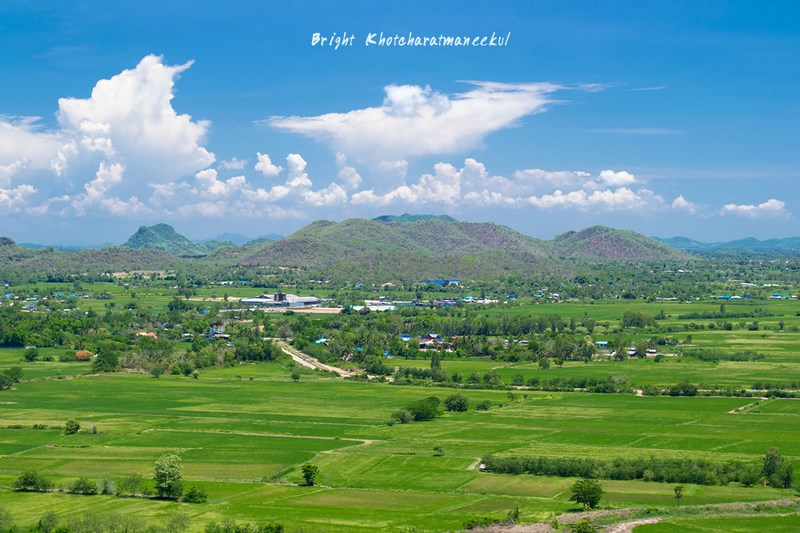
| ● Photographer: Bright Khotecharatmaneekul ● Link: pixpros.net/forums/showthread.php?t=7300 ● Ref: pixpros.net |
● Copyright Photography. (800*500)
● View full size images from the photographer.
● View full size images from the photographer.
 Nearby Attractions
| Keyword (Advance) |
 Facebook Fanpage
 Region
 Art, Culture and Heritage
 Historical Sites and Monuments(
 Landmarks and Memorials(
 Art, Craft Centres, Tradition(
 Museums(
 Art Gallery(
 Educational Places
 Educational Gardens, Farm(
 University
 Other religious and spiritural sites(
 Research and Development
 Royal Project(
 Suburban Living
 Village, Community(
 Local Market(
 Floating Market(
 Nature and Wildlife
 National Parks and Marine Reserves(
 Mountain (Doi)(
 Dam, Reservoir, Lake(
 Waterfalls(
 Hot Springs(
 Caves(
 Flower Field(
 River, Canal(
 Other natural attractions(
 Entertainment and Agricultural
 Zoos and Aquariums(
 Animal camps and shows(
 Farm, Parks, Gardens and Ecotourism(
 Waterpark(
 Outdoor and Adventure Activities(
 Shopping
 Shopping and Night Market(
 Spas and Wellness
 Spas and Wellness(
 Travel Articles, Recipes
 Travel Review, Food Review(