

 Home
Home Chiang Mai(




Rating: 4/5 (4 votes)
 |
|  Map
Map 
 Have Map
  No Map
Chai Nat attractions
Attractions in Thailand
Open Days: Open according to the schedule of the community learning center (it is recommended to contact in advance before visiting)
Opening Hours: Approximately 09:00 – 16:00
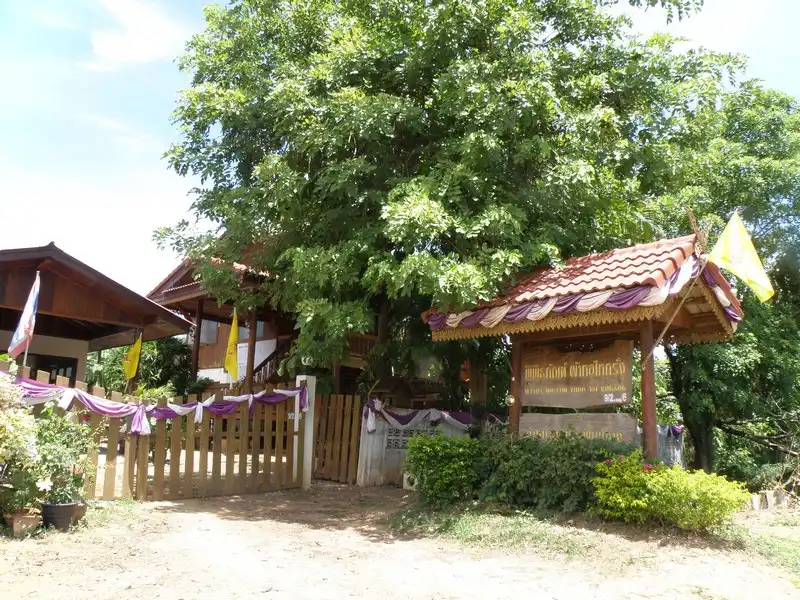
Tai Krang Textile Museum, Ban Noen Kham, Chainat is one of the most important cultural learning centers in Chainat Province. It reflects the local wisdom of the Tai Krang community, which has been passed down for generations. The museum is located in Noen Kham District, Chainat Province, an area where many Tai Krang people live and where traditional ways of life remain strongly preserved, including language, customs, and local handicrafts, especially weaving, which is regarded as one of the most distinctive identities of the Tai Krang community.
This Tai Krang textile museum was established from the determination to preserve traditional woven textiles and the body of knowledge related to traditional weaving. A large number of culturally valuable textiles have been collected here. Many of these fabrics are old pieces that are several decades old, while some were used in important Tai Krang community ceremonies, such as wedding cloths, ritual cloths, and textiles used in local festivals and traditional events.
One of the key figures in collecting and preserving Tai Krang woven textiles is Wanida Pokaeo, who has accumulated a significant collection of traditional Tai Krang fabrics and brought them together in the form of a community museum so that younger generations and interested visitors can study and learn about the weaving traditions of the Tai Krang people in greater depth.
Inside the museum, a wide variety of Tai Krang woven textiles are displayed, reflecting the wisdom and creativity of local weavers. Each cloth has different patterns and weaving techniques. Some patterns are traditional motifs passed down over many generations. These patterns are not only beautiful, but also carry symbolic meanings that reflect the beliefs and way of life of the Tai Krang people.
In addition to textile displays, the museum also serves as a learning center where visitors can study the traditional weaving process of the Tai Krang people, from preparing yarn, natural dyeing, and setting up the loom to the actual weaving process, which requires considerable skill and patience.
The traditional loom used in Tai Krang weaving is a wooden handloom, which can be seen inside the museum. Visitors can learn how the loom works and gain a close understanding of the delicate details involved in the weaving process.
The Tai Krang community in Noen Kham District is one of the ethnic communities that has clearly preserved its cultural identity, especially through the wearing of handwoven textiles, which can still be seen in important community traditions such as merit-making ceremonies, weddings, and annual festivals.
Tai Krang woven textiles have distinctive characteristics that differ from those of other ethnic groups, especially the use of deep red, which is a favored color in Tai Krang culture. In addition, the textiles feature refined and distinctive motifs such as geometric patterns, floral motifs, and designs inspired by nature.
Weaving in the Tai Krang community is not only an economic activity, but also a part of the community’s way of life and culture. Women in the community often learn weaving from childhood, receiving knowledge from their mothers or elder relatives, allowing the art of weaving to continue to be passed down to the present day.
The Tai Krang Textile Museum, Ban Noen Kham, is therefore not just a place for displaying textiles. It is also a center for learning and preserving local wisdom, helping younger generations recognize the value of traditional culture and promoting cultural tourism in Chainat Province as well.
Getting There The Tai Krang Textile Museum is located in Noen Kham District, Chainat Province. Visitors can travel from Chainat town to Noen Kham District, which takes about 30–40 minutes. The route passes through rural areas that still retain the atmosphere of local community life very clearly.
| Place Name | Tai Krang Textile Museum, Ban Noen Kham |
| Location | Noen Kham District, Chainat Province |
| Place Summary | A community museum displaying traditional Tai Krang woven textiles and knowledge related to traditional weaving techniques. |
| Highlights | A collection of traditional Tai Krang woven textiles and demonstrations of local weaving techniques. |
| Curator / Caretaker | Wanida Pokaeo |
| Nearby Attractions | 1. Wat Phra Borommathat Worawihan – 35 km 2. Chao Phraya Dam – 40 km 3. Chainat Bird Park – 42 km 4. Wat Pak Khlong Makham Thao – 38 km 5. Chao Phraya Chainat Market – 36 km |
| Nearby Restaurants | 1. Krua Lung Meuk – 3 km. Tel. 081-234-5678 2. Noen Kham Restaurant – 2 km. Tel. 081-345-6789 3. Krua Baan Suan Chainat – 5 km. Tel. 081-456-7890 4. Rim Thung Restaurant – 4 km. Tel. 081-567-8901 5. Krua Chao Phraya – 36 km. Tel. 081-678-9012 |
| Nearby Accommodations | 1. Chainat Thani Hotel – 36 km. Tel. 056-411-234 2. 111 Resort Chainat – 35 km. Tel. 056-420-111 3. Chao Phraya Hotel – 37 km. Tel. 056-411-987 4. Baan Suan Resort Chainat – 34 km. Tel. 081-789-1234 5. Riverside Resort – 38 km. Tel. 081-456-1234 |
Frequently Asked Questions (FAQ)
Q: Where is the Tai Krang Textile Museum, Ban Noen Kham located?
A: It is located in Noen Kham District, Chainat Province, which is a community where many Tai Krang people live.
Q: What can visitors see inside the museum?
A: The museum displays traditional Tai Krang woven textiles, weaving tools, and knowledge related to traditional weaving techniques.
Q: What are the distinctive features of Tai Krang woven textiles?
A: Tai Krang woven textiles are known for their geometric patterns and deep red color, which reflects the culture of the Tai Krang community.
Q: Can visitors learn about weaving at the museum?
A: Yes. Interested visitors can learn about the weaving process, and in some periods there are weaving demonstrations by local artisans.
Q: Who is the museum suitable for?
A: It is suitable for tourists, students, and anyone interested in Thai textile culture and local wisdom.
 Tel: 056451337
 Mobile: 0810444641
 Tai Krang Textile Museum Map
 Category:
  Group:
  Last Update: 11 HourAgo
Comment
 Nearby Attractions
| Keyword (Advance) |
 Region
|
 Muang Chai Nat(