
 หน้าหลัก
  ภาคเหนือ(
 จ.เชียงใหม่(


วัดเชียงมั่น
Rating: 4/5 (6 votes)
 ค้นหาตาม
  แผนที่
 มีแผนที่
  ไม่มีแผนที่
สถานที่ท่องเที่ยวเชียงใหม่
สถานที่ท่องเที่ยวในประเทศไทย
วันเปิดทำการ: ทุกวัน
เวลาเปิดทำการ: 08.00–17.00 น.
วัดเชียงมั่น คือจุดเริ่มต้นของประวัติศาสตร์เมืองเชียงใหม่อย่างแท้จริง และยังคงทำหน้าที่เป็นศูนย์กลางทางจิตใจของชุมชนมาจนถึงปัจจุบัน วัดแห่งนี้ตั้งอยู่บนถนนราชภาคินัย ตำบลศรีภูมิ อำเภอเมืองเชียงใหม่ ภายในเขตคูเมืองชั้นใน และได้รับการยอมรับว่าเป็นวัดที่เก่าแก่ที่สุดในตัวเมืองเชียงใหม่ สร้างขึ้นพร้อมกับการก่อตั้งเมืองเมื่อปี พ.ศ. 1839 ในสมัยพญามังรายมหาราช จึงนับได้ว่าเป็นพระอารามหลวงแห่งแรกของอาณาจักรล้านนา และเป็นรากฐานสำคัญของเมืองเชียงใหม่ในทุกมิติ
เมื่อพญามังรายทรงสร้างเมืองเชียงใหม่ พระองค์ได้ใช้บริเวณเชียงมั่นเป็นที่ประทับชั่วคราวเพื่อควบคุมการก่อสร้างเมือง เมื่อการสร้างเมืองแล้วเสร็จ จึงโปรดให้ก่อเจดีย์ ณ บริเวณที่ประทับ และสถาปนาขึ้นเป็นวัด โดยพระราชทานนามว่า “วัดเชียงมั่น” หลักฐานดังกล่าวปรากฏชัดในศิลาจารึกวัดเชียงมั่น (ศิลาจารึกหลักที่ 76) ซึ่งระบุปี พ.ศ. 1839 ไว้อย่างชัดเจน ทำให้วัดแห่งนี้มีสถานะเป็นศูนย์กลางทางศาสนาและการเมืองในยุคเริ่มต้นของเมืองเชียงใหม่
วัดเชียงมั่นเป็นที่ประดิษฐานพระพุทธรูปสำคัญของเมืองเชียงใหม่ คือ พระเสตังคมณี หรือที่ชาวล้านนาเรียกกันทั่วไปว่า “พระแก้วขาว” พระพุทธรูปองค์นี้ได้รับความเคารพศรัทธาอย่างสูง และถือเป็นพระพุทธรูปคู่บ้านคู่เมืองเชียงใหม่มาแต่โบราณ เชื่อกันว่าเป็นพระพุทธรูปศักดิ์สิทธิ์ที่ช่วยคุ้มครองบ้านเมือง การได้มาสักการะพระเสตังคมณีจึงเปรียบเสมือนการมาสัมผัสหัวใจของเมืองเชียงใหม่โดยตรง
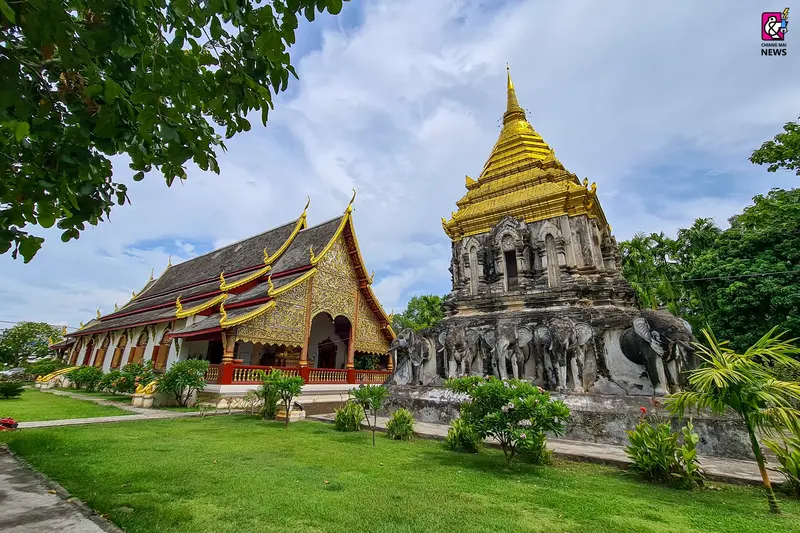
สถาปัตยกรรมภายในวัดเชียงมั่นสะท้อนพัฒนาการของศิลปกรรมล้านนาในหลายยุคสมัย โดยโบราณสถานที่โดดเด่นที่สุดคือเจดีย์ทรงระฆังบนฐานสี่เหลี่ยมที่มีช้างล้อมฐาน เจดีย์องค์นี้ตั้งอยู่บนฐานเขียงสี่เหลี่ยมซ้อนลดหลั่นกันสองชั้น โดยรอบฐานประดับด้วยรูปช้างครึ่งตัวจำนวน 15 เชือก ช้างแต่ละเชือกยื่นออกมาราวกับช่วยค้ำจุนองค์เจดีย์ สื่อความหมายถึงพลัง ความมั่นคง และการค้ำจุนพระพุทธศาสนาให้ดำรงอยู่สืบไป
องค์ประกอบของเจดีย์มีรายละเอียดประณีต ตั้งแต่ฐานเขียงที่ประดับบัวคว่ำ ลูกแก้วอกไก่ และบัวหงาย รองรับองค์เรือนธาตุรูปสี่เหลี่ยมเพิ่มมุมไม้สิบสอง แต่ละด้านประดับซุ้มจรนำอย่างสมดุล ส่วนบนขององค์เจดีย์ไล่ระดับขึ้นไปเป็นบัวถลา มาลัยเถา องค์ระฆัง บัลลังก์ และยอดฉัตรโลหะฉลุลาย ประดับด้วยก้านตาล ปล้องไฉน และเม็ดน้ำค้าง แสดงถึงฝีมือช่างล้านนาที่ผสานความงามทางศิลป์และความหมายทางศาสนาไว้ด้วยกันอย่างลึกซึ้ง
ภายในวัดยังมีสถาปัตยกรรมสำคัญอื่น ๆ ได้แก่ วิหารทรงล้านนาดั้งเดิม พระอุโบสถซึ่งใช้ประกอบพิธีกรรมทางพระพุทธศาสนา และหอไตรซึ่งเป็นอาคารสองชั้น ชั้นล่างก่ออิฐฉาบปูน ชั้นบนเป็นไม้ ใช้สำหรับเก็บรักษาคัมภีร์ใบลาน อันเป็นแหล่งรวมองค์ความรู้ทางพระพุทธศาสนาและภูมิปัญญาล้านนาในอดีต
ในเชิงประวัติศาสตร์ วัดเชียงมั่นได้รับการบูรณะและก่อสร้างเพิ่มเติมหลายครั้ง ในสมัยพญาติโลกราช พ.ศ. 2014 ได้โปรดให้สร้างเจดีย์ขึ้นใหม่ด้วยศิลาแลง ต่อมาในช่วงที่พม่าเข้าปกครองเชียงใหม่ เจ้าฟ้ามังทราได้โปรดให้สร้างวิหาร อุโบสถ หอไตร ธรรมาสนะ และกำแพงประตูโขง ก่อนที่ในสมัยพระเจ้ากาวิละ (พ.ศ. 2325–2367) จะมีการบูรณะวัดอย่างต่อเนื่อง เพื่อฟื้นฟูเมืองเชียงใหม่หลังยุคการกอบกู้เอกราช
ปัจจุบัน วัดเชียงมั่นยังคงเป็นวัดที่มีชีวิต เป็นศูนย์กลางของชุมชน และเป็นสถานที่ประกอบพิธีกรรมและประเพณีไทยอย่างสม่ำเสมอ นักท่องเที่ยวที่มาเยือนจะได้สัมผัสทั้งคุณค่าทางประวัติศาสตร์ ความงดงามของศิลปกรรม และบรรยากาศศรัทธาที่สืบทอดต่อเนื่องมากกว่า 700 ปี วัดเชียงมั่นจึงไม่ใช่เพียงสถานที่ท่องเที่ยว แต่เป็นพื้นที่ที่เชื่อมโยงอดีต ปัจจุบัน และจิตวิญญาณของเมืองเชียงใหม่เข้าไว้ด้วยกันอย่างแนบแน่น
การเดินทาง วัดเชียงมั่นตั้งอยู่บนถนนราชภาคินัย ภายในเขตเมืองเก่าเชียงใหม่ สามารถเดินทางได้สะดวกทั้งรถยนต์ส่วนตัว รถจักรยานยนต์ รถสาธารณะ หรือการเดินเท้าจากสถานที่สำคัญใกล้เคียง เช่น ประตูท่าแพ วัดเจดีย์หลวง และอนุสาวรีย์สามกษัตริย์ โดยควรปฏิบัติตามกติกาของวัดและชุมชนโดยรอบอย่างเคร่งครัด
| ชื่อสถานที่ | วัดเชียงมั่น (Wat Chiang Man) |
| ที่ตั้ง | ถนนราชภาคินัย ตำบลศรีภูมิ อำเภอเมืองเชียงใหม่ จังหวัดเชียงใหม่ |
| ลักษณะเด่น | วัดเก่าแก่ที่สุดในเมืองเชียงใหม่ พระอารามหลวงแห่งแรก ศูนย์กลางประวัติศาสตร์ล้านนา |
| ยุคสมัย | ก่อตั้งเมื่อ พ.ศ. 1839 สมัยพญามังรายมหาราช |
| โบราณสถานสำคัญ | เจดีย์ช้างล้อม, เจดีย์ทรงระฆังฐานสี่เหลี่ยม, วิหาร, พระอุโบสถ, หอไตร |
| พระพุทธรูปสำคัญ | พระเสตังคมณี (พระแก้วขาว) |
| สถานะปัจจุบัน | เปิดให้สักการะและท่องเที่ยวเชิงวัฒนธรรมทุกวัน |
| เบอร์ติดต่อ (ยืนยันแล้ว) | 053-221983 |
| สถานที่ท่องเที่ยวใกล้เคียง (พร้อมระยะทาง) | วัดเจดีย์หลวงวรวิหาร (0.8 กม.), วัดพระสิงห์วรมหาวิหาร (1.4 กม.), ประตูท่าแพ (1.1 กม.), อนุสาวรีย์สามกษัตริย์ (0.9 กม.), พิพิธภัณฑ์พื้นถิ่นล้านนา (1.0 กม.) |
| ร้านอาหารยอดนิยมใกล้เคียง | ข้าวซอยคุณยาย (1.2 กม.), เฮือนเพ็ญ (1.0 กม.), Dash! Restaurant and Bar (1.1 กม.), SP Chicken (1.3 กม.), The Riverside Bar & Restaurant (2.4 กม.) |
| ที่พักยอดนิยมใกล้เคียง | U Chiang Mai Hotel (1.0 กม.), De Lanna Hotel (0.8 กม.), Rachamankha Hotel (1.1 กม.), Thai Akara Lanna Boutique Hotel (0.9 กม.), Viang Thapae Resort (1.2 กม.) |
| ค่าใช้จ่าย | ไม่เก็บค่าเข้าชม (รับบริจาคตามศรัทธา) |
คำถามที่พบบ่อย (FAQ)
ถาม: วัดเชียงมั่นมีความสำคัญอย่างไรต่อเมืองเชียงใหม่?
ตอบ: เป็นวัดที่เก่าแก่ที่สุดในตัวเมืองเชียงใหม่ และเป็นพระอารามหลวงแห่งแรก สร้างขึ้นพร้อมการก่อตั้งเมืองในสมัยพญามังราย
ถาม: พระเสตังคมณีหรือพระแก้วขาวคืออะไร?
ตอบ: เป็นพระพุทธรูปศักดิ์สิทธิ์คู่เมืองเชียงใหม่ ที่ชาวล้านนาให้ความเคารพศรัทธามาอย่างยาวนาน
ถาม: เจดีย์ช้างล้อมมีความหมายอย่างไร?
ตอบ: ช้างเป็นสัญลักษณ์ของพลังและความมั่นคง หมายถึงการค้ำจุนพระพุทธศาสนาให้ดำรงอยู่
ถาม: วัดเชียงมั่นเหมาะกับการท่องเที่ยวแบบใด?
ตอบ: เหมาะกับการท่องเที่ยวเชิงประวัติศาสตร์ วัฒนธรรม และการเรียนรู้รากเหง้าของเมืองเชียงใหม่
ถาม: สามารถเดินทางไปวัดเชียงมั่นได้อย่างไร?
ตอบ: ตั้งอยู่ในเขตเมืองเก่าเชียงใหม่ สามารถเดินทางได้สะดวกทั้งรถส่วนตัว รถสาธารณะ และการเดินเท้า
 แผนที่วัดเชียงมั่น
 หมวดหมู่:
  กลุ่ม:
  คำค้น: ●วัดเชียงมั่น●วัดเชียงมั่น ●วัดเก่าแก่เชียงใหม่ ●วัดในตัวเมืองเชียงใหม่ ●วัดภาคเหนือ ●เที่ยววัดเชียงใหม่ ●ประวัติวัดเชียงมั่น ●พระเสตังคมณี ●พระแก้วขาว ●วัดล้านนา ปรับปรุงล่าสุด: 4 เดือนที่แล้ว
แสดงความเห็น
 สถานที่ท่องเที่ยวใกล้เคียง
| คำค้น (ขั้นสูง) |
 ภูมิภาค
|
 อ.เมืองเชียงใหม่(
 ลิขสิทธิ์ปี 2555,