
 Home
Home North(
 Chiang Mai(


Rating: 3.5/5 (15 votes)
 |
|  Map
Map 
 Have Map
  No Map
Chiang Mai attractions
Attractions in Thailand
Open Days: Daily
Opening Hours: 09:00–16:00
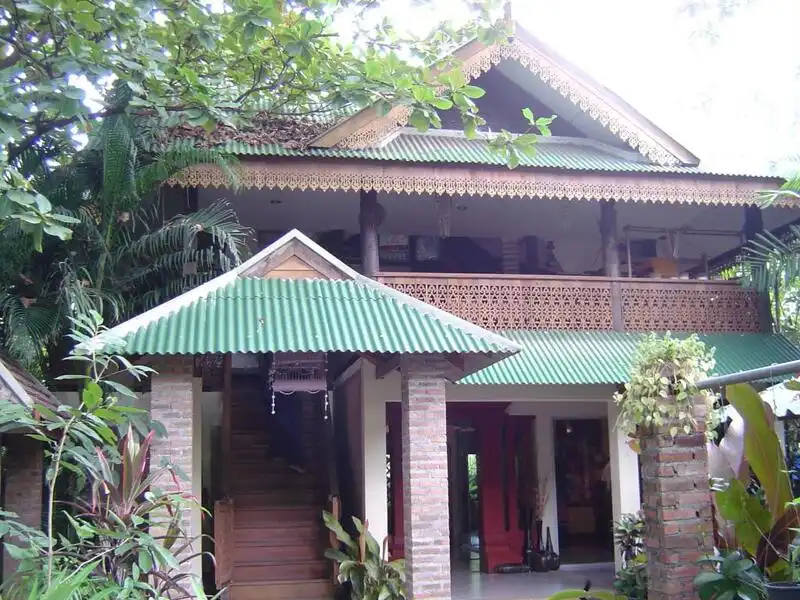
Tai Khen Folk Museum, located in Ban Ton Nae Noi of San Pa Tong District, Chiang Mai, is a charming community museum that celebrates the cultural identity and everyday heritage of the Tai Khen people. Rather than a grand modern gallery, the museum is housed in a traditional wooden home, filled with stories preserved in household tools, antique utensils, musical instruments, and ritual items that reflect the way of life of generations past. Walking inside feels like stepping into a living memory of the community.
The origins of the museum trace back to the personal collection of Mr. Anek Puangkam, who began gathering old coins such as sorot, att, and siew denominations from the reign of King Rama V, along with traditional silverware and family heirlooms. What began as a small hobby soon grew into a mission to preserve the material culture of the Tai Khen people. Many items were donated by relatives and villagers, while others were carefully acquired to ensure the heritage of the community would not disappear over time.
Inside the museum, the exhibits are thoughtfully arranged into themed sections. One area introduces the origins and migration history of the Tai Khen ethnic group, offering valuable context for understanding the community’s identity. Another section displays antique bowls and ceramic wares that reveal details of domestic life and craftsmanship. Some pieces still bear signs of repair, quietly sharing the values of frugality and emotional attachment of their past owners.
Another highlight is the section dedicated to mold-making tools and craftsman equipment, showcasing the skills and artistry of traditional artisans. From old molds and handcrafted tiles to metalworking tools, each item reflects the creativity, beliefs, and rituals embedded in Tai Khen craftsmanship. These objects are not merely artifacts—they tell stories of hands that shaped them and the cultural meaning they once carried.
The kitchen and bedroom exhibits recreate the atmosphere of a traditional Tai Khen household. Clay pots, bamboo baskets, rice containers, stoves, and cooking tools are arranged as if the residents have just stepped out for a moment. The bedroom shows handwoven blankets, wooden wardrobes, and daily accessories that help visitors imagine the warmth of family life in a wooden home decades ago.
Other fascinating sections include weighing and measuring tools from various eras, old audio equipment, antique coins, weapons, and ritual objects. These displays help portray the multi-dimensional life of the community—from household routines and local trade to entertainment, spirituality, and survival in earlier times.
Among the most popular areas for visitors is the collection of agricultural tools and animal traps. Wooden plows, rakes, fish traps, woven baskets, and various hunting devices demonstrate the deep relationship between the Tai Khen people and the natural environment. Anyone unfamiliar with rural life will gain a renewed appreciation for the ingenuity and effort involved in producing food and sustaining a traditional household.
The museum also highlights music and performing arts with displays of traditional instruments such as the sor, salor, drums, and ceremonial musical tools. Even without live music, the exhibits allow visitors to imagine the joyful rhythms of Tai Khen festivals and rituals once echoed throughout the village.
As a whole, the Tai Khen Folk Museum is more than a collection of antiques. Each item has a story, a former owner, and a place in the memory of the village. The museum thrives through the collective effort of local residents who donate, care for, and share these cultural treasures. It also serves as an invaluable learning space for children and youth, who come to understand their heritage not through textbooks but through real, tangible objects that shaped their ancestors’ lives.
Getting There: From Chiang Mai city, take Highway 108 (Chiang Mai–Hod Road) until you reach kilometer markers 31–32. Make a U-turn and look to your left for Ton Nae Luang Market. Turn left beside the market and follow the Ton Nae–Ban Kad road for about 1.5 kilometers. Cross Khan River Bridge and continue straight for around 100 meters after Ton Nae Noi Junction—the museum sits quietly within the village community.
Because the museum is embedded within a living village, it is best approached with a sense of respect and curiosity. Visitors are encouraged to dress politely, ask before photographing certain objects, and treat the space as if visiting a relative’s home rather than a commercial tourist attraction. The charm of the museum lies in its simplicity, warmth, and the genuine stories it preserves.
| Name | Tai Khen Folk Museum (พิพิธภัณฑ์พื้นบ้านไทเขิน) |
| Location | 20/1, Moo 7, Ban Ton Nae Noi, Tha Wang Phao Subdistrict, San Pa Tong District, Chiang Mai 50120 |
| Open Hours | Daily, 09:00–16:00 (Check for updates before visiting) |
| Contact | Via the Tai Khen Cultural Center Facebook page (no verified phone number available) |
| Main Exhibition Zones | 1. Tai Khen ethnic history 2. Antique bowls and household ceramics 3. Gold-mold tools and artisan equipment 4. Traditional kitchen and bedroom displays 5. Old and modern weighing/measuring tools 6. Vintage audio equipment 7. Ancient coins and modern currency 8. Traditional weapons 9. Folk musical instruments 10. Old-style cookware 11. Farming tools 12. Animal and fish traps 13. Ritual and ceremonial objects |
| Exhibition Style | A community-run museum inside a traditional wooden home, showcasing authentic items used in daily life. Displays focus on storytelling and cultural context rather than formal presentation. |
| Getting There | Follow Highway 108 to km 31–32, make a U-turn, turn left at Ton Nae Luang Market, continue 1.5 km along Ton Nae–Ban Kad Road, cross Khan River Bridge, and proceed 100 meters to reach the museum inside the village. |
| Nearby Attractions | Wiang Tha Kan Ancient City, Ton Nae Udomchok Market, Nong Sariem Reservoir, Ban Roi An Phan Yang, Wat Nam Bo Luang (8–20 km away) |
| Nearby Restaurants | Somtum Oi Jai, Chop & Cop Café, Huan Mae Phai, Nong Sariem Boat Noodles, Kaomai Café |
| Nearby Accommodations | Kaomai Lanna Resort, Tai Resort, Boontan Sanctuary, Phanumart Resort, Home@9 (approx. 8–15 km) |
| Facilities | Parking space within the village, walk-through exhibition areas, seating spaces, and a peaceful traditional neighborhood setting. |
Frequently Asked Questions (FAQ)
Q: Who is the Tai Khen Folk Museum suitable for?
A: It is ideal for travelers interested in ethnic heritage, traditional lifestyles, folk crafts, cultural history, and those wishing to experience a real Tai Khen village atmosphere.
Q: Do I need to book in advance?
A: Advance booking is not required for normal visits. However, large groups or educational tours should contact the community beforehand.
Q: How much time should I spend at the museum?
A: A quick visit takes about 45–90 minutes. For visitors who enjoy reading detailed descriptions and observing artifacts closely, 1.5–2 hours is recommended.
Q: Can I take photos inside the museum?
A: Photography is generally allowed, but please be mindful not to touch fragile displays and follow any guidance provided by community members.
Q: Is there an admission fee?
A: The museum usually does not charge an entrance fee. Visitors may make voluntary donations to support the community’s preservation efforts.
Q: Can I combine this visit with other attractions?
A: Yes, it pairs well with sightseeing in San Pa Tong such as Wiang Tha Kan, local markets, cafés, and cultural villages for a full-day cultural experience.
 Tai Khen Folk Museum Map
 Category:
  Group:
  Last Update: 3 MonthAgo
Comment
 Nearby Attractions
| Keyword (Advance) |
 Region
|
 Muang Chiang Mai(