

 Home
Home Chiang Mai(










Rating: 2.7/5 (9 votes)
 |
|  Map
Map 
 Have Map
  No Map
Chiang Mai attractions
Attractions in Thailand
Open Days: Daily (recommended to call ahead or make an appointment before visiting)
Opening Hours: Opening times may vary depending on on-site activities and appointments
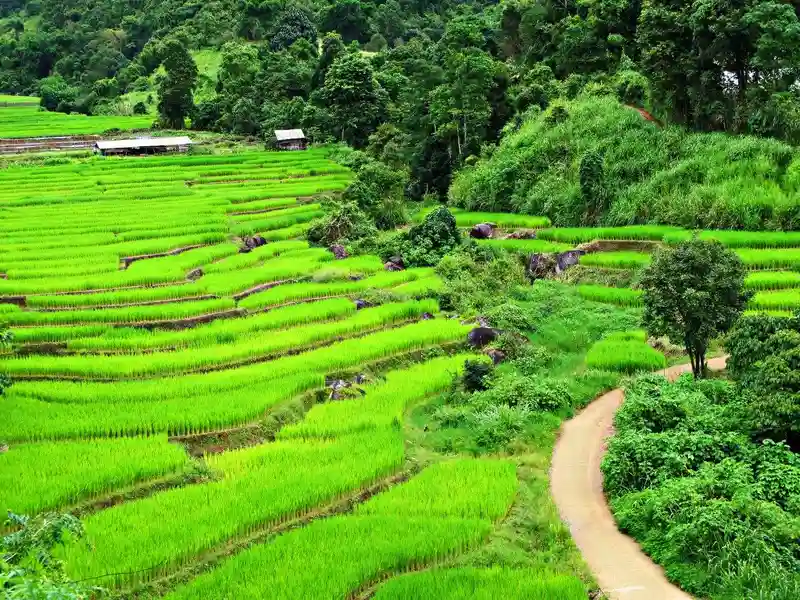
Pa Pae Royal Project – Highland Development Area is a place to slow down in Chiang Mai for travelers who want more than a scenic stop. Its appeal lies not only in mountain views, but in the chance to see how highland communities live with the forest, cool weather, and carefully chosen livelihoods. Through agricultural promotion, market support, and community-based tourism, Pa Pae demonstrates how local people can move forward without leaving their land behind.
“Pa Pae” is both the name of a village and Pa Pae Subdistrict in Mae Taeng District, Chiang Mai. Local history records that the community was established around 1897 by Tai Yai (Shan) settlers who migrated to the area to cultivate native tea, or Assam tea, for making miang. Miang is fermented tea leaves traditionally chewed after meals or offered to guests, a practice deeply rooted in Lanna culture. This heritage shaped Pa Pae long before people from lowland areas gradually moved in, drawn by agricultural opportunities and the cool highland climate.
If you have only known miang as a simple local snack, Pa Pae reveals it as part of a broader forest-based economy. Assam tea thrives under shade and integrates naturally with forest ecosystems, making it a crop that supports both livelihoods and conservation. Knowledge from highland development agencies also emphasizes that miang tea is a key economic plant for the area, showing how traditional agriculture and forest stewardship can coexist.
A major turning point for Pa Pae came with efforts to establish a Royal Project–style development area to address poverty and marketing challenges faced by local farmers. Official area documents describe the site initially as the “Pa Pae Royal Project Extension Area,” later renamed the “Pa Pae Royal Project Highland Development Area,” with responsibility covering 13 villages in Pa Pae Subdistrict. The project office is located within the subdistrict and now serves as a hub for agricultural support, market linkage, and tourism development adapted to highland conditions.
What visitors notice immediately is that Pa Pae is not a one-crop community. Instead, livelihoods are diversified to reduce household risk. Information provided by the project highlights groups such as organic vegetable growers producing for household use and local markets, arabica coffee farmers cultivating coffee under the shade of large trees, small-scale livestock groups, and savings groups that strengthen financial discipline. Tourism here is inseparable from daily work; it is about observing a living system rather than a staged attraction.
The simplest way to experience Pa Pae is to walk through areas where local products are sold and listen to stories from community members. Seasonal produce reflects both climate and skill, and it offers a tangible picture of how agricultural promotion and market access actually function. At certain times, local markets have been mentioned as outlets for selling farm products, showing how value chains are brought closer to producers.
The atmosphere of Pa Pae is enriched by highland ethnic cultures. When local guides or community hosts are involved, visits become deeper and more respectful, turning tourism into a shared exchange rather than observation from a distance. Visitors are encouraged to ask permission before taking photos, avoid disrupting daily routines, and support the community by purchasing local products or using local guiding services.
Pa Pae is also well positioned for nature-based side trips. One of the most popular is Pong Dueat Hot Spring, commonly reached via Highway 1095 (Mae Malai–Pai Road) for about 35 kilometers before turning off and continuing approximately 6.5 kilometers. Travel information generally notes clear routes, opening times, and contact details. In addition, national park offices provide general visitor information for the area.
Another favorite destination for mist and views is Mon Angket Viewpoint. Local travel documents describe the route in detail: from Chiang Mai city, drive along Highway 107 for about 37 kilometers to Mae Malai Market, then continue on Highway 1095 for around 30 kilometers before ascending the mountain road for roughly another 15 kilometers. This clarity helps visitors plan time and vehicles, especially during the rainy season when roads can be slippery.
Getting There From Chiang Mai city, the commonly used route is via Mae Taeng District. Take Highway 107 (Chiang Mai–Fang) toward Mae Malai junction, then connect to Highway 1095 (Mae Malai–Pai) and continue into Pa Pae Subdistrict according to your destination or appointment point. Calling ahead is strongly recommended, particularly if you wish to visit project activity areas or request local guidance, as conditions and schedules in highland areas change with seasons and fieldwork.
In the end, Pa Pae offers more than rest. Travelers who come only to relax will certainly find calm, but those who come to understand will gain insight into how tourism can support community effort, allowing visitor spending to circulate back into local livelihoods in a meaningful way.
| Name | Pa Pae Royal Project Highland Development Area |
| Location | Pa Pae Subdistrict, Mae Taeng District, Chiang Mai (covering 13 villages) |
| Key Characteristics | Highland development area integrating agricultural promotion, market support, and community-based tourism, with strong roots in miang and Assam tea culture |
| Best Time to Visit | Nov–Feb for cool weather and community visits; rainy season offers lush scenery but requires extra travel caution |
| Key Evidence / Background | Official highland development documents note the project’s renaming and responsibility across 13 villages in Pa Pae Subdistrict |
| Name Origin & Community Context | Local history traces settlement to around 1897 by Tai Yai (Shan) communities cultivating Assam tea for miang |
| Getting There | From Chiang Mai via Highway 107 to Mae Malai, then Highway 1095 into Pa Pae Subdistrict (call ahead before visiting) |
| Current Status | Active highland development area with official documentation; advance contact recommended |
| Contact | Project academic officer: 085-705-6569 Mr. Mongkol Uththipa (Local administrative member): 089-954-9628 |
Frequently Asked Questions (FAQ)
Q: Who is Pa Pae Royal Project suitable for?
A: It is ideal for travelers interested in highland community life, miang and Assam tea culture, sustainable agriculture, and respectful, slow-paced travel.
Q: Can Pa Pae be visited as a day trip?
A: Yes, if you plan to explore local products and nearby attractions like Pong Dueat Hot Spring, but advance appointments are recommended for deeper learning activities.
Q: How is Pa Pae connected to miang?
A: Local history records that the community was established by settlers cultivating Assam tea for miang around 1897, making miang both a cultural and economic foundation of the area.
Q: How do I get to Pong Dueat Hot Spring from Pa Pae?
A: Travel information commonly notes Highway 1095 for about 35 km, then turn off and continue roughly 6.5 km; checking opening times in advance is recommended.
Q: Who should I contact before visiting the project area?
A: You can call 085-705-6569 or 089-954-9628 to confirm appointments, activities, and the latest local information before your visit.
 Mobile: 0857056569, 0899549628
 Pa Pae Royal Project Map
 Category:
  Group:
  Last Update: 6 HourAgo
Comment
 Nearby Attractions
| Keyword (Advance) |
 Region
|
 Muang Chiang Mai(