
 Home
Home North(
 Chiang Mai(


Rating: 3.2/5 (5 votes)
 |
|  Map
Map 
 Have Map
  No Map
Bangkok attractions
Attractions in Thailand
Open Days: Daily
Opening Hours: 08.00 – 17.00
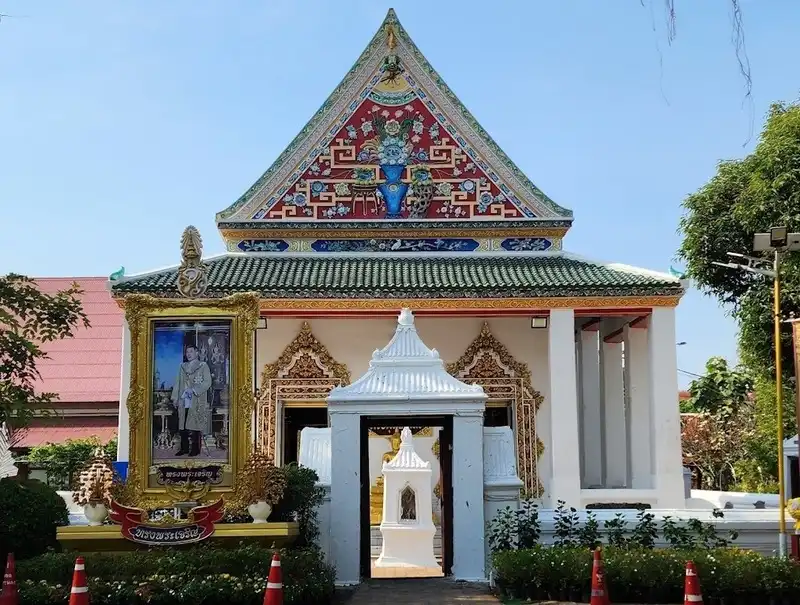
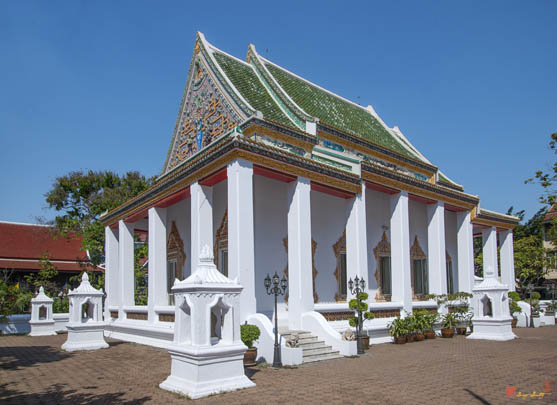
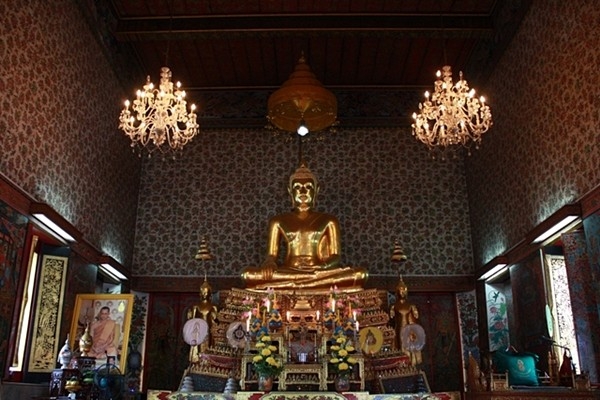
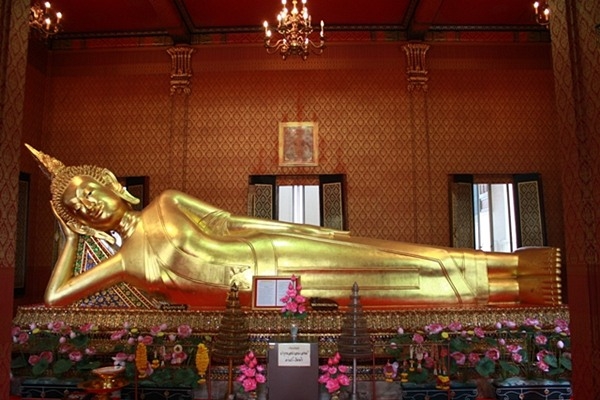
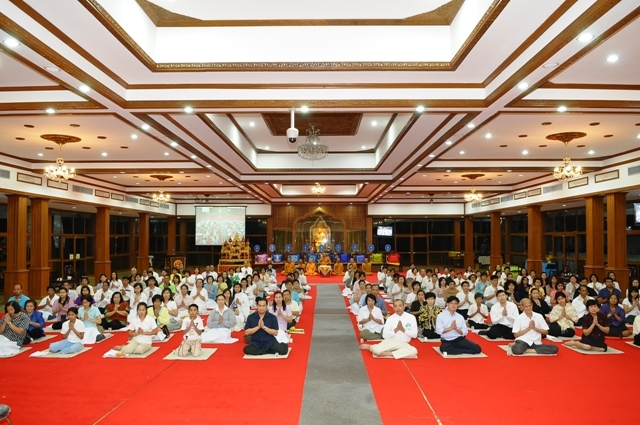
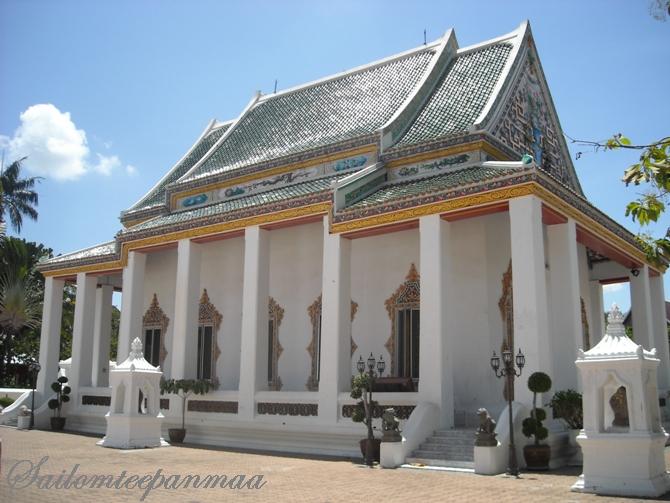
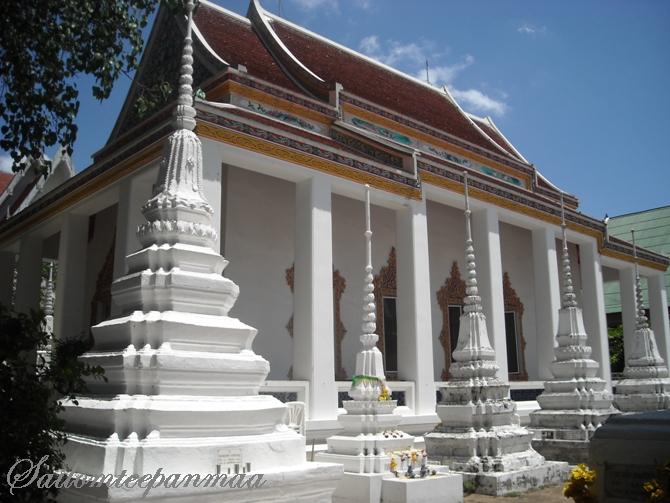
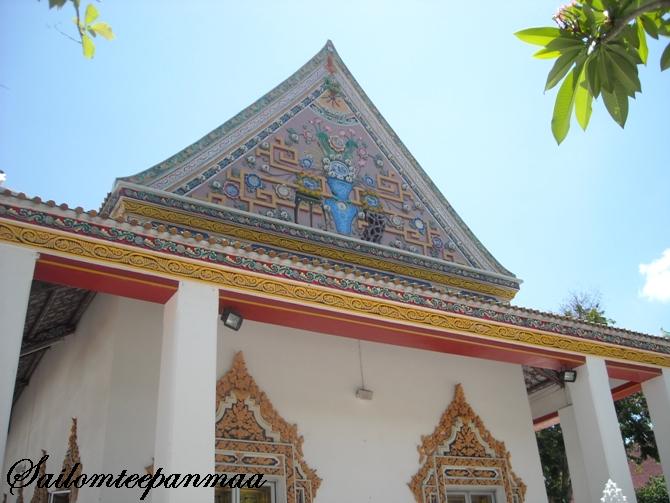
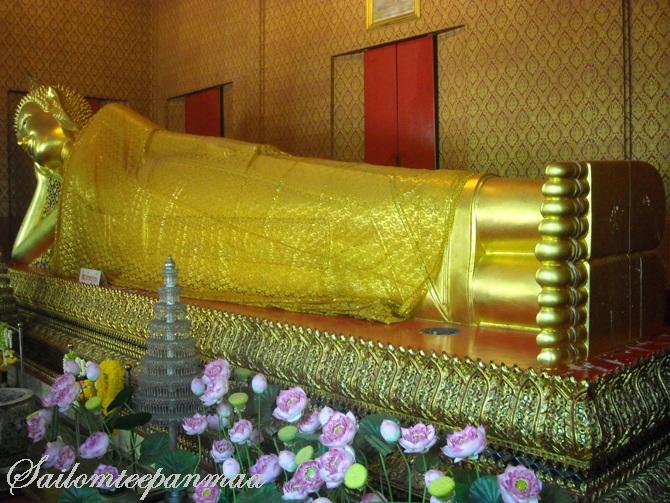
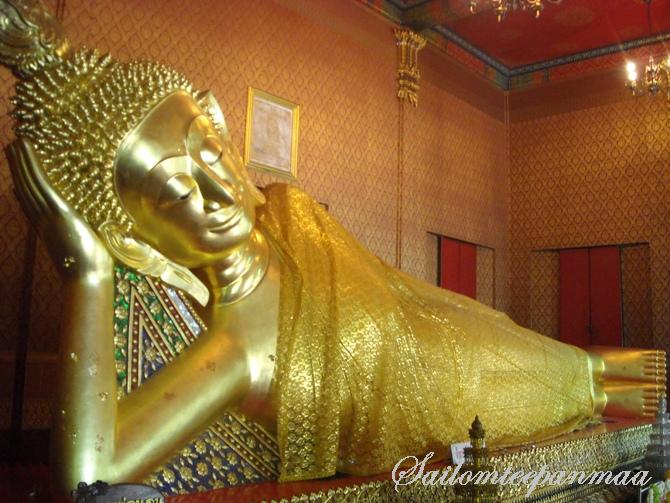
Wat Sam Phraya Worawihan is located at 165 Samsen 5 Alley, Wat Sam Phraya Subdistrict, Phra Nakhon District, Bangkok 10200. It is an important temple in the Samsen area and holds the status of a third-class royal monastery (common type). The temple is also a place that reflects Bangkok’s early Rattanakosin-era development in an interesting way, because its story is not only about being a site for religious ceremonies, but also about its deep ties to the local community, noble patrons, and the strong emphasis on supporting Buddhism during the reign of King Rama III.
In the past, the Samsen area was considered a meaningful location in Bangkok’s urban structure, both for travel routes and settlement. Temples in this area often served as more than just “community temples”; they became anchors of the neighborhood, sources of spiritual support, places of learning and ritual practice, and gathering points that connected people with the city. Seen through this lens, Wat Sam Phraya helps us understand how “religion” and the “city” once moved forward together.
Wat Sam Phraya was originally a local (community) temple. It was sometimes called Wat Sak and sometimes Wat Bang Khun Phrom. It is believed to have been established as far back as the Ayutthaya period, when Ayutthaya was the capital, and its monastic buildings were constructed and restored over time in successive phases.
Later, during the reign of King Rama III, Phraya Ratchaphakdi (Sing Thong), Phraya Thep Arachun (Thong Pan), and Phraya Ratchaworanukool (Thong Kham)—three brothers of the same father and mother—rebuilt the temple. According to the historical account, their father was named Matho Poen and migrated from the Mon lands, while their mother’s name is not recorded. After the reconstruction was completed, they respectfully presented it to the King and offered it as a royal temple. King Rama III graciously bestowed the name “Wat Sam Phraya.”
In addition to the three Phraya brothers, there is also another figure mentioned in accounts that were later inquired into: Phraya Kaset Raksa (Bun Chu), believed to be the youngest brother of the three. At the time the temple was being built, he held the rank of Phra Phiphit Phokhai, and his name does not appear formally among the temple’s builders. However, he is said to have settled with his family near Wat Sam Phraya and to have continuously supported the temple, with his descendants following in that tradition.
Phra Thep Ratcha Saenya (Maen Bunnyakesanont), a grandson of Phraya Kaset Raksa (Bun Chu), was the only one who continued to live in the original family home beside the temple until his death. He donated his property to Wat Sam Phraya, including four plots of monastic land (Plot 1 to Plot 4).
This aligns with a story long told that Phraya Kaset Raksa (Bun Chu) was also one of the builders of Wat Sam Phraya. A verse composition (khlong) is said to mention it: a monk from Wat Phra Chetuphon visited a monk at Wat Sam Phraya, and after a short conversation, wrote a khlong asking who built Wat Sam Phraya, since the name “Sam Phraya” was known but the builders’ names were not easily found, and requested a clear explanation.
The monk at Wat Sam Phraya responded in khlong, explaining that the builders were Phraya Ratchaphakdi, the second being Thep, the third being Kaset, and the fourth being Ratcha, and that the name “Sam Phraya” came together as the temple was completed.
King Rama III strongly promoted and supported Buddhism more than in many other periods, because he wished for Rattanakosin to prosper and flourish like Ayutthaya when it served as the capital. There is a saying that during the reign of King Rama III, if someone wished to make merit by building or repairing temples, the King was pleased. As a result, nobles and royal officials of the time followed his example, and Buddhism became highly prosperous.
Seen in the broader picture of that era, temples were not only sacred spaces, but also a form of “religious capital” that linked the honor of patrons with the state’s legitimacy. Building or restoring temples in the reign of King Rama III often carried layered meanings—both devotional and socio-political. Wat Sam Phraya illustrates this clearly, with its reconstruction by high-ranking nobles, its presentation as a royal temple, and the long, continuous line of patronage within the same family.
Another aspect that brings the temple’s story to life is the presence of “social memory” evidence such as the khlong question-and-answer. It functions like a contemporary note of remembrance, underscoring that in the awareness of people at the time, the identity of the temple’s builders was not merely hearsay—it was asked about, answered, and remembered in a form familiar to that generation. Reading this khlong helps us see Wat Sam Phraya as a place of relationships, and as an institution whose identity was affirmed through the name “Sam Phraya” that people used and understood together.
In terms of viewing a temple’s transition from a community temple to a royal temple, Wat Sam Phraya clearly shows the process. A community temple is naturally rooted in the local population and their merit-making. But when it is rebuilt with the resources and influence of elites, its role expands—in status, administration, and symbolic importance. Once recognized as a royal temple, it becomes a place whose significance is jointly affirmed by the state and society, and it also becomes a reference point for the surrounding area.
Regarding administration and governance, the abbots are listed as follows: Phra Nirothorangsri (Rueang), serving during the reigns of Rama III to Rama IV; Phra Thammasomajarn (Sila), serving during Rama V to 1890; and Phra Thepmethee (Khrut), serving from 1893 to 1913.
Phra Thammadilok (Khao Khemako) served from 1916 to 1937; Somdet Phra Phutthakhosachan (Fuen Chutin’tharo) served from 1938 to 1996; and the current abbot, Phra Phromdilok (Uean Hasadhammo), has served from 1996 to the present.
When the abbots’ names are arranged across time, the continuity of the temple’s administration becomes clear. This suggests that a sacred place does not stand by architecture alone, but by consistent governance and care. Wat Sam Phraya is therefore an example of a historic urban temple that gradually adapts to each era while still preserving the core identity of a royal monastery.
For visitors, temples in Phra Nakhon often carry a distinctive “city-temple” charm: they are easy to reach, and they sit among neighborhoods, restaurants, and historically significant landmarks. This makes it simple to plan a short, meaningful outing—paying respects, strolling through an old quarter, and connecting onward to other destinations in the Rattanakosin area. This style of trip suits people who want to experience Bangkok as a place where layers of time coexist within the same landscape.
Getting There If you are traveling by private car, you can pin your route directly to Samsen 5 Alley, and it is wise to allow extra time because traffic in Phra Nakhon can be heavy during certain periods. If using public transport, you can take buses that run along Samsen Road, get off near Samsen 5 Alley, and walk a short distance to the temple. Another option is to use the BTS/MRT and then take a taxi or other local transport into Phra Nakhon, especially if you want to avoid driving into the old city area.
| Place Name | Wat Sam Phraya |
| Location | 165 Samsen 5 Alley, Wat Sam Phraya Subdistrict, Phra Nakhon District, Bangkok 10200 |
| Status | Third-Class Royal Monastery (Common Type) |
| Period | Believed to date to the Ayutthaya period; major reconstruction during the reign of King Rama III |
| Key Builders / Patrons | Phraya Ratchaphakdi (Sing Thong), Phraya Thep Arachun (Thong Pan), Phraya Ratchaworanukool (Thong Kham), with accounts also mentioning Phraya Kaset Raksa (Bun Chu) as a long-term patron |
| Current Abbot | Phra Phromdilok (Uean Hasadhammo) |
| Contact | 02-628-9130, 087-923-7352 |
| Nearby Attractions (Approx. Distance) | Thewet Pier (1.0 km), Thewet Market (1.1 km), Khao San Road (1.6 km), Phra Sumen Fort (1.4 km), Santi Chai Prakan Park (1.5 km), Democracy Monument (2.3 km) |
| Popular Restaurants Nearby (Approx. Distance) | Krua Apsorn (Samsen Branch) (2.6 km, Tel. 082-292-0431), Steve Cafe & Cuisine Thewet (1.7 km, Tel. 02-281-0915), Plew Tom Yum Noodles (Thewet) (1.2 km, Tel. 084-005-0982), Sushi Masa Thewet (1.2 km, Tel. 02-628-5990), Place Inn Indian Food (2.2 km, Tel. 061-783-9699), Churoast Samsen (0.9 km, Tel. 086-536-4955), Grazie Pizzeria Thewet (1.1 km, Tel. 081-582-3373) |
| Popular Accommodations Nearby (Approx. Distance) | Buddy Lodge Hotel (Khao San) (2.0 km, Tel. 02-629-4477), Riva Surya Bangkok (2.5 km, Tel. 02-633-5000), Nouvo City Hotel (2.3 km, Tel. 02-282-7500), Chillax Resort (2.1 km, Tel. 02-629-4400), Rambuttri Village Inn & Plaza (2.0 km, Tel. 02-282-9162), The Raweekanlaya Bangkok Wellness Cuisine Resort (2.2 km, Tel. 02-628-5999) |
Frequently Asked Questions (FAQ)
Q: Which district of Bangkok is Wat Sam Phraya located in?
A: The temple is located in Phra Nakhon District, Bangkok, in the Samsen area near Samsen 5 Alley.
Q: Is Wat Sam Phraya a royal temple?
A: Yes. It is a third-class royal monastery (common type).
Q: Why is it called Wat Sam Phraya?
A: The name reflects the three noble patrons (holding the rank of Phraya) who rebuilt the temple and offered it as a royal temple, after which King Rama III bestowed the name “Wat Sam Phraya.”
Q: How is Wat Sam Phraya connected to King Rama III?
A: The temple underwent major reconstruction during the reign of King Rama III and illustrates the era’s strong support for Buddhism through temple building and restoration.
Q: Who is the current abbot of Wat Sam Phraya?
A: Phra Phromdilok (Uean Hasadhammo).
Q: Does Wat Sam Phraya have contact phone numbers?
A: Yes. 02-628-9130 and 087-923-7352.
Q: Can I get to Wat Sam Phraya by public transport?
A: Yes. You can take buses along Samsen Road and get off near Samsen 5 Alley, or use the BTS/MRT and continue by taxi or local transport into Phra Nakhon.
 Wat Sam Phraya Worawihan Map
 Category:
  Group:
  Last Update: 2 MonthAgo
Comment

Photo Gellery(12) 
 Thank you photo(3) from: Gerryganttphotography
|
|
|
|
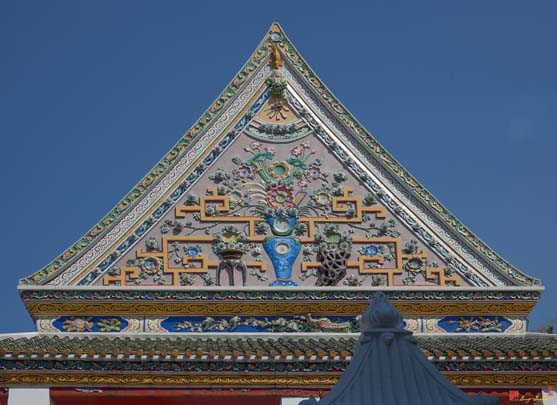
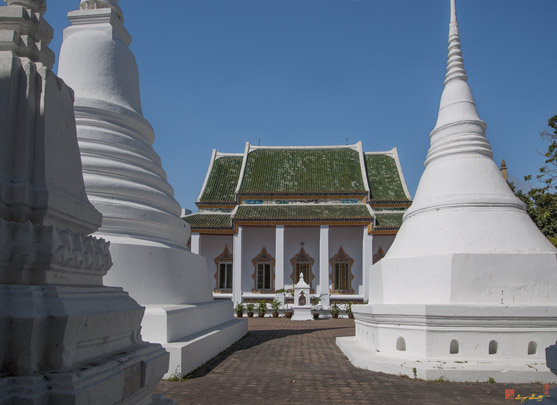
● Photographer: Gerryganttphotography ● Link: gerryganttphotography.com/wat_sam_phraya ● Ref: gerryganttphotography.com |
Thank you photo(3) from: Pai Nai Dii
|
|
|
 |
● Photographer: Pai Nai Dii ● Link: painaidii.com |
Thank you photo(6) from: Sailomteebanmaa
|
|
|
|
|
|
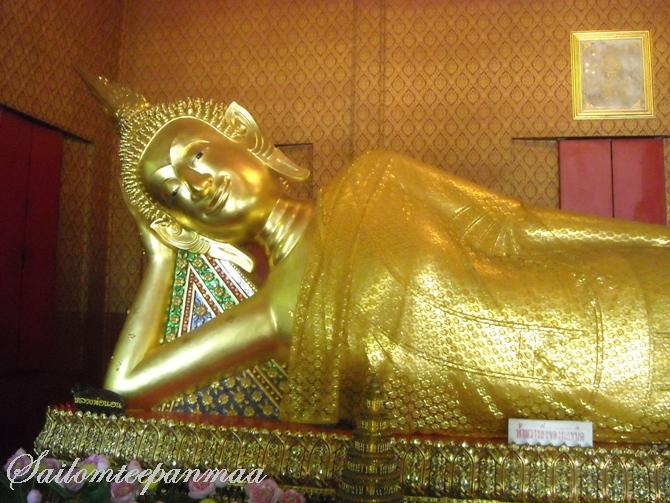
|
● Photographer: Sailomteebanmaa ● Link: oknation.net/blog/print.php?id=442696 ● Ref: oknation.net |
● Copyright Photography. (800*500)
● View full size images from the photographer.
● View full size images from the photographer.
 Nearby Attractions
| Keyword (Advance) |
 Region
|
 Phra Nakhon(