

 Home
Home Chiang Mai(





Rating: 4.5/5 (4 votes)
 |
|  Map
Map 
 Have Map
  No Map
Sa Kaeo attractions
Attractions in Thailand
Open Days: Daily
Opening Hours: 08:30–16:30
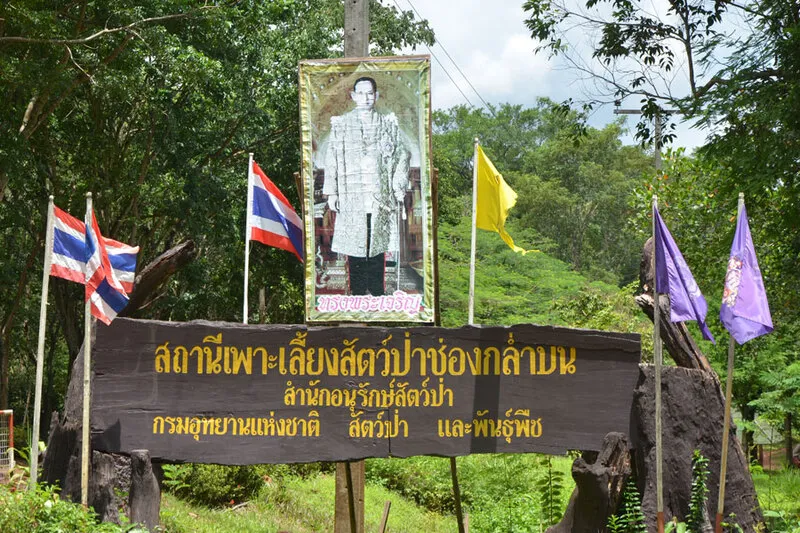
Chong Klam Bon Wildlife Breeding Station, located in Nong Mak Fai Subdistrict, Watthana Nakhon District, Sa Kaeo Province, covers an area of approximately 430 rai. The station was established in 1983 under the royal initiative of Her Majesty the Queen as a center for breeding and expanding populations of rare and endangered wildlife. It also functions as a research facility and an educational center for wildlife conservation, offering knowledge and insight for visitors of all ages. The surrounding environment is shaded, peaceful, and naturally refreshing, making it ideal for families, children, and nature lovers seeking a calm outdoor experience.
The station’s core concept is to raise animals in environments that closely resemble their natural habitats. As a result, the area is divided into various zones based on species—for example, hoofed animals, birds, and small to medium-sized mammals. Each zone features spacious enclosures that allow animals to roam, forage, and express natural behaviors, rather than being confined in narrow cages. This approach promotes better animal health and creates a more authentic learning environment for visitors.
The station is home to a variety of wildlife species, including both mammals and birds. Among the hoofed animals are Eld’s deer, sambar deer, barking deer, and banteng—one of the rarest wild cattle species in Thailand. Smaller mammals such as binturongs (bearcats) are also kept here and are often a favorite among younger visitors due to their playful and gentle appearance.
The bird zone is another highlight, featuring peafowl, hornbills, wreathed hornbills, great hornbills, and other rare species. A special attraction is the White-winged Duck (Phet-Ka), considered one of Sa Kaeo Province’s symbolic wildlife species. Informational boards around the area help visitors understand the ecological roles and conservation importance of each species.
The presentation style of the Chong Klam Bon Wildlife Breeding Station emphasizes natural simplicity rather than a modern zoo-like setting. Visitors follow designated walking routes with signs describing each species’ characteristics, natural behaviors, native habitats, and conservation status. This makes the station highly suitable for school field trips, family educational outings, and individuals interested in wildlife and ecological balance.
The surrounding environment is clean, shady, and easy to explore. Most walking paths are natural dirt trails or small internal roads where vehicles may pass occasionally. Seating areas and resting pavilions are scattered throughout. Spending half a day or even a full day here is comfortable, especially in the morning when animals are most active.
The station also serves as an educational hub. Staff members are knowledgeable in wildlife care and conservation and are available to provide information. Schools, universities, and youth groups may arrange visits in advance for guided tours, lectures, or specialized educational programs tailored to their needs.
Chong Klam Bon Wildlife Breeding Station is located near several major natural attractions, including Pang Sida National Park and Tha Krabak Reservoir. Many visitors combine their trip—exploring wildlife at the station in the morning, then continuing on to national parks, waterfalls, or butterfly-watching routes, depending on the season. This area has therefore become a prime nature-tourism zone in Sa Kaeo Province.
Getting There Take the same route as to Pang Sida National Park. From Sa Kaeo town, drive along the park route and pass Tha Krabak Reservoir. Continue for about 500 meters and turn left at the junction. Follow the internal road for around 4 kilometers to reach the station. Most of the route is paved, although the last section may be narrow and slightly winding. Regular cars can access the site without difficulty.
The station is especially suitable for families with children, as it provides close-up views of various wildlife species along with educational displays. The peaceful atmosphere makes the visit enjoyable and relaxing. Weekdays or non-peak seasons are particularly calm, offering an ideal environment for quiet learning and observation.
The station occasionally hosts special events such as Children’s Day programs, wildlife conservation campaigns, and youth activities. Following its official page or relevant provincial pages can help visitors stay informed about upcoming events.
Overall, Chong Klam Bon Wildlife Breeding Station is a meaningful destination for anyone interested in nature and wildlife conservation. Rather than focusing on entertainment, the station emphasizes sustainability, learning, and the coexistence between people and wildlife.
| Name | Chong Klam Bon Wildlife Breeding Station |
| Location | Nong Mak Fai Subdistrict, Watthana Nakhon District, Sa Kaeo Province (same route as Pang Sida National Park, 4 km from the left turn after Tha Krabak Reservoir) |
| Key Features | A conservation center established under royal initiative; focuses on breeding endangered wildlife, providing research facilities and educational programs. A peaceful, natural environment suitable for families and students. |
| Established | Founded in 1983 under the royal initiative of Her Majesty the Queen to support wildlife conservation and breeding programs. |
| Significant Evidence | Multiple wildlife zones including deer, banteng, binturong, peafowl, hornbills, and rare species such as the White-winged Duck; with educational displays throughout the site. |
| Name Origin | Named after the “Chong Klam Bon” area, a forested and hilly zone historically known for its wildlife population. |
| Travel | Follow the route to Pang Sida National Park, pass Tha Krabak Reservoir, then turn left and continue 4 km to the station. Accessible by all vehicle types. |
| Current Status | Open daily, 08:30–16:30. A conservation-focused learning center, ideal for educational visits and family trips. |
| Contact | Chong Klam Bon Wildlife Breeding Station: 08 1351 8823 (office hours) Tourism information (Sa Kaeo Province): 0 3731 2282, 0 3731 2284 Tourism Hotline: 1672 |
| Nearby Attractions with Approx. Distance | - Pang Sida National Park: ~10 km - Tha Krabak Reservoir: ~4–5 km - Nature routes along Pang Sida–Tha Krabak trail for extended day trips |
| Popular Restaurants Nearby with Distance & Contacts | - Tha Krabak Reservoir Restaurant: ~6–7 km, Tel. 08 0970 3290 - Krua Rom Sai @ Entrance of Pang Sida National Park: ~10 km (check hours before visiting) |
| Popular Accommodations Nearby with Distance & Contacts | - Pang Sida National Park Bungalows: ~10 km, Tel. 08 1862 1511 - Areeya Resort, Watthana Nakhon: ~20–22 km, Tel. 06 2330 5117 - Mulberry at Pang Sita: ~18–19 km, Tel. 09 2612 1456 |
| Facilities | Parking area, visitor information center, wildlife viewing routes, rest pavilions, shaded nature zones, and restrooms. |
| Fees | Free admission. Donations for wildlife conservation are appreciated but voluntary. |
Frequently Asked Questions (FAQ)
Q: Is the wildlife breeding station suitable for children?
A: Yes. Children can enjoy observing various wildlife species in a safe and educational environment with clear information boards available throughout the station.
Q: How long does a visit usually take?
A: Typically 1–2 hours for general walking routes. Group visits or educational programs may take half a day or more.
Q: Is there an entrance fee?
A: Admission is free. Visitors may donate to support conservation activities if they wish.
Q: What is the best time of day to visit?
A: Morning to late morning is ideal, as the weather is pleasant and animals are more active during this time.
Q: Are food and drinks available inside?
A: The station focuses on conservation and education, so food vendors are limited. It is recommended to dine at nearby restaurants such as those around Tha Krabak Reservoir or the entrance of Pang Sida National Park.
Q: Should I contact the station in advance?
A: Walk-in family visits are welcome. Groups or educational trips should contact the station in advance to arrange programs or guided tours.
Q: Any important rules to follow?
A: Visitors should not feed the animals, make loud noises, litter, or climb barriers. Always respect the animals and follow posted guidelines for safety and conservation.
 Mobile: 0813518823
 Chong Klam Bon Wildlife Breeding Station Map
 Category:
  Group:
  Last Update: 3 MonthAgo
Comment
 Nearby Attractions
| Keyword (Advance) |
 Region
|
 Muang Sa Kaeo(