

 Home
Home Chiang Mai(










Rating: 3/5 (6 votes)
 |
|  Map
Map 
 Have Map
  No Map
Chiang Mai attractions
Attractions in Thailand
Open Days: Daily
Opening Hours: 08.00–17.00 (approx.)
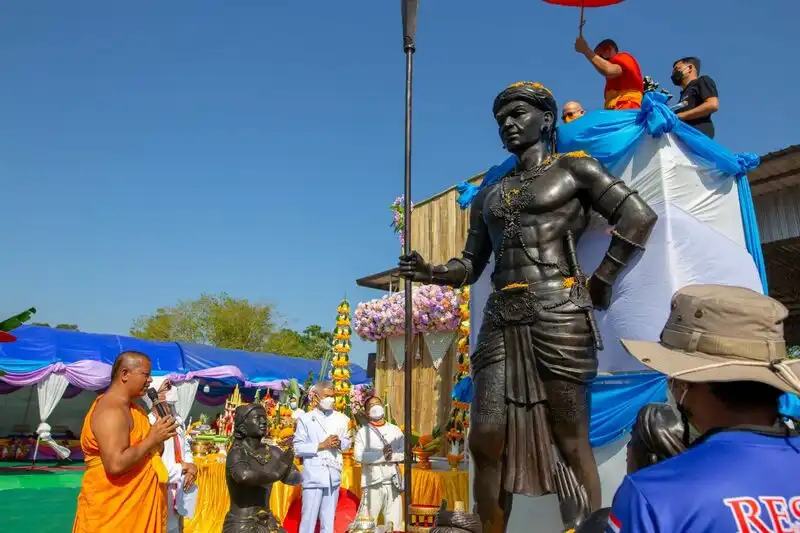
Khun Luang Wilangkha Stupa is located in Village No. 5, Ban Mueang Ka, Saluang Subdistrict, Mae Rim District, Chiang Mai. Nestled amid the foothills of Doi Suthep and surrounded by lush community forests, this sacred site serves as a spiritual center for descendants of the Lua people and the residents of Mueang Ka. Locals believe that Khun Luang Wilangkha was an early ruler of the region and a revered ancestor who protected and governed the land long before the establishment of Lanna.
According to long-preserved oral traditions, Khun Luang Wilangkha—referred to in local dialect as “Malangka”—was a king of the Lua people whose domain stretched across the foothills of Doi Suthep and the Ping River basin. Several ancient settlements are connected to his legacy, including Wiang Nopburi, Wiang Chet Lin (Wiang Chet Lin), and Wiang Suan Dok. These settlements later became central areas of Chiang Mai. His recurring presence in various legends highlights the important role of the Lua as the original inhabitants of the Chiang Mai–Lamphun basin before the rise of Lanna.
The legend of Khun Luang Wilangkha is closely intertwined with the stories of Hariphunchai and Queen Chamadevi. One well-known version recounts that Khun Luang once challenged the power of Hariphunchai, proposing a contest of strength by throwing a double-edged lance (“sa-nao”) from the peak of Doi Suthep into the walled city of Hariphunchai. However, after encountering the spiritual counter-rituals of Queen Chamadevi, his magical strength waned. When he threw the lance again, it fell not into Hariphunchai but at the foothills of Doi Suthep in a place called “Nong Sa Nao.” This became a symbolic turning point before Khun Luang eventually withdrew from political prominence.
Later, when King Mangrai expanded his influence southwards and founded Chiang Mai in 1839 BE, the Lua settlements in the foothills of Doi Suthep were incorporated into the emerging Lanna Kingdom. Many Lua communities gradually moved deeper into the hills, including the village of Mueang Ka, where the memory of Khun Luang Wilangkha survived through rituals, stories, and sacred places such as this stupa.
The stupa itself sits on a natural earthen mound shaded by tall forest trees. Offerings such as incense, flowers, and candles are often placed at the front of the monument by locals and visitors. Approaching the stupa, one immediately senses the atmosphere of ancestral reverence—part sacred monument, part ancestral shrine. Though modest in size, it is carefully maintained by the community, reflecting the enduring devotion toward Khun Luang Wilangkha.
Each year, the village holds a major ritual known as the “Khun Luang Offering Ceremony” or “Wai Sa Ceremony”. This annual event is performed in the ninth month of the Lanna calendar, corresponding to June. Villagers believe the ceremony brings agricultural abundance—good harvests, timely rains, plentiful fish, and communal wellbeing. The chosen date must not be a Buddhist holy day, nor Sunday, Monday, or Wednesday, following ancient ritual prohibitions. The ceremony is held just prior to the farming season.
During the ceremony, locals prepare traditional offerings: local dishes, meats, rice, sweets, and ancestral ritual items. A ceremonial table is placed before the stupa, and respected elders lead the ritual, offering prayers to Khun Luang Wilangkha—asking forgiveness, expressing gratitude, and requesting blessings for prosperity and protection. Beyond its spiritual significance, the ritual serves as a living classroom for younger generations, preserving the heritage and identity of the Lua community.
Mueang Ka village retains strong Lua cultural identity, including language, certain traditional dress styles worn during rituals, and ancestral beliefs. Archaeological evidence in and around the community—such as circular burial mounds, remnants of ancient earth walls, and scattered pottery shards—indicates that this area has been continuously inhabited for centuries. Chinese ceramics, Lanna-era bricks, and earthenware fragments found across the landscape further reinforce the historical importance of this settlement.
For visitors, the Khun Luang Wilangkha Stupa offers more than a historical viewpoint—it provides a deeper understanding of northern Thai history. Before Chiang Mai became the royal capital of Lanna under King Mangrai, the area was governed by indigenous Lua communities with their own belief systems, rituals, and political structures. Paying respects at the stupa is akin to greeting the original keepers of the land and seeing a different root of Lanna heritage—one often overshadowed by the mainstream narrative of the Mangrai Dynasty.
A visit to the stupa pairs well with nearby cultural and natural attractions, such as Wat Phraphutthabat Si Roi or scenic cafés along the Mae Rim–Samoeng route. Travelers interested in local history and indigenous cultures will find Mueang Ka especially meaningful. A half-day trip to explore the old village, enjoy nature cafés, and finish with a quiet visit to the stupa offers a refreshing lens on the diversity of Lanna heritage.
Getting There: From Chiang Mai city, take Highway 107 (Chiang Mai–Mae Rim Road) for approximately 15 km. Turn left onto Highway 1096 (Mae Rim–Samoeng Road) and continue toward Saluang Subdistrict. Pass the Saluang intersection and follow local roads into Mueang Ka Village. Total distance is about 35–40 km, taking 45–60 minutes by private car or rental vehicle. Public transport does not go directly to the site; hiring a taxi or songthaew with a prearranged return time is recommended.
Visitors should dress modestly, maintain a respectful demeanor, and avoid loud noises, as the site remains an active ancestral ritual space. Offerings such as flowers, incense, and candles may be brought, though visitors are encouraged not to pick plants from sacred areas. Respecting local customs helps preserve the sanctity of the site for generations to come.
| Name | Khun Luang Wilangkha Stupa, Ban Mueang Ka, Saluang Subdistrict, Mae Rim District, Chiang Mai |
| Location | Village No. 5, Ban Mueang Ka, Saluang Subdistrict, Mae Rim District, Chiang Mai, approximately 35–40 km from Chiang Mai City, in the foothills of Doi Suthep and the Mueang Ka community forest. |
| Main Features | A sacred ancestral stupa believed to house the spirit of Khun Luang Wilangkha, an early Lua ruler. Quiet, shaded atmosphere surrounded by forest—ideal for worship, reflection, and learning about indigenous Lua heritage. |
| Historical Background | The legend of Khun Luang Wilangkha predates the founding of Chiang Mai. It reflects the settlement of the Lua people—the earliest inhabitants of the region—before King Mangrai established the Lanna capital. Mueang Ka preserves this legacy through rituals and sacred sites. |
| Key Evidence / Notable Archaeology | Circular Lua burial mounds on nearby hills; remnants of ancient earth walls; Lanna-era pottery shards, Chinese ceramics, and old bricks found throughout the village—indicating a long-standing settlement. |
| Beliefs & Rituals | The annual “Khun Luang Offering Ceremony” in the ninth Lanna month (June) seeks blessings for good harvests and rainfall. Ritual dates avoid holy days, Sundays, Mondays, and Wednesdays, following ancient prohibitions. |
| Travel | From Chiang Mai, take Highway 107, then Highway 1096 toward Saluang. Continue into Ban Mueang Ka. Best accessed by private vehicle; taxis or chartered songthaews are possible with prior arrangement. |
| Nearby Attractions (Approx. Distance) | - Wat Phraphutthabat Si Roi (approx. 7–8 km) - Him Huai Café (approx. 7–9 km) - Mueang Ka Village & community forest (adjacent area) - Mon Cham viewpoint (approx. 20–25 km) - Nature cafés and scenic spots along Mae Rim–Samoeng Road (10–20 km radius) |
| Recommended Restaurants | - Zaap Saluang (Som Tum & Seafood), Ban Saluang Nok (approx. 12–15 km, Tel. 099-371-3339) - Him Huai Café (Thai food & coffee near Si Roi route, approx. 7–9 km, Tel. 094-696-6199) - Banchong Café (rice-field café near Saluang entrance, approx. 12–15 km, Tel. 063-971-6165) |
| Nearby Accommodations | - DusaiTara Resort, Mae Raem (approx. 20 km, Tel. 095-462-4269) - Tadpla Camp & Organic Farmstay / Forest Falls Garden (approx. 15–20 km, Tel. 084-613-2601, 093-258-2445) - Other homestays and boutique resorts in Saluang and Mae Rim (check latest reviews before booking) |
| Facilities | Basic parking areas near the village, footpaths to the stupa, offering area, and nearby cafés and shops in Saluang and Mae Rim for food and restrooms. |
| Status | A living sacred space still actively maintained by descendants of the Lua people and villagers of Mueang Ka, with regular worshippers and annual ceremonies. |
| Entrance Fee | Free admission; visitors are encouraged to respect local customs and keep the area clean. |
Frequently Asked Questions (FAQ)
Q: Where is the Khun Luang Wilangkha Stupa located?
A: It is located in Village No. 5, Ban Mueang Ka, Saluang Subdistrict, Mae Rim District, Chiang Mai—about 35–40 km from Chiang Mai City, in the foothills of Doi Suthep.
Q: When is the annual Khun Luang Offering Ceremony held?
A: The ceremony is held annually in the ninth month of the Lanna calendar (around June), before the planting season. The chosen date must not fall on Buddhist holy days, Sundays, Mondays, or Wednesdays.
Q: Can visitors come to the stupa year-round?
A: Yes. The site is open throughout the year. Early morning and late afternoon provide the most pleasant atmosphere. For those wishing to witness the annual ceremony, schedules should be checked in advance.
Q: How should visitors prepare if they want to attend the ritual?
A: Visitors should dress respectfully, bring appropriate offerings (flowers, incense, candles), and follow local elders’ guidance. Photography and loud noises should be avoided during sacred moments of the ceremony.
Q: Is it possible to reach the stupa without a private vehicle?
A: Public transportation does not reach the village directly. The most convenient option is to hire a taxi or charter a songthaew from Chiang Mai, with a prearranged pickup time.
 Khun Luang Wi Lang Ka Map
 Category:
  Group:
  Last Update: 3 MonthAgo
Comment
 Nearby Attractions
| Keyword (Advance) |
 Region
|
 Muang Chiang Mai(