
 Home
Home North(
 Chiang Mai(


Rating: 3.6/5 (5 votes)
 |
|  Map
Map 
 Have Map
  No Map
Chiang Mai attractions
Attractions in Thailand
Open Days: Daily
Opening Hours: 08:00 – 18:00
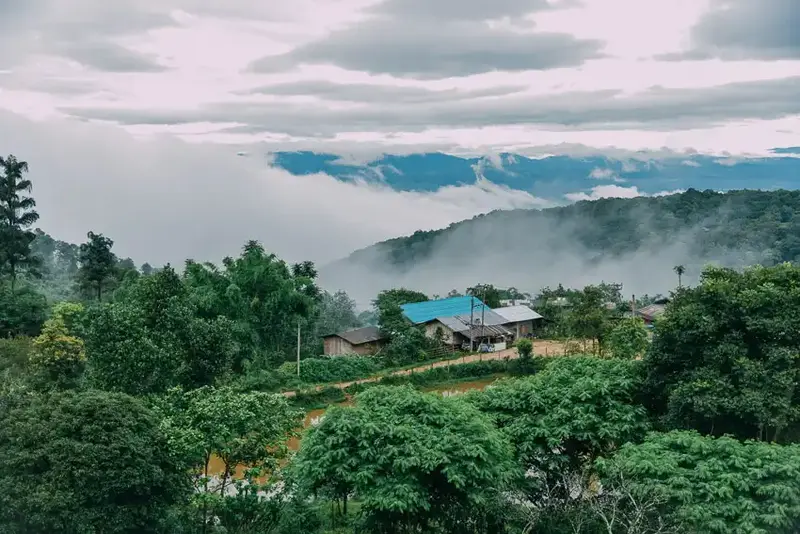
Doi Pu Muen is a small highland mountain-and-community area in Mae Sao Subdistrict, Mae Ai District, Chiang Mai. People come up here to trade noise for cool air, morning mist, and the kind of village atmosphere that still feels real rather than staged. The area is often described as having beautiful scenery, with views toward the Doi Pha Hom Pok range, plus seasonal flower plots and trial beds for cool-climate crops. That mix makes the trip more than a quick photo stop — it is a chance to slow down and spend time with both the mountain and the people who live on it.
Doi Pu Muen sits at roughly 1,400 meters above sea level, which is high enough for the weather to change noticeably from the lowlands. In late rainy season through early winter, the odds of cool mornings and fog increase, and that is when the “sea of mist” feeling can be at its best. The charm here is quiet but deep: fewer built-up conveniences, more reward for travelers who are willing to move slowly, watch the light, and listen to how the village actually breathes.
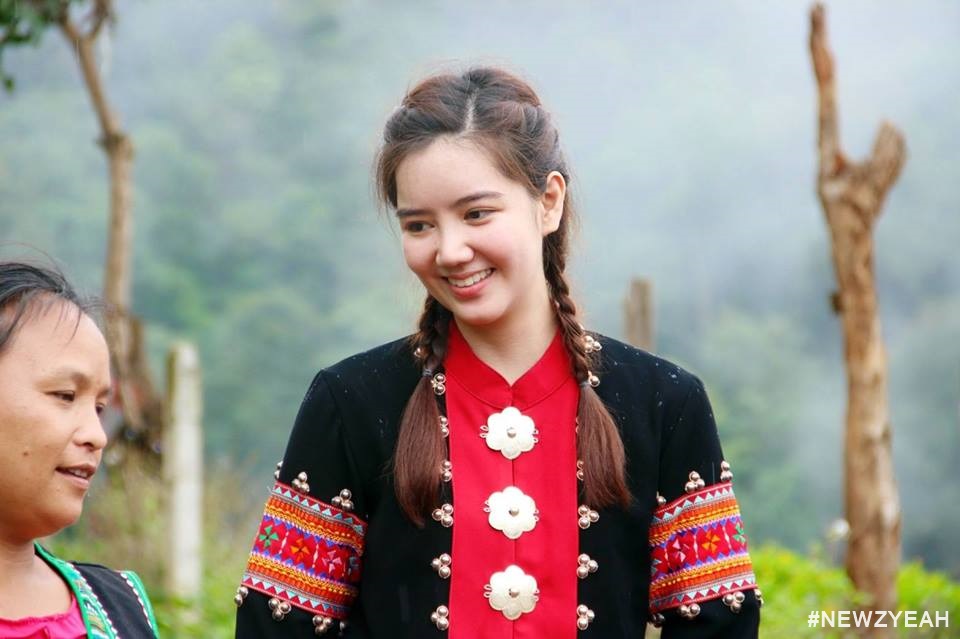
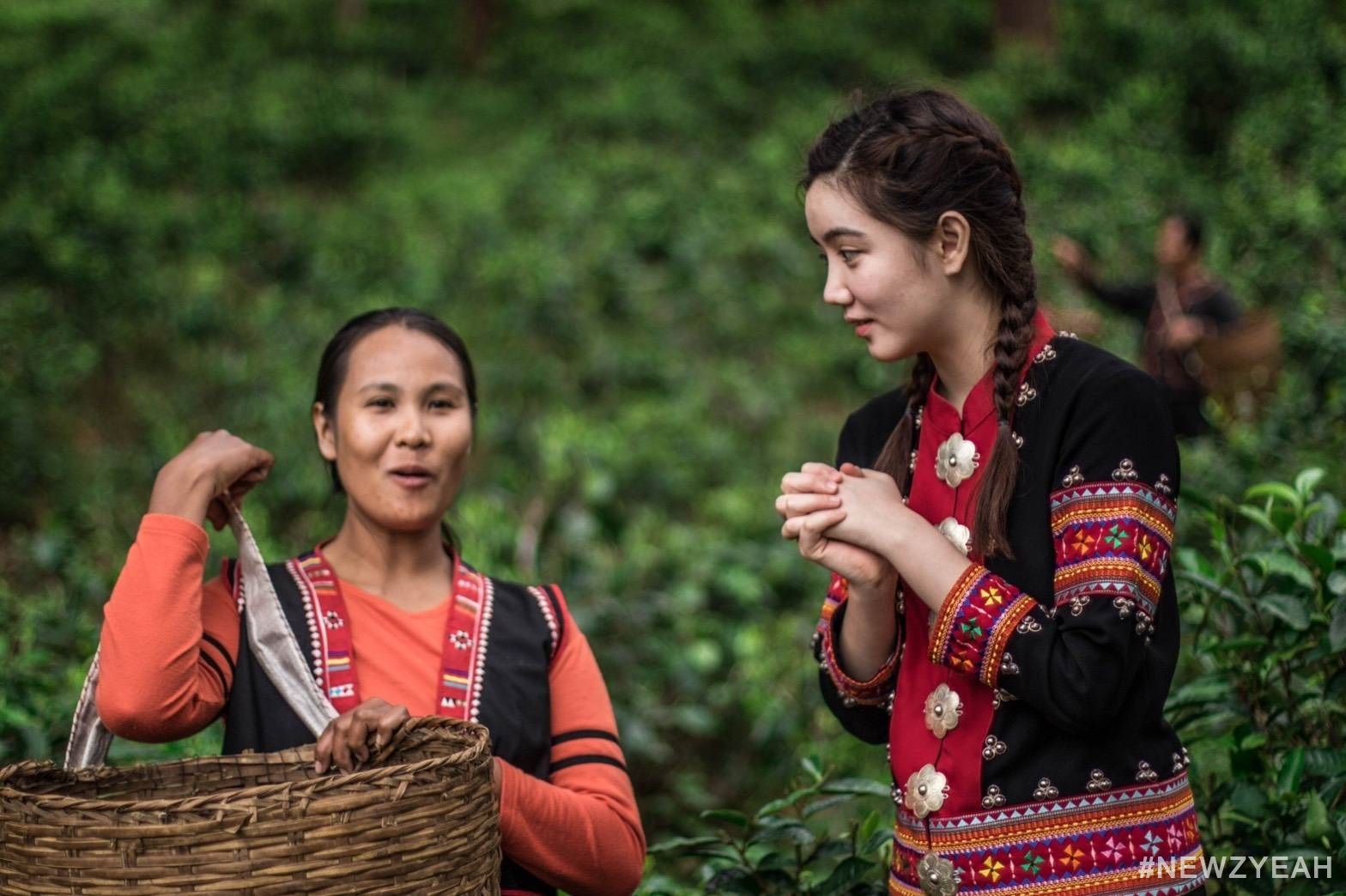
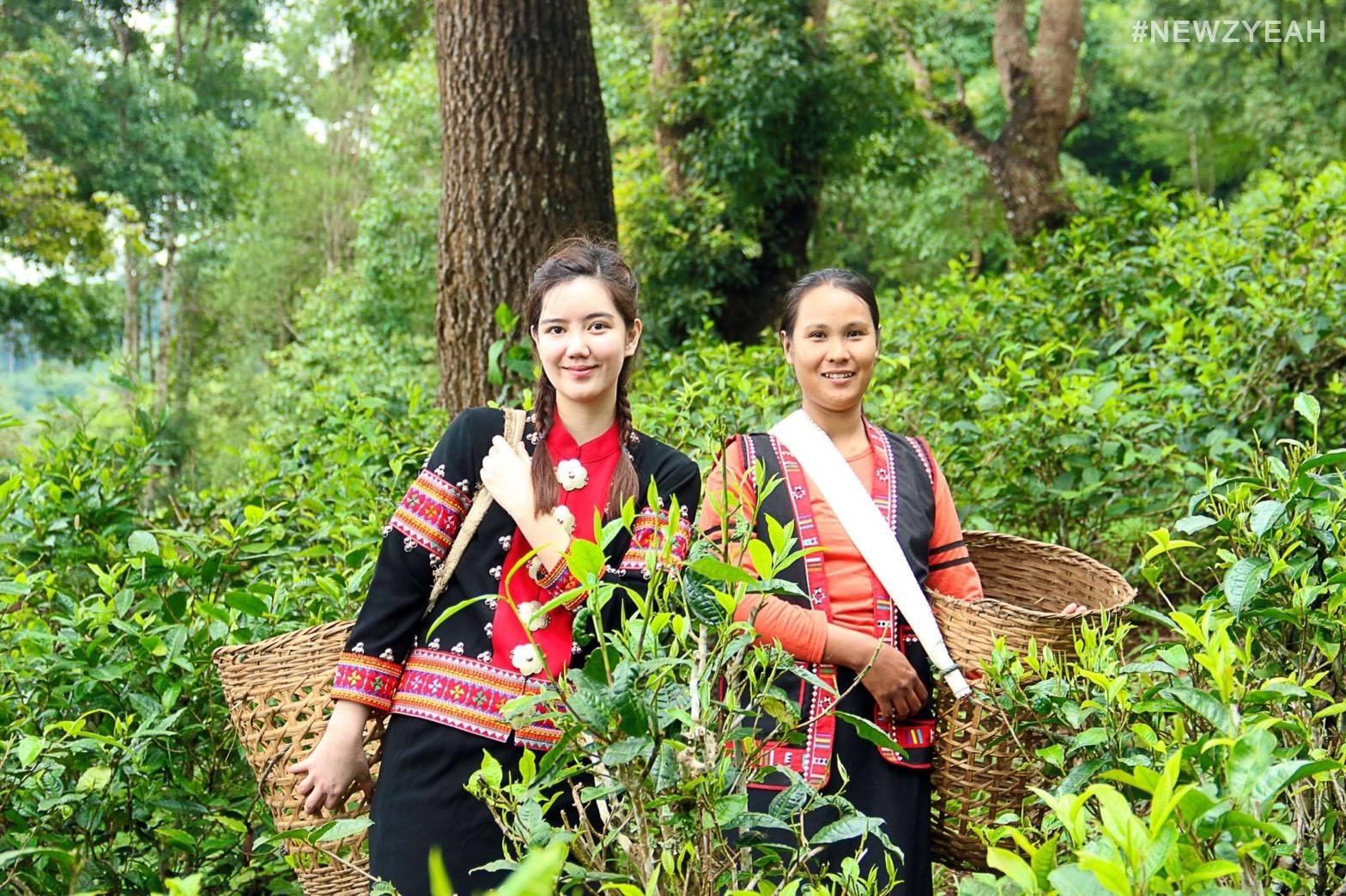
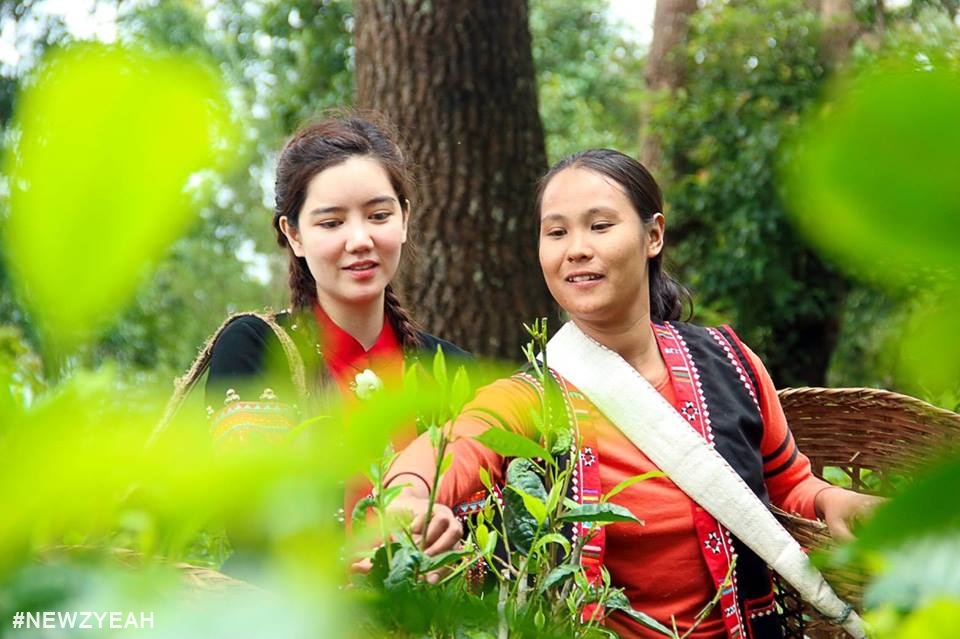
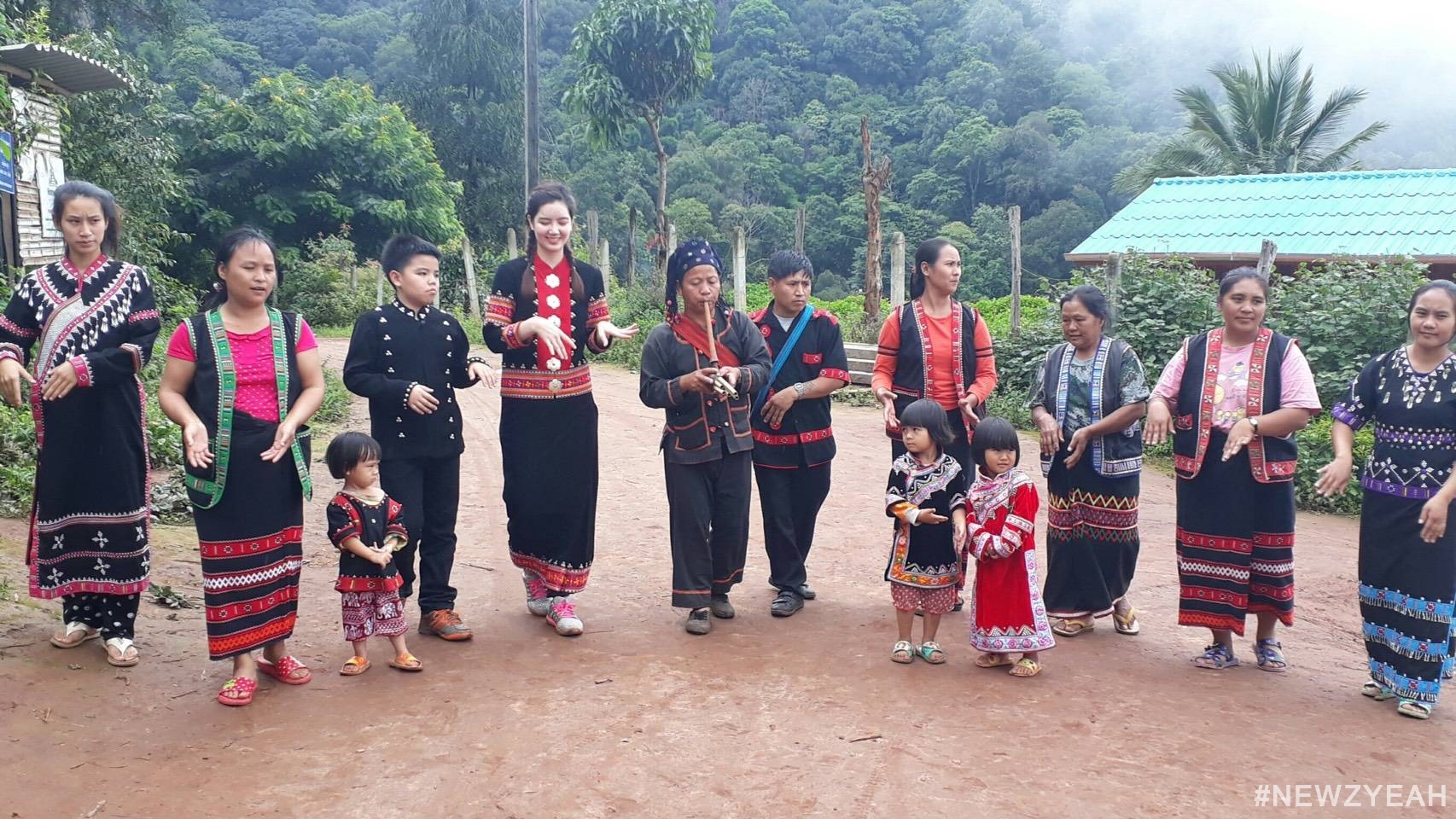
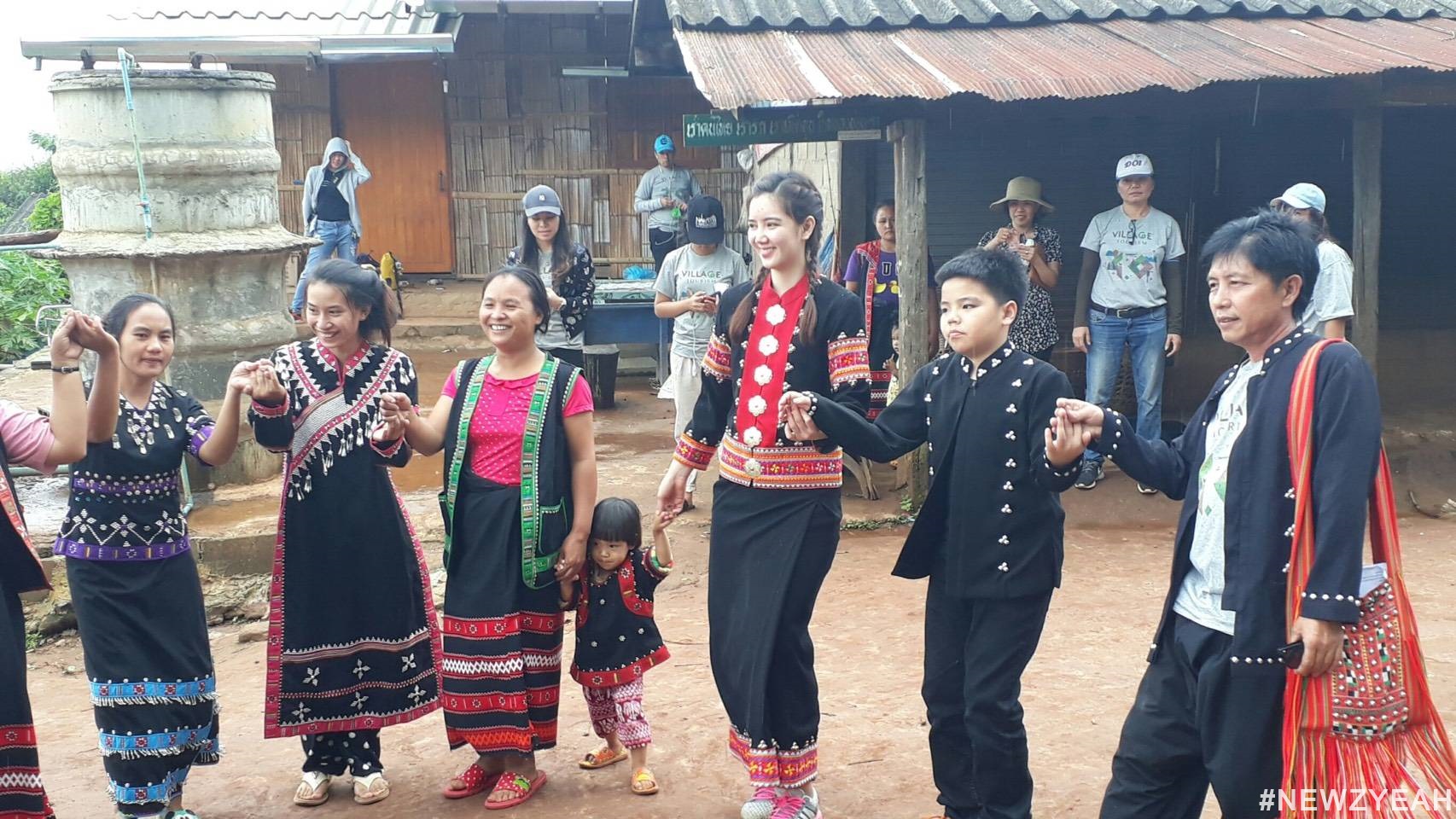
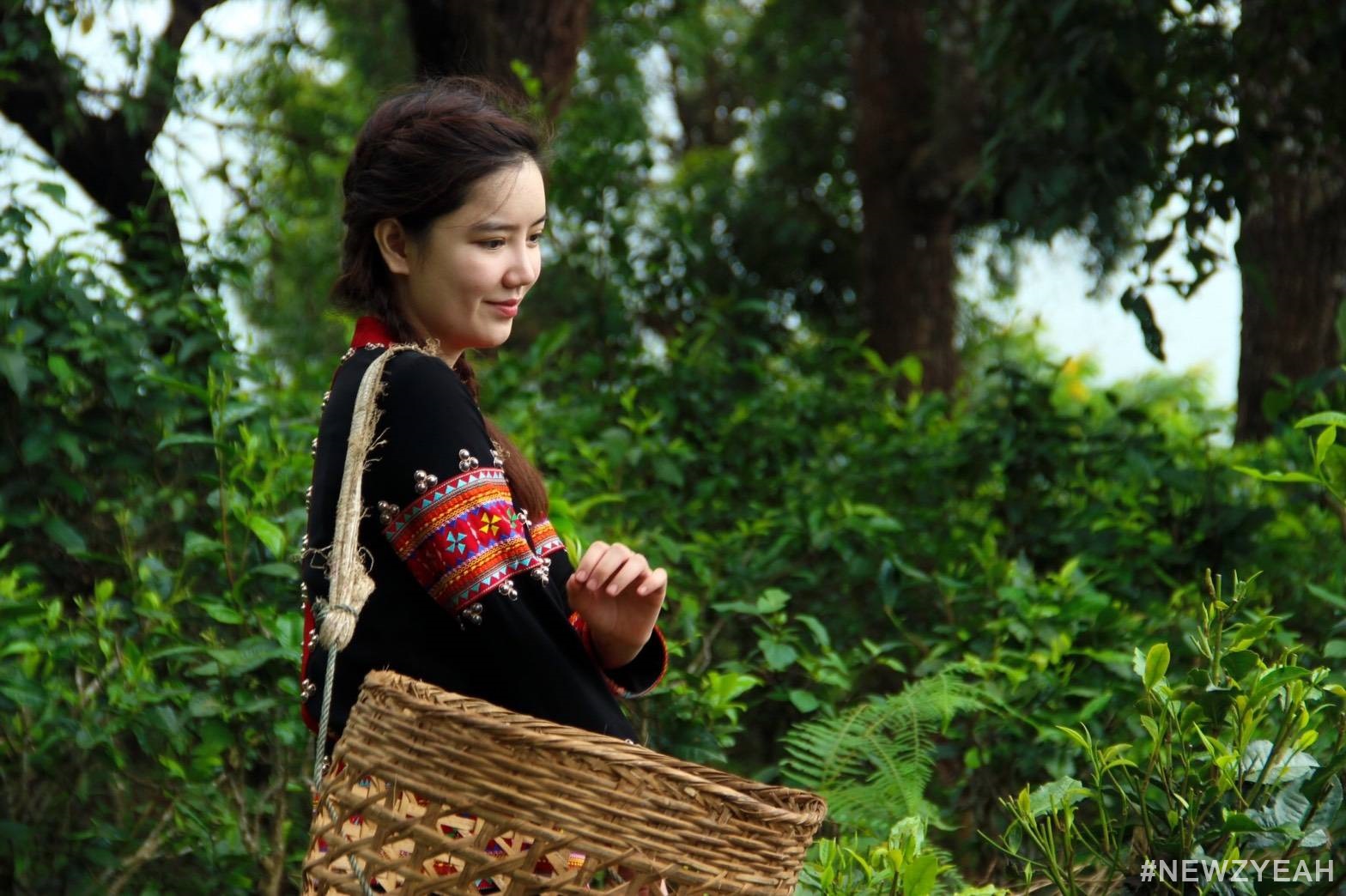
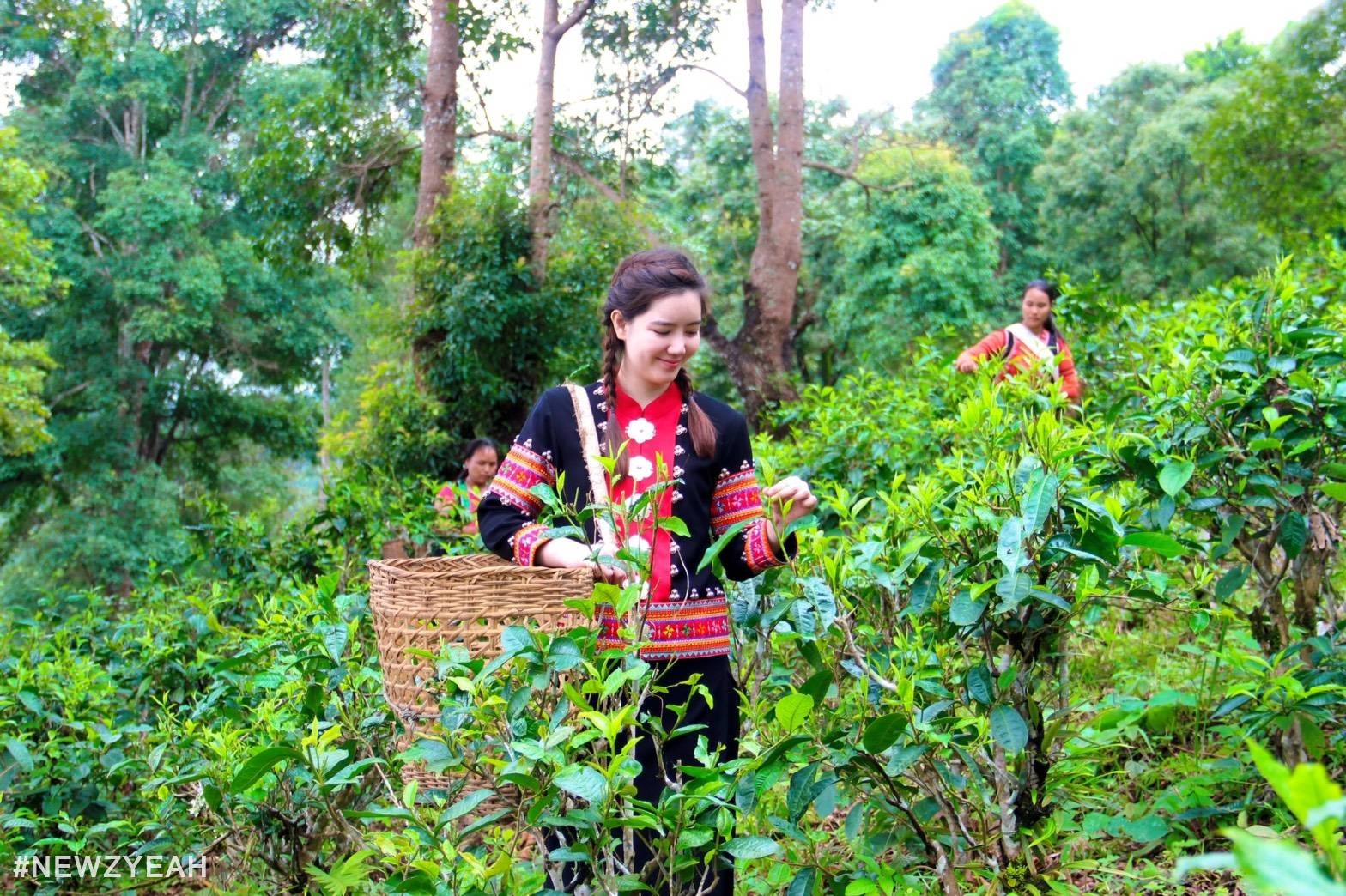
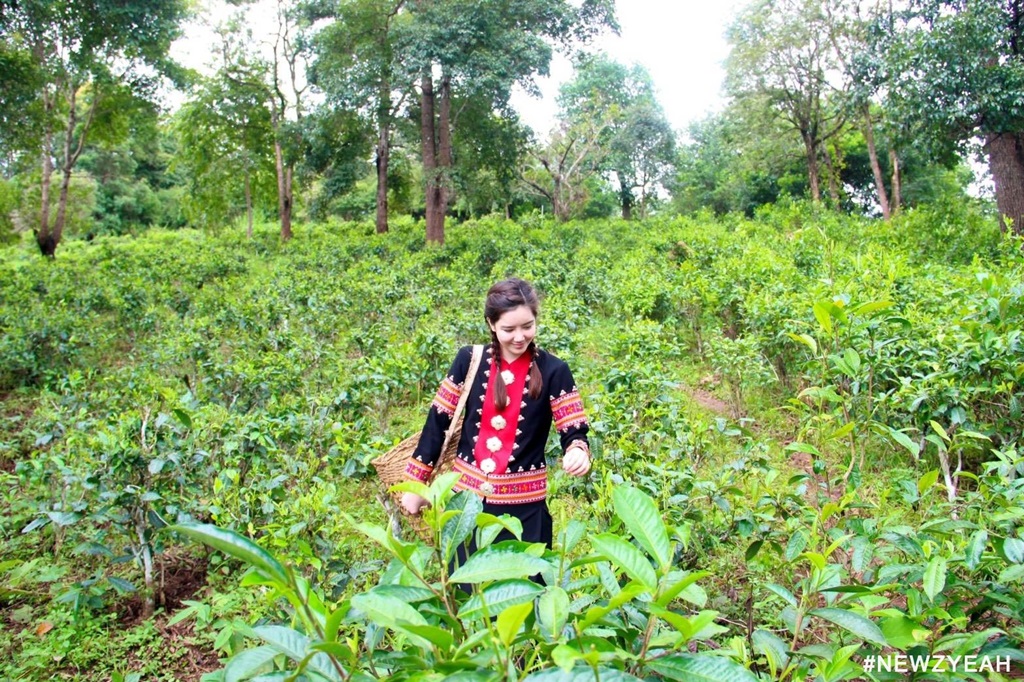
Today, Doi Pu Muen is commonly described as consisting of two main villages: Ban Pu Muen Nok and Ban Pu Muen Nai. Based on your source text, residents are identified as Lahu (often referred to locally as “Muser”), and daily life is closely tied to highland livelihoods. Many households work in seasonal labor (including tea-leaf picking), alongside their own farming — especially tea, Arabica coffee, and certain cool-climate crops that match the mountain conditions.
One of the most meaningful parts of visiting Doi Pu Muen is seeing “community economy” in motion. Local development is often linked with volunteer-style travel and cooperative improvement over time, so some activities are not set up as performances — they come from real practice. Visitors may learn about traditional tea-making, kitchen-garden growing for household use, and simple water-management methods (like small check dams) that fit mountain terrain. If you enter with respect, the village feels less like an attraction and more like a living place.
The name “Doi Pu Muen” is also commonly explained through local memory: a story of an earlier community leader named Tang Tao, remembered as someone who led the settlement for many years and was granted the title “Muen Tang Tao.” The mountain’s name is said to have carried forward from that recognition. Even when the story is shared as oral history rather than a formal chronicle, it still reveals what matters here — people, leadership, and shared remembrance attached to place-names.
For nature-based travel, Doi Pu Muen is not only about mist views. There are forest-walk possibilities, birdwatching, and nearby waterfalls — especially Pu Muen Waterfall. The experience tends to feel more “fair to the place” when you do not rush: choose a slow walk, learn a process like home-style tea making, and let the mountain set the pace instead of trying to tick off check-in points.
Another layer many visitors are curious about is the community’s traditions. Your source mentions local observances such as “Kin Wo” and sand-pile merit-making. The best way to handle cultural experiences here is simple: do not generalize, and let residents set the rules. If you are invited to learn, follow guidance closely, ask permission, and accept boundaries — that is how cultural curiosity stays respectful instead of extractive.
Accommodation in the area is commonly described as community-based lodging and homestays, and your source notes roughly 6 guest houses with total capacity around 50 visitors. Staying overnight changes the entire trip: dawn mist feels completely different from daytime scenery, and nighttime temperatures drop fast at this elevation. Keep your footprint light — reduce noise after dark, do not litter, and always ask before photographing people or private homes.
Getting There To reach Doi Pu Muen, a commonly used route is Chiang Mai – Fang (about 140 km), then Fang – Mae Ai (about 9 km), then turn left and continue roughly 14 km into the responsible unit/approach road before heading up to the community area. From Chiang Mai city, your source estimates around 174 km total and roughly 4 hours of travel. Plan extra time because mountain roads naturally bring curves and climbs. Drive in daylight for safety, especially during rain or heavy fog.
If you want mist, plan to stay overnight so you can catch the early-morning window. Pack a windproof layer, warm clothing, and a headlamp/flashlight. If you prefer a calmer trip, spend more time inside the village: walk around slowly, support local tea/coffee products, and choose activities that create a respectful exchange rather than a quick “use the place and leave” pattern.
Overall, Doi Pu Muen suits travelers who love mountains, community culture, and quiet travel that does not need constant spectacle. When you travel responsibly, both nature and the village tend to do the work of making the trip memorable on their own.
| Name | Doi Pu Muen |
| Location (Overview) | Mae Sao Subdistrict, Mae Ai District, Chiang Mai, Thailand |
| Highlights | Highland scenery, sea of mist (seasonal), Lahu (Muser) community life, seasonal flowers, cool-climate trial plots, nearby waterfall |
| Elevation (Approx.) | ~1,400 m above sea level |
| Villages | Ban Pu Muen Nok, Ban Pu Muen Nai |
| Recommended Activities | Mist viewing, nature walks, birdwatching, Pu Muen Waterfall, traditional tea-learning, community produce (tea & coffee) |
| Local Traditions (As Provided) | Kin Wo, sand-pile merit-making |
| Getting There (Summary) | Chiang Mai – Fang ~140 km → Fang – Mae Ai ~9 km → turn in ~14 km (allow extra time for curves/climbs) |
| Nearby Tourist Attractions | Pu Muen Waterfall — 3 km Fang Hot Springs (Doi Pha Hom Pok National Park) — 55 km — Tel. 0 5208 0801, 084 483 4689 Doi Pha Hom Pok National Park — 60 km — Tel. 0 5208 0801, 084 483 4689 Royal Agricultural Station Angkhang — 45 km Wat Thaton (Royal Temple) — 35 km |
| Popular Restaurants Nearby | Ninecool Coffee & Cake (Fang) — 55 km — Tel. 095 515 2924, 085 864 4659, 086 656 8736, 053 452 836 Sangsawang 1988 (Fang) — 55 km |
| Popular Accommodations Nearby | Community Homestays (Doi Pu Muen area) — 0 km Thaton Hill Resort (Thaton) — 35 km Phumanee Lahu Home Hotel (Fang) — 55 km |
Frequently Asked Questions (FAQ)
Q: When is the best time to see mist at Doi Pu Muen?
A: Late rainy season to early winter typically offers better chances of morning mist, and the air is noticeably cooler. Staying overnight helps you catch the early-morning window.
Q: Is Doi Pu Muen only about viewpoints?
A: No. Beyond mist views, you can explore nature walks, birdwatching, Pu Muen Waterfall, and community-based learning such as traditional tea processes and local tea & coffee products.
Q: How should I behave if I stay in a village homestay?
A: Keep noise low after dark, do not litter, ask permission before photographing people or private homes, and support local products respectfully.
Q: What local traditions are mentioned for the community?
A: Your source mentions Kin Wo and sand-pile merit-making. If you want to learn, ask your hosts or community leaders and follow local rules carefully.
Q: Is the drive difficult?
A: The approach includes mountain curves and climbs. Allow extra time, drive in daylight, and be especially cautious in rain or heavy fog.
 Doi Pu Muen Map
 Category:
  Group:
  Last Update: 3 MonthAgo
Comment

Photo Gellery(9) 
 Thank you photo(9) from: NEWZYEAH
|
|
|
|
|
|
|
|
|
|
● Photographer: NEWZYEAH |
● Copyright Photography. (800*500)
● View full size images from the photographer.
● View full size images from the photographer.
 Nearby Attractions
| Keyword (Advance) |
 Facebook Fanpage
 Region
 Art, Culture and Heritage
 Historical Sites and Monuments(
 Landmarks and Memorials(
 Royal Palace(
 Art, Craft Centres, Tradition(
 Museums(
 Educational Places
 Museum for Study(
 Educational Gardens, Farm(
 Training Center(
 University
 Places of Worship
 Temple(
 Mosque(
 Other religious and spiritural sites(
 Research and Development
 Royal Project(
 Suburban Living
 Village, Community(
 Local Market(
 National Parks and Marine Reserves(
 Dam, Reservoir, Lake(
 Waterfalls(
 Hot Springs(
 Caves(
 River, Canal(
 Other natural attractions(
 Entertainment and Agricultural
 Zoos and Aquariums(
 Animal camps and shows(
 Stadium(
 Farm, Parks, Gardens and Ecotourism(
 Waterpark(
 Theater(
 Outdoor and Adventure Activities(
 Shopping
 Shopping and Night Market(
 Restaurant
 Michelin Star(
 Michelin Guide(
 Call Customer Service in Tourism
 Call Customer Service in Tourism(
 Travel Articles, Recipes
 Travel Review, Food Review(
 Food Menu, North Recipes(
 Thai Desserts, North Recipes(