

 Home
Home Chiang Mai(










Rating: 3.5/5 (14 votes)
 |
|  Map
Map 
 Have Map
  No Map
Chiang Mai attractions
Attractions in Thailand
Open Days: Generally daily (it’s still wise to confirm the latest status/hours with the site before you go, especially during heavy rain)
Opening Hours: Recommended 08:00 – 17:00 (hours may change depending on local management)
Muang Ngam Hot Spring (Malika Hot Spring) is an easy, low-effort stop for warm mineral water in the Tha Ton area, mainly because it sits close to the Mae Ai–Mae Chan road—near enough that you don’t feel like you’re committing to a long detour. The overall vibe feels more like a rewarding roadside pause than a heavily staged attraction. Since the hot spring is within Muang Ngam village, a Karen community, the surroundings still feel genuinely local: quieter, more lived-in, and naturally slower-paced.
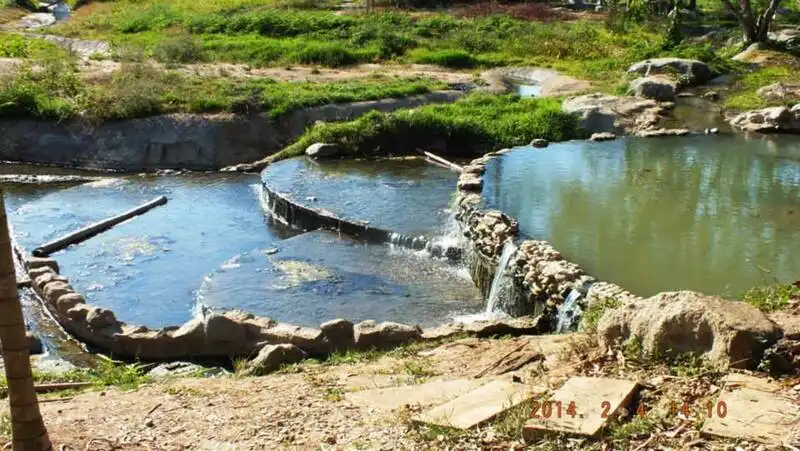
The hot spring area forms a basin against a hillside, with multiple small vents that bubble up as separate pools. Local information notes the water temperature at around 80°C, so it’s important to treat this as “truly hot” water and prioritize safety more than you would at a typical warm pool. The site area is about 400 square wah, giving you room to walk, pause, and rest. In practical terms, the comfort here comes from not rushing: use the designated soaking areas, breathe, and let your body gradually release the tension from travel.
Because the water can be very hot, the safest and most suitable option is to use the designated mineral bathing rooms or officially managed zones, rather than trying to step into natural pools on your own. Soaking in warm mineral water often helps you feel relaxed and less sore—especially after a long drive or outdoor activities. That said, it’s best to see it as recovery and relaxation, not as a guaranteed medical treatment. Keep it moderate: soak for short periods, take breaks, and drink enough water.
Extra caution is recommended for people with heart conditions, unusually high or low blood pressure, seniors who get dizzy easily, and anyone who is pregnant. If you still want to use the facilities, start gently for a short time and monitor how you feel so you can enjoy the warmth without pushing your body. Also watch for slippery surfaces around the basin, especially in the morning or after rain, since accidents from slipping can happen more easily in hot-spring environments.
What makes a stop at Muang Ngam Hot Spring feel more “complete” is the set-up for proper rest: there is an on-site restaurant, landscaped garden space, and a traditional Thai pavilion for sitting and relaxing. If you’re not in a hurry, it’s worth allowing a bit more time—sit, let your body warm up, and ease back into a normal temperature before continuing your trip. And because this is within a Karen community, respectful travel matters: keep noise down, don’t leave trash, and dress appropriately, especially if you plan to continue walking up the hillside to see nearby highland village areas.
Getting There You can drive along the Mae Ai–Mae Chan route toward Tha Ton, then enter Muang Ngam village by local signs or navigation. The key advantage is that it’s close to the main road, so access is easier than many other hot springs in Chiang Mai. Still, drive carefully on curves and in winter fog, and plan to visit during daylight for safer return travel.
| Name | Muang Ngam Hot Spring (Malika Hot Spring) |
| Location | Muang Ngam Village, Tha Ton Subdistrict, Mae Ai District, Chiang Mai (near the Mae Ai–Mae Chan road) |
| Highlights | Natural hot spring basin beside a hillside with multiple bubbling vents; temperature around 80°C; Karen village atmosphere; convenient access; relaxing rest areas |
| Period | Natural hot spring (no confirmed official founding year) |
| Key Evidence | Local information indicates water temperature around 80°C; a hillside-adjacent basin with bubbling vents; area about 400 square wah; mineral bathing rooms available |
| Name Origin | Official name “Malika Hot Spring”; commonly referred to as “Muang Ngam” after the local community area |
| Travel | Drive along the Mae Ai–Mae Chan road to Tha Ton, then enter Muang Ngam village (close to the main road; easy access) |
| Current Status | Generally open for visitors (recommended to confirm on-site status/hours before traveling) |
| Facilities | Mineral bathing rooms | Restaurant | Garden area | Thai-style pavilion for relaxation |
| Fees | Mineral bathing room: 50 THB/hour (as stated in local information; confirm the current rate before use) |
| Nearby Tourist Attractions (Approx. Distance) | Wat Tha Ton (a royal monastery) (7 km) | Bamboo rafting/boat trips on the Kok River (Tha Ton area) (8 km) | Tha Ton viewpoint (6 km) | Mae Ai town (20 km) | Tha Ton–Fang route connection point (30 km) |
| Popular Restaurants Nearby (Approx. Distance / Phone) | White House in the Garden Cafe & Studio (8 km) Tel. 084-909-0830 |
| Popular Accommodations Nearby (Approx. Distance / Phone) | Maekok River Village Resort (10 km) Tel. 053-053-628 | Tha Ton Hill Resort (9 km) Tel. 053-053-669, 061-351-9729 |
Frequently Asked Questions (FAQ)
Q: Is Muang Ngam Hot Spring (Malika Hot Spring) open every day?
A: It is generally open, but it’s best to confirm the current hours and operating status with the site before you go, especially during heavy rain or periods of service adjustments.
Q: How hot is it—is it dangerous?
A: Local information notes around 80°C, which is very hot. Use only the designated bathing rooms/managed zones and be careful on slippery surfaces caused by moisture.
Q: Are there mineral bathing rooms, and how are they priced?
A: Yes, mineral bathing rooms are available. Local information states 50 THB per hour, but you should confirm the current rate on the day you visit.
Q: Does soaking in the hot spring really help with health?
A: It commonly helps with relaxation and easing soreness, but it shouldn’t be treated as a guaranteed medical cure. If you have underlying conditions, use it gently and consult a doctor if you’re concerned.
Q: Can I bring children or elderly family members?
A: Yes, but they should be supervised closely. Choose safer areas, avoid very hot spots, and be extra careful about slippery ground.
Q: If I want to continue walking uphill to see nearby hill-tribe villages, what should I prepare?
A: Wear non-slip footwear, bring drinking water, and allow enough time. Walk respectfully through the community, keep noise down, and ask locals about routes and any safety considerations before heading up.
 Muang Ngam Hot Spring (Malika Hot Spring) Map
 Category:
  Group:
  Last Update: 6 DayAgo
Comment
 Nearby Attractions
| Keyword (Advance) |
 Region
|
 Muang Chiang Mai(