
lovethailand home >South Travel Attractions >Yala Travel Attractions >Be Tong >Be Tong > Betong City Museum
TL;DR: Betong City Museum is located at Betong Subdistrict, Betong District, Yala Province, Near Suan Sut Siam And Betong Mongkhonrit Tunnel, open Daily, hours 09.00 – 16.30.

Betong City Museum
Open Days: Daily
Opening Hours: 09.00 – 16.30
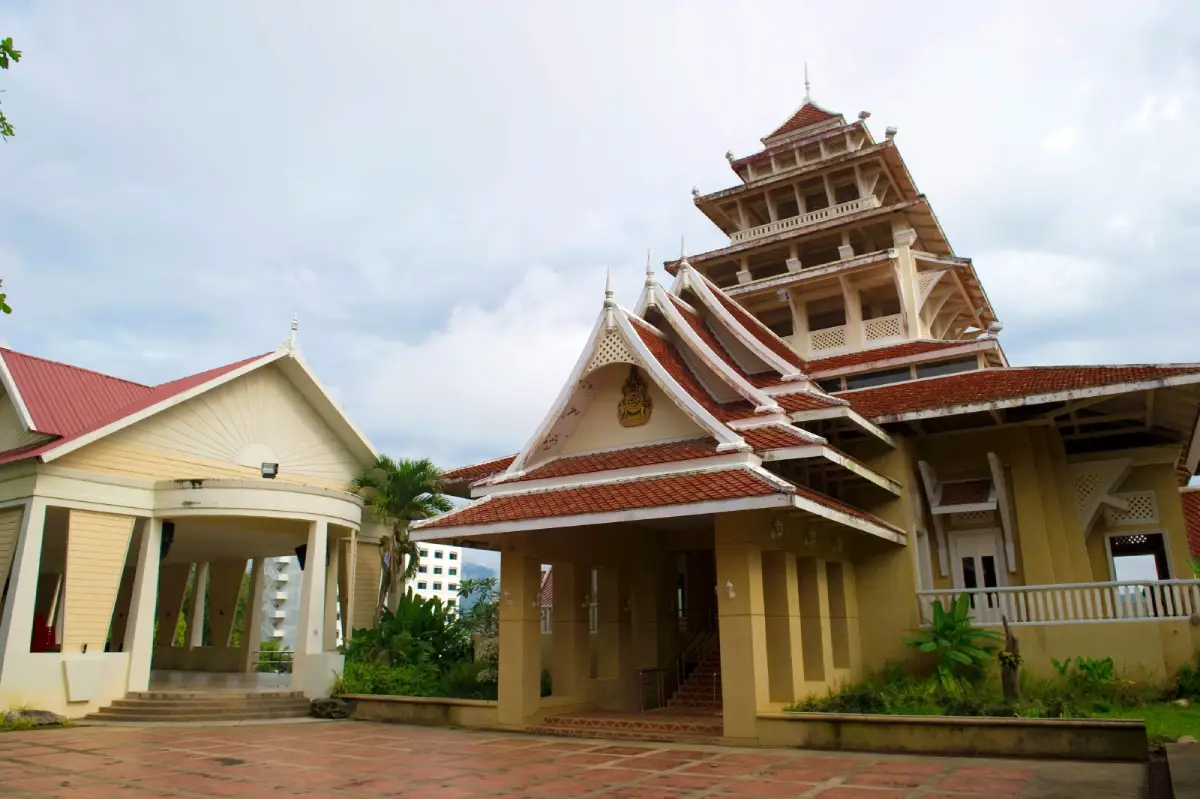
Betong City Museum in Yala Province is one of the most meaningful cultural attractions in Betong District. It is a local history museum where visitors can understand Thailand’s southernmost town beyond its famous viewpoints, food, border landmarks, and mountain scenery. The museum is located in Betong Municipality, Betong Subdistrict, Betong District, Yala Province, on a hill within the town area near Suan Sut Siam, Betong Mongkhonrit Tunnel, Betong Clock Tower, and the Giant Mailbox. Its main value lies in the way it brings together old objects, antiques, local artifacts, historical photographs, newspapers, community memories, and a top-floor viewpoint overlooking Betong town.
The museum was established in 2005 by Betong Municipality as a place to preserve and present the cultural and environmental heritage of local people. It is not simply a building filled with old objects. It is a readable record of Betong’s identity, covering settlement history, local life, trade, transportation, food culture, geography, Thai, Chinese and Malay influences, and the development of a border town closely connected with both Thailand and Malaysia.
The word “Betong” comes from Malay and means bamboo. The name reflects the older natural landscape of the area, which was closely tied to forests, hills, and local resources. Historically, Betong belonged to the southern border region and developed through complex local, cultural, and administrative changes before becoming one of Thailand’s most distinctive border districts. Visiting the museum helps travelers understand that Betong is not only a town of mist, food, and the southernmost point of Thailand, but also a place with deep social and cultural roots.
The museum building stands on a hill in the middle of town. Its layered roof structure and elevated position make it visually distinctive from surrounding areas. Because it is linked with Betong Municipal Public Park, also known as Suan Sut Siam, the museum is both an exhibition space and a city viewpoint. From the upper level, visitors can see Betong’s street layout, homes, town landmarks, neighborhoods, and the mountain ridges that surround the town.
Betong City Museum has three floors. The main exhibition areas are on the first and second floors, while the upper floor functions as a viewpoint. The first floor displays antiques, art objects, and old household items such as porcelain bowls, ceramic ware, tables, cabinets, beds, old lamps, model sailing ships, weaving looms, and spinning tools. These objects help visitors imagine daily life in Betong’s earlier periods through items once used in homes, shops, workplaces, and community settings.
The first-floor collection makes history feel close and tangible. Porcelain and ceramic objects reflect food culture and domestic taste. Wooden cabinets, beds, and furniture show how local homes were once arranged. Old lamps point to a time when electricity and modern lighting were not as convenient as today. Model ships suggest trade and movement, while weaving looms and spinning tools represent local craft knowledge. When viewed together, these objects show Betong as a community shaped by resources, migration, work, and contact with surrounding regions.
The second floor focuses on old photographs of Betong, historical newspapers, the town’s development, and information about important attractions in the district. The old photographs are worth careful attention because they show the changing face of the town: from periods when travel was difficult and buildings were fewer, to the later development of roads, hotels, food districts, public parks, tunnels, and viewpoints. They help visitors understand how Betong gradually became a border tourism town.
The value of these photographs and documents lies in their ability to connect the past with what visitors see outside. After walking through Betong Clock Tower, the Giant Mailbox, Betong Mongkhonrit Tunnel, or the town’s restaurants, visitors can return to the museum and recognize how the same city has changed over time. Betong did not appear suddenly as a travel destination. It was shaped by mountain geography, border trade, road access, migration, food culture, and the practical needs of local life.
The upper floor is one of the museum’s most memorable features. It serves as a viewpoint over Betong town, allowing visitors to see the city from above without traveling far outside the town center. From this level, buildings line the valley, roads follow the slope of the land, and mountains wrap around the settlement. After viewing old objects and historical photographs inside the museum, seeing the real town below helps all of the stories connect naturally.
The best time to visit is in the morning or early afternoon, when there is enough time to see all three floors without rushing. Travelers who want photographs from the viewpoint should allow extra time, especially on days with soft light, light mist, or clear post-rain visibility. Arriving too close to closing time may leave too little time for the exhibitions and the upper viewpoint, so the museum works best near the beginning or middle of a Betong town itinerary.
The museum is suitable for many types of visitors: history enthusiasts, students, families, older travelers, photographers, and anyone who wants to understand Betong before visiting surrounding natural attractions such as Aiyerweng Sea of Mist, Gunung Silipat, Piyamit Tunnel, Betong Hot Spring, or the Winter Flower Garden. Starting a trip here gives travelers a stronger sense of context, making other places in Betong more meaningful.
Culturally, Betong City Museum explains the layered identity of this border town. Betong has long been connected with Thai, Chinese, Malay, and cross-border influences. Local people were involved in trade, mining, agriculture, and border life. The museum’s objects are therefore not isolated antiques. They are traces of real people: household objects, decorative pieces, working tools, personal photographs, old buildings, and printed records that preserve different stages of the town’s life.
The museum also helps explain Betong as a frontier town. Betong is about 140 km from Yala town, and the road to Betong passes through mountainous terrain. In earlier times, contact with other districts was much more difficult than it is today. As a result, the town developed a strong local community, food culture, trading identity, and sense of independence. When viewed alongside landmarks such as the Giant Mailbox, Betong Clock Tower, and Betong Mongkhonrit Tunnel, the museum shows how communication, transportation, and urban connection have always been important to Betong.
Betong City Museum is also a useful starting point before exploring local food. Signature dishes such as Betong chicken, kau yuk, stir-fried watercress, Betong noodles, dim sum, jee chong fun, and Betong grass jelly are all connected to migration, Chinese-Betong food culture, local ingredients, and the town’s border character. Visiting the museum before dining in town gives the food route more depth because each dish becomes part of Betong’s social and historical story.
For photography, the museum offers several strong angles. The first is the front of the building and museum sign, with its distinctive roof and architectural lines. The second is the first-floor exhibition area with wooden cabinets, glass displays, ceramics, and old objects. The third is the second-floor historical display area. The fourth is the upper viewpoint looking over Betong. Visitors should follow museum rules when taking photographs and avoid disturbing other visitors or touching displayed objects.
A normal visit takes around 45 minutes to one hour. Visitors who read the labels and study the old photographs may spend longer. Families can use the museum as a comfortable daytime stop, especially when outdoor weather is hot. Children can understand many exhibits easily because the objects are familiar in form: bowls, tables, beds, lamps, and tools. This makes the museum a gentle but meaningful learning space for younger travelers.
Another advantage is its location. From the museum, visitors can easily continue to Betong Mongkhonrit Tunnel, Thailand’s first mountain road tunnel, then move toward Suan Sut Siam for views, walk to the Giant Mailbox and Betong Clock Tower, and finish with local food in the town center. This compact route gives a strong overview of Betong through history, urban scenery, engineering, viewpoints, and cuisine.
A practical half-day Betong town plan can begin at Betong City Museum in the morning. Visitors can see the antiques, old photographs, and viewpoint before continuing to Suan Sut Siam and Betong Mongkhonrit Tunnel. After that, they can photograph the Giant Mailbox and Betong Clock Tower and continue to the town’s food district. With more time, nearby cultural sites such as Wat Phutthathiwat, Wat Kuan Im Betong, Betong Central Mosque, and Betong street art can be added for a fuller view of the town’s multicultural identity.
The museum is also important for conservation. Many tourism towns focus heavily on new photo spots, cafés, and landmarks, while older memories gradually disappear. Betong City Museum helps preserve those memories before everyday objects, documents, and images vanish from public awareness. Cabinets, beds, lamps, ceramics, old photographs, and printed records become a shared archive that helps younger generations and visitors understand where the present town came from.
Visitors should use the museum respectfully. Do not touch exhibits without permission, place personal items on display cases, use flash or equipment that disturbs others, or rush on stairways. Extra care is needed when going up to the viewpoint. This building protects objects that belong to the memory of the town, so respectful behavior is part of preserving Betong’s local heritage.
Travelers coming from Yala town should usually plan Betong as an overnight trip because the distance is long and the road passes through mountains. Many travelers drive from Yala through Bannang Sata, Than To, Aiyerweng, and then into Betong. Visiting the museum on the first day is a good way to understand the town before continuing the next day to the sea of mist, mountain viewpoints, hot springs, or other natural attractions.
Getting There is easy once travelers are in Betong town. Set the destination to Betong City Museum or the Betong Municipal Public Park area near Betong Mongkhonrit Tunnel and Suan Sut Siam. From Betong Clock Tower or the Giant Mailbox, the museum can be reached by a short ride or uphill walk, depending on weather and fitness. Drivers should park only in suitable areas and avoid blocking local traffic.
The recommended visiting time is from morning to early afternoon, allowing enough time for the exhibitions and viewpoint. Travelers who want to continue photographing Betong at night can visit the museum first, then move on to Betong Mongkhonrit Tunnel, the clock tower, and the Giant Mailbox in the evening. This order connects the town’s history with its present-day landmarks.
Overall, Betong City Museum is one of the best starting points for understanding Betong. It brings together the town name, Malay language roots, local memory, antiques, old photographs, daily life, and a panoramic city view in one place. Visitors who take the time to walk through the museum will see Betong as a town of several identities at once: a misty mountain town, a border town, a food town, a multicultural town, and a place where the past remains visible within the present.
For this reason, Betong City Museum should not be treated only as a short stop between landmarks. It is a place to read the city before continuing to Suan Sut Siam, Betong Mongkhonrit Tunnel, Betong Clock Tower, the southernmost point of Thailand, or the natural attractions around Betong. Understanding the town’s past makes every later stop more meaningful and turns a Betong trip into more than a collection of photographs.
| Name | Betong City Museum |
| Location | Betong Subdistrict, Betong District, Yala Province, Near Suan Sut Siam And Betong Mongkhonrit Tunnel |
| Address | Q39C+WH5, Betong Subdistrict, Betong District, Yala 95110, Thailand |
| Reference Coordinates | 5.769867, 101.071432 |
| Highlights | A three-floor local museum displaying antiques, art objects, old household items, historical photographs, newspapers, and a top-floor viewpoint overlooking Betong town |
| History / Importance | Established in 2005 to collect Betong’s local stories and support conservation of the town’s cultural and environmental heritage |
| Name Origin | The word Betong comes from Malay and means bamboo, reflecting the town’s natural and borderland roots |
| Distinctive Features | A hilltop museum in central Betong where visitors can learn local history and see a panoramic view of the town from the same building |
| Travel Information | From Betong Clock Tower or the Giant Mailbox, travel a short distance uphill to the museum near Suan Sut Siam and Betong Mongkhonrit Tunnel. From Yala town, travel to Betong via the main mountain route, about 140 km. |
| Current Status | Open as a local museum, Betong history learning center, and city viewpoint under Betong Municipality |
| Open Days | Daily |
| Opening Hours | 09.00 – 16.30 |
| Fees | Free Admission |
| Facilities | Indoor exhibition areas, upper viewpoint, stair access, photo spots, nearby public park area, and restaurants/accommodation in central Betong |
| Main Areas / Zones | Floor 1: Antiques, art objects, and old household items Floor 2: Historical photographs, newspapers, town history, and Betong tourism information Floor 3: Betong city viewpoint |
| Caretaker / Local Authority | Betong Municipality |
| Main Contact Number | Betong City Museum, Tel. 061-568-2179 / Betong Municipality, Tel. 0-7323-1214 |
| Nearby Tourist Attractions | 1. Betong Mongkhonrit Tunnel, About 50 m 2. Suan Sut Siam Or Betong Municipal Public Park, About 100 m 3. Valley Sports Center, About 150 m 4. Betong Giant Mailbox, About 300 m 5. Betong Clock Tower, About 300 m 6. Wat Kuan Im Betong, About 300 m 7. Betong Central Mosque, About 500 m 8. Southernmost Point Of Thailand, About 7 km |
| Nearby Restaurants | 1. The Tunnel, About 100 m, Tel. 073-234-565 2. Thai Si Hee, About 200 m, Tel. 073-230-459 3. Ta Yern (Kitti), About 300 m, Tel. 073-230-461 4. Baiyok Restaurant, About 500 m, Tel. 086-964-4692, 073-230-763 5. Charoen Betong Chicken Rice, About 800 m, Tel. 084-015-2058 6. Ban Khun Chai Betong, About 2 km, Tel. 084-692-8074 |
| Nearby Accommodations | 1. Grand Mandarin Betong Hotel, About 200 m, Tel. 077-323-333, 073-235-777 2. Betong Merlin Hotel, About 300 m, Tel. 073-230-222, 073-230-225 3. Garden View Betong Hotel, About 300 m, Tel. 073-235881-4, 086-488-7190 4. Grandview Landmark Betong Hotel, About 400 m, Tel. 073-245-510 5. Butterfly Princess Betong Hotel, About 1 km, Tel. 073-230-888, 081-963-8276 6. Penthouse Resort Betong, About 1 km, Tel. 073-230-644, 086-490-6478 |
Frequently Asked Questions (FAQ)
Q: Where Is Betong City Museum Located?
A: Betong City Museum is located in Betong Subdistrict, Betong District, Yala Province, close to Suan Sut Siam, Betong Mongkhonrit Tunnel, Betong Clock Tower, and the Giant Mailbox.
Q: What Is The Main Highlight Of Betong City Museum?
A: Its main highlight is a three-floor local history museum with antiques, old household items, historical photographs, newspapers, and a top-floor viewpoint overlooking Betong town.
Q: What Are The Opening Days And Hours?
A: The museum is open daily from 09.00 to 16.30. Morning and early afternoon are the most practical times to visit.
Q: Is There An Admission Fee?
A: No. The museum offers free admission during its opening hours.
Q: What Can Visitors See Inside The Museum?
A: The first floor displays antiques, art objects, ceramics, old furniture, lamps, model ships, weaving looms, and spinning tools. The second floor displays old photographs, newspapers, town history, and Betong tourism information. The top floor is a city viewpoint.
Q: Who Should Visit Betong City Museum?
A: It is suitable for history lovers, families, students, photographers, and travelers who want to understand Betong before visiting other town landmarks or natural attractions.
Q: How Long Should Visitors Spend There?
A: A typical visit takes about 45 minutes to one hour. Visitors who read the displays carefully and spend time at the viewpoint may need longer.
Q: What Nearby Attractions Can Be Combined With The Museum?
A: Nearby places include Betong Mongkhonrit Tunnel, Suan Sut Siam, the Giant Mailbox, Betong Clock Tower, Wat Kuan Im Betong, Betong Central Mosque, and the southernmost point of Thailand.
 Category: ●Art, Culture and Heritage
 Group: ●Museums
Last Update : 1 WeekAgo
 Last Update : 1 WeekAgo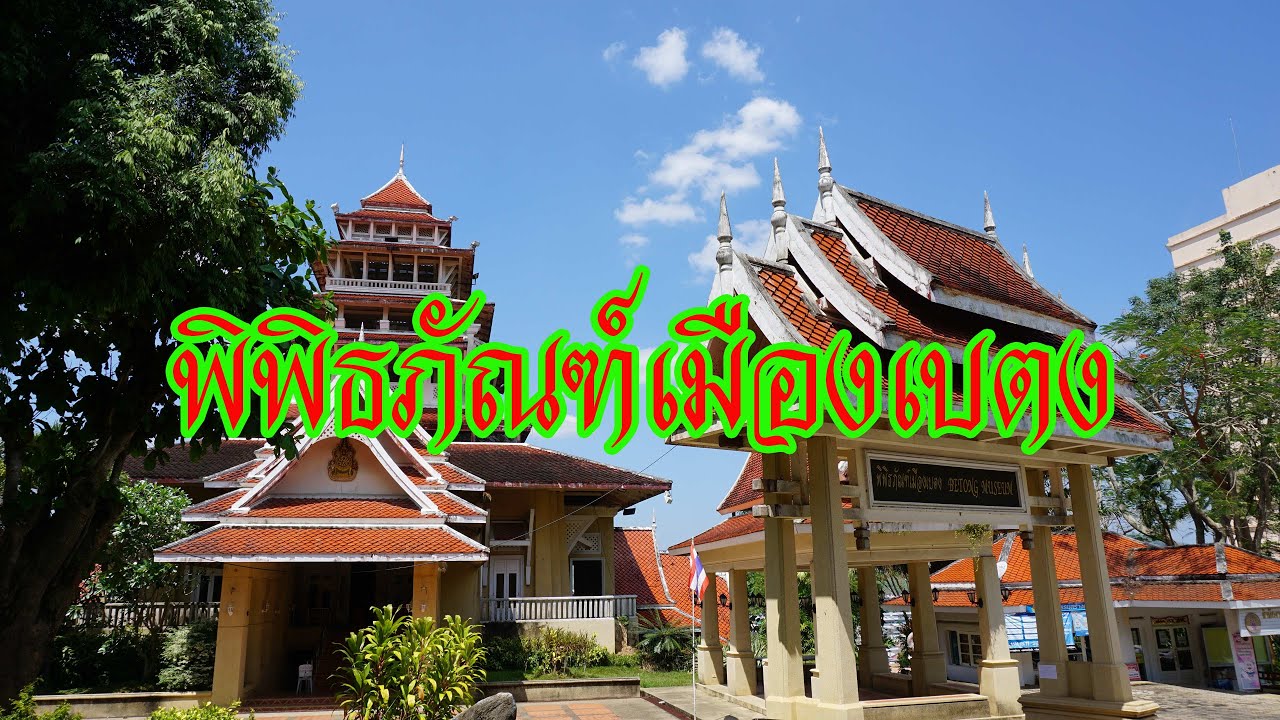
 Click to Access the Navigation Map GPS
Betong City Museum Map

 Landmarks and Memorials(1)
 Art, Craft Centres, Tradition(2)
Museums(2)
Art, Craft Centres, Tradition(2)
Museums(2)
 Educational Places
 Educational Gardens, Farm(1)
 Places of Worship
 Temple(6)
 Mosque(2)
 Other Sacred Sites(3)
 Suburban Living
 Village, Community(4)
 Nature and Wildlife
 National Parks and Marine Reserves(2)
 Mountain (Doi)(5)
 Dam, Reservoir, Lake(5)
 Waterfalls(13)
 Hot Springs(2)
 Caves(7)
 River, Canal(4)
 Islands(1)
 Other natural attractions(8)
 Entertainment and Agricultural
 Stadium(1)
 Farms, Parks and Ecotourism(4)
 Outdoor and Adventure Activities(1)
 Travel Articles, Recipes
 Travel Review, Food Review(2)


