
lovethailand home >South Travel Attractions >Yala Travel Attractions >Be Tong >Be Tong > Hala-Bala Forest
TL;DR: Hala-Bala Forest, Yala attractions : Nature and Wildlife, Other natural attractions.

Hala-Bala Forest
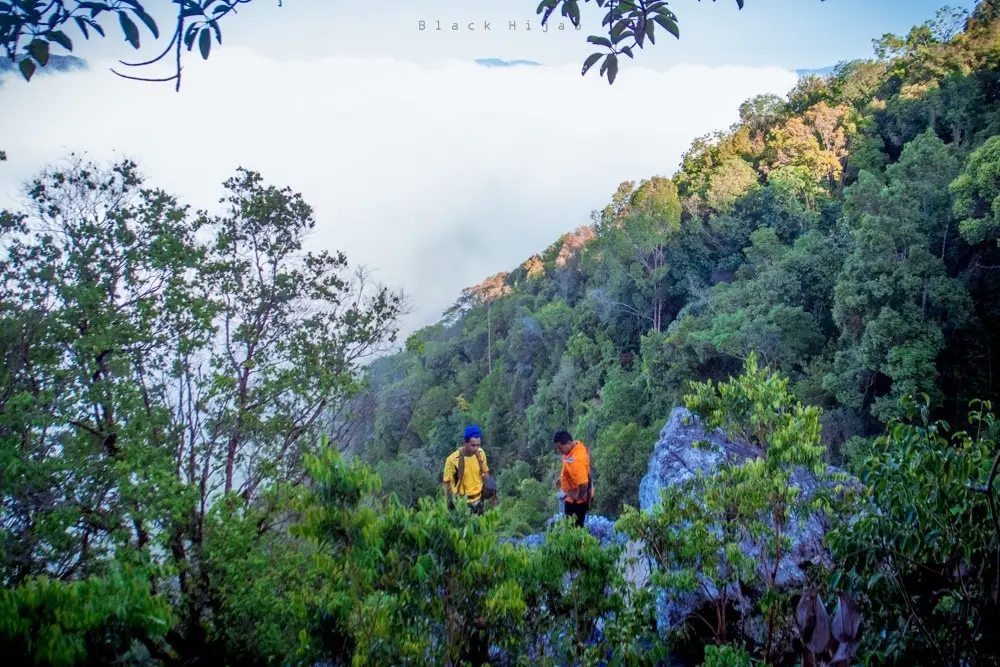
Open Days: Open For Nature Study By Advance Permission And Official Conditions
Opening Hours: Access Time And Boat Services Depend On Local Operators, Weather Conditions, And Official Permission
Hala-Bala Forest, spanning parts of Yala and Narathiwat provinces in southern Thailand, is one of the most important tropical rainforest landscapes in the lower South. It is widely recognized as a rich Thai–Malaysian border forest with steep mountains, humid evergreen forest, watershed systems, rare plants, and protected wildlife. The official conservation area is Hala-Bala Wildlife Sanctuary, made up of two separate forest sectors: Hala Forest, associated with Betong District in Yala Province and nearby areas, and Bala Forest, associated with Waeng and Sukhirin districts in Narathiwat Province. Although the two areas are commonly referred to together as Hala-Bala, they are not one continuous block of forest. They are protected under the same wildlife sanctuary because of their ecological value and shared conservation importance.
The original information places Hala-Bala in Aiyerweng Subdistrict, Betong District, Yala Province, and this is especially useful for travel writing from the Yala and Betong perspective. Aiyerweng and Betong act as important gateways for visitors who want to experience the Hala side of the forest through mountains, mist, rivers, boat routes, viewpoints, and the Bang Lang reservoir landscape. However, Hala-Bala should not be treated like an ordinary open tourist park. It is a protected wildlife sanctuary with strict conservation rules. Direct nature study inside the sanctuary requires advance permission, coordination with officials, and respect for access conditions.
Hala-Bala Wildlife Sanctuary was officially designated in 1996 and is commonly described in tourism sources as covering about 270,725 rai. The area lies along the Sankalakhiri mountain range near the Thai–Malaysian border. Its terrain is mountainous and complex, with wet evergreen forest, hill evergreen forest, and a humid rainforest environment. This ecological setting makes the sanctuary an important watershed, a home for protected and reserved wildlife, and a habitat for many rare species. For naturalists and birdwatchers, Hala-Bala is especially memorable because of its hornbills.
The forest is a classic example of southern peninsular rainforest. It differs from dry deciduous or mixed deciduous forests found in other regions of Thailand. Hala-Bala has multiple forest canopy layers, tall trees, vines, epiphytes, ferns, medicinal plants, and many rare tropical species. The ground is humid, the forest structure is dense, and the soundscape of insects, birds, and wildlife is part of the experience. The value of this forest is not only tourism. It also regulates water, protects soil, supports local climate stability, and preserves genetic diversity of plants and animals.
Hornbills are the most powerful symbol of Hala-Bala. These large birds need mature forest with large trees and natural nesting cavities. The presence of many hornbill species in one forest landscape indicates that the ecosystem still has the structural complexity and food resources required by wide-ranging wildlife. Hornbills recorded or commonly associated with the area include rhinoceros hornbills, great hornbills, black hornbills, bushy-crested hornbills, wreathed hornbills, white-crowned hornbills, oriental pied hornbills, helmeted hornbills, and other important species. Seeing a hornbill fly above the canopy or perch on a tall tree is one of the most memorable experiences connected with Hala-Bala.
Besides hornbills, the forest supports many rare and ecologically important animals, including wild elephants, gaur, wild boar, serow, tapir, otters, monkeys, langurs, agile gibbons, and siamang, the large black gibbon associated with the Sundaic rainforest region. Conservation records and local descriptions also mention rare species such as the Sumatran rhinoceros in historical contexts. Visitors should understand that seeing large wildlife is never guaranteed. Most animals live deep in the forest and avoid humans. The value of the journey lies in recognizing the ecosystem rather than expecting every species to appear.
The plant life of Hala-Bala is equally important. Saya trees are among the key forest trees and are significant for hornbill nesting. Yuan trees are tall tropical hardwoods found in southern rainforest. Giant sampong or kapong trees develop large buttress roots that help support their trunks in wet forest environments. Other notable plants include palms, ancient ferns, ant plants, golden-leaf plants, rafflesia, and many local rainforest species. Visitors who study the forest carefully will see that the beauty of Hala-Bala lies not only in animals, but also in trunks, roots, leaves, flowers, canopy structure, and the relationships among living things.
Travel routes connected with Hala-Bala should be clearly separated into direct sanctuary access and indirect forest-viewing experiences. Official tourism information often notes that the Bala sector on the Narathiwat side is the area more commonly opened for public nature study, using the security road, Highway 4062, from Ban Buketa in Waeng District toward Ban Phu Khao Thong in Sukhirin District. On the Yala side, travelers usually experience Hala Forest through Aiyerweng, Betong, Bang Lang Dam, Hala-Bala Lake, viewpoints, bridges, and boat trips across the reservoir edge of the forest.
Boat trips on Bang Lang Reservoir are one of the clearest ways for visitors to experience the Hala landscape from Yala. Bang Lang Dam blocks the Pattani River and creates a broad reservoir surrounded by mountains and rainforest. Travelers can take boats or rafts to see the Hala forest scenery, islands, streams, waterfalls, and green ridges reflected on the water. This route offers a different perspective from walking in the forest. It allows visitors to see the forest from water level, observe riverside vegetation, watch birds crossing open water, and experience the stillness of the lake.
Important places connected with Hala-Bala on the Yala side include Bang Lang Dam, Hala-Bala Lake, To Ku Chae Bridge, the Aiyerweng route, and Betong’s mountain attractions. To Ku Chae Bridge is a useful viewpoint for travelers driving between Yala town and Betong. It offers a broad view of the reservoir, forested mountains, and sky, making it a convenient stop for photography and rest. Travelers who want a deeper experience can arrange a boat trip from available piers or operators in the Bang Lang Dam area, but advance checking is recommended because services may depend on weather and water conditions.
Hala-Bala is best understood as an ecotourism destination. It is not suitable for noisy or careless travel. Visitors should move quietly, observe carefully, follow rules, and respect the fact that the forest is a wildlife habitat. Seeing wildlife depends on time, silence, season, weather, and luck. Even when no large animal appears, the forest itself, its trees, bird calls, water, and mountain atmosphere provide the main value of the journey.
The best period depends on the activity. For formal nature study in the Bala sector, tourism information commonly recommends the period from late February to September, when rainfall is not excessively heavy. For boat trips on Bang Lang Reservoir, travelers should check weather, water levels, and operator schedules before departure. Mountain and reservoir areas in southern Thailand can be affected by rain, wind, and changing visibility. Morning and late afternoon are usually better for landscape photography, especially around the reservoir and bridge viewpoints.
Preparation should be more serious than for a normal city attraction. Useful items include good walking shoes, breathable clothing, a rain jacket, drinking water, personal medication, waterproof bags for phones or cameras, binoculars, and a bag for carrying waste back out. Boat passengers should wear life jackets throughout the trip, listen to the boat operator, avoid leaning outside the boat, and never throw anything into the water. Visitors entering nature-study routes should stay with officials or local guides, remain on designated paths, avoid collecting plants, avoid touching wildlife, and keep noise low.
A key safety and conservation point is that Hala-Bala is a sensitive wildlife sanctuary. Anyone who wants direct access for nature study must request permission in advance. The sanctuary is not a place for casual overnight stays inside the forest. Overnight visitors should choose legal accommodation outside the protected core, such as hotels, homestays, local lodges, camping areas outside the sanctuary, or accommodation around Betong, Aiyerweng, Tano Maero, and Bang Lang Dam. Following the rules protects both visitors and wildlife.
For travelers staying in Betong, Hala-Bala can be combined with several natural attractions. A full-day nature route can begin with Aiyerweng Sea of Mist or Aiyerweng Skywalk in the early morning, continue to Aiyerweng rafting or Chalerm Phrakiat Rama IX Waterfall, and then include a Bang Lang reservoir viewpoint or boat route if time and conditions allow. With more time, the trip can include Piyamit Tunnel, the Winter Flower Garden, Betong Hot Springs, and the southernmost point of Thailand. This gives travelers a complete view of Betong through forest, mountains, history, food, and border identity.
From Yala town to Betong, Highway 410 is the main mountain route. It passes through Bannang Sata, Than To, Aiyerweng, and Betong, with reservoir views and forested ridges along the way. Stopping at To Ku Chae Bridge or other reservoir viewpoints is useful for travelers with limited time. Those who plan to take a boat should allow at least half a day and contact an operator before arrival. Weather, water levels, and local service availability should always be checked before confirming the trip.
Food and accommodation should be planned according to the chosen route. Around Aiyerweng, cafés and local operators serve travelers visiting viewpoints and outdoor activities. In Betong town, restaurants are more varied and convenient for full meals after nature trips. Betong is known for dishes such as Betong chicken, kau yuk, stir-fried watercress, Betong noodles, dim sum, jee chong fun, and Betong grass jelly. Accommodation ranges from hotels in Betong town to homestays, camping-style stays, and lodges near mountain viewpoints. Around Bang Lang Dam, visitors should check accommodation availability in advance because options are more limited than in Betong town.
The reason Hala-Bala deserves a place in a southern Thailand itinerary is not only its scenery. It helps visitors understand that the lower South still preserves a large rainforest landscape that serves as a wildlife home, watershed forest, biodiversity corridor, and outdoor classroom for conservation. The forest reminds travelers that healthy nature is not automatic. It requires rangers, local communities, responsible visitors, and public agencies working together to protect it.
Getting There to the Yala-side Hala-Bala experience generally means traveling toward Aiyerweng Subdistrict, Betong District, or the Bang Lang Dam area, depending on the selected activity. From Yala town, take Highway 410 toward Bannang Sata, Than To, Aiyerweng, and Betong. Along the way, travelers can stop at reservoir viewpoints such as To Ku Chae Bridge. For boat trips on Bang Lang Reservoir, contact the local operator or area service provider in advance. For direct nature study inside Hala-Bala Wildlife Sanctuary, submit a permission request and coordinate with sanctuary officials before traveling.
Overall, Hala-Bala Forest is much more than a tourist attraction. It is a living rainforest landscape of mountains, water, wildlife, rare plants, hornbills, local communities, and protected ecological value. Visitors who come with the right understanding will take away more than photographs. They will understand why hornbills matter, why watershed forests must be protected, and why tourism in sensitive natural areas requires discipline. Hala-Bala is best suited to travelers who want to see the deeper natural identity of southern Thailand and are willing to help preserve it through responsible travel.
| Name | Hala-Bala Forest / Hala-Bala Wildlife Sanctuary |
| Location | Across Yala And Narathiwat Provinces; Hala Forest Is Associated With Betong District, Yala Province, While Bala Forest Is Associated With Waeng And Sukhirin Districts, Narathiwat Province |
| Nature Study Contact Address | Hala-Bala Wildlife Sanctuary, P.O. Box 3, Waeng District, Narathiwat Province 96160 / Ban Bala Office, Moo 5, Lo Chut Subdistrict, Waeng District, Narathiwat 96160, Thailand |
| Reference Coordinates Of Hala Sector | 5.9500, 101.5000 |
| Reference Coordinates Of Bala Sector | 5.8333, 101.8167 |
| Area | About 270,725 Rai According To Common Tourism Information For Hala-Bala Wildlife Sanctuary |
| Highlights | Thai–Malaysian Border Rainforest, Mountain Watersheds, Hornbill Habitat, Rare Wildlife, Rare Southern Rainforest Plants, And Boat Trips Viewing Hala Forest Above Bang Lang Dam |
| History / Importance | Officially Designated As A Wildlife Sanctuary In 1996 And Recognized As One Of The Lower South’s Important Rainforest Conservation Landscapes Along The Sankalakhiri Mountain Range |
| Name Origin | Hala And Bala Refer To Two Forest Sectors Protected Under The Same Wildlife Sanctuary; Local Usage May Also Reverse The Name As Bala-Hala |
| Distinctive Features | Wet Tropical Rainforest With Multi-Layered Canopy, High Humidity, Large Trees, Rare Plants, Diverse Wildlife, And Hornbills As Indicators Of Forest Health |
| Important Wildlife | Several Hornbill Species, Wild Elephants, Gaur, Wild Boar, Serow, Tapir, Agile Gibbon, Siamang, Giant River Frog, And Other Rare Rainforest Wildlife |
| Important Plants | Saya Trees, Yuan Trees, Giant Sampong Or Kapong Trees, Palms, Ancient Ferns, Ant Plants, Golden-Leaf Plants, Rafflesia, And Other Southern Rainforest Species |
| Travel Information | The Yala-side route follows Highway 410 toward Bannang Sata, Than To, Aiyerweng, And Betong For Hala Forest Views, Bang Lang Reservoir, And Nearby Nature Routes. Formal Nature Study On The Bala Side Uses The Ban Buketa Route In Waeng District And Highway 4062. |
| Current Status | Active Wildlife Sanctuary Under Official Conservation Management; Direct Entry For Nature Study Requires Advance Permission |
| Open Days | Open For Nature Study By Advance Permission And Official Conditions |
| Opening Hours | Access Time Depends On The Managing Authority, Tour Operator Schedule, Weather Conditions, And Safety Measures |
| Related Service Fee | Boat Or Raft Service For Viewing Hala Forest Above Bang Lang Dam Is Referenced At 500 Baht For The First Hour And 400 Baht For Each Following Hour |
| Facilities | Official Contact Points, Nature Study Access In Selected Areas, The Bala-Side Security Road, Wildlife Observation Points, Viewpoints, Phu Khao Thong Ranger Unit, And Local Boat Services Around Bang Lang Dam |
| Main Areas / Zones | Hala Sector In Yala, Bala Sector In Narathiwat, Highway 4062, Wildlife Observation Point, Phu Khao Thong Ranger Unit, Giant Sampong Tree, Sirindhorn Waterfall, Bang Lang Dam, Hala-Bala Lake, And Aiyerweng Route |
| Caretaker / Main Authority | Hala-Bala Wildlife Sanctuary, Department Of National Parks, Wildlife And Plant Conservation / Protected Area Regional Office 6, Pattani Branch |
| Verified Contact Numbers Found | Hala-Bala Wildlife Sanctuary Office, Tel. 073-519-0202 / 087-276-2351 / Protected Area Regional Office 6 Pattani Branch, Tel. 073-336-290-3 / Aiyerweng Subdistrict Administrative Organization, Tel. 0-7329-9539 |
| Nearby Tourist Attractions | 1. Aiyerweng Sea Of Mist And Skywalk, About 4 Km 2. Aiyerweng Rafting, About 4 Km 3. Chalerm Phrakiat Rama IX Waterfall, About 3 Km 4. Gunung Silipat Sea Of Mist, About 7 Km 5. Piyamit Tunnel, About 18 Km 6. To Ku Chae Bridge And Bang Lang Reservoir, About 30 Km 7. Bang Lang Dam, About 58 Km From Yala Town |
| Nearby Restaurants | 1. Aiyerweng Coffee House, About 5 Km, Tel. 065-970-1982 2. K.M.50 Coffee, About 8 Km, Tel. 094-825-6559 3. Ban Khun Chai Betong, About 21 Km, Tel. 084-692-8074 4. Ta Yern (Kitti), About 21 Km, Tel. 073-230-461 5. Thai Si Hee Dim Sum, About 21 Km, Tel. 073-230-459 6. Baiyok Restaurant, About 21 Km, Tel. 086-964-4692 |
| Nearby Accommodations | 1. Ban Bae-Ar Near Aiyerweng Sea Of Mist, About 1 Km, Tel. 093-691-9583, 087-287-8272, 073-299-729 2. Rhimtarn The Camping Resort, About 5 Km, Tel. 080-709-3891 3. Punapa Gunung Silipat, About 16 Km, Tel. 081-093-3124 4. Grand Mandarin Betong Hotel, About 21 Km, Tel. 073-235-777 5. Betong Merlin Hotel, About 21 Km, Tel. 073-230-222 6. Garden View Betong Hotel, About 21 Km, Tel. 073-235881-4, 086-488-7190 |
Frequently Asked Questions (FAQ)
Q: Where Is Hala-Bala Forest Located?
A: Hala-Bala Forest spans parts of Yala and Narathiwat provinces. The Hala sector is associated with Betong District in Yala Province, while the Bala sector is associated with Waeng and Sukhirin districts in Narathiwat Province.
Q: What Is Hala-Bala Famous For?
A: It is famous for its Thai–Malaysian border rainforest, mountain watersheds, rare wildlife, tropical plants, and many hornbill species that indicate the health of the forest.
Q: Can Visitors Enter Every Part Of Hala-Bala?
A: No. Hala-Bala is a protected wildlife sanctuary. Direct entry for nature study requires advance permission and must follow official instructions.
Q: Can Visitors Take A Boat Trip To See Hala-Bala Forest?
A: Yes. Boat or raft trips around Bang Lang Reservoir allow visitors to view the Hala forest landscape, reservoir scenery, islands, streams, and surrounding mountains. Schedules, prices, and conditions should be checked before traveling.
Q: Why Are Hornbills Important In Hala-Bala?
A: Hornbills depend on mature forest with large trees and natural nesting cavities. Their presence shows that the forest still supports a complex and healthy ecosystem.
Q: When Is The Best Time To Visit?
A: Late February to September is commonly recommended for nature study because rainfall is usually not excessively heavy. For boat trips and viewpoints, visitors should check weather and local service conditions before departure.
Q: What Should Visitors Prepare?
A: Good walking shoes, breathable clothing, rain protection, drinking water, personal medication, waterproof bags, binoculars, and a waste bag are recommended. Boat passengers should wear life jackets at all times.
Q: What Nearby Places Can Be Combined With Hala-Bala?
A: Nearby and connected routes include Aiyerweng Sea Of Mist, Aiyerweng Skywalk, Aiyerweng Rafting, Chalerm Phrakiat Rama IX Waterfall, Bang Lang Dam, Piyamit Tunnel, and Betong town.
 Category: ●Nature and Wildlife
 Group: ●Other natural attractions
Last Update : 1 WeekAgo
 Last Update : 1 WeekAgo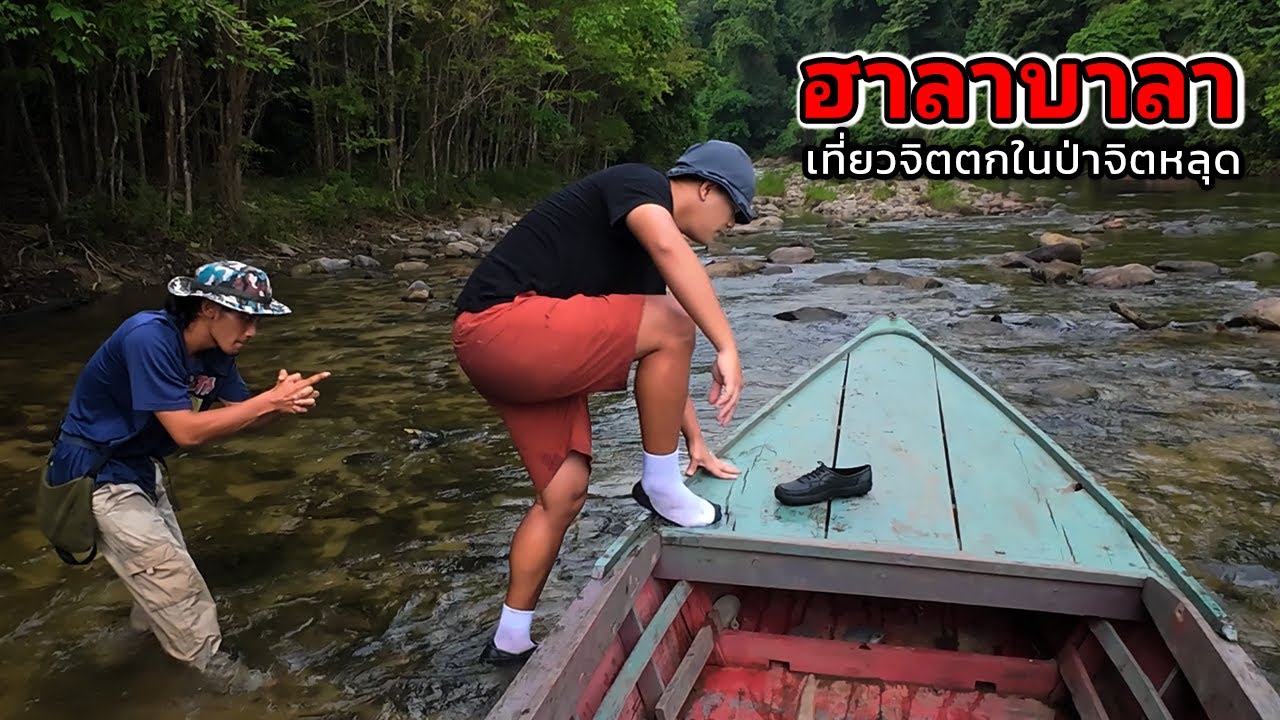
 Click to Access the Navigation Map GPS
 Art, Culture and Heritage
 Landmarks and Memorials(1)
 Art, Craft Centres, Tradition(2)
 Museums(2)
 Educational Places
 Educational Gardens, Farm(1)
 Places of Worship
 Temple(6)
 Mosque(2)
 Other Sacred Sites(3)
 Suburban Living
 Village, Community(4)
 National Parks and Marine Reserves(2)
 Mountain (Doi)(5)
 Dam, Reservoir, Lake(5)
 Waterfalls(13)
 Hot Springs(2)
 Caves(7)
 River, Canal(4)
 Islands(1)
Other natural attractions(8)
Islands(1)
Other natural attractions(8)
 Entertainment and Agricultural
 Stadium(1)
 Farms, Parks and Ecotourism(4)
 Outdoor and Adventure Activities(1)
 Travel Articles, Recipes
 Travel Review, Food Review(2)


