
lovethailand home >South Travel Attractions >Surat Thani Travel Attractions >Chai Ya >Lamet > Wat Than Nam Lai
TL;DR: Wat Than Nam Lai is located at Khao Phut Thong, Ban Khao Phut Thong, Moo 6, Lamet Subdistrict, Chaiya District, Surat Thani Province, Thailand, open Daily, hours Suan Mokkh Grounds 07.00 – 17.00; General Visitor And Museum Areas 08.00 – 17.00.
Wat Than Nam Lai
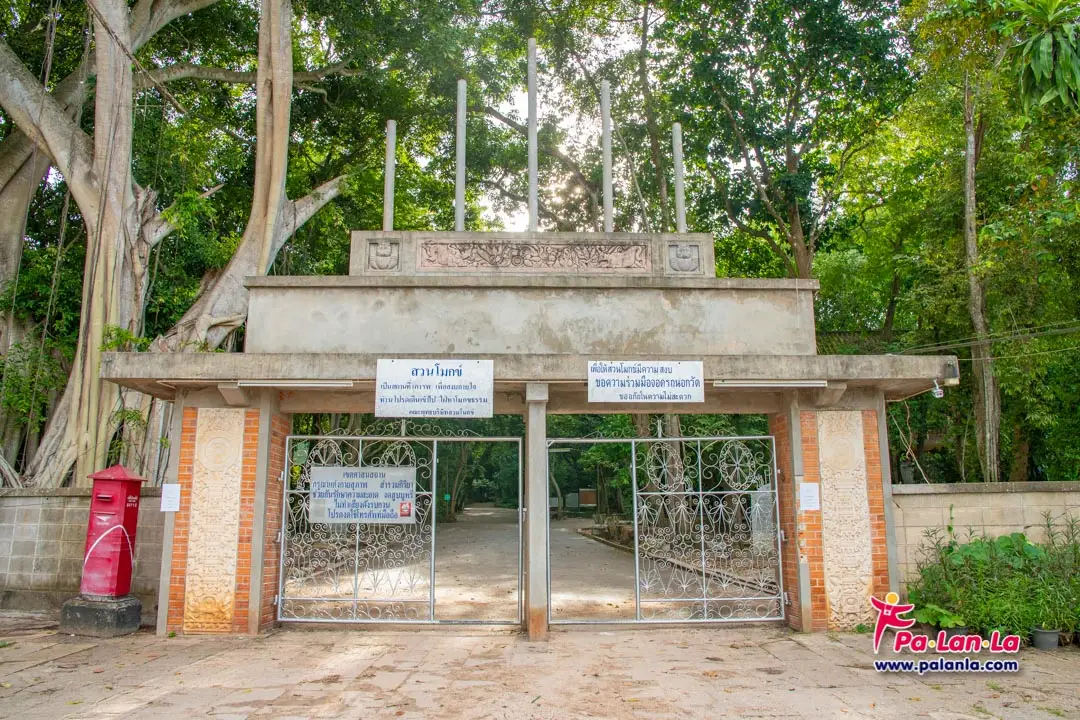
Open Days: Daily
Opening Hours: Suan Mokkh Grounds 07.00 – 17.00; General Visitor And Museum Areas 08.00 – 17.00
Suan Mokkhaphalaram, officially known as Wat Than Nam Lai, is one of Thailand’s most influential Buddhist forest monasteries and meditation centers. Located at Khao Phut Thong, beside Highway 41 around kilometer marker 134 in Lamet Subdistrict, Chaiya District, Surat Thani Province, the monastery is closely associated with Buddhadasa Bhikkhu, one of the most important Thai Buddhist thinkers of the modern era. The name Suan Mokkh is commonly understood as the “Garden of Liberation,” reflecting its purpose as a forest setting for Dhamma study, meditation, simplicity, and inner freedom.
The origins of Suan Mokkh go back to 1932, when Buddhadasa Bhikkhu began his first forest Dhamma center near Phumriang in Chaiya. He wanted a quiet place to study and practice according to the path of the arahants, away from excessive ritualism and unnecessary complication. The present site at Khao Phut Thong was later developed as Wat Than Nam Lai, or Suan Mokkhaphalaram, in 1959. Today, the monastery is both an active temple and a major center for Buddhist education, meditation, and contemplative travel.
Suan Mokkh is important because it does not present Buddhism mainly through grand decoration or monumental architecture. Instead, it uses nature, simplicity, silence, images, poetry, and direct reflection as teaching tools. Visitors walk through shaded paths, old trees, quiet courtyards, Dhamma signs, and contemplative buildings. The atmosphere encourages slowing down, observing the mind, and considering the Buddha’s teachings in a direct and practical way.
One of the most important places inside Suan Mokkh is the Spiritual Theatre. This building presents Buddhist teaching through paintings, poems, symbolic images, Dhamma messages, scenes from the Buddha’s life, and reproductions based on ancient Buddhist reliefs from India. The idea is to use visual art as a form of Dhamma communication. Visitors do not merely read doctrine; they encounter images and words that invite reflection on suffering, attachment, liberation, and the nature of life.
The Spiritual Theatre shows Buddhadasa Bhikkhu’s ability to make Dhamma accessible to many kinds of people. Whether a visitor is a monk, student, scholar, traveler, or casual observer, the visual teachings can be understood at several levels. The images are not simply decorative. They function as tools for contemplation, helping visitors question their assumptions about self, desire, fear, and peace.
Other important areas include Lan Hin Khong, or the curved stone courtyard, used for Dhamma talks and communal activities in a natural setting; Sala Thammakhosana, connected with the preservation of Buddhadasa’s teachings; Sa Nalike, a symbolic pond; the natural ordination area on Khao Phut Thong; Suwan Banphot Tathagata Dhammika Stupa; and the boat-shaped Dhamma Wari Nava structures. Each area reflects Suan Mokkh’s method of using place, symbol, and environment as part of Buddhist learning.
The boat-shaped buildings are especially meaningful. A boat is used as a metaphor for crossing from suffering to freedom, from confusion to wisdom, and from spiritual drift to clarity. In this sense, the structures are not merely unusual architecture; they are Dhamma lessons in physical form. Suan Mokkh repeatedly uses this kind of symbolic environment to encourage learning through experience rather than abstract theory alone.
Suan Mokkh is deeply connected with Buddhadasa Bhikkhu’s approach to Buddhism. His teaching emphasized returning to the heart of the Buddha’s message: understanding suffering, seeing the causes of suffering, realizing the possibility of liberation, and practicing the path that leads to freedom. He explained Dhamma in direct, practical language and encouraged people to apply it in everyday life, not merely to preserve it as ritual or belief.
The physical environment of Suan Mokkh supports this approach. The forest, rocks, ponds, open spaces, and simple buildings help visitors reduce distraction. Walking slowly through the grounds can become a quiet form of practice. The monastery invites people to notice their own thoughts and reactions while surrounded by a calm natural setting. This is one reason Suan Mokkh remains meaningful even for visitors who do not join a formal retreat.
Suan Mokkh is internationally known for meditation training, especially through the Suan Mokkh International Dharma Hermitage located across the highway from the main monastery. English-language 10-day silent meditation retreats start on the first day of each month. Registration must be done in person on the last day of the previous month, and advance booking is not possible. The practice emphasizes mindfulness with breathing, combining concentration and vipassana meditation.
For Thai practitioners, regular meditation training has traditionally been offered in monthly cycles around the 20th to 27th of each month through Suan Mokkh and its Dhamma network. The focus is also on Dhamma study and mindfulness with breathing. Visitors interested in joining a retreat should always check current requirements before traveling, as retreat rules, registration procedures, and participation conditions are more specific than ordinary sightseeing.
Visitors who do not join a retreat can still have a valuable experience. A meaningful visit can include walking through the shaded grounds, viewing the Spiritual Theatre, reading Dhamma messages, visiting Lan Hin Khong, paying respect at important areas, and learning about Buddhadasa Bhikkhu’s life and work. A basic visit should allow at least one to two hours, while those who want to read and reflect more deeply may need longer.
Suwan Banphot Tathagata Dhammika Stupa is another important feature within the monastery. It is associated with the enshrinement of relics and hair of Buddhadasa Bhikkhu and serves as a place of respect for those who value his life and teaching. This area adds a memorial dimension to Suan Mokkh, allowing visitors to connect the teachings, the place, and the teacher who shaped them.
The surrounding landscape also contributes to the experience. Suan Mokkh lies at Khao Phut Thong, and nearby is Khao Phut Thong Arboretum, a green area that preserves valuable plant species. This natural environment reinforces the identity of Suan Mokkh as a forest monastery where nature is part of spiritual education. The trees, shade, and open spaces are not background scenery; they are part of the practice atmosphere.
Historically, Suan Mokkh has played a major role in modern Thai Buddhism. Buddhadasa Bhikkhu’s teachings influenced monks, lay practitioners, scholars, social thinkers, educators, and international visitors. His works, talks, books, and symbolic teaching methods continue to shape Buddhist study and practice. The monastery therefore holds importance not only as a local temple in Chaiya, but also as a site of national and international Buddhist influence.
For serious practitioners, Suan Mokkh requires more than casual interest. The 10-day retreat at the International Dharma Hermitage has clear rules: participants must attend for the full course, register in person, follow the daily schedule, live simply, and give up phones and electronic devices during the retreat. The conditions are intentionally simple and disciplined, reflecting the motto often associated with Buddhadasa Bhikkhu: live plainly, aim high.
Getting There is convenient because Suan Mokkh is located beside Highway 41, the main southern highway. From Surat Thani city, travel north toward Chaiya District and look for the monastery around kilometer marker 134 near Khao Phut Thong. Travelers by train can get off at Chaiya Railway Station and continue by local transport. The site can be combined easily with other Chaiya attractions in a half-day or full-day cultural route.
Nearby places include Wat Phra Borommathat Chaiya Ratchaworawihan, Chaiya National Museum, Wat Rattanaram or Wat Kaeo, Wat Long, Phumriang community, Laem Pho, and Khao Phut Thong Arboretum. This route helps visitors understand Chaiya through several layers: Srivijaya history, local Buddhist culture, Buddhadasa Bhikkhu’s modern Dhamma movement, old communities, and natural landscape.
Visitors should dress modestly, speak quietly, avoid playing music, avoid disturbing meditators, and take photographs respectfully. This is not a place designed for entertainment. It is a working monastery and meditation environment, so quiet conduct is part of the visit. Respecting the atmosphere is also a way of participating in the Dhamma practice that the place was created to support.
Suan Mokkhaphalaram reveals a deeper side of Surat Thani. The province is often known for islands, beaches, and natural attractions, but Suan Mokkh shows its spiritual and intellectual depth. Walking through the forest monastery, viewing the Spiritual Theatre, reading Buddhadasa’s teachings, and sitting quietly under the trees can turn a simple visit into a meaningful pause. For travelers seeking more than sightseeing, Suan Mokkh is one of the most important Buddhist destinations in southern Thailand.
| Name | Suan Mokkhaphalaram / Wat Than Nam Lai |
| Location | Khao Phut Thong, Ban Khao Phut Thong, Moo 6, Lamet Subdistrict, Chaiya District, Surat Thani Province, Thailand |
| Address | 68/1 Moo 6, beside Highway 41 around kilometer marker 134, Lamet Subdistrict, Chaiya District, Surat Thani 84110, Thailand |
| Coordinates | 9.35916, 99.17144 |
| Highlights | Forest monastery founded by Buddhadasa Bhikkhu, Spiritual Theatre, Lan Hin Khong, Sala Thammakhosana, Sa Nalike, natural ordination area, Suwan Banphot Tathagata Dhammika Stupa, and shaded Dhamma-learning grounds |
| History | Suan Mokkh began in 1932 near Phumriang under Buddhadasa Bhikkhu. The present Khao Phut Thong site was developed as Wat Than Nam Lai or Suan Mokkhaphalaram in 1959 |
| Temple Status | Local monastery and major meditation center in Chaiya District; royal consecrated boundary granted on 10 July 1972 |
| Name Origin | Suan Mokkhaphalaram means a forest garden that gives the strength for liberation, combining the meanings of liberation, strength, and a peaceful grove |
| Important Sacred And Learning Areas | Spiritual Theatre, Lan Hin Khong, Sala Thammakhosana, Sa Nalike, Dhamma Wari Nava boat-shaped buildings, natural ordination area, Suwan Banphot Tathagata Dhammika Stupa, library and Dhamma study areas |
| Main Areas / Zones | Wat Than Nam Lai Area, Forest Walking Area, Spiritual Theatre, Lan Hin Khong, Sala Thammakhosana, Suwan Banphot Stupa, Meditation Area, Monks’ Residences, Information Area, Parking Area |
| Area | About 375 rai |
| Founder / Important Figure | Buddhadasa Bhikkhu |
| Current Abbot | Phra Ratchawachara Phothikhun (Pho Chantasaro) |
| Main Activities | Dhamma practice, mindfulness with breathing, meditation training, Dhamma study through the Spiritual Theatre, Come Back Home day, and activities in the Suan Mokkh Dhamma network |
| Retreat Schedule | English-language 10-day silent retreats at the International Dharma Hermitage start on the 1st of each month, with in-person registration on the last day of the previous month; Thai retreats generally run around the 20th–27th of each month |
| Current Status | Open for worship, Dhamma study, visits to the Spiritual Theatre, walking meditation, self-practice, and meditation programs according to monastery rules |
| Open Days | Daily |
| Opening Hours | Suan Mokkh Grounds 07.00 – 17.00; General Visitor And Museum Areas 08.00 – 17.00 |
| Admission Fee | Free admission to the monastery grounds; the 10-day retreat at the International Dharma Hermitage has a registration fee according to the retreat announcement |
| Main Contact Number | 077-431-552, 077-431-597, 077-431-661, 086-090-3296 |
| Travel Information | From Surat Thani city, take Highway 41 toward Chaiya District. Suan Mokkh is beside the highway around kilometer marker 134. Visitors can also travel by train to Chaiya Railway Station and continue by local transport |
| Nearby Tourist Attractions | 1. Khao Phut Thong Arboretum, about 1 km 2. Suan Mokkh International Dharma Hermitage, about 2 km 3. Wat Phra Borommathat Chaiya Ratchaworawihan, about 4 km 4. Chaiya National Museum, about 4 km 5. Wat Rattanaram / Wat Kaeo, about 5 km 6. Wat Long, about 5 km |
| Nearby Restaurants | 1. Phuean Doen Thang Restaurant, about 1 km 2. Krua Chaiya, about 2 km, Tel. 086-316-8888 3. Krua Phi Yoon Chaiya, about 5 km, Tel. 084-625-9929 4. Sabiang Chaiya, about 6 km, Tel. 093-357-3753 5. Baan Phak Wan Cafe & Restaurant, about 6 km, Tel. 063-242-6595, 077-431-500 6. Krua Manorom, about 6 km, Tel. 095-418-9515 |
| Nearby Accommodations | 1. Maruay Resort Chaiya, about 1 km, Tel. 093-661-5693 2. Phuean Doen Thang Resort, about 1 km, Tel. 098-010-6559 3. Happy House Resort, about 1 km, Tel. 086-685-9459 4. Baan Suan Palm Resort Chaiya, about 3 km 5. Suwan Wan Resort, about 5 km, Tel. 077-310-393 6. JP Place, about 6 km, Tel. 096-296-4246 |
Frequently Asked Questions (FAQ)
Q: Where is Suan Mokkhaphalaram located?
A: Suan Mokkhaphalaram is located at 68/1 Moo 6, Ban Khao Phut Thong, Lamet Subdistrict, Chaiya District, Surat Thani Province, beside Highway 41 around kilometer marker 134.
Q: What are the opening days and hours of Suan Mokkh?
A: Suan Mokkh is open daily. The main grounds are open from 07.00 to 17.00, while general visitor and museum areas are generally open from 08.00 to 17.00.
Q: Is there an admission fee at Suan Mokkh?
A: The monastery grounds are free to enter. Some retreat programs have separate registration conditions and fees according to current retreat announcements.
Q: What is Suan Mokkh best known for?
A: Suan Mokkh is best known as the forest monastery of Buddhadasa Bhikkhu, with the Spiritual Theatre, Lan Hin Khong, Sala Thammakhosana, meditation areas, Dhamma learning spaces, and a peaceful forest atmosphere.
Q: What kind of visit is Suan Mokkh suitable for?
A: It is suitable for Dhamma study, meditation, quiet reflection, learning about Buddhadasa Bhikkhu, walking in a forest monastery, and cultural travel in Chaiya.
Q: Are there meditation retreats for international visitors?
A: Yes. English-language 10-day silent retreats at the International Dharma Hermitage start on the 1st of each month, with in-person registration on the last day of the previous month.
Q: How can visitors get to Suan Mokkh?
A: From Surat Thani city, take Highway 41 toward Chaiya District and look for the monastery around kilometer marker 134. Visitors can also take a train to Chaiya Railway Station and continue by local transport.
Q: What nearby places can be visited with Suan Mokkh?
A: Nearby places include Khao Phut Thong Arboretum, Suan Mokkh International Dharma Hermitage, Wat Phra Borommathat Chaiya, Chaiya National Museum, Wat Rattanaram, and Wat Long.
Website : www.suanmokkh.org
 Website :
 Tel : 077431552, 077431597
 Tel : 077431552, 077431597
 Category: ●Places of Worship
 Group: ●Temple
Last Update : 3 WeekAgo
 Last Update : 3 WeekAgo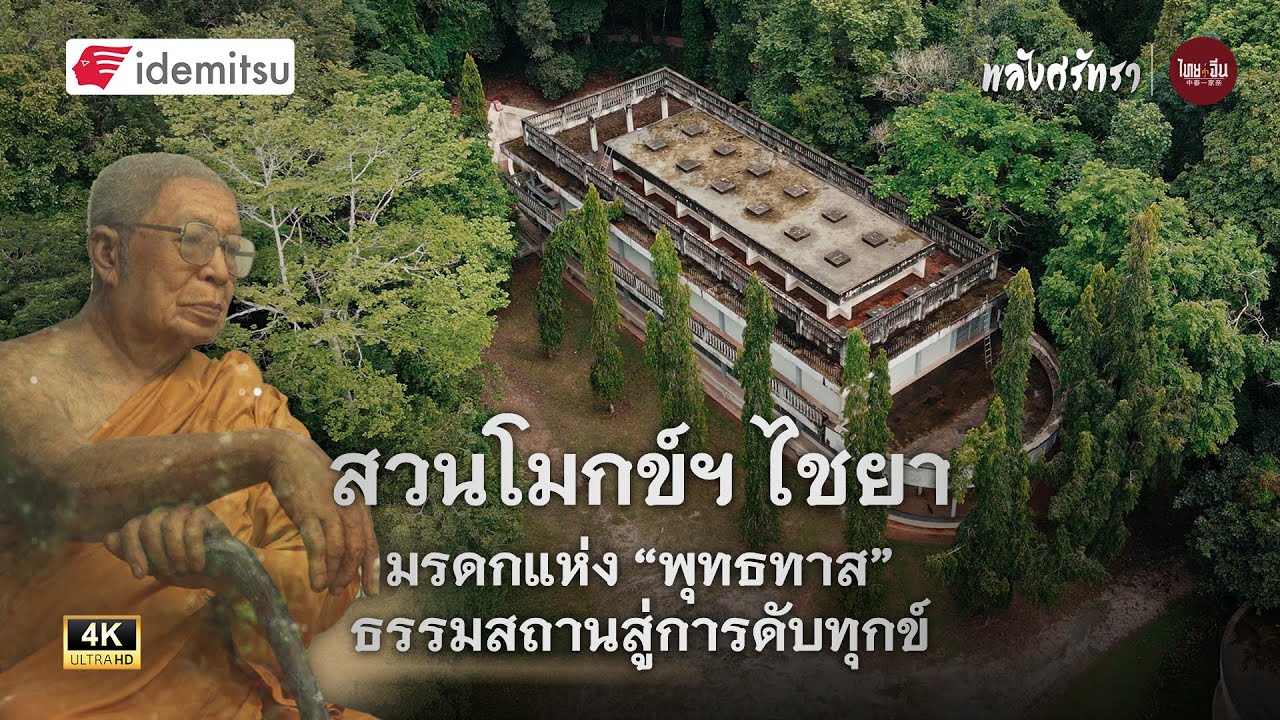
 Click to Access the Navigation Map GPS
Wat Than Nam Lai Map
Recommend

 Art, Culture and Heritage
 Landmarks and Memorials(1)
 Art, Craft Centres, Tradition(8)
 Museums(5)
 Educational Places
 Educational Gardens, Farm(1)
Temple(32)
Educational Gardens, Farm(1)
Temple(32)
 Other Sacred Sites(8)
 Research and Development
 Royal Project(1)
 Suburban Living
 Village, Community(6)
 Local Market(1)
 Nature and Wildlife
 National Parks and Marine Reserves(8)
 Mountain (Doi)(2)
 Dam, Reservoir, Lake(8)
 Waterfalls(34)
 Hot Springs(7)
 Caves(18)
 River, Canal(11)
 Bays and Beaches(30)
 Islands(16)
 Other natural attractions(10)
 Entertainment and Agricultural
 Animal camps and shows(6)
 Farms, Parks and Ecotourism(7)
 Outdoor and Adventure Activities(2)
 Shopping
 Shopping and Night Market(1)
 Travel Articles, Recipes
 Southern Food Menu, Southern Food Recipes(1)


