
TL;DR: Koh Yao, Phuket attractions : Nature and Wildlife, Islands.

Koh Yao
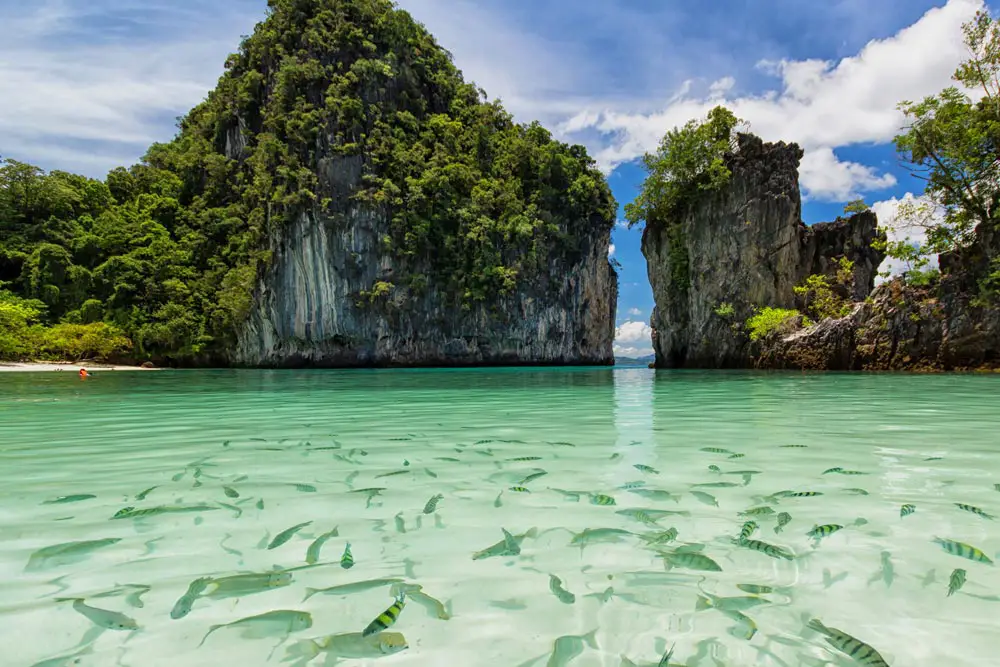
Open Days: Daily, Depending On Public Boat Schedules, Tour Services, And Sea Conditions
Opening Hours: Best Visited During Daylight Hours; Boat Schedules From Phuket Or Krabi Should Be Confirmed Before Departure
Koh Yao in Phang Nga Province is a group of islands in Phang Nga Bay between Phuket and Krabi. Its two main inhabited islands are Koh Yao Noi and Koh Yao Yai, surrounded by many smaller islands. The destination is known for quiet beaches, limestone-island views, Muslim island communities, local fishing, rice fields, rubber and coconut plantations, lobster cages, batik textiles, kayaking, cycling, and island-hopping trips to places such as Hong Islands, Koh Pak Bia, and Koh Lao Lading. It is best for slow, peaceful, community-oriented travel rather than nightlife or mass tourism.
Koh Yao refers to the island district of Koh Yao in Phang Nga Province. Although many travelers reach the islands from Phuket and often associate them with a Phuket itinerary, Koh Yao is officially part of Phang Nga. The islands sit in Phang Nga Bay between Phuket and the Krabi mainland, giving them a strategic location for travelers who want access to both sides of the Andaman coast without staying in the busiest tourist centers.
The Koh Yao area is built around two principal inhabited islands: Koh Yao Noi and Koh Yao Yai. Koh Yao Noi is the smaller island and serves as the administrative center of the district, while Koh Yao Yai is larger and more spacious. Around them are many smaller islands, beaches, mangrove areas, fishing grounds, and boat routes. This makes Koh Yao not a single beach destination but an island landscape where community life, nature, and sea travel are closely connected.
The appeal of Koh Yao is its calmness. It is not a destination defined by nightlife, shopping streets, or high-volume beach entertainment. Its strongest character comes from fishing villages, Muslim local culture, rice fields, rubber plantations, coconut groves, long-tail boats, lobster cages, quiet beaches, and views of limestone islands rising from Phang Nga Bay. Travelers who come here usually want a slower, more thoughtful form of island travel.
Koh Yao Noi is often the best starting point for first-time visitors because it has Manoh Pier, a good range of accommodation, restaurants, cafés, homestays, local tours, and community activities. Much of the island is hilly, with coastal plains and agricultural areas toward the east. Local livelihoods include fishing, rubber tapping, coconut growing, cashew cultivation, rice farming, and tourism services. The island is small enough to explore slowly but varied enough to reward travelers who stay for more than a single day.
Koh Yao Yai offers a wider, quieter island atmosphere. It is larger than Koh Yao Noi and feels less developed in many areas. The island is known for long beaches, rural coastal scenery, resorts set along the shore, and a calmer rhythm. Laem Had is one of its best-known natural landmarks, especially during low tide when a white sandbar stretches into the sea. Koh Yao Yai is suitable for travelers who want space, quiet beaches, and a stronger sense of retreat.
The total area of Koh Yao is reported differently depending on whether sources refer to the district, the main islands, or island-and-water coverage. Older tourism descriptions describe the area as about 137.6 square kilometers. Marine and coastal island data lists Koh Yao Noi at about 36.140 square kilometers and Koh Yao Yai at about 87.241 square kilometers. For travelers, the practical point is that Koh Yao should be planned as a multi-island area, not as a single small beach stop.
On Koh Yao Noi, one of the key beaches is Pa Sai Beach. From the Manoh Pier side and the district area, travelers can continue inland and eastward to reach this calm beach area. Pa Sai Beach is known for its long shoreline, sunrise view, and outlook toward surrounding islands such as Koh Pak Bia and the Hong Islands. The beach is not designed for loud entertainment; it is better for walking, resting, photography, and appreciating the limestone seascape of Phang Nga Bay.
North of Pa Sai Beach are Klong Chak Beach and Tha Khao Beach. These beaches have more rocks and a more natural shoreline character. They are not always the best beaches for long uninterrupted swimming, but they are excellent for scenery, quiet walking, and looking out across the bay. The view of limestone islands from this side of Koh Yao Noi is one of the reasons many travelers choose the island over more crowded beach destinations.
Ao Kian is another important natural site on Koh Yao Noi. Located toward the northern part of the island, it is a small curved bay with clear blue water, clean white sand, and surrounding hills and cliffs. Access is by boat, which helps preserve its quieter atmosphere. Travelers who want to visit Ao Kian should arrange a local boat and follow sea conditions, as this is not a normal roadside beach stop.
Community life is the heart of Koh Yao Noi. Most residents are Muslim, and the island maintains a strong local identity through religion, family networks, fishing, agriculture, and community organizations. Travelers can learn about rice farming, fishing tools, lobster cages, batik making, local food, boat life, and village customs. These experiences are valuable because they are based on real local livelihoods rather than activities invented only for tourism.
Community-based tourism on Koh Yao Noi has become an important model for responsible island travel. Local groups organize activities such as village tours, rice-field visits, fishing-life interpretation, batik workshops, boat trips with local families, net fishing, and lobster-cage visits. This allows tourism income to reach households and community members directly, while visitors gain a deeper understanding of how island life works.
Batik textiles are one of Koh Yao Noi’s strongest creative products. Local artisans use natural-fiber fabrics such as muslin, linen, and cotton, then draw designs inspired by the sea, local animals, and the island landscape. Hornbill motifs are especially meaningful because hornbills are associated with the island’s natural environment. Batik products, including scarves, clothing fabric, handkerchiefs, pillow covers, and framed pieces, make thoughtful souvenirs from the community.
Local culture should be treated with respect. Koh Yao’s Muslim communities are peaceful and welcoming, but visitors should dress modestly in villages, avoid loud behavior, avoid alcohol in inappropriate community areas, ask permission before photographing people or homes, and avoid leaving waste behind. These manners help preserve the respectful relationship between visitors and residents.
Koh Yao is also well suited to slow movement. Roads on the islands are good for cycling, motorbike exploration, and relaxed sightseeing. Travelers can pass rice fields, coconut groves, rubber plantations, fishing villages, beaches, piers, and viewpoints in a single day. Some roads are also pleasant for jogging or light exercise in the morning or late afternoon. The best way to understand the islands is to move slowly and observe the details.
The islands are also a practical base for trips into Phang Nga Bay and the Krabi-side island groups. Popular nearby destinations include Hong Islands, Koh Pak Bia, and Koh Lao Lading. Hong Islands are known for clear water, white sand, limestone cliffs, shallow and deeper coral areas, a nature trail, kayaking, and the inner lagoon. By staying on Koh Yao, travelers can reach these islands without always starting from Phuket or Krabi.
Getting to Koh Yao is possible from both Phuket and Krabi. From Phuket, the most common route is Bang Rong Pier in Thalang District, with boats serving Koh Yao Noi and Koh Yao Yai. Main arrival points include Manoh Pier and Laem Sai Pier on Koh Yao Noi, and Chong Lard Pier on Koh Yao Yai. Some resorts also use private transfers from marinas. From Krabi, travelers can use Ao Thalane Pier or Ao Nang boat services depending on season and operator.
Getting There from Phuket by scheduled speedboat is straightforward. Published Bang Rong Pier schedules include speedboat services to Laem Sai Pier on Koh Yao Noi and Chong Lard Pier on Koh Yao Yai, with adult one-way fares shown at THB 550 on the published timetable. Travel time varies by pier and boat type, with speedboats generally taking around 30 to 40 minutes and some long-tail routes taking longer. From Krabi, boats from Ao Thalane to Tha Khao Pier on Koh Yao Noi are another common route.
Manoh Pier is one of the most important gateways on Koh Yao Noi. It receives boats from Phuket, Krabi, and nearby routes, and travelers can usually continue from there by local transfer to hotels, beaches, restaurants, cafés, or villages. Travelers who have booked accommodation should inform the hotel of their arrival time so that the transfer from the pier can be arranged smoothly.
The best time to visit Koh Yao is generally November to April, when the Andaman Sea is more likely to be calm and clear. This period is best for boat transfers, swimming, kayaking, photography, and island-hopping. From May to October, the southwest monsoon can bring stronger wind, rain, and changing sea conditions. Travel remains possible on some days, but boat schedules and tours should be confirmed more carefully.
Accommodation choices depend on the style of trip. Koh Yao Noi is best for travelers who want easy access to cafés, community activities, Pa Sai Beach, Tha Khao, and boat trips to nearby islands. It offers everything from homestays and small bungalows to boutique and luxury resorts. Koh Yao Yai is better for travelers who want a quieter, more spacious island stay with long beaches and larger resort properties.
Food is an important part of the Koh Yao experience. Fresh seafood, local fish, crab, shellfish, lobster cages, and simple Thai-Muslim island cooking are part of the local identity. On Koh Yao Noi, visitors will find local seafood restaurants, cafés, hotel restaurants, and small community eateries. On Koh Yao Yai, resort dining and local restaurants offer a quieter island-food experience. Eating here is closely connected with local fishing and aquaculture.
Travelers should prepare cash, modest clothing for village areas, beachwear for resort or beach use, sun protection, reef-friendly sunscreen, a waterproof bag, medicine, and footwear suitable for boats and beaches. Koh Yao has good travel services, but it remains a real island community rather than a dense urban tourism zone. Preparing basic items before departure makes the trip easier.
A one-day trip can work, but Koh Yao is better with at least one overnight stay. A rushed visit may show only a beach or lunch stop. Staying overnight allows travelers to watch sunrise, explore the villages, cycle around the island, see rice fields and rubber plantations, try local food, and take a half-day boat trip to nearby islands. Koh Yao rewards time and slow attention.
Families can use Koh Yao as an educational island destination. Children can learn about fishing, rice farming, rubber tapping, coconut trees, lobster cages, batik, mangroves, and local boats in a real community setting. Parents should choose safe activities, supervise children at piers and beaches, and use life jackets during boat travel.
Couples and quiet travelers will find Koh Yao especially suitable for private, peaceful stays. Many resorts on both islands use the limestone-bay view, natural setting, and sense of seclusion as their main appeal. The destination suits travelers who prefer privacy, good scenery, slow meals, sunrise views, and quiet evenings rather than nightlife and busy streets.
Photographers will find many subjects beyond beaches: long-tail boats, rice fields, fishing communities, limestone islands, sunrise at Pa Sai, rocky beaches at Tha Khao, mangroves, local roads, mosque village life, and sandbar scenery on Koh Yao Yai. Photography should be done respectfully, especially around people, homes, and religious areas.
Responsible travel matters strongly on Koh Yao. Visitors should not leave rubbish, collect shells or coral, disturb marine animals, behave loudly in communities, or treat villages like open tourist sets. The islands remain living communities. The best visitors act as guests, support local services fairly, and leave the beaches and villages clean.
Compared with Phuket and Krabi, Koh Yao occupies a balanced position. Phuket offers dense services and a major international tourism scene. Krabi offers dramatic limestone scenery and famous island routes. Koh Yao sits between them, combining quiet communities, beautiful bay views, simple beaches, and easy boat access from both sides. This makes it ideal for travelers who want calm without being remote.
A good one-day itinerary starts with a morning boat from Phuket or Krabi, followed by Pa Sai Beach, Tha Khao Beach, lunch on Koh Yao Noi, a village or café stop, and an afternoon return. A two-day itinerary should include sunrise, cycling, local food, a community activity, and an island-hopping trip to Hong Islands, Koh Pak Bia, or Koh Lao Lading. With three days, travelers can divide their time between Koh Yao Noi and Koh Yao Yai to understand both islands.
Overall, Koh Yao is one of the most meaningful island destinations in the Andaman region because it combines nature, community, sea routes, culture, agriculture, and quiet beaches in a coherent way. It is not only a place for clear water and island photos. It is a living island district where Muslim communities, fishing, rice fields, rubber gardens, batik, lobster cages, mangroves, and limestone views create a richer travel experience. For travelers seeking peaceful island life between Phuket and Krabi, Koh Yao deserves more time than a quick stop.
| Name | Koh Yao / Koh Yao Noi / Koh Yao Yai |
| Thai Name | เกาะยาว / เกาะยาวน้อย / เกาะยาวใหญ่ |
| Location | Koh Yao District, Phang Nga Province, In Phang Nga Bay Between Phuket And Krabi |
| Address | Koh Yao District, Phang Nga 82160, Thailand |
| Reference Coordinates | Koh Yao Noi Approx. 8.1100, 98.5900 / Koh Yao Yai Approx. 7.9800, 98.5800 |
| Area | Older tourism data describes the Koh Yao area at about 137.6 square kilometers; marine island data lists Koh Yao Noi at about 36.140 square kilometers and Koh Yao Yai at about 87.241 square kilometers |
| Highlights | Quiet Community Islands, Limestone-Bay Views, Pa Sai Beach, Ao Kian, Laem Had, Muslim Fishing Villages, Rice Fields, Rubber And Coconut Plantations, Lobster Cages, Batik, Kayaking, Cycling, And Nearby Island Trips |
| History / Importance | A long-established island district in Phang Nga Bay with roots in fishing, agriculture, boat travel, and Muslim coastal culture on the Andaman Sea |
| Name Origin | The name Koh Yao relates to the elongated shape of the main islands; Noi means small and Yai means large in Thai |
| Distinctive Features | Hilly islands, coastal plains, mangroves, sandy and rocky beaches, fishing villages, agricultural landscapes, seaside resorts, and multiple piers linking Phuket and Krabi |
| Travel Information | From Phuket, boats commonly depart from Bang Rong Pier to Manoh Pier or Laem Sai Pier on Koh Yao Noi and Chong Lard Pier on Koh Yao Yai. From Krabi, boats depart from Ao Thalane Pier or Ao Nang depending on route and season. |
| Current Status | Open as a community tourism and island-stay destination, with ferries, speedboats, resorts, restaurants, homestays, local activities, and island tours operating according to season and sea conditions |
| Open Days | Daily, Depending On Public Boat Schedules, Tour Services, And Sea Conditions |
| Opening Hours | Best Visited During Daylight Hours; Boat Schedules From Phuket Or Krabi Should Be Confirmed Before Departure |
| Fees / Transport Costs | No public entrance-ticket system for Koh Yao itself. Published Bang Rong Pier speedboat fares to Koh Yao Noi show THB 550 per adult one way. National park islands such as Hong Islands have separate park fees. |
| Facilities | Manoh Pier, Tha Khao Pier, Laem Sai Pier, Chong Lard Pier, ferries, speedboats, local transfers, restaurants, cafés, accommodation, homestays, resorts, motorbike rentals, community activities, and nearby island tour boats |
| Main Areas / Zones | Koh Yao Noi, Koh Yao Yai, Manoh Pier, Pa Sai Beach, Klong Chak Beach, Tha Khao Beach, Ao Kian, Laem Had, fishing villages, rice fields, rubber plantations, coconut groves, mangroves, lobster cages, and inter-island piers |
| Relevant Local Authorities | Koh Yao District Office, Koh Yao Municipality, Koh Yao Noi Subdistrict Administrative Organization, Koh Yao Yai Municipality, Phru Nai Municipality, and local boat or accommodation operators |
| Local Authority Contact | Koh Yao District / Community Development Office Tel. +66 76 597 330; Koh Yao Municipality Tel. +66 76 597 324 |
| Manoh Pier Contact | Manoh Pier Email, Line, Or WhatsApp Contact Tel. +66 82 810 0087 |
| Nearby Tourist Attractions | 1. Pa Sai Beach, Koh Yao Noi, About 7 Km 2. Tha Khao Beach, Koh Yao Noi, About 8 Km 3. Klong Chak Beach, Koh Yao Noi, About 8 Km 4. Ao Kian, Koh Yao Noi, About 12 Km By Boat 5. Laem Had, Koh Yao Yai, About 18 Km 6. Koh Pak Bia, About 18 Km By Boat 7. Hong Islands, About 25 Km By Boat 8. Koh Lao Lading, About 25 Km By Boat |
| Nearby Restaurants | 1. Café Kantary, Koh Yao Noi, About 7 Km, Tel. +66 76 592 600 2. Pyramid Restaurant / JC Seafood, About 7 Km, Tel. +66 89 045 0827 3. Pizzeria La Luna, About 5 Km, Tel. +66 88 178 3323 4. Sea Gypsy, About 6 Km, Tel. +66 93 689 9517 5. Sawasdee Koh Yao Restaurant, About 4 Km, Tel. +66 89 737 9589 6. Zinc House Center, About 3 Km, Tel. +66 80 969 8244 |
| Nearby Accommodations | 1. Cape Kudu Hotel, Koh Yao Noi, About 7 Km, Tel. +66 76 592 600, +66 65 019 0969 2. Six Senses Yao Noi, About 9 Km, Tel. +66 76 418 500 3. Paradise KohYao, About 11 Km, Tel. +66 76 584 450 4. TreeHouse Villas Koh Yao, About 11 Km, Tel. +66 76 584 460 5. Santhiya Koh Yao Yai Resort & Spa, About 24 Km, Tel. +66 76 592 888, +66 90 919 6969 6. Koh Yao Yai Village, About 22 Km, Tel. +66 76 363 700 |
Frequently Asked Questions (FAQ)
Q: Is Koh Yao In Phuket Or Phang Nga?
A: Koh Yao is in Koh Yao District, Phang Nga Province. It is often included in Phuket itineraries because it is easy to reach by boat from Phuket, especially from Bang Rong Pier.
Q: What Are The Main Islands Of Koh Yao?
A: The two main inhabited islands are Koh Yao Noi and Koh Yao Yai. Koh Yao Noi is smaller and serves as the district center, while Koh Yao Yai is larger and generally quieter in many areas.
Q: How Do Travelers Get To Koh Yao From Phuket?
A: The main route is by boat from Bang Rong Pier to Manoh Pier or Laem Sai Pier on Koh Yao Noi, and to Chong Lard Pier on Koh Yao Yai. Some services also use Laem Hin Pier, Phuket Boat Lagoon, or private resort transfers.
Q: Is Koh Yao Better For A Day Trip Or Overnight Stay?
A: A day trip is possible, but at least one overnight stay is better. Staying longer gives time for sunrise, beaches, cycling, village life, local food, and nearby island trips without rushing.
Q: Which Beaches Are Worth Visiting On Koh Yao Noi?
A: Pa Sai Beach, Tha Khao Beach, Klong Chak Beach, and Ao Kian are key areas. Pa Sai is good for sunrise and bay views, while Ao Kian is a quiet boat-access bay in the northern part of the island.
Q: What Activities Are Popular On Koh Yao?
A: Popular activities include fishing-village visits, rice-field walks, cycling, motorbike touring, lobster-cage visits, batik workshops, kayaking, swimming, relaxing by the beach, and boat trips to Hong Islands, Koh Pak Bia, or Koh Lao Lading.
Q: When Is The Best Time To Visit Koh Yao?
A: November to April is generally the best time because the Andaman Sea is calmer and more suitable for boat travel, swimming, kayaking, photography, and island-hopping.
Q: What Should Travelers Prepare Before Visiting Koh Yao?
A: Travelers should bring cash, modest village-appropriate clothing, beachwear, sun protection, reef-friendly sunscreen, a waterproof bag, suitable boat footwear, medicine, and confirmed boat schedules from the pier or hotel.
 Category: ●Nature and Wildlife
 Group: ●Islands
Last Update : 1 MonthAgo
 Last Update : 1 MonthAgo
 Click to Access the Navigation Map GPS
Koh Yao Map
Gellery
Recommend

 Art, Culture and Heritage
 Landmarks and Memorials(7)
 Art, Craft Centres, Tradition(5)
 Museums(4)
 Historic Homes and Cities(1)
 Art Gallery(1)
 Educational Places
 Educational Gardens, Farm(2)
 Places of Worship
 Temple(14)
 Mosque(47)
 Other Sacred Sites(11)
 Suburban Living
 Village, Community(2)
 Floating Market(1)
 National Parks and Marine Reserves(2)
 Mountain (Doi)(2)
 Dam, Reservoir, Lake(1)
 Waterfalls(4)
 Bays and Beaches(30)
Islands(12)
Bays and Beaches(30)
Islands(12)
 Other natural attractions(10)
 Entertainment and Agricultural
 Zoos and Aquariums(1)
 Stadium(2)
 Farms, Parks and Ecotourism(4)
 Amusement Park(2)
 Waterpark(1)
 Theater(1)
 Outdoor and Adventure Activities(1)
 Shopping
 Shopping and Night Market(1)
 Travel Articles, Recipes
 Travel Review, Food Review(1)
 Southern Food Menu, Southern Food Recipes(5)


