
lovethailand home >Eastern Travel Attractions >Trat Travel Attractions >Khao Saming >Pranit > Wat Khum Bo Sap
TL;DR: Wat Khum Bo Sap is located at Ban Irem, Moo 7, Pranit Subdistrict, Khao Saming District, Trat Province, open Daily, hours Daytime.
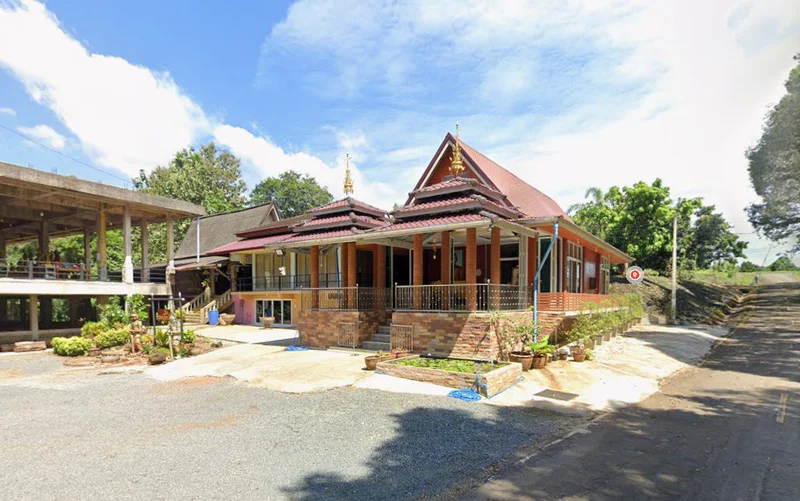
Wat Khum Bo Sap
Open Days: Daily
Opening Hours: Daytime
Wat Khum Bo Sap, also referred to in some sources as Wat Khum Bo Sap Chitta Phawana, is a quiet rural Buddhist temple in Ban Irem, Moo 7, Pranit Subdistrict, Khao Saming District, Trat Province. It is a meaningful destination for travelers who want to explore the inland cultural side of Trat beyond islands, beaches, ferry piers, and coastal routes. The temple is especially suitable for worship, merit-making, meditation, and experiencing local Buddhist community life in a peaceful village setting.
The temple is located in Ban Irem, a rural area of Pranit Subdistrict in Khao Saming District. This location gives Wat Khum Bo Sap a calm and secluded atmosphere. Unlike large tourist temples in town centers, this temple is more closely connected with village life, local faith, and quiet religious practice. Visitors who come here should expect a simple, peaceful temple experience rather than a commercial tourist attraction.
The name “Khum Bo Sap” has a meaningful tone in Thai. “Khum” suggests a hidden source or reserve, while “Bo Sap” suggests a source of treasure or value. In a Buddhist context, the name can be understood as a spiritual symbol: the temple is a place where visitors may discover merit, calmness, and inner value rather than material wealth. This interpretation fits well with the temple’s association with meditation and mental cultivation.
The additional name “Chitta Phawana” means mental cultivation or meditation practice. This makes the temple especially interesting for travelers who want to understand Thai Buddhist practice beyond visual sightseeing. A visit to Wat Khum Bo Sap is not only about taking photographs. It is about entering a quiet religious space, observing local temple life, and experiencing the slower rhythm of a rural Buddhist community.
In rural Thailand, temples often serve as much more than places for prayer. They are community centers, merit-making spaces, gathering places, and moral anchors for villagers. Wat Khum Bo Sap plays this kind of role in Ban Irem. Local people support temple activities, participate in merit-making events, and help maintain the temple as part of the spiritual life of the community.
Current community-related information identifies Phra Ajarn Panchawat Siripunyo as the abbot of Wat Khum Bo Sap. His role is important for the temple’s religious activities and ongoing development. The temple is also associated with local faith groups and merit-making activities, including support for temple construction and community religious projects.
The main appeal of Wat Khum Bo Sap is its peaceful rural character. The temple is suitable for visitors who want to pay respect to the Buddha, make merit, sit quietly, or spend a short time in a calm environment. It is not a place for hurried sightseeing. The value of the visit comes from slowing down and respecting the temple as an active religious space.
Within the temple grounds, visitors can find areas for worship, merit-making, and community religious activities. The temple environment is simple and local. This gives foreign travelers an opportunity to see how Buddhist temples function in everyday village life, far from major tourist centers. Such places help visitors understand that Thai Buddhism is not only represented by famous temples, but also by smaller community temples that continue to shape local identity.
Wat Khum Bo Sap is also located in the same broader area as other cultural sites in Pranit Subdistrict, especially Wat Mueang Kao Saen Tum and Khao To Mo Archaeological Site. These places can be combined into a meaningful cultural route. Wat Khum Bo Sap offers a quiet meditation-oriented temple experience, while Khao To Mo offers a mysterious archaeological and geological landscape. Together, they show the depth of local culture in inland Trat.
For travelers who want to understand Trat beyond Ko Chang, Ko Kut, and Laem Ngop, this inland route is highly valuable. It reveals temples, local legends, rural roads, and village-based religious life. Wat Khum Bo Sap is one of the places that helps complete this picture. It shows Trat not only as a coastal province, but also as a province with Buddhist communities and hidden cultural routes.
Because the temple is located in a rural area, the most practical way to visit is by private car, rental car, or local hired vehicle. Visitors should set the destination clearly as Wat Khum Bo Sap, Ban Irem, Moo 7, Pranit Subdistrict, Khao Saming District, Trat Province. This is important because similar temple names may appear in other provinces, and precise location details help avoid confusion.
Getting There from Trat town or Khao Saming requires traveling toward Pranit Subdistrict and Ban Irem. A private vehicle is recommended because the area is not served by frequent public transport. Travelers should plan fuel, timing, and route details in advance. It is also practical to combine the temple with nearby places in Pranit Subdistrict so that the trip is more efficient.
Visitors should dress respectfully, keep their voices low, and avoid entering monks’ private areas without permission. Photography should be done politely, especially if monks, local worshippers, or religious activities are present. Wat Khum Bo Sap is a living temple, not a staged attraction, so respectful behavior is essential.
For families, the temple can be a good place to teach children about temple etiquette, merit-making, and the role of Buddhism in rural communities. Children can learn that temples are not only buildings or tourist stops, but places where people gather, make offerings, support monks, and preserve local faith across generations.
For photographers, the temple is suitable for quiet atmospheric images: temple grounds, shaded areas, community religious spaces, and the calm rural setting. Morning and late afternoon provide softer light. However, photography should never disturb worshippers or religious activities.
Food and accommodation should be planned in advance. The immediate rural area may have limited restaurants and lodging options. Travelers can find more choices around Saen Tung, Khao Saming, Lamphurai, or Trat town. Those continuing to Ko Chang or Laem Ngop may prefer to stay in Trat town or along the main route before continuing the next day.
A good one-day route can start from Saen Tung or Khao Saming, continue into Pranit Subdistrict, stop at Wat Khum Bo Sap for merit-making and quiet reflection, then continue to Wat Mueang Kao Saen Tum and Khao To Mo Archaeological Site. After that, travelers can return to Saen Tung or Khao Saming for food and accommodation. This route is best for those who prefer calm cultural travel rather than crowded tourist attractions.
Wat Khum Bo Sap is particularly meaningful for travelers interested in local temple culture, Buddhist meditation, rural communities, and hidden cultural attractions in Trat. It does not rely on grand architecture or dramatic scenery. Instead, its value lies in stillness, community faith, and the feeling of entering a place shaped by local religious life.
In summary, Wat Khum Bo Sap in Moo 7, Pranit Subdistrict, Trat Province, is a quiet rural Buddhist temple suitable for worship, merit-making, meditation, and cultural travel. It is best visited as part of an inland Trat route together with Wat Mueang Kao Saen Tum and Khao To Mo Archaeological Site. For travelers who want to see a deeper and quieter side of Trat, this temple is a meaningful place to include in the journey.
| Name | Wat Khum Bo Sap Or Wat Khum Bo Sap Chitta Phawana |
| Location | Ban Irem, Moo 7, Pranit Subdistrict, Khao Saming District, Trat Province |
| Address | No. 99, Ban Irem, Moo 7, Pranit Subdistrict, Khao Saming District, Trat 23150, Thailand |
| Highlights | Quiet rural Buddhist temple suitable for worship, merit-making, meditation, and experiencing local temple culture in Ban Irem |
| Name Origin | The name Khum Bo Sap suggests a source of value or treasure. In a Buddhist context, it can be understood as a symbolic source of merit, calmness, and inner wealth |
| Distinctive Features | Peaceful village temple with worship areas, a sermon hall, merit-making space, and an atmosphere suitable for mental cultivation |
| Travel Information | Travel by private car, rental car, or local hired vehicle from Khao Saming or Saen Tung toward Pranit Subdistrict and Ban Irem. Set the destination as Wat Khum Bo Sap, Ban Irem, Moo 7, Pranit Subdistrict |
| Current Status | Active temple and local attraction in Pranit Subdistrict, Khao Saming District, Trat Province |
| Open Days | Daily |
| Opening Hours | Daytime |
| Facilities | Worship Area, Sermon Hall, Merit-Making Area, Quiet Rural Temple Grounds |
| Main Areas / Zones | Temple And Worship Area, Sermon Hall, Merit-Making Area, Meditation Area, Ban Irem Community Temple Grounds |
| Abbot / Caretaker | Phra Ajarn Panchawat Siripunyo |
| Main Contact Number | Pranit Subdistrict Administrative Organization, Tel. 039-510-355 |
| Official Website / Official Page | Pranit Subdistrict Administrative Organization |
| Nearby Tourist Attractions | 1. Wat Mueang Kao Saen Tum And Khao To Mo Archaeological Site, About 2 km 2. Ban Irem, Pranit Subdistrict, About 1 km 3. Wat Saen Tung, About 20 km 4. Wat Wang Sappharot, About 28 km 5. Wat Tha Som, About 32 km 6. Trat Town, About 55 km |
| Nearby Restaurants | 1. Café Amazon Saen Tung Branch, About 20 km 2. Local Restaurants In Saen Tung, About 20 km 3. BIChon Cafe, About 34 km 4. Adlin Chaeng 4 Jab, About 35 km 5. Ester, About 36 km 6. Krua Lamphurai Riverside, About 40 km, Tel. 063-190-1099 |
| Nearby Accommodations | 1. Villa Green Leaf Saen Tung, About 22 km, Tel. 039-611-094 2. Garden Home Saen Tung, About 22 km 3. Lamphurai Riverside Resort & Spa, About 40 km, Tel. 063-190-1099 4. Khao Saming Paradise Resort, About 36 km 5. Accommodations In Saen Tung, About 20 km 6. Accommodations In Trat Town, About 55 km |
Frequently Asked Questions (FAQ)
Q: Where is Wat Khum Bo Sap located?
A: Wat Khum Bo Sap is located in Ban Irem, Moo 7, Pranit Subdistrict, Khao Saming District, Trat Province.
Q: What kind of temple is Wat Khum Bo Sap?
A: It is a quiet rural Buddhist temple suitable for worship, merit-making, meditation, and experiencing local Buddhist community life.
Q: Is Wat Khum Bo Sap also known by another name?
A: Yes. Some sources refer to it as Wat Khum Bo Sap Chitta Phawana, a name that emphasizes mental cultivation and meditation practice.
Q: Who is the abbot of Wat Khum Bo Sap?
A: Community-related information identifies Phra Ajarn Panchawat Siripunyo as the abbot of Wat Khum Bo Sap.
Q: How can visitors get to Wat Khum Bo Sap?
A: Visitors should travel by private car, rental car, or local hired vehicle and set the destination as Wat Khum Bo Sap, Ban Irem, Moo 7, Pranit Subdistrict, Khao Saming District, Trat Province.
Q: What nearby places can be visited with Wat Khum Bo Sap?
A: Nearby places include Wat Mueang Kao Saen Tum, Khao To Mo Archaeological Site, Ban Irem, Wat Saen Tung, Wat Wang Sappharot, and Wat Tha Som.
Q: Is there an admission fee for Wat Khum Bo Sap?
A: It is a community Buddhist temple for worship and merit-making, and no admission fee is listed in local tourism information.
Q: What should visitors prepare before going?
A: Visitors should dress respectfully, plan the route in advance, bring drinking water, use a private vehicle if possible, and keep quiet inside the temple grounds.
 Category: ●Places of Worship
 Group: ●Temple
Last Update : 4 MonthAgo
 Last Update : 4 MonthAgo
 Click to Access the Navigation Map GPS
 Art, Culture and Heritage
 Historical Sites and Monuments(1)
 Landmarks and Memorials(1)
 Art, Craft Centres, Tradition(3)
 Museums(2)
 Educational Places
 Museum for Study(1)
 Educational Gardens, Farm(2)
Temple(11)
Educational Gardens, Farm(2)
Temple(11)
 Mosque(2)
 Other Sacred Sites(2)
 Suburban Living
 Village, Community(6)
 Local Market(2)
 Nature and Wildlife
 National Parks and Marine Reserves(2)
 Mountain (Doi)(1)
 Dam, Reservoir, Lake(3)
 Waterfalls(15)
 River, Canal(1)
 Bays and Beaches(21)
 Islands(19)
 Other natural attractions(12)
 Entertainment and Agricultural
 Outdoor and Adventure Activities(1)
 Shopping
 Shopping and Night Market(1)
 Travel Articles, Recipes
 Travel Review, Food Review(1)


