
lovethailand home >Eastern Travel Attractions >Trat Travel Attractions >Koh Chang >Koh Chang > Koh Chang Agricultural Tourism Route
TL;DR: Koh Chang Agricultural Tourism Route, Trat attractions : Nature and Wildlife, Other natural attractions.
Koh Chang Agricultural Tourism Route
Open Days: Available Year-Round; Advance Contact With Farms, Communities Or The Koh Chang District Agricultural Office Is Recommended
Opening Hours: Varies By Farm, Community, Boat Activity And Local Operator
The Koh Chang Agricultural Tourism Route in Trat Province is a meaningful way to experience Koh Chang beyond its beaches, resorts and sea activities. This route takes travelers through the greener and quieter eastern side of the island, where local communities still grow fruit, fish along the coast, raise fish in sea cages, make local food products and live closely with the forest, mountains and sea. It is suitable for travelers who want to understand Koh Chang as a real island community, not only as a holiday destination.
Koh Chang is often known for its beaches and clear water, but the island also has orchards, fishing villages, mangroves, temples and farming communities. The agricultural route introduces this less crowded side of the island. Visitors can see fruit orchards with durian, mangosteen, rambutan, pomelo, longkong and other seasonal produce. They can also visit coastal communities where local people raise fish in cages, go fishing, process seafood and sell community-made products. This combination of land and sea makes the route different from a normal beach trip.
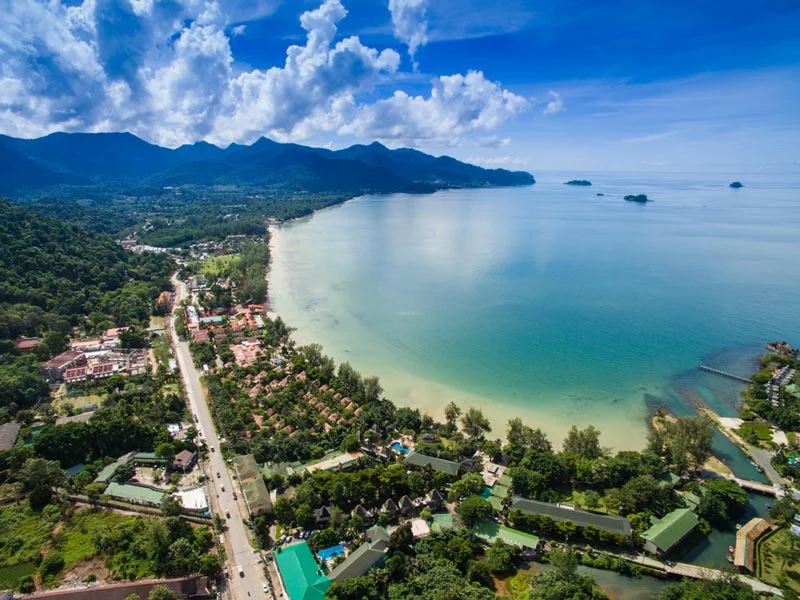
Most agricultural communities on Koh Chang are located on the eastern side of the island. After taking the ferry from the mainland to Koh Chang, travelers can use a private car, rented car, motorcycle, local transfer or mountain bike on suitable sections. The route can include Dan Mai, Khlong Nonsi, Salak Khok, Salak Phet and nearby communities. This side of Koh Chang is quieter than the western beach areas. It has local houses, orchards, fishing boats, temples, mangrove areas and peaceful bays where travelers can see everyday island life more clearly.
Fruit orchards are one of the main highlights of the route. Visitors can learn how island farmers care for tropical fruit trees, manage water, harvest fruit and select good-quality produce. Farming on an island is different from farming on the mainland because farmers have to work with limited land, mountain slopes, forest humidity, sea breeze and transport across the water. When travelers taste fruit directly from an orchard, they are not only enjoying fresh produce. They are also seeing the work and knowledge behind island agriculture.
Durian is one of the important fruits on Koh Chang, but the route is not limited to durian. Mangosteen, rambutan, pomelo and longkong also make the orchards diverse and interesting. Each fruit has its own season, care method and harvest time. Travelers who want to taste fruit should contact farms, communities or the agricultural office in advance because the best experience depends on the season and the availability of fruit on the day of travel.
The route also introduces coastal fish cage farming. In areas such as Salak Phet and nearby fishing communities, local people raise fish in sea cages. This work requires knowledge of seawater, currents, fish health, feeding and daily care. Some fish raised in cages can have a high market value, showing the skill of local fishermen and the quality of the coastal environment. For visitors, seeing fish cages helps explain where fresh seafood comes from and how local communities earn a living from the sea.
Boat trips are another important part of the experience. Travelers can take a boat to see fishing villages, small boats, fish cages, mangroves and quiet bays. This is different from a sightseeing boat trip focused only on beaches or snorkeling. Here, the purpose is to see how local people live and work along the coast. The eastern side of Koh Chang offers a calm setting where visitors can observe the connection between fishing, food, community and nature.
Women’s groups on Koh Chang play an important role in turning local produce into community products. These products may include shrimp paste, dried shrimp, fresh fruit, processed fruit and other local food items. They reflect the knowledge of food preservation, local taste and household economy. Buying from local producers supports the community directly and helps distribute tourism income beyond hotels and beach businesses.
Shrimp paste and dried shrimp show the connection between the sea and local kitchens, while fresh fruit and processed fruit show the agricultural side of Koh Chang. Together, these products make the route more complete. Travelers do not only see orchards and fishing areas; they also see how local ingredients become food products that people use, sell and share with visitors.
The 200-year-old Siraman tree at Wat Khlong Nonsi is an important cultural stop on the route. The tree, also known as wild lychee, is located in the Dan Mai area and is connected to the history of Koh Chang’s older communities. A visit to Wat Khlong Nonsi helps travelers understand that the island has temples, local memory and historical trees, not only beaches and resorts. This stop adds cultural depth to the agricultural route.
The route can be visited throughout the year, but each season gives a different experience. Fruit tasting depends on the harvest season. Boat trips depend on weather and sea conditions. Visits to local product groups depend on the availability of the community. For this reason, travelers should contact the Koh Chang District Agricultural Office, local communities or tour operators before traveling. Advance planning makes it easier to visit farms that are open and to see activities that are actually available.
Traveling around the eastern side of Koh Chang should be done slowly. The value of this route is not only in reaching many stops, but in taking time to talk with local people, taste fruit, observe fishing life and understand how communities use island resources. A one-day route can include Dan Mai, Wat Khlong Nonsi, orchards, Salak Khok, Salak Phet, a boat trip, seafood and local products. Travelers who want a more relaxed trip should stay on Koh Chang for at least 2 nights and separate beach activities from the agricultural route.
For international travelers, this route gives a clear view of Koh Chang as a living island. Visitors can see farmers caring for fruit trees, fishermen working with the sea, fish cages in coastal water, women making local food products, and communities living between forest, mountain, bay and sea. This experience helps travelers understand that Koh Chang is more than a resort island. It is also a place where people live, work and continue local traditions every day.
Responsible travel is important on this route. Visitors should not pick fruit without permission, enter fish cage areas without a guide, leave rubbish in farms or coastal areas, or disturb community spaces. Buying fruit, seafood or products directly from local producers is a good way to support the communities that welcome visitors.
Getting There begins with traveling to Trat Province and taking a ferry from the mainland side to Koh Chang. Current ferry information should be checked before travel. Once on the island, travelers can explore the eastern route by private car, rental car, motorcycle, local transfer or mountain bike where suitable. The route can connect Dan Mai, Khlong Nonsi, Salak Khok, Salak Phet and agricultural communities that open by season. For farm visits, community activities and fruit-season information, contact the Koh Chang District Agricultural Office at 038-586-108 or the Trat Provincial Agricultural Office at 039-511-008.
In summary, the Koh Chang Agricultural Tourism Route is a good choice for travelers who want to see the deeper and quieter side of the island. It combines fruit orchards, fish cage farming, fishing villages, women’s local products, shrimp paste, dried shrimp, the 200-year-old Siraman tree, mangroves, peaceful bays and local communities on the eastern side of Koh Chang. The route can be visited year-round, but the best experience comes from planning around fruit seasons, weather and community availability.
| Name | Koh Chang Agricultural Tourism Route |
| Location | Eastern Koh Chang agricultural and fishing communities, Koh Chang District, Trat Province |
| Address | Dan Mai, Khlong Nonsi, Salak Khok, Salak Phet and nearby communities, Koh Chang Subdistrict, Koh Chang District, Trat Province 23170, Thailand |
| Highlights | Fruit orchards, durian, mangosteen, rambutan, pomelo, longkong, coastal fishing life, fish cage farming, boat trips, shrimp paste, dried shrimp, local women’s products and the 200-year-old Siraman tree at Wat Khlong Nonsi. |
| History | Eastern Koh Chang has long been connected with orchards, fishing communities, temples, coastal villages and sea routes. The agricultural route now brings these local livelihoods together as a community-based travel experience. |
| Name Origin | The name refers to a travel route that connects orchards, farms, fishing communities and local products on Koh Chang, showing the island as a green agricultural area surrounded by the sea. |
| Distinctive Features | A community-based route combining orchards, farmers, fishermen, fish cages, women’s product groups, Wat Khlong Nonsi, the 200-year-old Siraman tree, mangroves and peaceful eastern bays. |
| Travel Information | Take a ferry from the mainland side to Koh Chang, then travel along the eastern side of the island by private car, rental car, motorcycle, suitable mountain bike route or local transfer. |
| Current Status | A year-round agricultural and community tourism route. Advance contact with farms, local communities or agricultural offices is recommended. |
| Open Days | Available Year-Round; Advance Contact Recommended |
| Opening Hours | Varies By Farm, Community, Boat Activity And Local Operator |
| Fees | No general route admission fee. Farm visits, boat trips and product purchases depend on each provider. |
| Facilities | Ferry service, island vehicle rentals, seafood restaurants, local product shops, seasonal orchards, community boat activities, accommodation and agricultural office support. |
| Main Areas / Zones | 1. Dan Mai And Khlong Nonsi Zone 2. Eastern Orchard And Farming Community Zone 3. Wat Khlong Nonsi And 200-Year-Old Siraman Tree 4. Salak Khok And Mangrove Zone 5. Salak Phet Fishing Community Zone 6. Fish Cage Farming Area 7. Coastal Fishing Boat Trip Area 8. Local Women’s Product Area |
| Caretaker | Koh Chang District Agricultural Office, Koh Chang farming communities, local women’s agricultural groups and community tourism providers. |
| Main Contact Number | Koh Chang District Agricultural Office Tel. 038-586-108 Trat Provincial Agricultural Office Tel. 039-511-008 |
| Nearby Tourist Attractions | 1. Wat Khlong Nonsi And 200-Year-Old Siraman Tree, about 3 km 2. Than Mayom Waterfall, about 6 km 3. Chao Por Koh Chang Shrine And Ao Sapparot Pier, about 8 km 4. Salak Khok Mangrove Area, about 14 km 5. Salak Phet Bay, about 18 km 6. White Sand Beach, about 17 km 7. Khlong Plu Waterfall, about 23 km |
| Nearby Restaurants | 1. Salakphet Seafood, about 18 km 2. The Spa Koh Chang Restaurant, about 14 km 3. Ronnie’s Coconut Organic Garden, about 15 km 4. Ban Kafae, about 15 km 5. Fisherman’s Hut Salak Phet, about 18 km 6. Rommai Chailay Seafood, about 17 km 7. Shambhala Beach Bar, about 8 km |
| Nearby Accommodations | 1. Salakphet Resort, about 18 km 2. The Spa Koh Chang Resort, about 14 km 3. Serenity Resort Koh Chang, about 7 km 4. The Aiyapura Koh Chang, about 8 km 5. Amber Sands Beach Resort, about 7 km 6. Peninsula Beach Resort Koh Chang, about 9 km 7. Klong Prao Resort, about 22 km |
Frequently Asked Questions (FAQ)
Q: Where is the Koh Chang Agricultural Tourism Route located?
A: It is located mainly on the eastern side of Koh Chang, including Dan Mai, Khlong Nonsi, Salak Khok, Salak Phet and nearby agricultural and fishing communities.
Q: Who is this route suitable for?
A: It is suitable for travelers interested in fruit orchards, fishing villages, seafood, local products, boat trips, fish cage farming and a quieter local side of Koh Chang.
Q: What fruits can visitors find on the route?
A: Visitors may find durian, mangosteen, rambutan, pomelo, longkong and other seasonal fruits. Availability depends on the harvest season.
Q: Can visitors see fish cage farming?
A: Yes. Fish cage farming can be seen in some coastal communities, especially around Salak Phet and nearby eastern coastal areas. Advance contact is recommended.
Q: How do travelers get around the agricultural route?
A: After taking the ferry to Koh Chang, travelers can use a private car, rental car, motorcycle, local transfer or mountain bike on suitable routes to explore the eastern side of the island.
Q: Can this route be visited year-round?
A: Yes. The route can be visited year-round, but fruit tasting depends on the season and boat activities depend on weather and sea conditions.
Q: What local products are worth buying?
A: Recommended local products include shrimp paste, dried shrimp, fresh fruit, processed fruit and products made by Koh Chang women’s agricultural groups.
Q: Where can travelers ask for more information?
A: Travelers can contact the Koh Chang District Agricultural Office at 038-586-108 or the Trat Provincial Agricultural Office at 039-511-008 before traveling.
Tel : 039586180, 039511008
 Tel : 039586180, 039511008
 Category: ●Nature and Wildlife
 Group: ●Other natural attractions
Last Update : 3 MonthAgo
 Last Update : 3 MonthAgo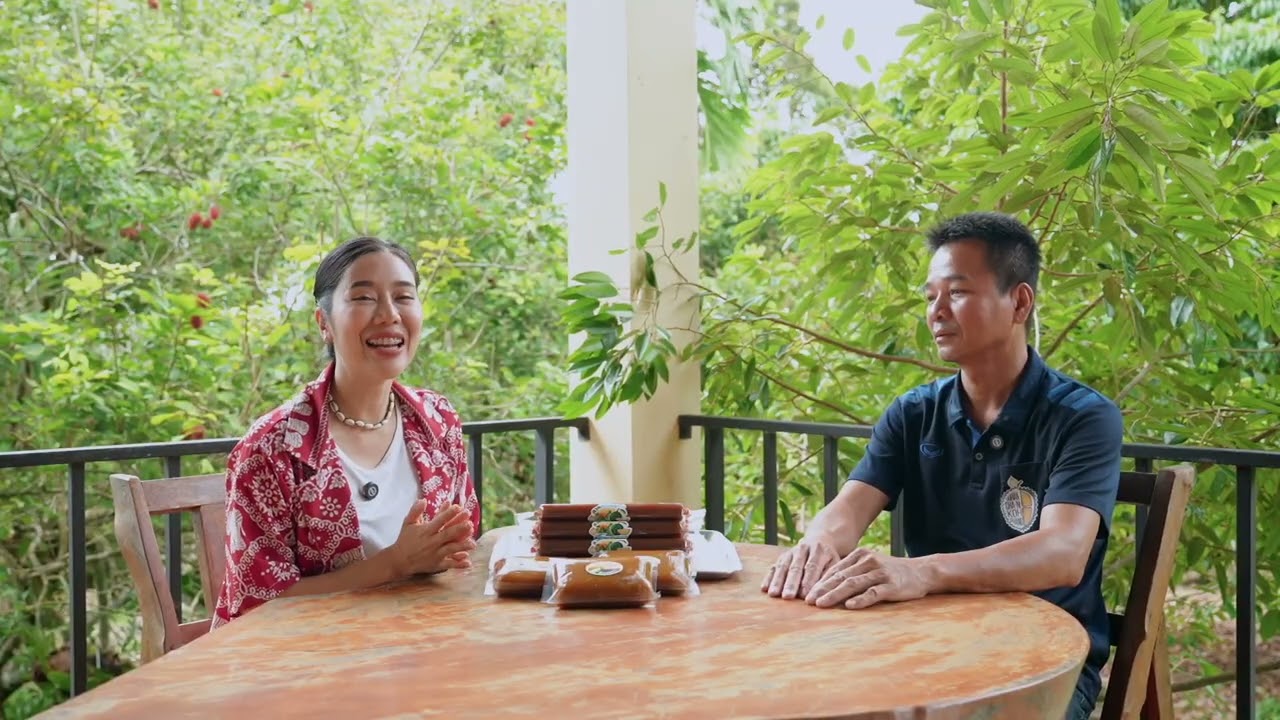
 Click to Access the Navigation Map GPS
Koh Chang Agricultural Tourism Route Map
Recommend

 Art, Culture and Heritage
 Historical Sites and Monuments(1)
 Landmarks and Memorials(1)
 Art, Craft Centres, Tradition(3)
 Museums(2)
 Educational Places
 Museum for Study(1)
 Educational Gardens, Farm(2)
 Places of Worship
 Temple(11)
 Mosque(2)
 Other Sacred Sites(2)
 Suburban Living
 Village, Community(6)
 Local Market(2)
 National Parks and Marine Reserves(2)
 Mountain (Doi)(1)
 Dam, Reservoir, Lake(3)
 Waterfalls(15)
 River, Canal(1)
 Bays and Beaches(21)
 Islands(19)
Other natural attractions(12)
Islands(19)
Other natural attractions(12)
 Entertainment and Agricultural
 Outdoor and Adventure Activities(1)
 Shopping
 Shopping and Night Market(1)


