
lovethailand home >Central Travel Attractions >Chachoengsao Travel Attractions >Bang Prakong >Tha Kham > Dolphin Watching Boat Trip
TL;DR: Dolphin Watching Boat Trip, Chachoengsao attractions : Nature and Wildlife, Bays and Beaches.
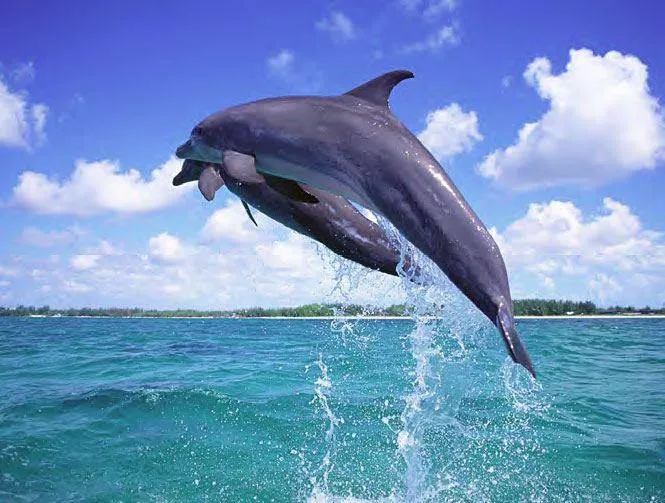
Dolphin Watching Boat Trip
Open Days: Open Daily (Recommended to contact the pier before departure)
Opening Hours: Boat departures depend on the pier and tidal/sea conditions (Recommended: morning before noon or late afternoon)
Dolphin Watching Boat Trip at the Bang Pakong estuary in Tha Kham Subdistrict is a short, nature-focused escape from Bangkok, offering a chance to see Irrawaddy dolphins surface to breathe in small groups in a river mouth where “freshwater–brackish water–sea” meet. Locals consider November to January the peak period because food sources are typically abundant, increasing the chance of encountering dolphin pods closer to the estuary. This trip is not only about dolphins—along the route you also pass mangrove forests, observe a variety of waterbirds, and experience an estuary landscape that feels distinctly different from Chachoengsao’s classic town itinerary of markets and temples.
Dolphin Watching at the Bang Pakong Estuary is one of Chachoengsao’s most distinctive eco-tourism experiences. Tha Kham Subdistrict, Bang Pakong District sits at a strategic “river mouth” location where the Bang Pakong Basin’s waters flow into the Gulf of Thailand, creating a brackish ecosystem rich in food for many aquatic species. When prey is plentiful, higher-level predators in the food chain—such as dolphins—are more likely to come in to feed. What many visitors remember most is the sight of dolphins surfacing rhythmically to breathe; sometimes several appear at once, then slip back into the characteristically turbid estuary water.
Tha Kham’s setting makes this dolphin-watching trip feel genuinely wild and natural—not a contained or staged animal encounter. Visitors can observe real-time changes in the water, including tides, current movement, and variations in the river surface throughout the day. These conditions directly influence dolphin behavior because dolphins must adapt to water flow to feed and travel efficiently. The estuary area is also a working landscape where local residents fish and live along the shore, so the trip naturally blends tourism with community life—one reason many travelers feel they are “seeing the place as it is,” not merely checking in for photos.
Seasonality strongly shapes the character of this experience. The most frequently mentioned period is roughly November to January, when dolphins from the Gulf of Thailand are believed to follow seasonal food sources into the river mouth area. One explanation commonly shared locally is that sea catfish—an important prey item—becomes more abundant during this period, increasing the likelihood of dolphin sightings along the route. However, because this is a true nature experience, no one can guarantee sightings every trip. What you can do is choose the right season and time of day, travel on safe weather days, and follow responsible wildlife-watching practices to avoid disturbing the dolphins.
The dolphin most commonly mentioned in the Bang Pakong estuary is the Irrawaddy dolphin, a coastal and estuarine species with an easy-to-recognize shape: a robust body, a rounded head, and no long beak like a bottlenose dolphin. Many first-time visitors remember the brief, quick surfacing to breathe before the dolphin disappears under the water, then reappears not far away. Behaviorally, the rhythmic surfacing and small-group movement mean passengers need to stay attentive and often rely on the boat operator’s experience to spot them. Locals also talk about other dolphin types that people may casually refer to as humpback dolphins or bottlenose dolphins, which adds another layer of fun—learning to observe “head shape and dorsal fin” details once you see them in real life.
What makes this route memorable goes beyond dolphins. The boat passes through mangrove forests, a natural barrier that helps reduce wave impact and shoreline erosion while serving as a nursery habitat for many aquatic species. From a travel perspective, mangroves create a living backdrop that makes the estuary feel vibrant. You may also see waterbirds such as cormorants, egrets, gulls, and kingfishers. Their presence often correlates with food abundance—when fish and small aquatic animals are plentiful, birds gather too—providing a natural sign that this area still functions as a true ecosystem, not merely a navigational waterway.
Along the same route, visitors sometimes hear about coastal wildlife such as flying foxes and long-tailed macaques, depending on the specific area and season. For travelers, sightings often happen as “intentional luck”—not a show, but a real encounter while passing habitats where animals actually live. This makes preparation important: bring a hat, sunglasses, mosquito repellent, and wear comfortable clothing. Estuary boat trips can involve strong wind, intense sun, or occasional sea spray, depending on the day’s conditions.
Another point often mentioned alongside dolphin watching is Tha Kham’s natural island, commonly referred to as “Koh Nok (Bird Island).” This natural area—about 125 rai—is associated with birdwatching and the broader estuary ecosystem. The island’s nickname reflects a local image of abundant bird life and natural habitat. Seeing the island and surrounding mangroves helps visitors experience the estuary at a wider scale, not only “chasing dolphins,” but also understanding that dolphins are one part of a connected system—from plankton to small aquatic animals, to fish, and then to predators like dolphins and waterbirds.
From a historical and developmental perspective, dolphin-watching in Tha Kham illustrates how a community can use “natural capital” carefully to create local income. Rather than relying on large-scale construction, this kind of destination depends on the estuary and mangroves as the core attraction. Success is not about luxurious facilities—it is about visitors feeling they have seen something real and wanting to return. If the community can sustain ecosystem health, the experience remains valuable long-term, because “wild animals in the wild” cannot be replicated elsewhere in the same way.
In recent years, conservation context has drawn greater attention to the Bang Pakong river mouth, partly because there has been ongoing communication about Irrawaddy dolphin sightings and periodic survey work by agencies and researchers. This gives the trip meaning beyond entertainment: it becomes travel that supports awareness of natural resources. Visitors who follow responsible practices—keeping noise low, not chasing dolphins, not blocking their swimming path, and not throwing trash into the water—help protect the area indirectly by reducing disturbance and minimizing the impacts people often create unintentionally.
A great trip often starts before boarding, by setting expectations correctly. This is a nature-based experience; dolphin encounters depend on timing, season, and water conditions. People who enjoy the trip most are usually those who do not focus only on “seeing dolphins,” but also appreciate the estuary as a whole: brackish-water character, the sea breeze mixing with the earthy mangrove-mud scent, waterbird calls, and the quiet moments when the boat lets nature unfold. With this mindset, even brief dolphin sightings still feel worthwhile because you have “read the landscape” through all your senses.
Locals typically recommend going in the morning before noon or in the late afternoon. This relates to comfort, wind, and light. Mornings are often cooler and, on some days, calmer water can make surfacing easier to detect. Late afternoons offer beautiful light and a more relaxed mood, ideal for warm-toned estuary and mangrove photos. However, safety comes first: if winds are strong or conditions are unsuitable, postponing or choosing another day is better for both passengers and boat operators.
For photography, this trip is rewarding but challenging because dolphins surface quickly and do not stay in one place. Helpful tactics include having your camera/phone ready before reaching likely sighting zones, avoiding excessive digital zoom, and watching for “signals” such as birds circling above the surface or unusual ripples. Listening closely to the boat operator also matters; experienced operators often read the water well and will direct passengers to the best viewing direction. As a result, getting great shots here tends to be a collaborative effort between the operator and passengers rather than a simple posed check-in photo.
Etiquette is the core of sustainability for dolphin watching. Loud noise, pushing the boat too close, or speeding to chase a pod can cause dolphins to avoid the area and change behavior—ultimately harming both wildlife and the local tourism community. The right approach is “give them space”: keep a respectful distance, avoid blocking their path, do not throw food, do not litter, and do not put hands into the water to attract animals. Dolphins are not pets. Maintaining calm and keeping the estuary natural is a basic responsibility visitors should practice willingly.
In terms of safety, prioritize wearing life jackets, especially for children and seniors, and sit where the operator instructs to reduce balance risks if there are waves or nearby boat traffic. If you are prone to motion sickness, prepare medication and avoid sitting facing backward. Bringing drinking water and sun protection is essential because estuary areas can be windy yet intensely sunny, and glare from the water can be stronger than expected.
To maximize the day, many travelers plan dolphin watching as a half-day trip and then continue with a seafood meal in the Tha Kham area, which has multiple options suitable for visitors. If you have more time and want a full-day itinerary, you can connect to other spots in Bang Pakong District or head toward Chachoengsao town for famous temples and markets—allowing a single trip to include both estuary nature and Paet Riew culture without long driving distances.
One reason this trip feels unique is the sense of “seeing real life” at a river mouth. As the boat passes mangroves, you can observe stilt roots anchored in mud, small channels used by aquatic creatures, and the naturally turbid water. Turbidity here does not automatically mean dirty water; it is a normal estuary characteristic linked to high sediments and organic matter, which form the base of the ecosystem’s food web. Understanding this helps visitors move beyond the idea that only “clear water is beautiful,” and instead see the beauty of a working ecosystem. With that perspective, even a few dolphin surfacing moments become valuable proof that the ecosystem can still support top predators.
Another reason this topic deserves attention is how clearly it connects tourism with local economic life. Dolphin watching can be affordable, and accessible pricing makes it easy for Thai travelers to participate. When visitors come, spending supports boat operators, restaurants, accommodations, and small local services such as cafés, community shops, or other nature-based activities. This is tourism that distributes income without depending on mega-projects—on one crucial condition: nature must remain healthy. If the ecosystem declines, wildlife disappears, and the area’s unique appeal fades with it.
In summary, dolphin-watching in Tha Kham is a Chachoengsao travel experience that combines excitement and calm in one route. It is exciting because dolphin encounters happen fast and feel unforgettable, and it is calming because the mangroves and estuary scenery slow you down. This trip suits travelers who want a quick change from the city and those who prefer nature-friendly travel. When everyone follows responsible practices, dolphin sightings in the Bang Pakong estuary can remain a story worth sharing for many years.
Getting There From Bangkok, take the Bang Na–Trat expressway toward Chachoengsao. After crossing the Bang Pakong River bridge, look for signs directing you to Tha Kham Subdistrict and dolphin-watching points along the route. Then head to the pier you have contacted in advance (Pier in Moo 1 at the Chao Mae Thapthim Shrine, or Pier in Moo 8 near Ban Khlong Tamru). Contacting the pier before departure helps confirm boat rounds, water conditions, and the exact meeting point.
| Name | Dolphin Watching Boat Trip, Tha Kham, Bang Pakong (ล่องเรือชมปลาโลมา ต.ท่าข้าม อ.บางปะกง) |
| Address | Tha Kham Subdistrict, Bang Pakong District, Chachoengsao (Bang Pakong estuary area and local piers) |
| Place Summary | An eco-boat trip at the Bang Pakong river mouth to look for Irrawaddy dolphins that enter seasonally to feed, while enjoying mangroves, waterbirds, and a brackish estuary landscape linking the basin to the sea. |
| Highlights | Chance to see Irrawaddy dolphins surfacing in groups, brackish estuary and mangrove scenery, seasonal wildlife and waterbirds, an easy nature trip near Bangkok, and a route that pairs well with seafood and an overnight stay in Tha Kham. |
| Best Time To Visit | November – January, and recommended in the morning before noon or late afternoon |
| Piers | Pier 1: Tha Kham Village, Chao Mae Thapthim Shrine (Moo 1) — Tel. 038-573-434 Pier 2: Moo 8, Ban Khlong Tamru Area — Contact Tha Kham Subdistrict Municipality Tel. 038-573-411 ext. 144 |
| Fees | Standard Trip: 2 Hours / 100 THB Per Person Private Charter: Pier 1 About 1,000 THB Private Charter: Pier 2 About 500–2,000 THB Alternative Operator: Loma Resort Boat 150 THB Per Person — Tel. 038-574-318 |
| Facilities | Local pier waiting area, community services nearby, basic parking depending on pier, and nature viewing along the route |
| Nearby Tourist Attractions | 1) Thephasadin Bridge — 2 km 2) Bang Pakong Power Plant Area — 4 km 3) Tha Kham Nature Island / Koh Nok (Bird Island) — 3 km (Including Boat Segment) 4) Wat Hong Thong — 15 km 5) Wat Sothon Wararam Worawihan — 25 km 6) Talad Ban Mai 100 Years Market — 27 km |
| Popular Restaurants Nearby | 1) Krua Rabiang Nam Seafood Restaurant — 2 km — Tel. 092-921-4393 2) Ood Seafood — 3 km — Tel. 038-573-703 3) MESS Bang Pakong Power Plant — 4 km — Tel. 038-573-420 4) Sebiang Restaurant — 5 km — Tel. 089-071-3751 5) Kin Lom Chom Pla — 25 km — Tel. 085-328-6666 |
| Popular Accommodations Nearby | 1) Baan Plaloma Resort — 2 km — Tel. 038-574-318 2) Ratathara Resort — 2 km — Tel. 061-953-9053 3) Rim Bay Mangrove Resort — 3 km — Tel. 099-962-8052 4) Bang Pakong Park — 8 km — Tel. 081-449-9492 5) Baan Bang Pakong — 25 km — Tel. 081-134-3333 |
| Contact Number | Tha Kham Subdistrict Municipality — Tel. 038-573-411 ext. 144 |
Frequently Asked Questions (FAQ)
Q: Which months are best for dolphin watching at the Bang Pakong estuary?
A: The most commonly recommended period is roughly November to January, when dolphins are more likely to enter the river mouth area to feed seasonally.
Q: Where are the boarding piers, and who should I contact?
A: Main options in Tha Kham include Pier Moo 1 at the Chao Mae Thapthim Shrine (Tel. 038-573-434) and Pier Moo 8 near Ban Khlong Tamru (Contact Tha Kham Subdistrict Municipality Tel. 038-573-411 ext. 144) to confirm rounds and meeting points.
Q: What time of day is recommended to increase the chance of seeing dolphins?
A: Morning before noon or late afternoon is commonly recommended for comfort and visibility, and it also provides better light for photography.
Q: What else can I see during the boat trip besides dolphins?
A: The route passes mangrove forests and estuary zones where you may see seasonal wildlife and waterbirds such as cormorants, egrets, gulls, and kingfishers, along with characteristic brackish-water landscapes and riverside community scenery.
Q: How should visitors behave to avoid disturbing dolphins?
A: Keep noise low, do not throw anything into the water, avoid getting too close or chasing pods, and follow the boat operator’s guidance so dolphins can surface and swim naturally and safely.
Q: If I want to continue the trip afterward, what nearby places are good to combine?
A: Many travelers continue with a seafood meal in Tha Kham, or connect to nearby spots such as Thephasadin Bridge, the Bang Pakong Power Plant area, Wat Hong Thong, or—if you have more time—head into Chachoengsao town for Wat Sothon and Talad Ban Mai.
 Category: ●Nature and Wildlife
 Group: ●Bays and Beaches
Last Update : 7 MonthAgo
 Last Update : 7 MonthAgo
 Click to Access the Navigation Map GPS
Dolphin Watching Boat Trip Map
Recommend

 Art, Culture and Heritage
 Historical Sites and Monuments(3)
 Landmarks and Memorials(4)
 Royal Palace(1)
 Art, Craft Centres, Tradition(10)
 Museums(2)
 Historic Homes and Cities(1)
 Educational Places
 Museum for Study(1)
 Library(1)
 Educational Gardens, Farm(2)
 Places of Worship
 Temple(50)
 Mosque(2)
 Other Sacred Sites(7)
 Research and Development
 Royal Project(4)
 Suburban Living
 Village, Community(5)
 Local Market(4)
 Floating Market(1)
 National Parks and Marine Reserves(2)
 Mountain (Doi)(1)
 Dam, Reservoir, Lake(6)
 Waterfalls(1)
 Caves(1)
 River, Canal(2)
Bays and Beaches(1)
River, Canal(2)
Bays and Beaches(1)
 Islands(2)
 Other natural attractions(2)
 Entertainment and Agricultural
 Zoos and Aquariums(1)
 Animal camps and shows(1)
 Farms, Parks and Ecotourism(6)
 Spas and Wellness
 Spas and Wellness(1)
 Travel Articles, Recipes
 Travel Review, Food Review(3)


