
lovethailand home >Northeastern Travel Attractions >Udon Thani Travel Attractions >Ku Kaeo >Ban Chit > Wat Ku Kaeo Rattanaram
TL;DR: Wat Ku Kaeo Rattanaram is located at Ban Ku Kaeo / Ban Chit, Ban Chit Subdistrict, Ku Kaeo District, Udon Thani Province, Thailand, open Daily, hours 08.00 – 17.00.
Wat Ku Kaeo Rattanaram
Open Days: Daily
Opening Hours: 08.00 – 17.00
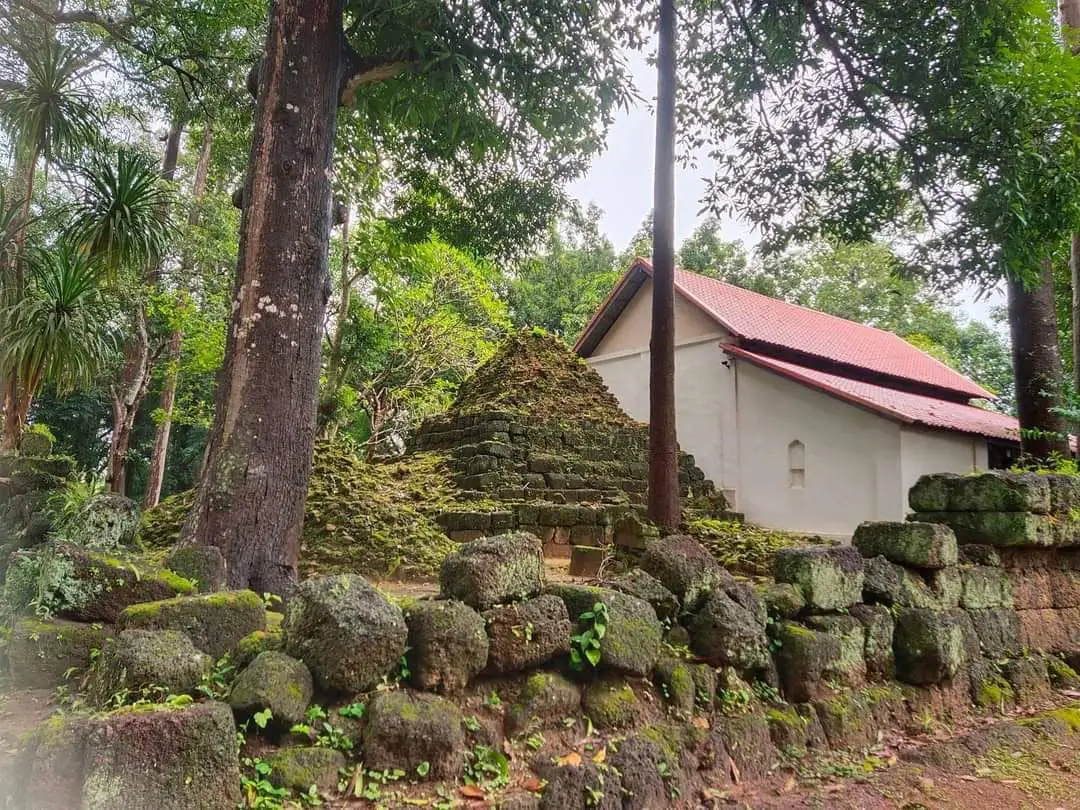
Wat Ku Kaeo Rattanaram in Udon Thani, also known as Prang Ku Kaeo, is located at Ban Ku Kaeo / Ban Chit, Ban Chit Subdistrict, Ku Kaeo District, Udon Thani Province. It is an important community temple and archaeological site containing laterite ruins associated with an ancient Arokayasala, or hospital shrine, from the period of King Jayavarman VII around the 18th Buddhist century. The temple is meaningful not only as a place of worship for the local community, but also as a rare cultural site where Buddhism, ancient medicine, Bayon-period Khmer influence, and Isan community traditions meet in one place.
The name of Wat Ku Kaeo Rattanaram reflects the identity of Ku Kaeo District itself. Local people originally called the temple Wat Ku because there was a “ku,” or ancient laterite sanctuary, within the temple grounds. The present name preserves the old identity while giving the temple a more auspicious formal name. Visitors therefore encounter both a living Buddhist temple and an archaeological monument that has preserved local memory for centuries.
The ancient structure inside the temple is made of laterite and consists of a main sanctuary, a vihara, a rectangular laterite enclosure wall, and an entrance gate on the eastern side. This layout corresponds with the type of Arokayasala built during the reign of King Jayavarman VII. These sites were religious complexes connected with healing and care, influenced by Bayon-period Mahayana Buddhist belief. The important Buddhist figure associated with such hospital shrines is Bhaisajyaguru Vaiduryaprabha, the Medicine Buddha, who symbolizes healing, compassion, and the relief of suffering.
In the context of Wat Ku Kaeo Rattanaram, the meaning of Arokayasala is deeper than the modern idea of a hospital. It was a sacred place where healing, faith, religious practice, and care for people were connected. A site like this shows that ancient communities did not separate physical illness from spiritual suffering. The temple therefore gives visitors an opportunity to understand how religion and healing were linked in the ancient Khmer cultural world.
King Jayavarman VII was one of the most important rulers of the Khmer Empire. His reign is known for Buddhist building projects, roads, rest houses, bridges, and hospital shrines. The presence of an Arokayasala at Wat Ku Kaeo Rattanaram shows that the Ku Kaeo area was connected to wider regional networks of culture, religion, and movement across the Khmer world. This makes the site especially valuable for travelers who want to understand Udon Thani beyond modern provincial boundaries.
Prang Ku Kaeo is the heart of the temple. Its beauty does not come from polished newness, but from the texture of laterite blocks that have passed through centuries of time. Each remaining stone reflects craftsmanship, faith, and historical memory. Even though the structure is no longer complete in its original form, the surviving walls and sanctuary elements allow visitors to imagine the original layout and the sacred role the site once played in the community.
Local people in Ban Chit and Ku Kaeo District continue to regard Wat Ku Kaeo Rattanaram as a sacred place. The temple is associated with local belief in Pho Tue and Pho Tan, sacred presences connected with the ancient sanctuary. This living belief makes the site more than an archaeological monument. It remains a place where local people come to worship, make offerings, hold ceremonies, and maintain a spiritual relationship with the past.
Every year on the full moon day of the sixth lunar month, local people organize Bun Duean Hok, an important annual tradition of Ku Kaeo District. The ceremony includes worship and offerings to Prang Ku Kaeo for good fortune, family well-being, and community prosperity. People from Ban Chit who work elsewhere often return home for this event, making it a powerful moment of reunion, faith, and cultural continuity.
The Bun Bang Fai, or rocket festival, associated with Wat Ku Kaeo Rattanaram is also an important local tradition. In Isan culture, rocket festivals are linked with the seasonal cycle, rainfall, agriculture, and fertility. When connected with the worship of Prang Ku Kaeo, the festival brings together Buddhism, local belief, ancient sacred space, and agricultural life. Visitors who come during this period can experience the temple not only as a historical site, but as a living cultural center of the district.
One of the most important qualities of Wat Ku Kaeo Rattanaram is the coexistence of an active Buddhist temple and an ancient monument in the same space. The temple still supports community worship, merit-making, monastic residence, and local ceremonies, while the laterite sanctuary preserves the memory of the Bayon-period religious world. This layered continuity allows visitors to see how sacred meaning has shifted and continued from the ancient Mahayana Buddhist context to present-day Isan Buddhist practice.
Wat Ku Kaeo Rattanaram is suitable for many types of visitors. Those interested in archaeology can study the laterite sanctuary and Arokayasala layout. Those interested in Buddhism can learn about the Medicine Buddha and ancient healing beliefs. Cultural travelers can understand Bun Duean Hok and Bun Bang Fai traditions. Devotional visitors can make merit, pay respect, and experience the atmosphere of a rural Isan temple that still serves its community.
A meaningful visit should take at least 45 minutes to 1 hour. Visitors should begin at the main entrance and slowly observe the sanctuary, vihara, enclosure wall, eastern gate, and surrounding temple areas. Walking slowly helps visitors understand that the ruins are not isolated stones, but parts of an organized sacred complex that once had a clear religious and social function.
Because Wat Ku Kaeo Rattanaram is both an active temple and an archaeological site, visitors should behave respectfully. They should not climb on laterite structures, write on stones, touch ancient remains inappropriately, speak loudly, or disturb monks and worshippers. Photography should be done with care. Respectful conduct helps preserve both the religious atmosphere and the archaeological value of the site.
Getting There from Udon Thani city can be done by traveling toward Nong Han District or Kumphawapi District, then continuing to Ku Kaeo District and Ban Chit Subdistrict. The distance from Udon Thani city is about 55-65 kilometers, depending on the selected route. A private car, rental car, or chartered local vehicle is the most convenient option. The temple can be combined with Wat Pa Si Khunaram, Nong Han, Kumphawapi, Red Lotus Lake, or Ban Chiang National Museum in a one-day route.
From Nong Han District, travel to Ku Kaeo and Ban Chit is convenient because these districts are part of the same broader local route network in northern and central Udon Thani. Visitors may stay in Nong Han and visit Wat Ku Kaeo Rattanaram in the morning, or combine the temple with Ban Chiang and Red Lotus Lake. This creates a route that includes Khmer-period archaeology, prehistoric world heritage, Buddhist temples, and natural scenery.
The best times to visit are in the morning and late afternoon. Morning is cooler and suitable for worship and careful observation of the laterite structures. Late afternoon light makes the texture of the laterite walls and sanctuary clearer for photography. The most culturally significant time to visit is during Bun Duean Hok, when the local worship ceremony and rocket festival bring the temple into its strongest community role.
For international visitors, Wat Ku Kaeo Rattanaram offers a strong introduction to the historical diversity of northeastern Thailand. It shows that Udon Thani was connected with Khmer civilization, Bayon art, Mahayana Buddhist belief, and ancient systems of healing. It also shows how an ancient sacred site can continue as a living community temple in modern Isan. This makes the temple a valuable stop for travelers who want to understand regional history beyond major tourist cities.
Considering its Arokayasala background, laterite sanctuary, eastern gate, enclosure wall, belief in Pho Tue and Pho Tan, annual Bun Duean Hok ceremony, rocket festival, and continuing role in Ban Chit community life, Wat Ku Kaeo Rattanaram is one of the most meaningful places to visit in Ku Kaeo District. Visitors can pay respect, learn about ancient healing shrines, study Khmer-period architecture, and experience living Isan culture in one place.
| Name | Wat Ku Kaeo Rattanaram, also known as Prang Ku Kaeo |
| Location | Ban Ku Kaeo / Ban Chit, Ban Chit Subdistrict, Ku Kaeo District, Udon Thani Province, Thailand |
| Address | Village No. 7, Ban Chit Subdistrict, Ku Kaeo District, Udon Thani 41130, Thailand |
| Highlights | Laterite Arokayasala ancient monument, main sanctuary, vihara, laterite enclosure wall, eastern gate, belief in Pho Tue and Pho Tan, Bun Duean Hok ceremony, Prang Ku Kaeo worship ceremony, and annual rocket festival |
| History | An Arokayasala, or hospital-shrine complex, from the reign of King Jayavarman VII around the 18th Buddhist century. It shows Bayon-period influence and is connected with the Medicine Buddha, Bhaisajyaguru Vaiduryaprabha |
| Name Origin | The temple was originally known locally as Wat Ku because of the ancient laterite sanctuary, or ku, within the temple grounds. The present name Wat Ku Kaeo Rattanaram preserves this old identity in a formal temple name |
| Distinctive Features | An active local Buddhist temple and an important archaeological site in the same space, preserving both community worship and Khmer-period laterite architecture |
| Travel Information | From Udon Thani city, travel toward Nong Han District or Kumphawapi District, then continue to Ku Kaeo District and Ban Chit Subdistrict. The distance is about 55-65 km. A private car, rental car, or chartered local vehicle is recommended |
| Current Status | Open for worshippers, visitors, and archaeology enthusiasts to pay respect, make merit, walk around the ancient monument, and join local traditions during annual festivals |
| Open Days | Daily |
| Opening Hours | 08.00 – 17.00 |
| Facilities | Temple courtyard, worship area, ancient monument viewing area, temple hall, merit-making area, community activity area, and parking area according to local temple conditions |
| Main Areas / Zones | Laterite Main Sanctuary Vihara Within The Ancient Monument Group Rectangular Laterite Enclosure Wall Eastern Entrance Gate Prang Ku Kaeo Worship Area Pho Tue And Pho Tan Sacred Belief Area Bun Duean Hok And Rocket Festival Area Temple Hall And Merit-Making Area Monastic Area And Monks’ Residences |
| Abbot / Caretaker | Phra Amnat Athipanyo, Abbot of Wat Ku Kaeo Rattanaram |
| Important Tradition | Bun Duean Hok on the full moon day of the sixth lunar month includes worship of Prang Ku Kaeo and a rocket festival honoring Wat Ku Kaeo Rattanaram. It is one of the most important annual traditions of Ku Kaeo District |
| Nearby Local Office | Ku Kaeo Subdistrict Municipality, Ku Kaeo District, Udon Thani Province |
| Nearby Tourist Attractions | 1. Prang Ku Kaeo / Ancient Monument Inside Wat Ku Kaeo Rattanaram, about 0 km 2. Wat Pa Si Khunaram, Ban Chit Subdistrict, about 3 km 3. Ku Kaeo District Office, about 4 km 4. Nong Han District Town, about 22 km 5. Kumphawapi District Town, about 30 km 6. Red Lotus Lake, Kumphawapi, about 35 km 7. Ban Chiang National Museum, about 40 km, Tel. 042-235-040 8. Wat Pho Si Nai And Ban Chiang Excavation Pit, about 40 km 9. Udon Thani City, about 55-65 km |
| Nearby Restaurants | 1. PunThai Coffee Ku Kaeo 2, Ban Chit Subdistrict, about 2 km, Tel. 093-576-4217 2. Steak Nok Mueang Cafe Nong Han, about 22 km, Tel. 080-010-2216 3. Khanom Chin Chao Wang Nong Han, about 22 km, Tel. 098-828-9955 4. Jungle Cafe Nong Han Branch, about 23 km, Tel. 085-646-9149 5. Tam Tu Pu Kumphawapi, about 30 km, Tel. 097-170-0679 6. Shabu Imdee Kumphawapi, about 30 km, Tel. 086-630-9933 7. PunThai Coffee Kumphawapi Hospital, about 30 km, Tel. 061-031-3406 8. PunThai Coffee Kumphawapi, about 30 km, Tel. 062-601-2022 |
| Nearby Accommodations | 1. Ku Kaeo Resort, Ban Chit Subdistrict, about 2 km, Tel. 088-322-9027 2. Nonghan Grand Hotel And Resort, Nong Han District, about 25 km, Tel. 042-111-408, 098-175-1235 3. PP Place Nong Han, Udon Thani, about 25 km, Tel. 081-471-6779 4. Able House Resort, Nong Han District, about 26 km, Tel. 090-293-9352 5. Kasalong View Resort Nonghan, about 27 km, Tel. 042-261-233 6. Moai Homeplace, Nong Han District, about 30 km, Tel. 099-587-9990 7. Chokdee Resort, Nong Han District, about 30 km, Tel. 081-184-0222 8. Accommodations In Udon Thani City, about 55-65 km |
Frequently Asked Questions (FAQ)
Q: Where is Wat Ku Kaeo Rattanaram located?
A: Wat Ku Kaeo Rattanaram, also known as Prang Ku Kaeo, is located at Ban Ku Kaeo / Ban Chit, Ban Chit Subdistrict, Ku Kaeo District, Udon Thani Province. It contains a laterite Arokayasala ancient monument within the temple grounds.
Q: What are the opening days and hours of Wat Ku Kaeo Rattanaram?
A: Wat Ku Kaeo Rattanaram is open daily from 08.00 to 17.00. Morning and late afternoon are suitable times for worship, merit-making, and walking around the laterite ancient monument.
Q: Why is the ancient monument at Wat Ku Kaeo Rattanaram important?
A: The ancient monument is an Arokayasala, or hospital-shrine complex, from the period of King Jayavarman VII around the 18th Buddhist century. It has value for archaeology, history, Buddhism, and ancient healing beliefs.
Q: What can visitors see inside Wat Ku Kaeo Rattanaram?
A: Visitors can see the laterite main sanctuary, vihara, rectangular laterite enclosure wall, eastern entrance gate, worship area for Prang Ku Kaeo, and temple areas used by the local community.
Q: Who is the abbot of Wat Ku Kaeo Rattanaram?
A: The abbot of Wat Ku Kaeo Rattanaram is Phra Amnat Athipanyo. The temple remains an active local Buddhist temple with resident monks and community religious activities.
Q: What is the main annual tradition at Wat Ku Kaeo Rattanaram?
A: The main tradition is Bun Duean Hok on the full moon day of the sixth lunar month. It includes worship of Prang Ku Kaeo and a rocket festival honoring Wat Ku Kaeo Rattanaram.
Q: How can travelers get to Wat Ku Kaeo Rattanaram?
A: From Udon Thani city, travel toward Nong Han District or Kumphawapi District, then continue to Ku Kaeo District and Ban Chit Subdistrict. The distance is about 55-65 km, and a private car, rental car, or chartered local vehicle is recommended.
Q: What nearby places can visitors combine with Wat Ku Kaeo Rattanaram?
A: Nearby places include Wat Pa Si Khunaram, Nong Han District, Kumphawapi District, Red Lotus Lake, Ban Chiang National Museum, Wat Pho Si Nai, and Udon Thani city.
 Category: ●Places of Worship
 Group: ●Temple
Last Update : 2 MonthAgo
 Last Update : 2 MonthAgo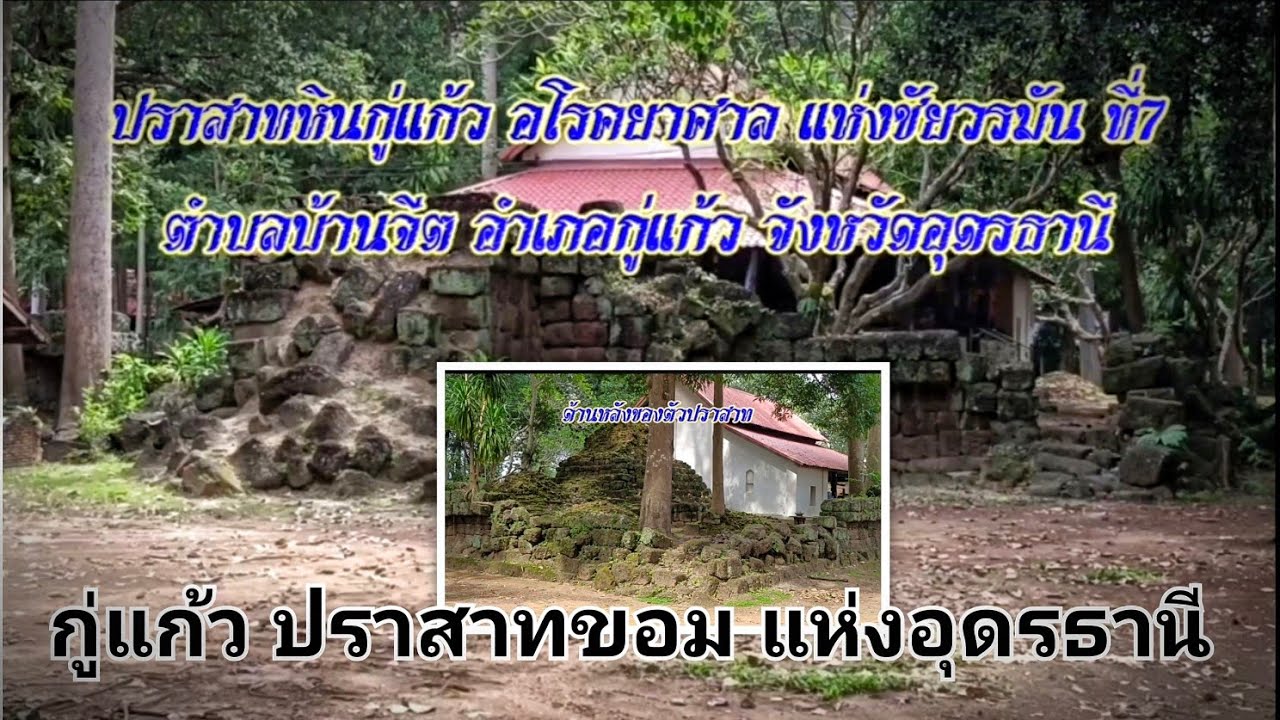
 Click to Access the Navigation Map GPS
Wat Ku Kaeo Rattanaram Map
Recommend

 Art, Culture and Heritage
 Historical Sites and Monuments(1)
 Landmarks and Memorials(1)
 Art, Craft Centres, Tradition(2)
 Museums(2)
Temple(21)
Museums(2)
Temple(21)
 Other Sacred Sites(8)
 Suburban Living
 Village, Community(3)
 Nature and Wildlife
 National Parks and Marine Reserves(3)
 Mountain (Doi)(1)
 Dam, Reservoir, Lake(8)
 Waterfalls(6)
 Caves(1)
 River, Canal(4)
 Islands(1)
 Other natural attractions(1)
 Entertainment and Agricultural
 Farms, Parks and Ecotourism(3)
 Waterpark(1)
 Shopping
 Shopping and Night Market(1)


