
lovethailand home >Northeastern Travel Attractions >Udon Thani Travel Attractions >Wang Sam Mo >Kham Khok Sung > Lam Nam Pao Riverside
TL;DR: Lam Nam Pao Riverside is located at Ban Laem Thong, Moo 8, And Ban Tha Samran, Moo 7, Kham Khok Sung Subdistrict, Wang Sam Mo District, Udon Thani Province, open Daily, hours 08.00 – 17.00.
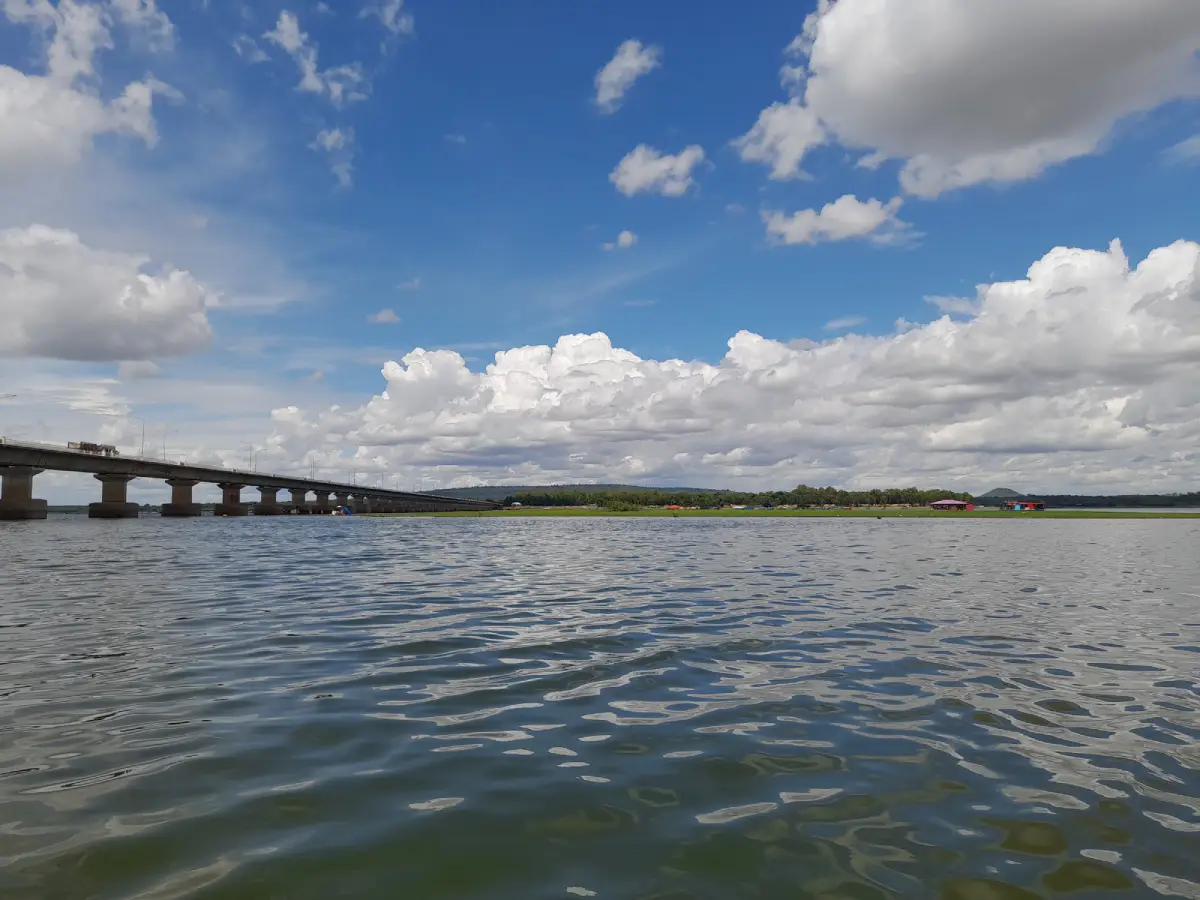
Lam Nam Pao Riverside
Open Days: Daily
Opening Hours: 08.00 – 17.00
Lam Nam Pao Riverside in Udon Thani is a peaceful community-based riverside destination located around Ban Laem Thong, Moo 8, and Ban Tha Samran, Moo 7, in Kham Khok Sung Subdistrict, Wang Sam Mo District, Udon Thani Province. The main charm of this place is the calm and cool atmosphere of the Lam Nam Pao waterway, the quiet rural scenery, and the daily life of local communities that have long depended on the river for fishing, farming, food, and conservation-based tourism. This is not a large commercial tourist attraction. It is a living riverside landscape where nature, livelihoods, and local culture continue to exist together.
Lam Nam Pao is an important waterway connected with the border area between Wang Sam Mo District in Udon Thani Province and nearby districts in Kalasin Province. In Kham Khok Sung Subdistrict, the river forms part of the natural landscape and supports local ways of life. Ban Laem Thong and Ban Tha Samran are closely connected with this river. Local people use the waterway for fishing, fish cage farming, net casting, traditional fish traps, riverside activities, and community-based tourism. For travelers who want to see a quieter and more authentic side of Udon Thani, Lam Nam Pao Riverside offers a meaningful rural experience.
The beauty of Lam Nam Pao Riverside lies in its simplicity. Visitors will find calm water, cool air near the river, trees along the bank, local houses, fishing tools, and village scenery rather than crowds or large-scale facilities. The place is ideal for slow travel, quiet observation, photography, and learning about riverside community life. Ban Laem Thong in particular is known as a small community with strong links to fishing, farming, food production, and eco-oriented local tourism. The river is not only a scenic background; it is a source of livelihood and identity for the people who live beside it.
Ban Laem Thong is a small riverside village with a distinctive character shaped by its location near Lam Nam Pao. Local residents traditionally work in farming, rice cultivation, gardening, and fishing. The river provides fish and aquatic resources, while the surrounding land supports crops, fruit trees, and shade-giving plants. Freshwater fish and other aquatic ingredients are central to local food. This makes the village a good place to understand how a rural Isan community uses nearby natural resources in everyday life. A visit here gives travelers a clearer view of the relationship between water, food, agriculture, and community resilience.
Ban Tha Samran, Moo 7, is another village connected with the riverside landscape of Kham Khok Sung. The name itself gives a feeling of a riverside settlement, a place of rest, and a local landing area. Although it is not a major commercial attraction, it adds cultural and geographic depth to the Lam Nam Pao riverside route. Travelers can combine Ban Tha Samran with Ban Laem Thong to see how different village areas relate to the same waterway and the same rural environment.
The geography of Kham Khok Sung Subdistrict is largely agricultural. Rice, sugarcane, cassava, and other crops are part of the local economy. The sections of the subdistrict connected with Lam Nam Pao are especially important because water supports the wider landscape and strengthens rural livelihoods. Even when some water sources are located away from the main farming plots, the river remains a major natural feature that shapes the community’s identity. Lam Nam Pao Riverside therefore allows visitors to see how a river can support villages, farmland, fishery, and community life at the same time.
The destination is suitable for slow community travel. Visitors can enjoy the riverside atmosphere, observe local fishing activities, see fish cages, learn about traditional fishing tools, and experience local food based on freshwater fish. When community activities are available, travelers may take part in raft or boat experiences, observe traditional lifting nets, or visit Ko Kaeo, a place regarded by local people as meaningful to the community. These elements make Lam Nam Pao Riverside more than a simple viewpoint. It is a community landscape with stories, work, food, and water-based knowledge.
The experience changes with the seasons. During periods when the water level is higher, the riverside feels cooler and greener, and the scenery is suitable for relaxing by the water. During drier periods, visitors may see more of the riverbank, the local landing areas, and the ways in which villagers adapt to changes in water levels. Life along a river is never completely fixed. It moves with the season, the water, the fish, and the rhythm of work in the community.
Local food is one of the highlights of Ban Laem Thong and the Lam Nam Pao riverside area. Because villagers are familiar with freshwater fish and aquatic resources, fish-based dishes are naturally important. Visitors may find grilled fish, fish soup, fermented fish flavors, chili dips, and local dishes using seasonal ingredients. Food in this area should be understood as part of the travel experience. It connects the river with the table and shows how local people transform their natural resources into everyday meals and community products.
Ban Laem Thong also has learning activities connected with village knowledge. These include fish processing, sewing, basketry, local fishery, observing fishermen at work, casting nets, catching shrimp with traditional methods, fish cage farming, rafting, lifting nets, and boat trips to Ko Kaeo. These are not activities created only for show. They are based on the actual skills of people who have lived with the river for many years. Travelers interested in cultural learning will find this kind of community experience more meaningful than a quick stop for photographs.
Lam Nam Pao Riverside suits many types of travelers: families looking for a quiet rural experience, photographers interested in riverside life, food travelers who want local freshwater fish dishes, cultural travelers who enjoy community-based tourism, and visitors who want to explore lesser-known places in Udon Thani. Wang Sam Mo District is not usually the first place that mainstream tourists think of, but this is exactly why the area feels calm, local, and authentic.
The river also reflects careful dependence on nature. A riverside community must understand water levels, fish seasons, current, weather, and the condition of the riverbank. Traditional fishing requires patience and local knowledge. Fish cage farming requires regular care and understanding of the water. Fish processing helps add value to local resources. Community tourism creates additional income without forcing villagers to abandon their original way of life. This balance between tradition and adaptation is one of the important strengths of Ban Laem Thong.
The best time to visit is in the morning or late afternoon. Morning offers soft light, a cooler atmosphere, and a chance to see village life begin along the river. Late afternoon is suitable for quiet relaxation, photography, and enjoying the calm surface of the water as the sun becomes softer. During the rainy season, visitors should be careful with wet ground and slippery paths near the river. During the cool season, the weather is more comfortable for walking, photography, and community visits.
For photography, Lam Nam Pao Riverside offers several quiet but attractive scenes: still water in the morning, local boats or rafts, fish cages, traditional fishing tools, villagers working near the water, trees along the riverbank, and the rural atmosphere of Ban Laem Thong. When photographing local people or their work, visitors should ask for permission first. This is especially important when taking close photographs of fishing activities, household areas, food preparation, or private equipment.
Responsible behavior is essential when visiting a working community space. Visitors should not throw rubbish into the river, enter unsafe water areas, disturb fish cages or fishing equipment, make excessive noise, or enter private areas without permission. If joining rafting, boating, or riverside activities, visitors should follow local instructions and use appropriate safety equipment. The river is both a tourism resource and a working space for the community, so respectful travel helps preserve the place for local people and future visitors.
From a conservation tourism perspective, Lam Nam Pao Riverside has strong potential because it combines nature, fishery, local food, craft, and community hospitality. Ban Laem Thong has been recognized for its friendly residents, unity, and diverse learning activities. These qualities make the village suitable for travelers who want to stay longer, talk with local people, and understand how the community lives with the river. Spending time here allows visitors to see more than scenery; it reveals the human side of the landscape.
Nearby attractions in Wang Sam Mo District can be connected into a one-day route. The Wang Sam Mo City Pillar Shrine is an important sacred place for local residents. It is located around Nong Waeng Khok public pond and is associated with local ceremonies held on the district’s founding day. Wang Sam Mo Forest Park is suitable for travelers who want to add a nature stop to the route. Together with Lam Nam Pao Riverside, these places show different dimensions of Wang Sam Mo: river, forest, community, faith, and local identity.
The Wang Sam Mo City Pillar Shrine is especially important for understanding local faith. Every year on January 8, ceremonies are held in connection with the anniversary of Wang Sam Mo District, including offerings, ritual dance, and processions from different subdistricts. Travelers who are interested in local culture can combine a riverside visit with a stop at the shrine to understand how natural landscapes and community beliefs coexist in the district.
Wang Sam Mo Forest Park is another suitable place to visit after the riverside. It gives travelers a different natural setting from Lam Nam Pao. A route that begins with the quiet river at Ban Laem Thong and continues to a forested area offers a broader picture of the district’s environment. This makes Wang Sam Mo a more complete destination for travelers who appreciate nature and local culture rather than only mainstream tourist sites.
Travelers who want to stay overnight can choose accommodation in Wang Sam Mo town or nearby areas. Options include small hotels, resorts, and daily rooms such as Baan Dholphiwat Hotel, Suk Sabai Resort, Timeless Resort, Meesuk Resort, and Sabaidee Resort. Staying in Wang Sam Mo makes it easier to continue to Lam Nam Pao Riverside, the City Pillar Shrine, forest areas, and local restaurants without needing to travel back to Udon Thani city on the same day.
Restaurants near Lam Nam Pao Riverside are mostly located in Wang Sam Mo town and along main roads. Available choices include traditional noodle shops, Som Tam restaurants, cafés, shabu restaurants, and local food shops. Because the riverside area itself is a rural community, restaurants may not be located directly beside the water. Visitors should plan meals according to the route and combine local community food with restaurants in Wang Sam Mo town.
Getting to Lam Nam Pao Riverside is most convenient by private car or rental car. From Udon Thani city, travel toward Wang Sam Mo District, then continue to Kham Khok Sung Subdistrict and enter Ban Laem Thong or Ban Tha Samran. When approaching the villages, use navigation together with local directions because some riverside areas are community and agricultural spaces rather than formal tourist zones with large signs. Travelers coming from Kalasin can also connect through routes near Nong Kung Si or Tha Khantho and continue toward Wang Sam Mo.
Getting There from Wang Sam Mo town, travel toward Kham Khok Sung Subdistrict and continue to Ban Laem Thong or Ban Tha Samran on local roads. The route is suitable for a half-day community trip. Travelers who enjoy rural driving can combine the riverside with local temples, the Wang Sam Mo City Pillar Shrine, and nature areas in the district. The journey is best planned during daylight hours for easier navigation and safer movement around the riverside.
The main areas around Lam Nam Pao Riverside can be understood as several community zones: Ban Laem Thong riverside, Ban Tha Samran riverside, resting points along the bank, local fishery and fish cage areas, raft and traditional net activity points, fish processing learning areas, village roads, and surrounding agricultural areas. These are not formal commercial zones, but they are real working spaces. Understanding this helps visitors behave respectfully and appreciate the destination more deeply.
A complete day trip can begin with a morning riverside visit at Ban Laem Thong, followed by local food in Wang Sam Mo town, a stop at the City Pillar Shrine or Wang Sam Mo Forest Park in the afternoon, and a return trip in the evening. Travelers who prefer a deeper community experience should allow more time for conversation, observation, and participation in local activities. The best value of this destination comes from spending time, not rushing through it.
Overall, Lam Nam Pao Riverside in Udon Thani is a peaceful and meaningful place for travelers who want to see a quieter side of the province. It offers calm and cool water, fishing traditions, Ban Laem Thong community life, Ban Tha Samran riverside scenery, fish-based local food, community learning activities, and a rural atmosphere that still belongs closely to local people. A visit here is not only about seeing a river. It is about experiencing a living riverside culture where nature, livelihood, food, and community warmth remain closely connected.
| Name | Lam Nam Pao Riverside |
| Location | Ban Laem Thong, Moo 8, And Ban Tha Samran, Moo 7, Kham Khok Sung Subdistrict, Wang Sam Mo District, Udon Thani Province |
| Address | Kham Khok Sung Subdistrict, Wang Sam Mo District, Udon Thani 41280, Thailand |
| Highlights | Calm and cool Lam Nam Pao riverside scenery, local fishery life, fish cage farming, rafting activities, and Ban Laem Thong community-based tourism |
| History | A riverside community area where local people have long used Lam Nam Pao as a resource for farming, fishing, food, and conservation-based tourism |
| Name Origin | Named after its location along Lam Nam Pao in the Ban Laem Thong and Ban Tha Samran areas of Kham Khok Sung Subdistrict |
| Distinctive Features | Quiet river scenery, freshwater fishery, fish cage farming, rafting, traditional lifting nets, and local fish-based food culture |
| Travel Information | Travel by private car or rental car to Wang Sam Mo District, continue to Kham Khok Sung Subdistrict, then enter Ban Laem Thong, Moo 8, or Ban Tha Samran, Moo 7. Use navigation together with local directions when approaching the community. |
| Current Status | Open as a nature and community-based riverside attraction in Wang Sam Mo District, Udon Thani Province |
| Open Days | Daily |
| Opening Hours | 08.00 – 17.00 |
| Facilities | Riverside resting areas, community activities, seasonal raft or boat services, local fish-based food, and homestays in Ban Laem Thong community |
| Main Areas / Zones | Ban Laem Thong Riverside Ban Tha Samran Riverside Riverside Resting Points Fishery And Fish Cage Areas Rafting / Traditional Lifting Net Activity Points Fish Processing Learning Area Village Roads And Surrounding Agricultural Areas |
| Caretaker / Related Local Bodies | Kham Khok Sung Subdistrict Municipality, Wang Sam Mo District, Udon Thani Province Ban Tha Samran Community Leader, Moo 7: Mr. Paitoon Saichampa Ban Laem Thong Community Leader, Moo 8: Mr. Suphat Khotla |
| Main Contact Number | Kham Khok Sung Subdistrict Municipality Tel. 042-217408 |
| Official Website / Official Page | Kham Khok Sung Subdistrict Municipality Website, Wang Sam Mo District, Udon Thani Province |
| Nearby Tourist Attractions | 1. Ko Kaeo, Ban Laem Thong, about 2 km 2. Wang Sam Mo City Pillar Shrine, about 22 km 3. Wang Sam Mo Forest Park, about 40 km 4. Lam Phan Chat Reservoir, about 35 km 5. Local Temples In Kham Khok Sung Subdistrict, about 10 km 6. Ban Laem Thong Fishery Lifestyle Area, about 1 km 7. Ban Tha Samran Community Area, about 3 km |
| Nearby Restaurants | 1. Traditional Tom Yum Noodle Shop Wang Sam Mo, about 24 km, Tel. 082-736-7890 2. Som Tam Khun Koi Wang Sam Mo, about 24 km, Tel. 097-982-6566 3. Jungle Cafe Wang Sam Mo Branch, about 24 km, Tel. 089-520-0391 4. Martin Shabu Wang Sam Mo, about 24 km 5. Local Restaurants In Wang Sam Mo Town, about 24 km 6. Local Fish-Based Food In Ban Laem Thong Community, about 1 km |
| Nearby Accommodations | 1. Ban Laem Thong Community Homestay, about 1 km 2. Baan Dholphiwat Hotel, about 24 km, Tel. 082-846-4618, 061-915-0559, 082-114-1317 3. Suk Sabai Resort Wang Sam Mo, about 24 km, Tel. 099-304-6694 4. Meesuk Resort, about 24 km, Tel. 084-389-4958 5. Sabaidee Resort, about 24 km, Tel. 085-693-6832 6. Timeless Resort, about 25 km, Tel. 042-387-381 7. Chomwang Resort, about 25 km |
Frequently Asked Questions (FAQ)
Q: Where is Lam Nam Pao Riverside in Udon Thani located?
A: It is located around Ban Laem Thong, Moo 8, and Ban Tha Samran, Moo 7, in Kham Khok Sung Subdistrict, Wang Sam Mo District, Udon Thani Province.
Q: What are the opening days and hours?
A: Lam Nam Pao Riverside is open daily from 08.00 to 17.00.
Q: What is the main highlight of Lam Nam Pao Riverside?
A: The main highlight is the calm and cool riverside atmosphere, together with local fishery life, fish cage farming, rafting, traditional lifting nets, and Ban Laem Thong community-based tourism.
Q: What kind of travelers is this place suitable for?
A: It is suitable for travelers who enjoy quiet nature, community-based tourism, local fishery culture, rural photography, and authentic Isan village life.
Q: Is there an entrance fee?
A: No specific entrance fee is listed for the riverside area. If visitors join community activities or use raft, boat, food, or homestay services, fees apply according to the local service provider.
Q: When is the best time to visit?
A: Morning and late afternoon are the best times because the weather is cooler, the light is good for photography, and the calm riverside atmosphere is most pleasant.
Q: What nearby attractions can be visited after Lam Nam Pao Riverside?
A: Nearby places include Ko Kaeo, Wang Sam Mo City Pillar Shrine, Wang Sam Mo Forest Park, Lam Phan Chat Reservoir, and the Ban Tha Samran community area.
Q: How can travelers get there?
A: Travel by private car or rental car to Wang Sam Mo District, continue to Kham Khok Sung Subdistrict, then enter Ban Laem Thong or Ban Tha Samran. Local directions are useful when approaching the riverside community.
 Category: ●Nature and Wildlife
 Group: ●River, Canal
Last Update : 2 MonthAgo
 Last Update : 2 MonthAgo
 Click to Access the Navigation Map GPS
Lam Nam Pao Riverside Map
Recommend

 Art, Culture and Heritage
 Historical Sites and Monuments(1)
 Landmarks and Memorials(1)
 Art, Craft Centres, Tradition(2)
 Museums(2)
 Places of Worship
 Temple(21)
 Other Sacred Sites(8)
 Suburban Living
 Village, Community(3)
 National Parks and Marine Reserves(3)
 Mountain (Doi)(1)
 Dam, Reservoir, Lake(8)
 Waterfalls(6)
 Caves(1)
River, Canal(4)
Caves(1)
River, Canal(4)
 Islands(1)
 Other natural attractions(1)
 Entertainment and Agricultural
 Farms, Parks and Ecotourism(3)
 Waterpark(1)
 Shopping
 Shopping and Night Market(1)


