
lovethailand home >Northeastern Travel Attractions >Nong Khai Travel Attractions >Bung Khla >Bung Khla > Bung Khla-Pak Kading Border Trade Checkpoint
TL;DR: Bung Khla-Pak Kading Border Trade Checkpoint is located at Ban Bung Khla, Bung Khla Subdistrict, Bung Khla District, Bueng Kan Province 38000, Thailand, open Tuesday And Friday, hours 08.30 – 16.30.
Bung Khla-Pak Kading Border Trade Checkpoint
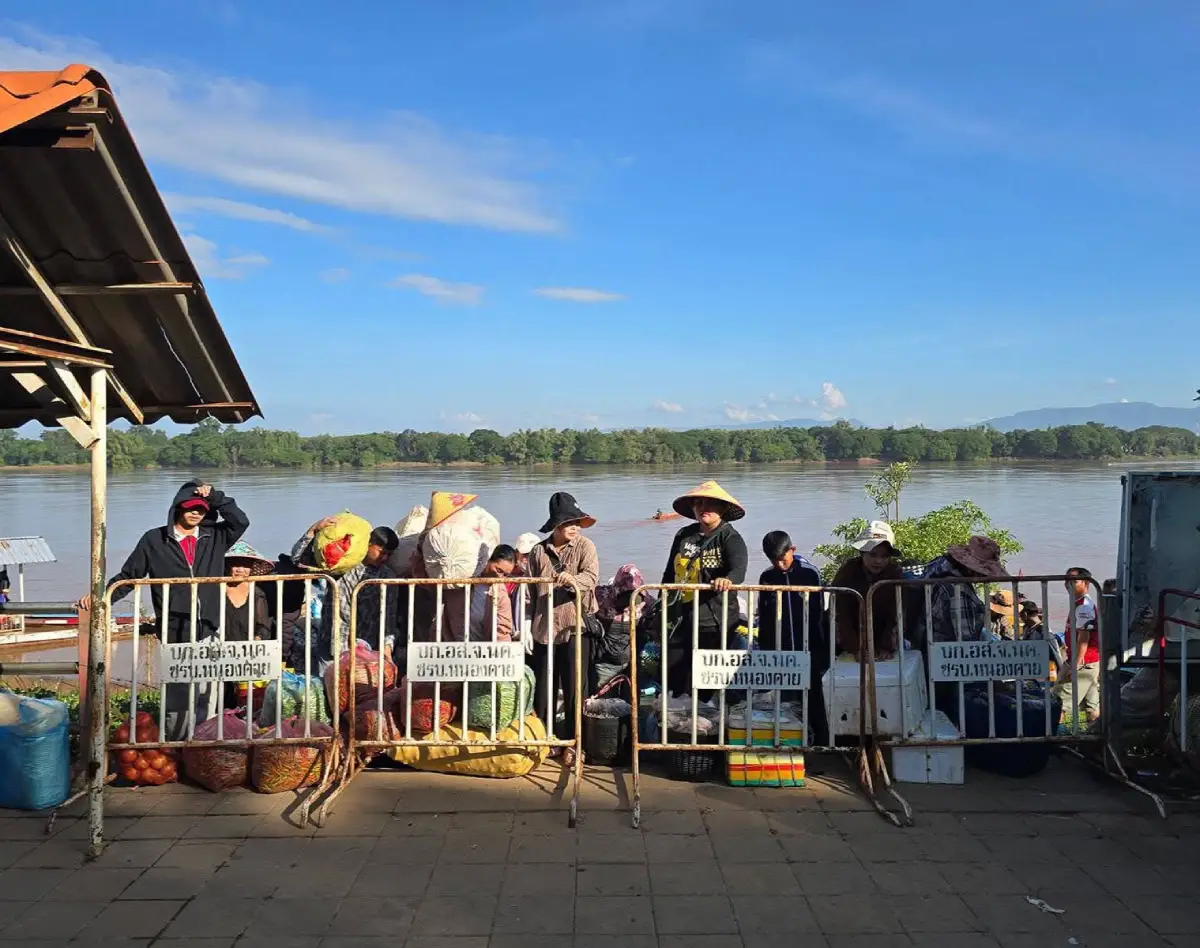
Open Days: Tuesday And Friday
Opening Hours: 08.30 – 16.30
Bung Khla-Pak Kading Border Trade Checkpoint is a Thai–Lao local border trade point on the Mekong River in Bung Khla District, Bueng Kan Province. It stands opposite Ban Pak Kading in Pak Kading District, Bolikhamsai Province, Lao PDR. Some older travel information may still refer to this place as being in Nong Khai, because Bueng Kan was formerly part of Nong Khai Province. Today, however, the checkpoint belongs to Bueng Kan Province. This distinction is important for travelers because the site is not located in Nong Khai town. It is part of a Mekong border route in Bung Khla, a quiet riverside district known for its scenic Mekong views, Thai–Lao community trade, dry-season sandbars, Sida Beach, and the natural landscape between Phu Wua on the Thai side and the mountains of Laos across the river.
This is not a major international border crossing designed for general tourist movement like a permanent immigration checkpoint. It is a local border trade point where community-level exchange takes place between the Thai side at Ban Bung Khla and the Lao side at Ban Pak Kading. The checkpoint opens only on Tuesdays and Fridays from 08.30 to 16.30. On those days, the area becomes more active with border trade and local movement. On other days, travelers can still appreciate the riverside landscape and the peaceful atmosphere of Bung Khla, but they should not expect to see full checkpoint activity.
The goods associated with the checkpoint reflect everyday border life. Thai-side exports include clothing, consumer goods, medicine, food, and essential household items. Goods entering from the Lao side include dried meat, mushrooms, seasonal forest products, and local ingredients used in Mekong-region cooking. These are not merely commercial products. They represent the practical needs of households on both sides of the river. Through these goods, visitors can understand how trade, food, health, and community relationships remain connected along the Thai–Lao Mekong border.
The strongest appeal of Bung Khla-Pak Kading is the combination of border trade and scenery. The Mekong River in this area is wide and atmospheric, with the Lao mountains forming a memorable backdrop. The area does not feel like a crowded border town. Instead, it has the calm and open character of a small riverside community. Visitors can see how the river functions as a boundary, a trade route, a landscape, and a cultural connector all at once. This makes the site especially meaningful for travelers who want to experience Mekong border life beyond famous landmarks.
The riverside area includes an embankment built to protect the Mekong bank from erosion, stretching for about 3 kilometers. This structure helps protect the riverbank while also creating a scenic riverside line where travelers can enjoy views of the river and the opposite Lao side. The embankment gives the area a practical and visual identity. It shows how local communities must live with the seasonal force of the Mekong, protect their land, and still maintain access to the river for trade, travel, and daily life.
During the dry season, when the Mekong water level drops, clean white sandbanks appear along the river. The most recognizable nearby area is Sida Beach, a seasonal freshwater beach in Bung Khla. In the dry months, the riverside becomes a place for relaxation, community activities, and local recreation. The beach atmosphere is very different from Thailand’s coastal beaches. It is quieter, more local, and closely connected to the rhythm of the Mekong. Visitors come here to enjoy the sand, the river view, and the special feeling of a temporary beach created by the changing water level.
Sida Beach is also known for its Songkran activities. Every year around 13–15 April, the Songkran festival at Sida Beach brings local people and visitors together along the Mekong. The event combines the Thai New Year celebration with the geography of the river. It is a community-style Songkran atmosphere rather than a big-city water festival. For travelers, this is one of the most distinctive seasonal experiences in Bung Khla, because it links local tradition, river landscape, and community recreation in a single setting.
Bung Khla-Pak Kading should therefore be seen as more than a checkpoint. It is a layered place with border trade, riverbank protection, dry-season sandbars, Songkran culture, local products, and panoramic Mekong views. Visitors who arrive on a Tuesday or Friday can better observe checkpoint-related activity. Visitors who come in the dry season can enjoy the sandbank landscape. Those who come during Songkran can see the area at its most festive. Each timing creates a different experience of the same riverside district.
Historically and geographically, Bung Khla has a distinctive identity within Bueng Kan Province. It is a district where the Mekong River, Phu Wua forest, Lao mountain scenery, local handicrafts, and border trade meet. Across the river is Pak Kading in Bolikhamsai Province of Laos, an area connected to the Nam Kading River and the wider Mekong landscape. This position gives Bung Khla a strong sense of place. It is not simply a stop on a highway. It is a community shaped by river geography, border connection, forest resources, and traditional livelihoods.
The name Bung Khla is also associated with local identity and community products, especially items connected with the khla plant and local weaving or handicraft knowledge. Travelers who take time to explore the district may find that Bung Khla offers more than scenery. It also has local wisdom, village-based tourism, small community shops, riverside food, and cultural memory. The checkpoint can therefore be included in a broader Bung Khla route that includes both natural and cultural stops.
For visitors, the main experience at Bung Khla-Pak Kading is observation rather than entertainment. The site is suitable for travelers who enjoy quiet places, local geography, and community stories. Walking along the riverside, looking across to Laos, seeing the checkpoint area on an operating day, and continuing to Sida Beach or nearby natural attractions can make the trip more meaningful. It is not the kind of destination that impresses through large buildings. It works through atmosphere, context, and the subtle details of border life.
The best time to visit depends on the purpose of the trip. Travelers who want to see the border trade point should come on Tuesday or Friday during opening hours. Travelers who want to photograph the river and enjoy a calm atmosphere should visit in the morning or late afternoon. Travelers interested in the seasonal sandbank and Sida Beach should choose the dry season. Those who want to experience local festivities should plan around the Songkran period in mid-April. In all cases, the riverside setting is strongest when the light is soft and the temperature is comfortable.
Getting There is easiest by private car, rental car, or locally hired vehicle. From Bueng Kan town, drive along Highway 212 toward Bung Khla District. The distance from Bueng Kan town to the Bung Khla border trade area is about 39–42 kilometers depending on the exact route. Once in Bung Khla, continue toward the Mekong riverside and the checkpoint area. The route is suitable for a day trip, but staying overnight in Bung Khla or nearby areas allows travelers to enjoy the river scenery more slowly.
Public transport is possible only with more planning. Visitors can travel first to Bueng Kan town and then arrange local transport to Bung Khla. However, private transport is strongly more convenient because nearby attractions are spread across the district. Travelers who want to visit the checkpoint, Sida Beach, Tham Fun Waterfall, Phu Wua Wildlife Sanctuary, and other scenic points should plan a flexible route. A car allows easier movement between the river, village areas, and natural sites.
Visitors should understand the difference between sightseeing and border crossing. Walking around public riverside areas, taking photos respectfully, eating at local restaurants, and enjoying the scenery are different from crossing the border or carrying out trade activity. Anyone who intends to cross or conduct formal border-related activity should check the current rules directly with local officials. A local checkpoint may have restrictions that differ from a permanent international border checkpoint.
Safety near the Mekong River is important. Water levels, currents, and riverbank conditions change by season. Visitors should avoid entering the water in unsupervised areas, especially during the rainy season or when currents are strong. During the dry season, sandbanks may look inviting, but travelers should stay in areas commonly used by locals and avoid unstable sand or deep water channels. Families with children or elderly visitors should stay close to safe walking areas.
Bung Khla-Pak Kading is suitable for several kinds of travelers. Cultural travelers can learn about Thai–Lao border relationships at the community level. Nature lovers can appreciate Mekong views, Lao mountain scenery, dry-season sandbanks, and nearby Phu Wua landscapes. Food travelers can observe the ingredients and products exchanged through border trade. Foreign travelers can experience a quieter and more local side of the Mekong that differs from more famous river towns such as Nong Khai or Chiang Khan.
The place becomes more interesting when visitors slow down. Small details matter here: boats by the river, the embankment protecting the bank, the open view toward Pak Kading, local goods, village roads, seasonal sand, and the sound of everyday community life. These details reveal the identity of Bung Khla more clearly than a quick stop would. A traveler who rushes through may see only a riverside area, but a traveler who takes time will see a living border landscape.
Songkran at Sida Beach is one of the most memorable seasonal experiences in the area. The dry-season beach becomes a community gathering place where people celebrate the Thai New Year in a riverside setting. The mood is local, open, and closely connected with the Mekong. Visitors who come during the festival should follow safety guidance, respect local customs, and use designated activity areas. The event is best understood as a community celebration rather than a commercial tourist show.
A good one-day route can start from Bueng Kan town in the morning, continue to Bung Khla-Pak Kading, walk along the Mekong riverside, visit Sida Beach, have lunch in Bung Khla, and continue to Tham Fun Waterfall or the Phu Wua area. The route is especially suitable for travelers who want to experience the quiet eastern side of Bueng Kan Province. It offers river scenery, border culture, forest-edge landscapes, and local food within a manageable distance.
With two days and one night, travelers can enjoy the district more comfortably. Staying in or near Bung Khla allows time for sunset or sunrise by the Mekong, local meals, and a slower visit to nearby attractions. Small riverside resorts and local accommodations provide a quieter travel rhythm than staying only in Bueng Kan town. This type of trip suits travelers who prefer depth, atmosphere, and local life over rushed sightseeing.
Bung Khla-Pak Kading Border Trade Checkpoint is therefore a meaningful destination for travelers who want to understand Bueng Kan as a Mekong border province. It combines trade, geography, local identity, dry-season river scenery, and seasonal community traditions. The place may appear simple, but its significance is strong. It shows how people live with the river, how communities remain connected across national borders, and how a small local checkpoint can tell a larger story about the Mekong region.
Travelers should prepare small cash for local purchases, water, sun protection, and comfortable walking shoes. Check the operating days before traveling. Choose Tuesday or Friday for checkpoint activity, the dry season for sandbank scenery, and morning or evening for the best light along the river. Good planning makes the visit more rewarding because the area changes depending on day, season, and time.
Ultimately, Bung Khla-Pak Kading is one of the places that reveals the real character of Bueng Kan. It is not defined by size or crowds, but by the quiet power of the Mekong, the presence of Laos across the water, the continuing rhythm of border trade, the white sand of the dry season, the protective riverside embankment, and the local celebration of Songkran at Sida Beach. For travelers who want to see Bueng Kan beyond its famous natural landmarks, this checkpoint and its riverside surroundings offer a valuable and grounded experience.
| Name | Bung Khla-Pak Kading Border Trade Checkpoint / Bung Khla Border Trade Checkpoint |
| Location | Ban Bung Khla, Bung Khla Subdistrict, Bung Khla District, Bueng Kan Province 38000, Thailand |
| Address | Mekong riverside area in Bung Khla District, Bueng Kan Province, opposite Ban Pak Kading, Pak Kading District, Bolikhamsai Province, Lao PDR |
| Highlights | Thai–Lao local border trade point, Mekong views, Lao mountain scenery, dry-season white sandbanks, Sida Beach, and a riverbank protection embankment about 3 km long |
| History / Importance | A local trade point connecting Ban Bung Khla on the Thai side with Ban Pak Kading on the Lao side, supporting the exchange of consumer goods, food, medicine, clothing, dried meat, mushrooms, and seasonal local products |
| Name Origin | The name comes from Ban Bung Khla in Thailand and Ban Pak Kading in Laos, located opposite each other across the Mekong River |
| Distinctive Features | A Mekong border area combining community trade, natural scenery, dry-season sandbars, and Songkran activities at Sida Beach |
| Travel Information | From Bueng Kan town, take Highway 212 toward Bung Khla District for about 39–42 km, then continue to the Mekong riverside and checkpoint area. Private car, rental car, or local hired vehicle is the most practical option |
| Current Status | Open as a local border trade checkpoint in Bung Khla District, Bueng Kan Province, on Tuesdays and Fridays |
| Open Days | Tuesday And Friday |
| Opening Hours | 08.30 – 16.30 |
| Fees | No admission fee for the public riverside area |
| Facilities | Community parking areas, Mekong riverside road, viewpoint areas, local shops, and restaurants in Bung Khla District |
| Main Areas / Zones | Border Trade Checkpoint Area, Mekong Riverbank Embankment, Pak Kading Viewpoint, Dry-Season Sandbank Area, Sida Beach, Songkran At Sida Beach Activity Area, Mekong Riverside Route, and Bung Khla Community Area |
| Caretaker | Bung Khla Subdistrict Administrative Organization / Bueng Kan Customs House for customs-related information and supervision |
| Main Contact Number | Bung Khla Subdistrict Administrative Organization, Tel. 042-499-193 / Bueng Kan Customs House, Tel. 042-491-001 To 3 |
| Nearby Tourist Attractions | 1. Sida Beach, about 1 km 2. Phra That Chedi Phuttha Chayanti, about 2 km 3. Sapaan King Ka, Bung Khla, about 3 km 4. Tham Fun Waterfall, about 11 km 5. Phu Wua Wildlife Sanctuary, about 12 km, Tel. 085-464-6363 6. Wat Ahong Silawat / Kaeng Ahong, about 22 km 7. Hin Sam Wan, Phu Sing, about 75 km |
| Nearby Restaurants | 1. Krua Rim Khong, Bung Khla, about 1 km, Tel. 061-056-8964 2. Kham Khun Café Rim Khong Bung Khla, about 1 km, Tel. 061-381-5627 3. Coconutto Maprao Phao Nom Sot Bung Khla, about 2 km 4. Bung Khla Riverside Community Restaurant Area, about 2 km 5. Local Food Shops In Bung Khla Town, about 2 km |
| Nearby Accommodations | 1. Ban Pak Rim Doi Resort, about 7 km, Tel. 081-965-2429 2. Mekong Sky Resort, Bung Khla, about 3 km, Tel. 098-270-9475 3. The Kanna Resort, about 6 km 4. Bung Khla Community Accommodation, about 2 km 5. Riverside Homestays And Local Stays In Bung Khla, about 3 km |
Frequently Asked Questions (FAQ)
Q: Where is Bung Khla-Pak Kading Border Trade Checkpoint located?
A: It is located at Ban Bung Khla in Bung Khla District, Bueng Kan Province, along the Mekong River, opposite Ban Pak Kading in Bolikhamsai Province, Lao PDR.
Q: What days is Bung Khla-Pak Kading Border Trade Checkpoint open?
A: It opens on Tuesdays and Fridays from 08.30 to 16.30.
Q: Is the checkpoint in Nong Khai or Bueng Kan?
A: It is currently in Bueng Kan Province. Some older information still refers to Nong Khai because Bueng Kan was formerly part of Nong Khai Province.
Q: What goods are traded through this checkpoint?
A: Thai-side exports include clothing, consumer goods, medicine, and food. Goods from Laos include dried meat, mushrooms, seasonal forest products, and local food ingredients.
Q: Is there an admission fee?
A: There is no admission fee for the public riverside area. Travelers who plan to cross the border or conduct trade should check current rules directly with local officials.
Q: When is the best time to visit?
A: Visit on Tuesday or Friday to see checkpoint activity. Visit during the dry season for white sandbanks and in the morning or late afternoon for comfortable weather and good Mekong views.
Q: How is Sida Beach related to Bung Khla-Pak Kading?
A: Sida Beach is a nearby dry-season Mekong sandbank area in Bung Khla. It is also known for Songkran activities held around 13–15 April each year.
Q: What nearby places can travelers visit after the checkpoint?
A: Nearby places include Sida Beach, Phra That Chedi Phuttha Chayanti, Sapaan King Ka, Tham Fun Waterfall, Phu Wua Wildlife Sanctuary, Wat Ahong Silawat, and Kaeng Ahong.
 Category: ●Suburban Living
 Group: ●Local Market
Last Update : 2 MonthAgo
 Last Update : 2 MonthAgo
Recommend

 Art, Culture and Heritage
 Historical Sites and Monuments(1)
 Landmarks and Memorials(2)
 Art, Craft Centres, Tradition(1)
 Educational Places
 Educational Gardens, Farm(1)
 Places of Worship
 Temple(16)
 Mosque(1)
 Other Sacred Sites(8)
 Village, Community(3)
Local Market(4)
Village, Community(3)
Local Market(4)
 Nature and Wildlife
 National Parks and Marine Reserves(2)
 Dam, Reservoir, Lake(2)
 Waterfalls(4)
 River, Canal(8)
 Bays and Beaches(1)
 Entertainment and Agricultural
 Farms, Parks and Ecotourism(2)
 Shopping
 Shopping and Night Market(1)


