
lovethailand home >Northeastern Travel Attractions >Nong Khai Travel Attractions >Se Ka >Tha Kok Daeng > Songkhram River
TL;DR: Songkhram River is located at Ban Tha Kok Daeng Area, Tha Kok Daeng Subdistrict, Seka District, Bueng Kan Province, connected with the Songkhram River basin and the, open Daily, hours 24 Hours.
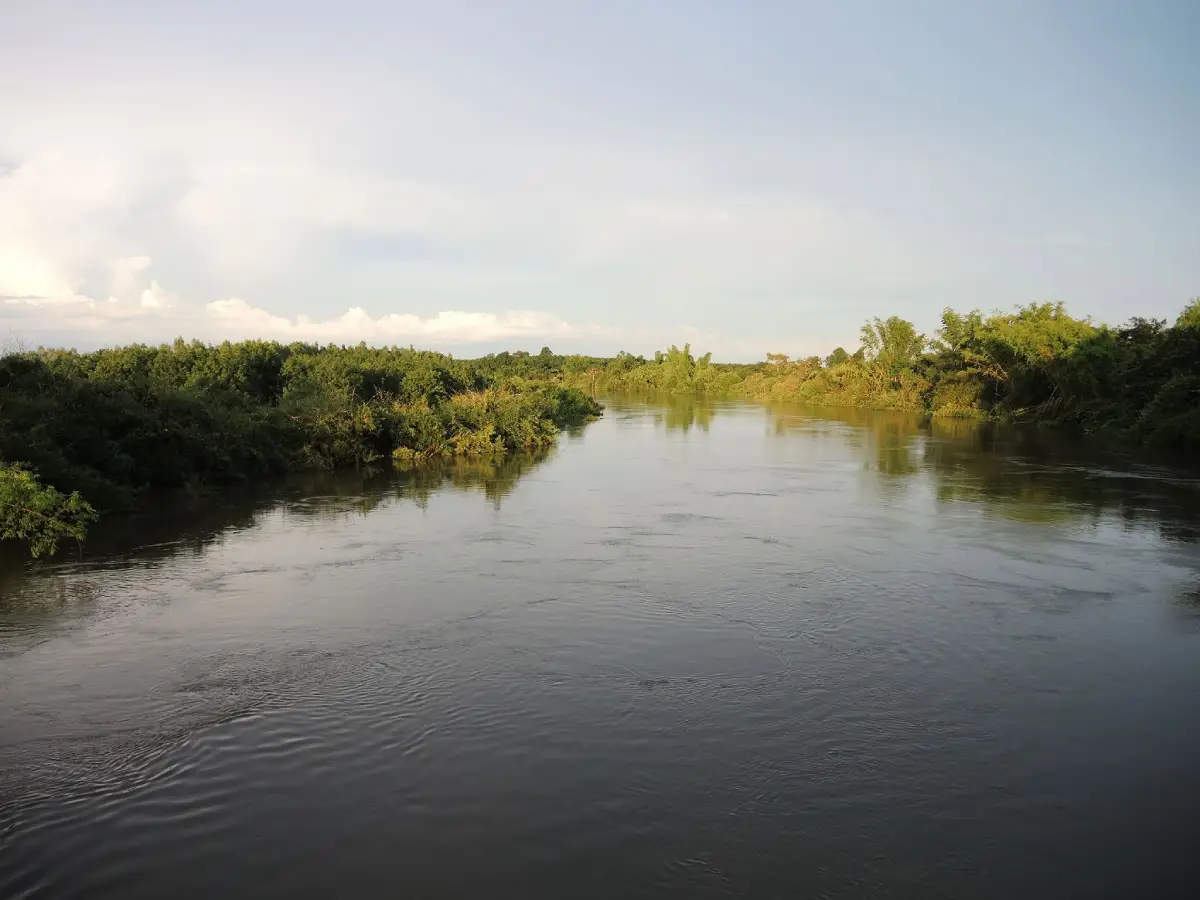
Songkhram River
Open Days: Daily
Opening Hours: 24 Hours
Songkhram River, still commonly searched under the older travel name Songkhram River Nong Khai, is an important natural waterway in the Ban Tha Kok Daeng area of Tha Kok Daeng Subdistrict, Seka District, Bueng Kan Province. Although some older travel listings still place this destination under Nong Khai, the current travel context should be understood as Tha Kok Daeng, Seka District, Bueng Kan. In this area, the Songkhram River functions as a natural boundary, a community economy, a riverside relaxation area, a freshwater fishery, a fish-cage farming zone, and a scenic water landscape connected with the daily life of Ban Tha Kok Daeng.
The Songkhram River is not only a river to look at from a distance. It is a working community river that supports food, income, farming, fishing, aquaculture, local restaurants, and riverside recreation. Tha Kok Daeng Subdistrict is a lowland floodplain area where the Songkhram River is the main waterway and several smaller tributaries connect with the surrounding agricultural land. This setting gives the river an important role in local life. Visitors who come here can see how water, fish, fields, riverbank trees, floating restaurants, and local households form one living landscape.
One of the key attractions of the Songkhram River around Tha Kok Daeng is its quiet riverside scenery. The river flows through a rural landscape, with trees, agricultural land, fish cages, floating platforms, and community activity along parts of the bank. The view is not heavily commercialized, and that is part of its charm. Travelers can relax by the water, enjoy local food when floating restaurants are available, photograph the river and fish cages, and experience a calm riverside atmosphere that feels closely connected with local life.
The river is an important economic resource for Ban Tha Kok Daeng, especially through freshwater fishing and fish-cage farming. Fish cages along the water reflect the knowledge of local residents, who must understand water level, current, temperature, water quality, and seasonal change. Fish-cage farming is more than a visual feature; it is a household livelihood. When visitors see cages in the river, they are also seeing the economic relationship between the community and the waterway.
For travelers, the Songkhram River is best suited to slow, local-style travel. It is not a large urban park or a highly developed tourist complex. It is a community river area where people still use the water in practical ways. The most suitable activities are riverside relaxation, local food, landscape photography, observing fish cages, learning about freshwater fishing, and using the river as a peaceful stop during a road trip through Seka District and the Highway 222 route.
The older description of the Songkhram River mentions it as a natural boundary between Nong Khai and Sakon Nakhon. With the current administrative setting, the Tha Kok Daeng side is in Bueng Kan Province, while the opposite and connected areas relate to Sakon Nakhon and the wider Songkhram basin. This makes the river more than a scenic line on the map. It is a natural boundary, a water resource, and a shared landscape that links communities, economies, and cultures across the river.
The atmosphere of the Songkhram River changes with the season. During the rainy season and post-rainy season, the water level rises, riverbank vegetation becomes greener, and the floodplain feels more alive. During the cool season, the weather is pleasant and suitable for sitting by the river or dining on a floating platform. During the dry season, the riverbank, fish cages, and local activity become more visible. These seasonal changes give the river a different character each time visitors return.
Floating restaurants are one of the memorable features of the Songkhram River around Tha Kok Daeng. They turn the riverside into an accessible place for rest and food. Visitors can sit near the water, feel the breeze, look at the river, and enjoy local-style meals in a rural setting. Dishes that fit this environment include Isan food, Thai home-style food, freshwater fish, grilled fish, spicy fish salads, soups, and simple dishes prepared by local operators. Dining by the river makes the experience more direct than viewing the water only from the road.
The Songkhram River is also a good place for photography. Useful subjects include the curve of the river, reflections on the water, fish cages, floating platforms, riverbank trees, morning light, evening light, and people working near the water. The photographs here do not depend on large landmarks. Their value comes from the real rural setting. The river, farms, fish cages, boats, and local homes together create a visual record of life along a freshwater river in northeastern Thailand.
Ecologically, the Songkhram River belongs to one of the important freshwater systems of the upper northeast. Its floodplain, tributaries, riverbank vegetation, fish, and aquatic resources support both biodiversity and local livelihoods. The river helps connect water, soil, crops, fish, and community food systems. Because fishing and fish-cage farming depend directly on water quality, keeping the river clean is essential. Small actions such as avoiding litter, reducing waste, and not throwing food into the river matter in a living community waterway.
The river is closely linked with local food security. Fish from the river and fish raised in cages provide protein and income for households. Some fish are consumed within families, some are sold, and some appear in local dishes at restaurants or floating dining areas. In the Isan food culture of the region, freshwater fish is central to many dishes, including soups, grilled fish, spicy minced fish, fermented fish products, and local fish-based meals. A visit to the Songkhram River therefore helps travelers understand where community food and river-based livelihoods come from.
The river also serves as a local relaxation space. On pleasant days, local residents can sit by the river, meet friends, eat together, or spend time with family. The river functions like a natural community park, even without the formal design of an urban park. Open air, moving water, trees, and wide views create a simple but valuable public space. For visitors, this relaxed atmosphere is one of the best reasons to stop here.
Safety is important because the Songkhram River is a natural waterway with changing levels and currents. Visitors should not swim in areas without local supervision, should not walk too close to slippery or unstable banks, and should not enter private floating platforms, fish cages, or boats without permission. During high-water periods or after heavy rain, extra caution is necessary. The river should be enjoyed from safe, stable areas, especially when traveling with children or older visitors.
Good visitor etiquette is also essential. Travelers should not throw rubbish into the water, leave food waste along the bank, disturb fish cages, make excessive noise near homes, block local roads, or photograph local people too closely without permission. This is not only a destination for visitors. It is a working river and a daily-use area for residents. Respectful travel helps keep the place useful and welcoming for both the community and travelers.
The visitor experience at the Songkhram River can be divided into several main zones. The first is the river and two-bank viewpoint zone. The second is the floating restaurant and riverside relaxation zone. The third is the fish-cage and freshwater fishery zone. The fourth is the riverbank forest and natural floodplain zone. The fifth is the Ban Tha Kok Daeng community zone. The sixth is the Highway 222 connection zone that links the river with Seka District, Bueng Khong Long, and other attractions in Bueng Kan.
The river and two-bank viewpoint zone is the heart of the site. It allows visitors to see the shape of the river, the width of the water, the trees along the bank, and the quiet rural landscape. Morning offers soft light and cooler air, while late afternoon gives a warmer and more peaceful mood. Visitors should choose safe viewpoints and avoid steep or unstable riverbank areas.
The floating restaurant and riverside relaxation zone gives the visit a more comfortable and social character. A meal beside the water allows travelers to slow down and experience the local atmosphere. Floating platforms should be used carefully, especially when children or older visitors are present. Guests should follow the operator’s instructions and avoid throwing food waste into the river.
The fish-cage and freshwater fishery zone shows the economic side of Ban Tha Kok Daeng. Fish cages are part of local livelihood, and they should be respected as private working areas. Visitors should observe from a suitable distance, avoid touching equipment, and never step onto fish cages without permission. This zone helps travelers understand how the river supports household income.
The riverbank forest and natural floodplain zone helps preserve the character of the river. Trees and vegetation along the river reduce bank erosion, provide habitat for birds and insects, and keep the landscape green. Visitors should not cut branches, remove plants, light fires, or damage the riverbank. Healthy riverbank vegetation helps keep the river visually and ecologically valuable.
The Ban Tha Kok Daeng community zone adds a human dimension to the trip. Local homes, roads, farmland, temples, schools, and everyday movement show that the river is part of a living village. Visitors should respect private property, park carefully, avoid blocking community access, and support local restaurants or shops politely when using services in the area.
The Highway 222 connection zone makes the Songkhram River a practical stop in a wider Bueng Kan road trip. Travelers can connect the river with Huai Kad Yai, Huai Nong Hing, Seka town, Wat Seka Chetiyaram, Bueng Khong Long, Hat Kham Somboon, Chao Pu U Lue Nakarat Shrine, Chet Si Waterfall, Sa-Am Waterfall, and Naka Cave. This route gives travelers a fuller view of Bueng Kan, from rivers and wetlands to lakes, waterfalls, temples, and mountain landscapes.
Getting There is easiest by private car or motorcycle. Set the destination as Tha Kok Daeng Subdistrict, Seka District, Bueng Kan Province, or Tha Kok Daeng Subdistrict Administrative Organization, which is located along the Phang Khon–Bueng Kan road in Village No. 11. Highway 222 is the main access route. From Seka town, drive toward Tha Kok Daeng. From Phang Khon or Sakon Nakhon, follow the Phang Khon–Bueng Kan route. From Bueng Kan city, allow enough travel time because the area is outside the main city zone.
Travelers without a private vehicle should first reach Seka District and then arrange a local hired vehicle to Tha Kok Daeng or the riverside point they want to visit. It is best to agree on the fare, route, and return time in advance because the Songkhram River area is not a large transport hub with frequent public vehicles. Those who want to visit floating restaurants or fish-cage areas should ask locally for the most suitable and safe access point.
The best times to visit are morning and late afternoon. Morning is good for soft light, fresh air, and photography of the river, fish cages, and local life. Late afternoon is ideal for relaxing on a floating restaurant, feeling the breeze, and watching the light change over the water. The area is open 24 hours, but daylight visits are safer and more practical for first-time visitors. During the rainy season, travelers should check weather conditions and avoid slippery banks.
The Songkhram River is also suitable for family learning. Children can learn where freshwater fish come from, how a river supports farming and fishing, why water quality matters, and how fish-cage farming works. Parents should supervise children closely near the water, floating platforms, and fish cages. Teaching children not to litter and not to disturb fishing equipment helps them understand respectful travel in community landscapes.
For visitors from outside the region, the Songkhram River around Tha Kok Daeng offers a different perspective on Bueng Kan. The province is often associated with Phu Tok, Bueng Khong Long, and Naka Cave, but this river shows another side: everyday water-based life, fish cages, floating restaurants, riverbank trees, farming land, and community economy. It is a modest place, but it clearly shows how water shapes rural livelihoods in northeastern Thailand.
A simple one-day route can begin in Seka town in the morning, continue to Tha Kok Daeng to see the Songkhram River, then enjoy local food by the river or in Seka town. In the afternoon, travelers can continue to Huai Nong Hing, Huai Kad Yai, Bueng Khong Long, Hat Kham Somboon, or Chao Pu U Lue Nakarat Shrine. With more time, the route can extend to Chet Si Waterfall, Sa-Am Waterfall, or Naka Cave depending on weather and travel plans.
Useful items for a visit include comfortable shoes, drinking water, a hat, a camera, a small bag for personal rubbish, and sun protection. If sitting at a floating restaurant, travelers should allow enough time to enjoy the riverside atmosphere without rushing. If photographing fish cages or community activity, keep a respectful distance and ask permission when photographing people or private working areas.
In summary, the Songkhram River around Ban Tha Kok Daeng in Tha Kok Daeng Subdistrict, Seka District, Bueng Kan Province, is a natural river destination, community economy, and local relaxation area. It is open daily, 24 hours, and its highlights include riverside scenery, floating restaurants, fish cages, freshwater fishing, riverbank forest, and the rural life of Ban Tha Kok Daeng. Although older listings still use the name Songkhram River Nong Khai, the current travel context is Bueng Kan. The place is best for travelers who appreciate riverside views, local food, community landscapes, and a slower way of seeing northeastern Thailand.
| Name | Songkhram River |
| Search Name | Songkhram River Nong Khai / Songkhram River Bueng Kan / Songkhram River Tha Kok Daeng |
| Location | Ban Tha Kok Daeng Area, Tha Kok Daeng Subdistrict, Seka District, Bueng Kan Province, connected with the Songkhram River basin and the Sakon Nakhon border area |
| Address | Songkhram River Riverside Area, Tha Kok Daeng Subdistrict, Seka District, Bueng Kan Province 38150, near Highway 222, Phang Khon–Bueng Kan Road |
| Highlights | Floating restaurants, riverside relaxation, scenic views, fish cages, freshwater fishing, and the Ban Tha Kok Daeng community landscape along the Songkhram River |
| History / Area Context | A main waterway of Tha Kok Daeng’s floodplain landscape, supporting agriculture, freshwater fishing, fish-cage farming, and riverside recreation |
| Name Origin | The name Songkhram River refers to an important river in the upper northeast of Thailand, connected with Bueng Kan, Sakon Nakhon, and the wider Mekong tributary system |
| Distinctive Features | A large natural community river with river views, floating restaurants, fish cages, farmland, riverbank forest, and seasonal changes in water level and scenery |
| Travel Information | Best reached by private car or motorcycle. Set the destination as Tha Kok Daeng Subdistrict, Seka District, Bueng Kan Province, or Tha Kok Daeng Subdistrict Administrative Organization. Highway 222 is the main access route |
| Current Status | Open as a natural river area, riverside relaxation space, freshwater fishery, and community economy of Ban Tha Kok Daeng |
| Open Days | Daily |
| Opening Hours | 24 Hours; morning and late afternoon are best for scenery, photography, and riverside relaxation |
| Admission Fee | The general river area has no ticket gate; food and floating-restaurant services depend on local operators |
| Facilities | Community floating restaurants at service points, riverside viewpoints, Highway 222 access, restaurants in Seka District, and accommodations in Seka town |
| Main Areas / Zones | 1. River And Two-Bank Viewpoint Zone 2. Floating Restaurant And Riverside Relaxation Zone 3. Fish-Cage And Freshwater Fishery Zone 4. Riverbank Forest And Songkhram Floodplain Nature Zone 5. Ban Tha Kok Daeng Community Zone 6. Highway 222 Connection Zone To Seka And Bueng Khong Long |
| Caretaker | Tha Kok Daeng Subdistrict Administrative Organization, Seka District, Bueng Kan Province, Ban Tha Kok Daeng community, and local agencies connected with river-area management |
| Main Contact Number | Tha Kok Daeng Subdistrict Administrative Organization, Tel. 042-490704, Fax 042-490704 |
| Official Website / Official Page | www.obtthakokdang.go.th |
| Nearby Tourist Attractions | 1. Huai Kad Yai, Village No. 11, Tha Kok Daeng, about 1 km 2. Huai Nong Hing And Lotus Area Along Highway 222, about 2 km 3. Ban Nong Hing OTOP Nawatwithi Community, about 3 km 4. Seka Town, about 20 km 5. Wat Seka Chetiyaram, about 22 km 6. Chet Si Waterfall / Sa-Am Waterfall, about 45 km 7. Bueng Khong Long And Hat Kham Somboon, about 50 km 8. Chao Pu U Lue Nakarat Shrine, Bueng Khong Long, about 50 km 9. Naka Cave, Phu Langka National Park, about 60 km |
| Nearby Restaurants | 1. Songkhram River Floating Restaurants / Ban Tha Kok Daeng, about 0 km 2. Krua Siri Nong Hing, about 3 km 3. Tem Tueng Seka, about 20 km, Tel. 085-5191633 4. YAYSA Pizza & Cafe, about 20 km, Tel. 061-1566452 5. Sum Hua Na Seka, about 20 km, Tel. 080-1800055 6. Poramin Ahan Tam Sang, about 20 km, Tel. 065-6836933 |
| Nearby Accommodations | 1. Seka Resort, about 20 km, Tel. 064-5357457 2. DD Grand Hotel Seka, about 20 km, Tel. 082-8467555 3. MJJ Seka Tai Resort, about 22 km, Tel. 081-0508092 4. Wan Resort Hotel, Seka Town, about 24 km, Tel. 084-5511934 5. Idee Hotel & Resort, about 25 km, Tel. 065-5465054 6. Chan Mueang Resort, about 25 km, Tel. 089-9431601 / 098-5841337 |
Frequently Asked Questions (FAQ)
Q: Where is the Songkhram River in this article located?
A: The Songkhram River in this article refers to the Ban Tha Kok Daeng area of Tha Kok Daeng Subdistrict, Seka District, Bueng Kan Province, near Highway 222. It is still sometimes searched under the older name Songkhram River Nong Khai.
Q: Is the Songkhram River open to visitors?
A: Yes. The Songkhram River around Tha Kok Daeng is open as a natural river area, riverside relaxation space, freshwater fishery, and community economy that can be visited daily.
Q: What are the opening hours of the Songkhram River?
A: The area is open 24 hours, but morning and late afternoon are the best times for scenery, photography, local food, and riverside relaxation.
Q: What is special about the Songkhram River around Tha Kok Daeng?
A: Its highlights include scenic river views, floating restaurants, fish cages, freshwater fishing, riverbank forest, farmland, and the rural community life of Ban Tha Kok Daeng.
Q: Is there an admission fee?
A: The general river area has no ticket gate. Food and floating-restaurant services depend on the local operators in the area.
Q: How do travelers get to the Songkhram River at Tha Kok Daeng?
A: Travel by private car or motorcycle and set the destination as Tha Kok Daeng Subdistrict, Seka District, Bueng Kan Province, or Tha Kok Daeng Subdistrict Administrative Organization. Highway 222 is the main route.
Q: What nearby places can be combined with the Songkhram River?
A: Nearby places include Huai Kad Yai, Huai Nong Hing, Seka town, Wat Seka Chetiyaram, Chet Si Waterfall, Bueng Khong Long, Hat Kham Somboon, Chao Pu U Lue Nakarat Shrine, and Naka Cave.
Q: What should visitors be careful about?
A: Visitors should be careful of changing water levels, river currents, slippery banks, floating platforms, and fish cages. They should not enter the water without local guidance, step onto private platforms or cages without permission, or throw rubbish into the river.
 Category: ●Nature and Wildlife
 Group: ●River, Canal
Last Update : 2 MonthAgo
 Last Update : 2 MonthAgo
 Click to Access the Navigation Map GPS
 Art, Culture and Heritage
 Historical Sites and Monuments(1)
 Landmarks and Memorials(2)
 Art, Craft Centres, Tradition(1)
 Educational Places
 Educational Gardens, Farm(1)
 Places of Worship
 Temple(16)
 Mosque(1)
 Other Sacred Sites(8)
 Suburban Living
 Village, Community(3)
 Local Market(4)
 National Parks and Marine Reserves(2)
 Dam, Reservoir, Lake(2)
 Waterfalls(4)
River, Canal(8)
Waterfalls(4)
River, Canal(8)
 Bays and Beaches(1)
 Entertainment and Agricultural
 Farms, Parks and Ecotourism(2)
 Shopping
 Shopping and Night Market(1)


