
lovethailand home >Northeastern Travel Attractions >Nong Khai Travel Attractions >Muang Nongkhai >Nong Om Koh > Nong Kom Ko
TL;DR: Nong Kom Ko is located at Nong Kom Ko Subdistrict, Mueang Nong Khai District, Nong Khai Province, open Daily, hours Open-air natural area accessible throughout the day; the best time to see the.
Nong Kom Ko
Open Days: Daily
Opening Hours: Open-air natural area accessible throughout the day; the best time to see the red lotuses and waterbirds is in the morning before noon
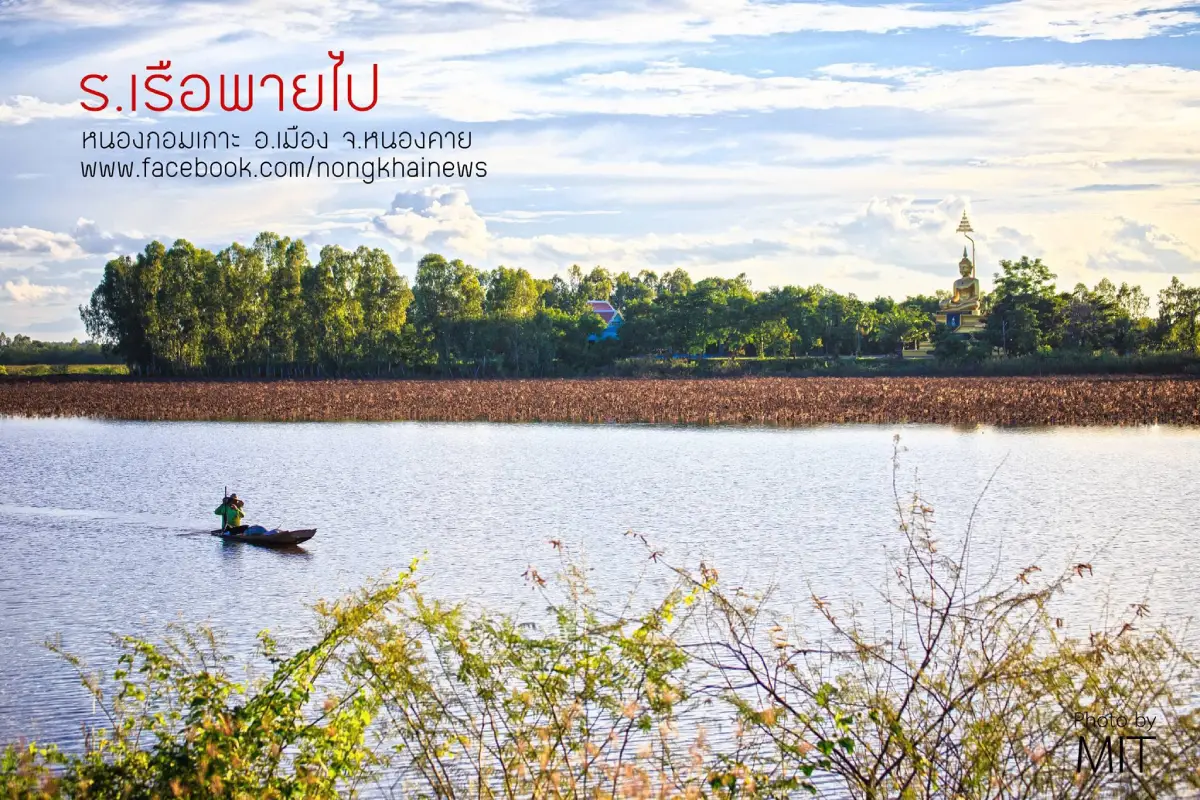
Nong Kom Ko in Nong Khai Province is an important wetland in Mueang Nong Khai District, where community life, agriculture, inland fisheries, lotus fields, grasslands, and natural scenery exist together in one landscape. It is not simply a lake near the city. It is a living wetland that supports villages around the water, providing resources for rice farming, seasonal cultivation, vegetable gardens, fishery activities, lotus harvesting, fish farming, and local recreation. For travelers, Nong Kom Ko offers a quieter and more community-based view of Nong Khai beyond the Mekong River, temples, markets, and border landmarks.
The Nong Kom Ko wetland is surrounded by 9 villages, making it closely connected to local livelihoods. Water from the wetland is used for cultivation, wet-season rice farming, dry-season rice farming, home vegetable gardens, and small-scale animal raising. Villagers also catch fish, collect red lotus flowers for sale, cultivate lotus fields, and raise fish. This means Nong Kom Ko is both a natural ecosystem and an economic foundation for the community. Its value comes not only from scenery, but also from the way water continues to shape daily life, food, income, and local identity.
Today, one of the most memorable images of Nong Kom Ko is the red lotus wetland, often known locally as Bueng Bua Daeng Nong Kom Ko. In the cool morning light, red and pink water lilies bloom across the surface of the wetland, creating a soft and peaceful landscape. This is the best time for photography, birdwatching, and boat rides when local services are available. Because the wetland is only a short distance from Nong Khai city, travelers can visit early in the morning and then continue to other well-known places such as Wat Pho Chai, Tha Sadet Market, Sala Keoku, or the First Thai-Lao Friendship Bridge later in the day.
Another distinctive feature of Nong Kom Ko is its open grassland. The Nong Kom Ko grassland has often been compared with the broad grassland atmosphere of Thung Salaeng Luang, although it remains less developed as a formal tourist attraction. Its charm lies in the open view, the seasonal grasses, the wetland edges, and the sense of rural space close to the city. During some seasons, the grassland appears fresh and green; during others, it changes into a more golden tone. Water levels, rainfall, and agricultural use all influence the appearance of the landscape, so the scenery can feel different from one visit to another.
Nong Kom Ko is especially interesting because it clearly shows how water and community life depend on each other. The wetland is not decorative water created for tourism. It is real working water used throughout the year. During rice-farming seasons, it supports cultivation. When lotus plants grow well, lotus flowers and lotus-related products become part of local income. When fish are abundant, fishing and fish raising contribute to food and household earnings. This combination makes Nong Kom Ko a strong example of a Thai community wetland with environmental, economic, and cultural importance.
The best way to experience Nong Kom Ko is to arrive early. In the morning, the lotus flowers are at their most beautiful, the sunlight is softer, and the air is more comfortable. As the day becomes hotter, the lotus flowers begin to close. Morning is also a good time to observe birds around the wetland. Waterbirds, grassland birds, and small species can often be seen flying over the water or moving around aquatic plants. Travelers who enjoy nature should bring a camera or binoculars and take time to observe quietly rather than rush through the visit.
The red lotus area has helped Nong Kom Ko become better known as a nature-based community attraction. Local authorities and residents have prepared the area to welcome visitors during the flowering season, including boat or paddle-boat experiences when available. A boat ride allows travelers to see the lotus flowers closely from the water, enjoy the freshness of the wetland, and experience the landscape from the same perspective that local people know well. This type of activity is gentle, suitable for families, couples, and travelers looking for a calm morning experience in Nong Khai.
Nong Kom Ko is not only a lotus-viewing spot. It also functions as a community recreation area. Around the wetland, visitors may find riverside-style viewpoints, community activity spaces, photo spots, a red bridge-inspired structure, a torii-style gate, and areas used for annual local events such as Loi Krathong. These features show that Nong Kom Ko is a shared public space for the subdistrict, used for relaxation, ceremonies, festivals, photography, and community tourism. Some activities depend on season, water level, and local management, so travelers should follow local instructions while visiting.
Ecologically, Nong Kom Ko works like a natural water-retention area for the surrounding communities. It stores water during the rainy season, provides usable water in drier months, supports fish and aquatic life, and helps maintain moisture in nearby agricultural areas. Aquatic plants, grasses, birds, fish, and small wildlife all form part of the wetland system. If the area is managed carefully, it can continue to support both local livelihoods and tourism. If the wetland is overused or polluted, however, the balance of water quality, wildlife, and community income can be affected. Responsible travel is therefore especially important here.
The economic role of Nong Kom Ko is direct and practical. Local income from the wetland comes from fishing, fish raising, lotus harvesting, lotus-field cultivation, vegetable growing, and farming activities that rely on the wetland’s water. Tourism adds another layer of value, especially during the red lotus season, but the foundation of the place remains local resource use. This is why Nong Kom Ko should be understood as a working wetland, not just a scenic stop. Its beauty comes from the fact that nature and livelihood remain closely connected.
For visitors, Nong Kom Ko is best enjoyed slowly. It is not a place of large-scale buildings or intense activities. Its main appeal lies in open water, red lotuses, grassland views, birds, local farming life, and the quiet rhythm of a community wetland. A good visit usually takes 1–2 hours in the morning. Travelers can walk along the edge of the wetland, take photographs, join a boat ride when available, observe birds, and appreciate the daily life around the water without disturbing local residents.
The grassland zone of Nong Kom Ko offers a different feeling from the lotus wetland. It gives a wide, open, almost savanna-like view that is rare so close to a provincial city. In the morning or late afternoon, sunlight on the grasses and water can create beautiful scenery for landscape photography. The grassland changes with season and water level, so travelers should expect a natural landscape rather than a manicured tourist park. This changing character is part of its charm.
Nong Kom Ko is also suitable for travelers interested in community-based environmental learning. The wetland must balance agriculture, fisheries, ecological protection, and tourism. If the area is used too heavily without care, water quality and wildlife can suffer. If it is managed well, however, it can remain a natural asset that supports livelihoods, biodiversity, and visitor experiences. This makes Nong Kom Ko a meaningful destination for travelers who want to understand how Thai wetlands support local communities.
Birdwatching is another quiet pleasure here. The wetland environment attracts birds that feed or rest around water, grasses, and aquatic plants. Visitors should keep their voices low, avoid approaching birds too closely, and use a zoom lens or binoculars instead of moving into sensitive areas. Good birdwatching requires patience. Waiting calmly often reveals more natural behavior than walking quickly through the site.
The red lotus season is especially attractive from the cool season into the early part of the year, when the morning atmosphere is pleasant and the flowers are most photogenic. The best photographs are often taken before the sunlight becomes harsh. Good compositions may include lotus flowers, open water, grassland edges, birds, or village scenery in the background. Even simple details such as reflections on the water, grasses moving in the breeze, and local boats can express the character of Nong Kom Ko well.
Travel etiquette is essential because Nong Kom Ko is both a community resource and a natural area. Visitors should not throw rubbish into the wetland, pick lotus flowers without permission, make loud noise, disturb birds, walk into private agricultural or lotus-field areas, or interfere with fishing equipment. When boat services or community activities are available, visitors should use the services provided by local residents and follow their instructions. Respectful behavior helps keep Nong Kom Ko beautiful and useful for the community.
Getting There is convenient from Nong Khai city. Travelers can use a private car, motorcycle, or local hired vehicle to reach Nong Kom Ko Subdistrict. The wetland is close enough for a morning trip from the city center. Those staying in Nong Khai can leave shortly after sunrise, visit the wetland while the lotus flowers are open, and return to town for breakfast or continue to Tha Sadet Market, Wat Pho Chai, or other city attractions.
If traveling from Nong Khai Railway Station or the First Thai-Lao Friendship Bridge area, set the destination as “Nong Kom Ko” or “Bueng Bua Daeng Nong Kom Ko.” The area has several local roads around the wetland, so checking the route before departure is useful. Travelers without their own transport should agree on the fare and waiting time with a local driver in advance, especially if they plan to spend time taking photographs or joining a boat ride.
The visitor experience at Nong Kom Ko can be understood in several zones. The first is the red lotus zone, which is best for morning views and photography. The second is the Nong Kom Ko grassland, known for its open natural scenery. The third is the wetland-edge viewpoint zone, where visitors can rest and enjoy the overall landscape. The fourth is the community activity zone, including photo points and event spaces. The fifth is the agricultural and lotus-field zone, which should be observed respectfully from an appropriate distance because it is part of local livelihoods.
The red lotus zone is the most popular area during the blooming season. It allows travelers to see red and pink lotus flowers spread across the wetland surface. Lotus plants are not only beautiful; they are part of the wetland’s plant community and part of the local economy. When community boat services operate, travelers can experience the wetland from the water and gain a closer appreciation of how the landscape is used and cared for by local people.
The grassland zone is ideal for visitors who enjoy open scenery. It reflects the seasonal rhythm of a wetland landscape, changing according to rainfall, water levels, and community use. Some parts may be green and lush, while other periods show golden grasses or wet patches between open areas. Visitors should stay on safe ground and avoid walking into muddy, cultivated, or privately used areas.
The wetland-edge viewpoint zone is suitable for families, older travelers, and visitors who prefer a relaxed pace. From the edge of the wetland, it is possible to see the broad water surface, birds, grasses, and the surrounding community landscape. This zone helps visitors understand the scale of Nong Kom Ko and why it is important as a water source for nearby villages.
The community activity zone shows how Nong Kom Ko functions as a public space. It is used for local events such as Loi Krathong and includes photo spots that make the area more welcoming for visitors. Structures such as the red bridge-style viewpoint, torii-inspired gate, and swan pedal boats add recreational character. However, availability may depend on the season, water level, and local arrangements.
The agricultural and lotus-field zone deserves special respect. It represents the livelihood side of Nong Kom Ko. Travelers can observe farming life, lotus cultivation, and wetland-based work from suitable viewpoints, but should not enter fields, harvest areas, or places where residents keep equipment without permission. This respect protects both community income and the authenticity of the visitor experience.
Facilities at Nong Kom Ko are community-based rather than commercial-resort style. Visitors should prepare drinking water, a hat, sun protection, and comfortable footwear. During the cool season, a light layer may be useful in the early morning. During the rainy season, be careful with wet ground and soft soil near the wetland. Simple preparation makes the trip more comfortable and reduces impact on the natural area.
No verified admission fee has been found for general visits to Nong Kom Ko. Local reports state that paddle-boat or boat services for viewing the lotus flowers have been offered free of charge during the period when the community welcomed visitors. Travelers should follow local guidelines and ask staff or residents before using any activity, especially during busy weekends or seasonal events.
Nong Kom Ko adds a different dimension to travel in Nong Khai. Many visitors know Nong Khai for the Mekong River, Buddhist temples, riverside markets, Sala Keoku, and the Thai-Lao Friendship Bridge. Nong Kom Ko adds wetlands, lotus fields, grassland, agriculture, and rural community life to that picture. A balanced day trip might begin with sunrise at Nong Kom Ko, continue to Wat Pho Chai to pay respect to Luang Pho Phra Sai, visit Tha Sadet Market, and end with Sala Keoku or a riverside walk.
For international travelers, Nong Kom Ko offers a meaningful glimpse into local life near the Thai-Lao border. It shows how a wetland can serve as water storage, a farming resource, a fishery area, a lotus field, a festival space, and a nature attraction at the same time. Visiting Nong Kom Ko is not only about seeing red lotuses or taking photographs of grassland. It is about understanding how one body of water can support the daily life of many people.
In summary, Nong Kom Ko in Nong Khai is a valuable wetland combining nature, community livelihood, agriculture, fishery, red lotuses, grassland scenery, birds, and accessible travel from the city. The best time to visit is in the morning before noon, especially during the lotus blooming season. Travelers should visit respectfully, avoid disturbing local work areas, and treat the wetland as both a tourist attraction and a living resource for the surrounding communities.
| Name | Nong Kom Ko / Bueng Bua Daeng Nong Kom Ko |
| Location | Nong Kom Ko Subdistrict, Mueang Nong Khai District, Nong Khai Province |
| Address | Nong Kom Ko Wetland, Nong Kom Ko Subdistrict, Mueang Nong Khai District, Nong Khai Province 43000, Thailand |
| Highlights | Red lotus wetland, Nong Kom Ko grassland, wetland scenery near the city, community agriculture and local fisheries |
| Distinctive Features | A community wetland used for farming, rice cultivation, lotus fields, fish raising, fishing, and recreation |
| Importance | An important water source for 9 surrounding villages and a livelihood base for agriculture, fisheries, aquatic plants, and community tourism |
| Name Origin | Nong Kom Ko is the local name of the subdistrict and wetland; Bueng Bua Daeng refers to the red and pink lotus flowers that bloom across the water |
| Travel Information | Accessible from Nong Khai city by private car, motorcycle, or local hired vehicle; use Nong Kom Ko or Bueng Bua Daeng Nong Kom Ko as the map destination |
| Current Status | Open as a natural area and community attraction, with ongoing local information about wetland study, improvement, and ecological restoration |
| Open Days | Daily |
| Opening Hours | Open-air natural area accessible throughout the day; the best time to see red lotuses and waterbirds is in the morning before noon |
| Fees | No verified admission fee found; local reports state that boat services for lotus viewing have been offered free during community tourism periods |
| Facilities | Wetland-edge viewpoints, photo spots, red bridge-style structure, torii-style gate, seasonal boat service, and community activity areas |
| Main Areas / Zones | 1. Red Lotus Zone for morning lotus viewing 2. Nong Kom Ko Grassland Zone for open natural scenery 3. Wetland-Edge Viewpoint Zone for relaxing and photography 4. Community Activity Zone with photo spots and Loi Krathong area 5. Agriculture, Lotus Field, and Local Livelihood Zone |
| Caretaker | Nong Kom Ko Subdistrict Administrative Organization, Mueang Nong Khai District, Nong Khai Province |
| Main Contact Number | Nong Kom Ko Subdistrict Administrative Organization, Tel. 042-467195 / 042-467024 |
| Official Website / Official Page | www.nongkomkor.go.th / Facebook: อบต.หนองกอมเกาะ |
| Nearby Tourist Attractions | 1. Wat Pho Chai, about 4 km 2. Tha Sadet Market, about 5 km 3. Mekong Riverside Cultural Plaza in Front of Wat Lam Duan, about 5 km 4. First Thai-Lao Friendship Bridge, about 6 km 5. Sala Keoku, about 8 km 6. Nong Khai Aquarium, about 10 km |
| Nearby Restaurants | 1. Krua Boonchu, about 3 km, Tel. 042-420024 2. Lang Juan Restaurant, about 5 km, Tel. 042-412558 3. Daeng Namnuang, about 6 km, Tel. 042-411961 4. Khong Cafe & Bistro Nongkhai, about 6 km 5. Rabieng Rim Khong, about 6 km |
| Nearby Accommodations | 1. Bualinn Resort, about 2 km, Tel. 091-8670056 / 091-8675554 2. Nongkhai White Hotel, about 2 km, Tel. 080-1763311 3. Tanzeno Hotel, about 4 km, Tel. 097-3016777 4. Royal Nakhara Hotel, about 5 km, Tel. 042-422889 5. HOP INN Nong Khai, about 6 km |
Frequently Asked Questions (FAQ)
Q: Where is Nong Kom Ko located?
A: Nong Kom Ko is located in Nong Kom Ko Subdistrict, Mueang Nong Khai District, Nong Khai Province, near Nong Khai city.
Q: Is Nong Kom Ko open to visitors?
A: Yes. Nong Kom Ko remains open as a natural area and community attraction, with local authorities continuing to manage and develop the wetland.
Q: What is the best time to see the red lotuses at Nong Kom Ko?
A: The best time is in the morning before noon, when the lotus flowers are open and the weather is still comfortable.
Q: Is there an admission fee for Nong Kom Ko?
A: No verified general admission fee has been found. Local reports state that boat services for lotus viewing have been offered free during community tourism periods.
Q: What can visitors see at Nong Kom Ko?
A: Visitors can see red lotuses, open grassland, waterbirds, wetland scenery, local agriculture, lotus fields, fishing activity, and community life around the water.
Q: How do travelers get to Nong Kom Ko?
A: Travelers can go from Nong Khai city by private car, motorcycle, or local hired vehicle, using Nong Kom Ko or Bueng Bua Daeng Nong Kom Ko as the map destination.
Q: What nearby places can be combined with a visit to Nong Kom Ko?
A: Nearby places include Wat Pho Chai, Tha Sadet Market, the Mekong Riverside Cultural Plaza, the First Thai-Lao Friendship Bridge, Sala Keoku, and Nong Khai Aquarium.
 Category: ●Nature and Wildlife
 Group: ●River, Canal
Last Update : 2 MonthAgo
 Last Update : 2 MonthAgo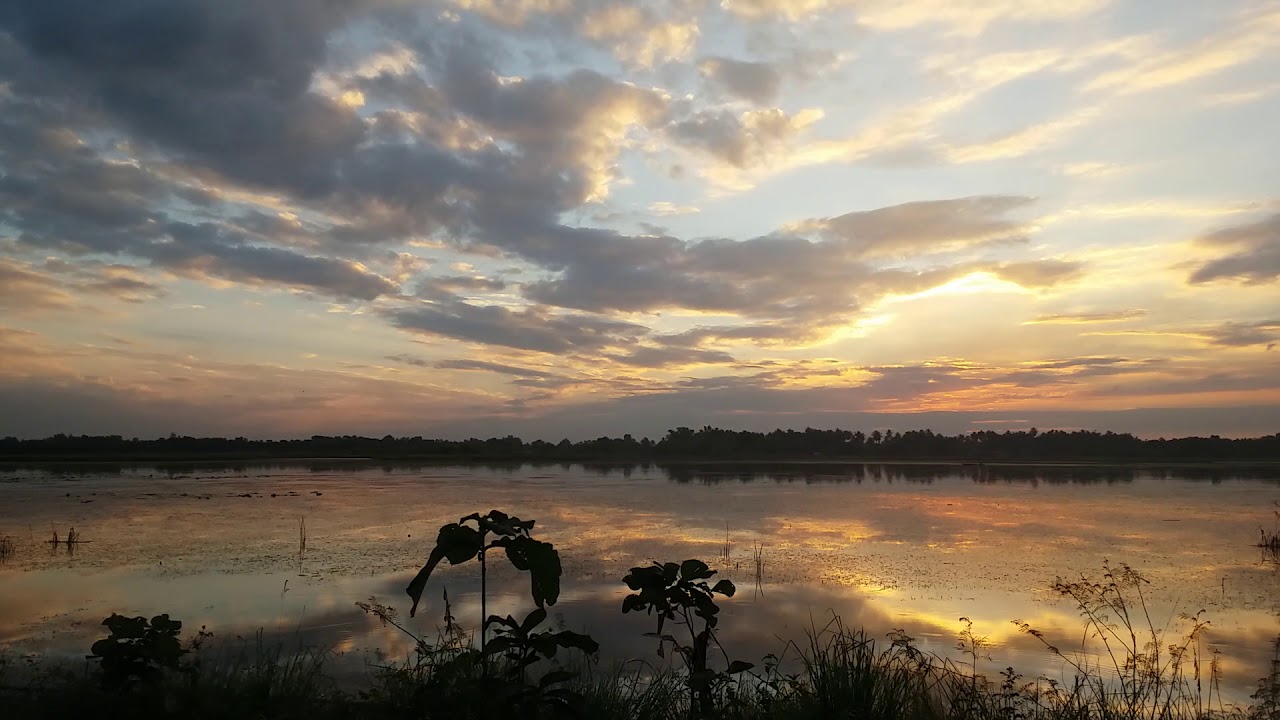
 Click to Access the Navigation Map GPS
Nong Kom Ko Map
Recommend

 Art, Culture and Heritage
 Historical Sites and Monuments(1)
 Landmarks and Memorials(2)
 Art, Craft Centres, Tradition(1)
 Educational Places
 Educational Gardens, Farm(1)
 Places of Worship
 Temple(16)
 Mosque(1)
 Other Sacred Sites(8)
 Suburban Living
 Village, Community(3)
 Local Market(4)
 National Parks and Marine Reserves(2)
 Dam, Reservoir, Lake(2)
 Waterfalls(4)
River, Canal(8)
Waterfalls(4)
River, Canal(8)
 Bays and Beaches(1)
 Entertainment and Agricultural
 Farms, Parks and Ecotourism(2)
 Shopping
 Shopping and Night Market(1)


