
lovethailand home >Northeastern Travel Attractions >Nong Khai Travel Attractions >Tha Bo >Tha Bo > Tobacco-Making Village
TL;DR: Tobacco-Making Village is located at Ban Phon Sa, Phon Sa Subdistrict, Tha Bo District, Nong Khai Province, open Daily, hours 08.30 – 16.30.
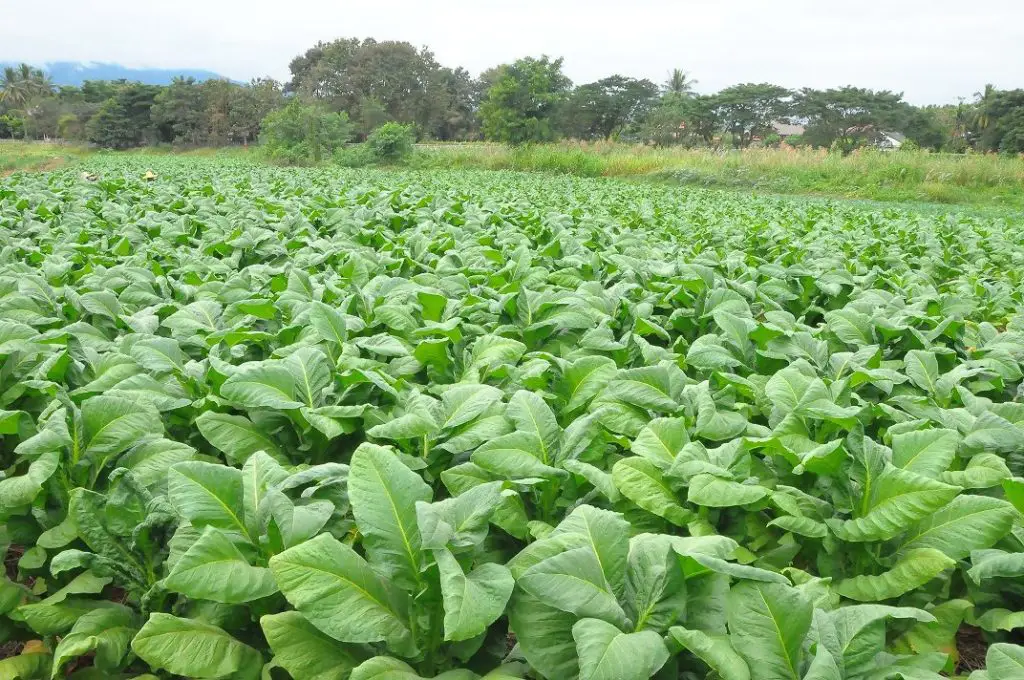
Tobacco-Making Village
Open Days: Daily
Opening Hours: 08.30 – 16.30
Admission Fee: Free Admission For Community And Public Roadside Areas
The Tobacco-Making Village in Nong Khai is a Mekong-side agricultural community attraction in Ban Phon Sa, Phon Sa Subdistrict, Tha Bo District, Nong Khai Province. Located along the route from Mueang Nong Khai District to Tha Bo District on Highway 211 and the Mekong-side irrigation road, the village is known for tobacco fields, curing sheds, drying yards, farming households, and peaceful river scenery. For travelers interested in rural northeastern Thailand, this community offers a close view of everyday agricultural life along the Mekong River.
The appeal of the Tobacco-Making Village lies in its authenticity. This is not a large commercial attraction or a staged exhibition site. It is a living community where farming, household work, river scenery, and seasonal rhythms remain part of daily life. As visitors travel through Ban Phon Sa, they can see cultivated fields, simple homes, riverside landscapes, and areas where agricultural products are processed or dried during the farming season. The atmosphere is quiet, local, and closely tied to the land and the river.
Ban Phon Sa has long been connected with agriculture and the Mekong River. The community landscape includes rice farming, post-rice-season crops, local trade, riverside food culture, and rural households that continue to work with the seasons. Tobacco is one of the crops associated with parts of Tha Bo District and is often grown after the main rice harvest. This seasonal pattern gives the village a distinctive character, especially when fields, curing sheds, and drying areas become visible along the route.
The best time to see tobacco-related agricultural scenery is generally from late in the year to the early months of the following year. After the rice harvest, farmers begin preparing the land, raising seedlings, and transplanting young plants into the fields. From around February to April, visitors may see activities related to harvesting, curing, slicing, shredding, and sun-drying. The sight of tobacco leaves or shredded tobacco drying in open yards is one of the memorable images of the village.
Tobacco farming in this area reflects the way local households use farmland after the rice season. The process requires planning, timing, labor, and experience. Farmers must prepare the soil, choose the right planting period, care for the plants, monitor weather conditions, harvest at the proper stage, and manage post-harvest processing. This gives the Tobacco-Making Village value as an agricultural learning destination where visitors can observe how rural livelihoods are shaped by land, season, water, and household labor.
The Mekong River is central to the character of the village. It is not only a scenic background but also part of the community’s identity. The river influences settlement patterns, local routes, food culture, farming landscapes, and the overall atmosphere of the area. Fields, homes, river breezes, and open views combine to create a landscape that feels calm and natural. The road through this area is suitable for slow scenic driving, short stops, and cultural observation.
The village is best visited as part of a slow travel route from Nong Khai town toward Tha Bo District. Highway 211 connects the urban area with riverside communities, temples, restaurants, and agricultural landscapes. Ban Phon Sa can be combined with Ban Tha Mafueang, Wat Si Chomphu Ong Tue, Wat Phra That Bang Phuan, Tha Sadet Market, and other nearby destinations. This makes the route suitable for a half-day or full-day trip from Nong Khai town.
The Tobacco-Making Village does not have the structure of an enclosed attraction with a ticket gate or large visitor center. It is a community area connected by public roads, private homes, fields, and working spaces. Visitors should stop only at safe points, avoid blocking local traffic, and respect private property. Fields, curing sheds, drying yards, and household spaces belong to residents, so entering private areas requires permission from the owners.
Drying yards and curing sheds are among the most distinctive features of the village. Sun-drying depends on suitable weather, light, airflow, and careful handling. Sudden rain, high humidity, or overly strong sunlight can affect the quality of the product. Farmers therefore pay close attention to the sky, wind, and timing of each step. What visitors see in the village is the result of accumulated local knowledge and practical experience.
During the active farming season, several types of work may be visible in the area. Farmers may be tending fields, carrying leaves, preparing tobacco for curing, slicing, shredding, or arranging materials for drying. Some activities involve several family members working together. Other steps require precision and careful timing. These scenes reveal the labor and knowledge behind a quiet rural landscape and show how agricultural work supports local households.
The village is also attractive for travelers who enjoy documentary-style photography. The area offers rural roads, cultivated fields, drying yards, curing sheds, the Mekong River, open skies, and simple community scenes. Morning light and late-afternoon light are especially suitable for photography. Visitors should take photos respectfully, avoid disturbing residents, and keep an appropriate distance from private homes and working areas.
In addition to agricultural scenery, the route connects well with riverside dining in Tha Bo District. Nearby areas such as Ban Tha Mafueang have restaurants along or near the Mekong River, including local places known for grilled fish, Thai dishes, and northeastern food. A pleasant trip can include a daytime visit to the village followed by a riverside meal in the afternoon or evening.
Wat Si Chomphu Ong Tue is one of the most important cultural sites that can be combined with this route. The temple houses Phra Chao Ong Tue, a highly revered Buddha image respected by people on both the Thai and Lao sides of the Mekong. A trip that begins in Nong Khai town, continues through Ban Phon Sa, and ends at Wat Si Chomphu Ong Tue offers a balanced experience of agriculture, river scenery, and local religious culture.
Wat Phra That Bang Phuan is another important nearby destination. The temple is one of Nong Khai’s significant historical and religious sites, adding cultural depth to a Tha Bo day trip. Visitors can begin with the Tobacco-Making Village in the morning, enjoy riverside food at midday, and visit important temples in the afternoon. This route brings together rural life, local cuisine, and sacred heritage in one day.
The route from Nong Khai town to Tha Bo District on Highway 211 is suitable for relaxed driving. The distance is not far from the town center, yet the scenery changes noticeably as the road moves toward rural riverside communities. Urban surroundings gradually give way to fields, village roads, and wider views of the Mekong. This gradual transition is part of the travel experience.
The best times of day to visit are morning and late afternoon. Morning offers cooler weather and softer light for observing farming areas, while late afternoon is suitable for Mekong scenery and nearby riverside dining. During the tobacco season, the village may show more visible agricultural activity. Outside the season, the area remains suitable for scenic driving, community observation, and travel connections to other attractions in Tha Bo District.
The Tobacco-Making Village is meaningful for travelers who want to experience Nong Khai beyond its main landmarks. The province is known for the Thai-Lao Friendship Bridge, Tha Sadet Market, riverside temples, and the Mekong River, but its smaller rural communities also reveal an important side of local life. Ban Phon Sa shows how agriculture, season, household labor, and riverside geography remain part of Nong Khai’s identity.
This destination suits travelers interested in cultural travel, agricultural landscapes, rural photography, and slow exploration. The details of the place are found in field patterns, drying materials, curing structures, household spaces, rural roads, and the relationship between homes and farmland. Observing these details gives the visit more depth and makes the journey through the village more memorable.
On days when farming work is active, the village atmosphere can change throughout the day. Some periods may involve arranging leaves, drying materials, moving products, or protecting them from changing weather. These small shifts give the place a living quality. Unlike fixed attractions, a farming village changes with season, light, weather, and household schedules.
Families can also use this route as a gentle learning experience. Children can observe how crops are grown, processed, dried, and handled by farming households. The village provides real examples of soil preparation, plant care, sunlight, weather, and household cooperation. The experience is best enjoyed through respectful observation from suitable public areas.
Group travelers should plan parking and timing carefully. Some community roads are narrow, and residents use them for daily movement. Vehicles should be parked only in safe places that do not block homes, farm entrances, or local traffic. Careful use of space helps keep the experience smooth for both visitors and residents.
Travelers who want to take photographs should remain in public areas unless invited or permitted to enter private spaces. Tobacco fields, drying yards, and curing sheds are part of local livelihoods. Respectful photography helps preserve the dignity of the community and allows visitors to appreciate the place without interrupting work.
Phon Sa and Tha Bo also connect with the wider Mekong route toward Sangkhom and Si Chiang Mai Districts. Travelers with more time can continue along the river to explore viewpoints, temples, riverside restaurants, and community landscapes in other parts of Nong Khai Province. The Mekong-side route offers flexibility, allowing visitors to choose stops according to time and interest.
Facilities in the village are community-based rather than resort-style. Visitors should prepare drinking water, cash, sun protection, and personal items. Restaurants, cafes, small resorts, and riverside accommodations are available in Tha Bo District and nearby areas. Calling ahead is useful for restaurants and accommodations, especially on weekends, holidays, and festival periods.
On weekdays, the village is usually quieter and suitable for unhurried observation. On weekends and holidays, more travelers may pass through the route or stop at nearby restaurants. Each atmosphere has its own charm. Weekdays offer calm community scenery, while weekends work well for family trips or multi-stop routes through Tha Bo District.
The Tobacco-Making Village in Nong Khai is therefore more than a roadside stop between Nong Khai town and Tha Bo. It is a window into the agricultural life of the Mekong region. Visitors can see fields, curing sheds, drying yards, farming homes, river scenery, local restaurants, and nearby cultural attractions in one route. The village reveals a quieter and deeper side of Nong Khai, shaped by soil, water, season, labor, and the Mekong River.
| Name | Tobacco-Making Village, Nong Khai |
| Location | Ban Phon Sa, Phon Sa Subdistrict, Tha Bo District, Nong Khai Province |
| Address | Ban Phon Sa, Irrigation Road, Phon Sa Subdistrict, Tha Bo District, Nong Khai Province 43110, along the route from Mueang Nong Khai District to Tha Bo District on Highway 211 |
| Coordinates | 17.818056, 102.632778 |
| Highlights | A Mekong-side agricultural community where visitors can observe tobacco fields, curing sheds, drying yards, farming homes, and riverside scenery in Tha Bo District |
| History | A riverside farming community known for seasonal tobacco cultivation after the rice harvest, with curing, slicing, shredding, and sun-drying practices visible in the area during the farming season |
| Name Origin | The name comes from the community’s association with tobacco cultivation and processing along the Mekong riverside |
| Distinctive Features | A living agricultural community with real seasonal scenery, local farming work, and a rural Mekong atmosphere |
| Travel Information | From Nong Khai town, follow Highway 211 toward Tha Bo District, passing Phon Sa Subdistrict and Ban Phon Sa; private car, rental car, or local hired transport is recommended |
| Current Status | A community-based lifestyle attraction accessible via public roads; tobacco-related activities depend on season and household farming areas |
| Open Days | Daily |
| Opening Hours | 08.30 – 16.30 |
| Fees | Free Admission For Community And Public Roadside Areas |
| Facilities | Public road access, riverside viewpoints depending on local conditions, nearby restaurants in Phon Sa and Tha Bo, nearby accommodations, and local administrative offices for area information |
| Main Areas / Zones | Highway 211 Route Zone, Mekong-Side Irrigation Road Zone, Seasonal Tobacco Field Zone, Curing Shed And Drying Yard Zone, Ban Phon Sa Community Zone, Ban Tha Mafueang Riverside Dining Zone |
| Caretaker / Related Authorities | Ban Phon Sa Community, Phon Sa Subdistrict Administrative Organization, Tha Bo District, Nong Khai Province, and related local agencies |
| Main Contact Number | Phon Sa Subdistrict Administrative Organization Tel. 042-992732-3, Hotline 085-5965435 |
| Nearby Tourist Attractions | 1. Tha Mafueang Riverside Area / Hat Tha Mafueang, about 3 km 2. Wat Si Chomphu Ong Tue, Tha Bo District, about 12 km 3. Wat Phra That Bang Phuan, about 15 km 4. Tha Sadet Market And Nong Khai Riverside, about 20 km 5. First Thai–Lao Friendship Bridge, about 24 km |
| Nearby Restaurants | 1. Khrua Aek Pla Phao 2 Ban Tha Mafueang, about 4 km, Tel. 081-768-1307, 042-992-722 2. Lae Khong Tha Bo, about 6 km, Tel. 087-799-5862, 086-855-7547 3. Kuai Tiao Rim Khong Tha Bo, about 7 km, Tel. 042-431-448 4. Darunee Khao Man Kai Tha Bo, about 8 km, Tel. 091-860-4949 5. Diamond Pool Cafe’ Tha Bo, about 12 km, Tel. 063-735-9888, 084-103-6248, 098-278-1976 |
| Nearby Accommodations | 1. Nokhuuk Rimkhong Riverside Cozy Home, about 1 km 2. Baan Pak Rim Khong Resort Tha Bo, about 4 km, Tel. 082-737-6171, 081-946-5412 3. Pobruk Resort Tha Bo, about 10 km, Tel. 065-573-8555 4. Punrak Resort Tha Bo, about 10 km, Tel. 095-192-1115 5. Baan Suan Vintage Hotel Tha Bo, about 14 km |
Frequently Asked Questions (FAQ)
Q: Where Is The Tobacco-Making Village In Nong Khai Located?
A: It is located around Ban Phon Sa, Irrigation Road, Phon Sa Subdistrict, Tha Bo District, Nong Khai Province, along Highway 211 from Nong Khai town toward Tha Bo District.
Q: What Are The Opening Days And Hours?
A: The village area is listed as open daily from 08.30 to 16.30. Daytime visits are suitable for viewing the community route and Mekong riverside scenery.
Q: Is There An Admission Fee?
A: General community and public roadside areas do not charge an admission fee. Visitors should ask permission before entering private fields or household work areas.
Q: When Is The Best Season To See Tobacco-Related Activities?
A: The best period is generally from late in the year to early the following year, with planting around late November to December and harvesting, curing, slicing, and drying activities often seen from February to April.
Q: Who Should Visit The Tobacco-Making Village?
A: It is suitable for travelers interested in rural life, Mekong-side agriculture, documentary photography, local culture, and scenic driving between Nong Khai town and Tha Bo District.
Q: How Can Travelers Get There?
A: From Nong Khai town, follow Highway 211 toward Tha Bo District and pass through Phon Sa Subdistrict and Ban Phon Sa. Private car, rental car, or local hired transport is the most convenient option.
Q: What Nearby Places Can Be Visited On The Same Trip?
A: Nearby places include Tha Mafueang Riverside Area, Wat Si Chomphu Ong Tue, Wat Phra That Bang Phuan, Tha Sadet Market, Nong Khai riverside, and the First Thai–Lao Friendship Bridge.
Q: Can Foreign Travelers Visit The Tobacco-Making Village?
A: Yes. The village is suitable for foreign travelers interested in Mekong-side farming communities, rural Thai life, documentary photography, and cultural routes in Nong Khai Province.
 Category: ●Suburban Living
 Group: ●Village, Community
Last Update : 2 MonthAgo
 Last Update : 2 MonthAgo
 Click to Access the Navigation Map GPS
Tobacco-Making Village Map
Recommend

 Art, Culture and Heritage
 Historical Sites and Monuments(1)
 Landmarks and Memorials(2)
 Art, Craft Centres, Tradition(1)
 Educational Places
 Educational Gardens, Farm(1)
 Places of Worship
 Temple(16)
 Mosque(1)
 Other Sacred Sites(8)
Village, Community(3)
Other Sacred Sites(8)
Village, Community(3)
 Local Market(4)
 Nature and Wildlife
 National Parks and Marine Reserves(2)
 Dam, Reservoir, Lake(2)
 Waterfalls(4)
 River, Canal(8)
 Bays and Beaches(1)
 Entertainment and Agricultural
 Farms, Parks and Ecotourism(2)
 Shopping
 Shopping and Night Market(1)


