
lovethailand home >Northeastern Travel Attractions >Nakhon Phanom Travel Attractions >Muang Nakhon Phanom >Nai Muang > So Thang Bang Tradition
TL;DR: So Thang Bang Tradition, Nakhon Phanom attractions : Art, Culture and Heritage, Art, Craft Centres, Tradition.
So Thang Bang Tradition
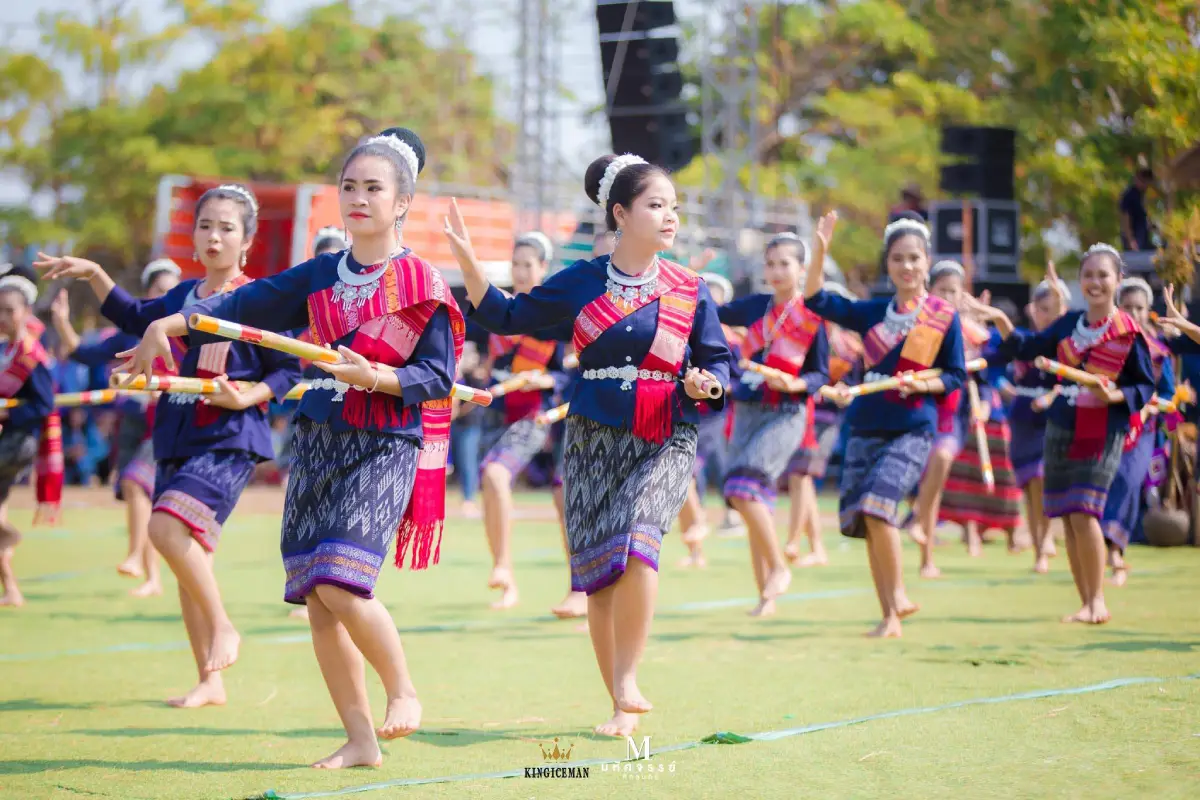
Open Days: The So Remembrance Festival is held once a year according to the annually announced program. The So Cultural Center is open Monday – Friday.
Opening Hours: The So Cultural Center is open from 08:30 – 16:30 and is closed on weekends and public holidays. Festival activity times follow the official annual schedule.
So Thang Bang The Tai So Cultural Tradition of Sakon Nakhon and Nakhon Phanom is an important form of intangible heritage reflecting the beliefs, memories and social relationships of the So, or Tai So, ethnic communities of upper northeastern Thailand. Tai So settlements extend across the Sakon Nakhon Basin and the Mekong region, particularly in Sakon Nakhon, Nakhon Phanom and Mukdahan provinces. Although the tradition has been documented in more than one locality, its best-known annual public presentation is now associated with Kusuman District in Sakon Nakhon Province, where it forms a central part of the So Remembrance Festival. The festival honours the ancestors, recalls the history of Kusuman Monthon and presents Tai So language, clothing, music, rituals and community life to younger generations and visitors.
So Thang Bang does not refer to the worship of a sacred wooden pillar. The name describes the rhythmic pounding of long bamboo tubes, usually measuring approximately three internodes, against the ground. The sound accompanies the khaen mouth organ, drums, chanting, singing and communal movement. The tradition has roots in funerary rites, the Yao healing ritual, annual spirit ceremonies and practices honouring ancestral spirits. So communities in Nakhon Phanom, particularly around Tha Uthen, have historical records of performing a related form during funeral ceremonies. The most prominent public festival and permanent cultural learning center, however, are located in Kusuman District, Sakon Nakhon. The latest verified So Remembrance Festival was held from 21 to 23 January 2026 at the Kusuman District Government Center and the So Cultural Center.
The So people are one of the important ethnic communities of upper Isan. Their name appears in several Thai-language forms, including So, Tai So, Thai So and Kaso. Older documents may also spell the name and the ceremony as So Thang Bang, So Tang Bang or So Thang-Bang, depending on local pronunciation and the system used to transcribe the language. The So language belongs to the Austroasiatic language family and is linguistically distinct from Thai and Lao, which belong to the Tai-Kadai family. The language carries ritual vocabulary, ancestral narratives, songs and ways of describing social relationships that cannot always be translated precisely into standard Thai. It is therefore both a means of communication and a repository of local knowledge.
Tai So communities are found in several districts of Sakon Nakhon, Mukdahan and Nakhon Phanom. In Nakhon Phanom Province, communities with So cultural roots are found around Tha Uthen, Phon Sawan, Si Songkhram and Pla Pak districts. Some continue to preserve Yao healing practices, ancestral observances, funeral customs and ceremonies intended to restore a person’s khwan, or vital essence. The expression “So Thang Bang tradition of Nakhon Phanom” therefore has a legitimate cultural basis, especially because historical accounts from Tha Uthen describe a funeral performance known as So Thang Bang or So Thang-Bang. Nevertheless, travelers looking for an annually scheduled public event, a standardized stage performance and a permanent cultural center should travel to Kusuman District in neighboring Sakon Nakhon Province.
A common modern misunderstanding identifies the “bang” in Thang Bang as a sacred wooden post. In the documented ceremony, however, the central objects are hollow sections of bamboo. The word “bang” refers to a segment or tube, while “thang” or “tang” conveys the action of striking or pounding. Participants hold bamboo tubes approximately three internodes long, lift them and bring them down onto the earth in a coordinated rhythm. When several people strike together, the sound is deep, heavy and resonant. The bamboo functions as a large percussion instrument, supporting the singers, dancers and ritual specialist while marking the progress and emotional intensity of the ceremony.
The tradition has also been recorded under the So-language name “Thro Ting Kao.” Variations in terminology reveal that So Thang Bang was transmitted among different communities rather than preserved as a single fixed choreography. One village may have distinctive lyrics, a different walking pattern or a particular sequence determined by its ritual specialist. Another may use the bamboo only in a funeral context, while communities in Kusuman also connect it with Yao ceremonies and contemporary cultural performances. It is therefore necessary to distinguish between a private ritual conducted for a family or spirit group and a public dance arranged for a festival stage. They share a common cultural foundation but serve different purposes.
The spiritual foundation of So Thang Bang lies in the relationship between human beings, ancestral spirits and unseen powers. In the traditional worldview, personal health, family harmony, agricultural security and the well-being of the village depend partly on maintaining an appropriate relationship with the ancestors and protective spirits. Illness, misfortune or emotional distress may prompt a family to hold a ceremony to ask for guidance, make amends, restore the khwan or request protection. The bamboo rhythm, khaen music, ritual poetry and collective movement are therefore not merely entertainment. Together they form a ritual language through which the community expresses respect, anxiety, gratitude, loss and hope.
The Yao ceremony is one of the most important ritual contexts associated with So Thang Bang in Kusuman. A ritual specialist known as a Mo Yao serves as an intermediary between the patient, the family and the spirit world. The ceremony may include sung poetry, melodic recitation, khaen accompaniment and a khai, or ritual offering arrangement honouring the teacher and spirits. The specialist asks questions and interprets the condition according to inherited ritual knowledge. Family members and participants may rise and move with the khaen, while bamboo holders maintain the rhythm. In social terms, the gathering provides emotional support because relatives assemble around the person who is unwell. Yao is a cultural and spiritual practice and is not a substitute for professional medical diagnosis or treatment.
So Thang Bang also appears in Sang Kamut, a sequence of ceremonies connected with death, mourning and the proper departure of the deceased. Historical descriptions from So communities in Nakhon Phanom explain that bamboo pounding, chanting and circular movement were used within the funeral process. The atmosphere should not be understood as simple celebration. The sounds and movements communicate grief, respect and communal solidarity while helping the family fulfil its obligations toward the dead. Participating together allows the village to acknowledge the loss, support the bereaved household and guide the spirit toward an appropriate destination according to local belief.
Other ritual contexts include Chia Dong, associated with fulfilling obligations made by a son-in-law to the parents of his wife, and Saeng Sanam, an annual spirit-feeding ceremony involving people who have previously received assistance from the same Mo Yao. Saeng Sanam is commonly held before the rice-growing season. Participants return to honour the ritual teacher, feed the spirits and renew their relationship with others connected to the same healing lineage. Such gatherings show that ritual responsibility continues beyond a single episode of illness. A person who has received assistance remains part of a moral and social network linking the specialist, the spirits, the ancestors and other community members.
So Thang Bang is sometimes described broadly as a fertility rite, but its relationship with agricultural abundance is indirect and more comprehensive. The ceremony seeks balance, protection, health and communal harmony. When family members are well, ancestral obligations are fulfilled and the community works together, people are better prepared to farm and manage seasonal uncertainty. Nature enters the ritual through the materials and conditions of daily life: earth, bamboo, water, crops and the annual agricultural cycle. Bamboo is especially meaningful because it has long been used for houses, tools, containers, musical instruments and everyday objects. Striking bamboo against the earth creates a vivid image of living people standing on the same land as their ancestors.
Coordination is essential to the bamboo rhythm. Every holder must listen and strike at the correct moment. When one person moves too quickly or too slowly, the collective sound loses its force. This requirement reflects a broader principle of village life: individuals have different responsibilities, but their actions must be coordinated with the group. Singers listen to the khaen, dancers follow the percussion, the ritual leader controls the sequence and observers respect the boundary of the ceremonial space. The sound of Thang Bang is therefore simultaneously music, collective labor and an audible sign that the ceremony is proceeding according to inherited order.
In older forms of the tradition, bamboo players were generally men who moved, sang and danced in a circle. Their clothing was practical and closely related to ordinary rural dress, sometimes including a wrapped lower garment or traditional loose trousers. As the tradition developed into a staged cultural presentation, women took a more prominent role. Female dancers joined the ensemble, performed codified movements and played additional percussion instruments. This transformation did not erase every element of the older form. Instead, it demonstrates how the community adapted its heritage so it could be taught in schools, presented to larger audiences and used to represent Tai So identity at provincial and national events.
Women performing the public dance commonly wear clothing inspired by traditional Tai So dress. The hair is arranged in a high bun and may be tied with white cotton thread. Dancers wear dark black or indigo blouses with three-quarter-length sleeves and silver buttons, together with mudmee skirts that include distinct upper and lower woven sections. A khit or patterned shoulder cloth completes the ensemble. Silver earrings, necklaces, wrist bangles and anklets provide visual accents against the dark cloth. Dancers are often barefoot, allowing their steps to remain closely connected to the ground and making the rhythm of the body more visible.
The Kusuman performance currently presents five principal movements. The first, the Invitation of Phi Fa, welcomes the ancestral spirit associated with the Mo Yao and invites it to join the gathering. The second is Thang Bang itself, represented by the rhythmic striking of the bamboo tubes against the earth. The third, the Offering to Thaen, expresses respect toward the ancestors and higher spiritual powers. The fourth, the Sending of Phi Fa, asks the ancestral presence to observe and protect people around the ceremonial area. The fifth, Lo Tuup, follows the ancestral spirit as it moves around the space before leaving the medium. Together the movements create a narrative of invitation, participation, reverence, protection and departure.
The words phi, Phi Fa and Thaen should not be translated simply as evil spirits. In Tai So and wider Isan cosmology, phi may refer to ancestors, guardians, ritual teachers or powers existing beyond the ordinary human world. Ancestors may advise, warn and protect their descendants when the relationship is maintained properly. Inviting and sending a spirit therefore requires knowledge of appropriate words, offerings, timing and closure. The stage performance expresses these ideas through visible movements that outside audiences can follow, but the deeper ritual knowledge remains with Mo Yao specialists, elders and hereditary practitioners in individual communities.
The khaen mouth organ gives the ceremony and dance their melodic identity. Its sustained tones support sung poetry and encourage continuous movement. Drums, small cymbals and other percussion maintain the main pulse, while the bamboo produces the heaviest sound. The instruments do not compete; each performs a specific function. The khaen guides the melody, the drum stabilizes time and the bamboo allows participants and spectators to feel the rhythm through both sound and vibration. Songs in the So language may call the spirits, recount ancestral stories, address the participants or describe the ritual situation. Even when listeners cannot understand every word, the relationship among voice, breath, bamboo and movement communicates the emotional character of the occasion.
When So Thang Bang was adapted for public presentation, the choreography became more regular. Rows, spacing, directions and timing were established so that large groups could perform together. Costumes were coordinated and additional instruments were introduced to suit open festival grounds. This arrangement allowed schools, youth groups and cultural troupes to learn and present the dance beyond the original ritual setting. The public version is valuable because it makes the tradition visible, but spectators should remember that a staged sequence is a carefully selected interpretation. It does not reproduce every private ritual action, spoken formula or family obligation found in an actual Yao or funeral ceremony.
The distinction between ritual and performance is essential for respectful cultural tourism. A Yao ceremony, funeral or household spirit observance involves specific participants and may include grief, illness and confidential family matters. Visitors should never enter, photograph or record such occasions without clear permission. The So Remembrance Festival, by contrast, deliberately presents parades, dances and public ceremonies for community members and guests. Photography is generally appropriate within designated areas. Respecting this difference prevents sacred practices from being reduced to exotic images created solely for tourist consumption.
Kusuman District has played a central role in making So Thang Bang accessible to the public. The district has a large Tai So population and carries the historical memory of Kusuman Monthon. Phra Aran Asa, remembered as an important former ruler and community leader, is honoured through a monument, ritual offerings, processions and exhibitions. His story symbolizes settlement, political organization and the ability of the Tai So communities to remain united during periods of historical change. The annual festival therefore presents more than clothing and dance. It communicates a local interpretation of leadership, migration, gratitude and the creation of a shared homeland.
Kusuman was formerly known as Ban Kut Khaman, a name connected with Khaman Stream and the local khaman trees. In the regional vocabulary, kut refers to a pool or body of water separated from an older channel. The name reveals how early settlement was linked to water, vegetation and landscape. Although the administrative name later changed as Kusuman Monthon and modern Kusuman District developed, the earlier name remains in local histories and oral narratives. Visitors can therefore encounter several historical layers within a relatively small area: the natural landscape, the early settlement, the former town and the contemporary district center.
The So Cultural Center was established in 1981 through cooperation among district officials, local leaders and residents. Its purpose was to collect tools, documents and objects related to the history of Kusuman and Tai So life. It first opened to the public on 28 January 1982. A newer exhibition building was completed in 2003. The center transformed items once scattered among households into a community collection that could be studied and passed to younger generations. It also became a focal point for the So Remembrance Festival, performances, educational activities and cultural networks.
Displays inside the center include the history of Phra Aran Asa and Kusuman, objects associated with former rulers, weapons, farming and household tools, woven textiles, silver ornaments, tobacco pipes, amulet containers, brass pots, palm-leaf manuscripts, ritual documents, Buddhist amulets and pottery. These objects demonstrate that So Thang Bang is part of a complete cultural system rather than an isolated dance. Governance, kinship, craft production, clothing, religion, ritual knowledge and everyday work all contribute to its meaning. A traditional Tai So house displayed behind the main building helps visitors understand domestic space and the material environment of earlier families.
Statues of Phra Aran Asa stand near the front and inside the center, accompanied by a place for offerings. The center therefore serves as both a local museum and a site of remembrance. Visitors do not simply look at old artifacts; they see how the community continues to honour leadership, ancestors and the history of settlement. Examining the exhibits before watching So Thang Bang provides valuable context. The bamboo, costumes, movements and music can then be understood as expressions of a broader social world rather than isolated visual attractions.
The So Remembrance Festival developed alongside the cultural center and became an annual event in Kusuman. Its timing is associated with the third waxing day of the third lunar month, when Tai So communities conduct ancestral offerings, Yao rites and ceremonies for the household khwan. Public festival activities may continue over additional days according to the annual program. The period functions as a cultural beginning of the year, when descendants gather, honour those who came before them and confirm that Tai So identity remains alive through language, ritual, clothing, food and collective participation.
The latest verified event was the 45th So Remembrance Festival, held from 21 to 23 January 2026 at the Kusuman District Government Center. The program included a cultural parade, a procession representing the ruler of Kusuman Monthon, ritual homage to Phra Aran Asa, So Thang Bang performances, local music and dance, bai sri khwan-blessing and wrist-tying, a Tai So cultural pageant, concerts and a communal pha laeng meal. The three-day program brought sacred observance, historical education, community reunion and entertainment together in the same district space.
The cultural parade makes several dimensions of Tai So identity visible at once. Participating villages present clothing, textiles, agricultural tools, food, dance and narratives associated with their communities. When the procession moves through the center of the district, an ordinary road becomes a public historical route. Elders, schoolchildren, dancers, musicians and local organizations all take part. Preparing the parade requires rehearsals, costume making, weaving, construction and research. Knowledge is therefore transferred between generations before the festival officially begins.
The homage to Phra Aran Asa provides the historical focus of the festival. Offerings, formal words and the gathering at the monument connect the present community with the remembered ruler. So Thang Bang connects that historical memory with older ritual practice. Together, the ceremonies explain not only how Tai So people dress or dance, but also how they understand settlement, leadership, obligation and gratitude. The festival is therefore a public statement of identity shaped by the community rather than a collection of unrelated performances.
The bai sri blessing and wrist-tying ceremony creates an atmosphere of welcome and good fortune. Cotton thread tied around the wrist represents the restoration of khwan, the giving of blessings and the relationship between giver and recipient. When combined with the pha laeng communal meal, it allows visitors to experience the Isan principle of eating together. Food communicates generosity, kinship and hospitality. Local dishes and shared seating encourage conversation, allowing cultural exchange to take place beyond the distance of a performance stage.
Tai So communities commonly combine Buddhist practice with ancestral and spirit traditions. Residents make merit at temples, respect monks and follow Buddhist observances while continuing to hold khwan ceremonies, honour ancestors and perform Yao. Important stages of life, including birth, illness, marriage and death, may include both Buddhist and older community rituals. The coexistence of these systems illustrates cultural adaptation. Adopting Buddhist practice did not require the complete abandonment of ancestral relationships or inherited ritual knowledge.
For So communities in Nakhon Phanom, Thang Bang remains valuable as evidence of a distinctive local tradition, particularly the funeral form historically documented around Tha Uthen. Its bamboo rhythm, clothing, songs and circular movement are not identical to the staged Kusuman choreography. These differences should not be treated as errors. They reflect the histories of individual villages, their ritual lineages and their relationships with neighboring communities. Using Nakhon Phanom in the description of the tradition is appropriate when discussing local ritual roots, while Kusuman should be identified as the main destination for the annual public festival.
Transmission now faces several challenges. Younger residents frequently leave their villages for education and employment, everyday use of the So language has declined and some private ceremonies are held less often as family structures change. Elderly specialists who know the ritual poetry, offering arrangements, khaen melodies and ceremonial sequence may have few successors. Festivals, schools, cultural centers and dance groups therefore provide essential learning spaces. Effective transmission, however, must explain meaning as well as movement. Teaching choreography without the associated language, history and ritual ethics would preserve only the external appearance.
Language preservation is especially important because many ritual expressions and object names carry meanings specific to So. Recording elders, compiling local vocabulary, teaching songs and using So in community activities allow young people to recognize the language as a living resource. When youth serve as guides, musicians, dancers, researchers and narrators, they become active owners of their heritage rather than performers following instructions. This participation helps ensure that the voices represented during the festival remain those of the community itself.
Textiles and silverwork connect the tradition with the local economy. Festivals create opportunities for weaving groups, tailors and craft producers to present their work. Mudmee designs, khit cloth and the use of black, indigo, white and red have both visual and cultural significance. Purchasing products directly from community groups can support the continuation of craft skills. Travelers can ask who produced a piece, how it was woven and which materials were used, turning a souvenir purchase into an exchange of knowledge and a direct contribution to local livelihoods.
Cultural tourism can assist the preservation of So Thang Bang when the community controls what is presented, income returns to local people and visitors receive accurate interpretation. Designated viewing areas, community guides and clear separation between private rites and public performances reduce cultural intrusion. If the tradition is promoted only as a dramatic spectacle, its meanings of ancestry, healing, grief and social obligation may disappear. Responsible tourism gives visitors sufficient time to understand the people and relationships behind the bamboo rhythm.
Visitors should dress respectfully when entering the cultural center, monument area or ritual space. Offerings, musical instruments, bamboo tubes and museum objects should not be touched without permission. During a public procession, spectators should remain in the designated area and avoid blocking performers. Flash photography should not be used close to ritual leaders. When invited to receive a wrist blessing, visitors should follow the guidance of elders and event staff. Private Yao rites and funerals always require permission from the host family before any image or recording is made.
January is a convenient season for visiting Kusuman because upper Isan is generally cool and dry. Morning and evening temperatures may be low, so a light jacket is useful, while daytime sun can remain strong. Visitors should carry drinking water, sun protection and a hat when watching outdoor processions. Those attending the opening ceremony should arrive early because traffic management may be introduced around the government center and parking demand increases considerably on major festival days.
Outside the festival period, the So Cultural Center can be visited from Monday to Friday between 08:30 and 16:30 without an admission fee. A weekday visit is suitable for travelers who prefer to study the exhibits quietly before exploring Old Kusuman. The center is managed through a community committee, with Kusuman Subdistrict Municipality providing principal administrative and budgetary support in cooperation with local government organizations. Educational groups should contact the municipality before arrival when they require a guided explanation or plan to visit in a large group.
Old Kusuman, also known locally as the former town site, lies approximately 3 kilometers from the cultural center. Some artifacts displayed in the museum were recovered from this area. Visiting the old settlement helps travelers understand that local history is connected to waterways, fields and living communities rather than confined to museum cases. Visitors should follow community routes, respect private property and never remove pottery fragments or other objects. Archaeological and historical material is most valuable when it remains in its original context.
Getting There from Sakon Nakhon city is straightforward via Highway 22 eastbound toward Nakhon Phanom. The distance to the Kusuman District Government Center is approximately 40 kilometers. From Nakhon Phanom city, follow Highway 22 westbound toward Sakon Nakhon for approximately 50 kilometers. The So Cultural Center is located within the Kusuman government and municipal area. A private car or rental vehicle is the most convenient choice. Travelers using intercity buses can alight in Kusuman and continue to the government center by local transport.
Highway 22 allows Kusuman to be included in a wider cultural route connecting Sakon Nakhon and Nakhon Phanom. A journey may begin in Sakon Nakhon with Wat Phra That Choeng Chum and the Lotus Park, continue to the So Cultural Center and Old Kusuman, and then proceed to the historic Catholic community of Tha Rae or the Mekong riverfront in Nakhon Phanom. Traveling in the opposite direction is equally practical. Such a route demonstrates that Tai So culture developed through relationships across the Sakon Basin and Mekong region rather than within the boundaries of a single modern province.
With one full day, visitors can begin in the morning at the cultural center, spending one to two hours with the monument, exhibition and traditional house. Lunch can be taken in Kusuman town before continuing to Old Kusuman. In the afternoon, travelers may proceed to Tha Rae, the Lotus Park or Sakon Nakhon city. During the annual festival, most of the day should be reserved for Kusuman because the parade, homage ceremony, performances and communal events take place at different times. Attempting to visit too many distant attractions can result in missing the cultural context of the event.
Kusuman town has local restaurants, Isan food, made-to-order meals, pad thai, coffee shops and beverage stalls. Opening hours should be checked on the day of travel because small businesses may adjust their schedules during community events. Additional food vendors operate inside the festival grounds. Choosing locally owned restaurants helps distribute visitor spending within the district. Accommodation options inside Kusuman are limited but convenient for the festival. Travelers seeking a wider selection can stay in Sakon Nakhon city, approximately 40 to 50 minutes away by road.
Photography should preserve cultural context. Images of bamboo pounding or spirit-medium activity should not be isolated from the people, preparation and relationships surrounding them. Parade construction, costume preparation, youth rehearsals, offering arrangements and communal meals are equally important parts of the tradition. Captions should identify the tradition, community, district, province and type of activity correctly. Public performances and private rituals should never be presented as though they were the same event, and people in the images should not be described as exotic curiosities.
So Thang Bang demonstrates that music and movement can function as historical records. Even where written documentation is incomplete, rhythm, song and ceremonial sequence preserve memories of ancestors, illness, death, marriage and seasonal renewal. The bodies of dancers and the sound of bamboo transmit knowledge from one generation to another. When young participants learn to strike together, they also learn to listen, coordinate and accept responsibility toward the group.
Cultural heritage remains sustainable when its owners decide which knowledge can be shared publicly, which practices remain private and how the community describes itself. The So Remembrance Festival involves cooperation among Kusuman District, Kusuman Subdistrict Municipality, the Sakon Nakhon Provincial Administrative Organization, local administrative organizations, the district cultural council, schools and residents. The foundation, however, remains with Mo Yao specialists, musicians, weavers, elders and families who continue to practise the traditions in everyday life. Supporting these knowledge holders gives the stage performance cultural depth.
So Thang Bang is therefore much more than a bamboo performance and cannot be reduced to a simple nature-worship ceremony. It is a cultural system encompassing ancestral respect, emotional healing, the management of grief, gratitude, cooperation and ethnic identity. The deep sound of bamboo against the earth reminds participants that the living community continues to stand on the historical land of its ancestors. Although society changes and performances develop new forms, the rhythm can still connect past, present and future.
Travelers interested in Isan culture should study Kusuman together with So communities in Nakhon Phanom and Mukdahan. The tradition developed through migration, intermarriage and social networks extending beyond present provincial boundaries. Recognizing this regional network explains why So Thang Bang appears in funeral rites, Yao healing, annual spirit observances and public festivals, and why each community preserves different details. Diversity is not evidence of cultural confusion; it is evidence of a living tradition shaped by local history.
Meaningful preservation does not require every community to perform an identical standardized dance. It requires documentation of local differences, support for language use, transmission of songs and instrument-making, and opportunities for communities to interpret their own rituals. The So Cultural Center and the annual festival provide an accessible gateway for visitors, while homes, villages and kinship groups remain the places where the heritage continues in daily life. Those who approach the tradition respectfully will discover that behind the powerful bamboo rhythm is the story of a people protecting their language, memory and ancestral dignity for future generations.
| Tradition Name | So Thang Bang, with variant Thai spellings including So Tang Bang and So Thang-Bang |
| Ethnic Community | The So or Tai So, an Austroasiatic-speaking ethnic community |
| Cultural Region | The Sakon Nakhon Basin and Mekong region, particularly Sakon Nakhon, Nakhon Phanom and Mukdahan provinces |
| Main Annual Venue | So Remembrance Festival at the Kusuman District Government Center and So Cultural Center, Sakon Nakhon |
| Address | Kusuman Subdistrict Municipality, Moo 1, Kusuman Subdistrict, Kusuman District, Sakon Nakhon 47210, Thailand |
| Coordinates | 17.330666, 104.334095 |
| Meaning of Thang Bang | The rhythmic pounding of bamboo tubes approximately three internodes long against the earth; it does not refer to a sacred wooden pillar |
| Traditional Ritual Contexts | Yao healing, Sang Kamut funerary rites, Chia Dong, Saeng Sanam and ceremonies involving ancestral spirits |
| Main Dance Movements | 1. Invitation of Phi Fa 2. Thang Bang 3. Offering to Thaen 4. Sending of Phi Fa 5. Lo Tuup |
| Main Elements | Bamboo tubes, khaen, drums, percussion, So-language songs, dancers, the Mo Yao ritual specialist and ritual offerings when used in a ceremonial setting |
| Cultural Importance | Honours ancestors, provides emotional support, strengthens community relationships and transmits Tai So identity |
| Latest Verified Event | The 45th So Remembrance Festival, held from 21 – 23 January 2026 |
| Annual Festival Period | Around the third waxing day of the third lunar month, according to the program announced each year |
| Main Festival Activities | Cultural parade, Kusuman ruler procession, homage to Phra Aran Asa, So Thang Bang performance, bai sri wrist-tying, Tai So pageant, local performances and communal pha laeng dining |
| Organizers and Caretakers | Kusuman District, Kusuman Subdistrict Municipality, Sakon Nakhon Provincial Administrative Organization, local administrative organizations, the Kusuman Cultural Council and Tai So community networks |
| Open Days | Monday – Friday; closed on weekends and public holidays |
| Opening Hours | 08:30 – 16:30 |
| Admission Fee | The So Cultural Center does not charge an admission fee |
| Main Areas and Zones | 1. Phra Aran Asa Monument and worship area 2. Kusuman history exhibition 3. Textile, silverware, household and ritual-object displays 4. Traditional Tai So house 5. Government-center grounds used for festival parades and performances |
| Facilities | Exhibition building, outdoor activity area, information service and parking within the government-center grounds |
| Travel Information | Approximately 40 km from Sakon Nakhon city and 50 km from Nakhon Phanom city via Highway 22; a private or rental car is the most convenient option |
| Current Status | The cultural center is operating and the So Remembrance Festival continues as an annual event |
| Main Contact Number | Kusuman Subdistrict Municipality: 042-769318 |
| Official Information Channels | Kusuman Subdistrict Municipality, Kusuman District Office and Sakon Nakhon Provincial Public Relations Office |
| Nearby Tourist Attractions | 1. Old Kusuman Town, approximately 3 km 2. Tha Rae Historic Community, approximately 25 km 3. Royal Lotus Park at Kasetsart University, Sakon Nakhon Campus, approximately 30 km 4. Wat Phra That Choeng Chum Worawihan, approximately 40 km 5. Phaya Si Sattanakharat Monument in Nakhon Phanom, approximately 50 km |
| Nearby Restaurants | 1. Pad Thai Chef Bum Kusuman, approximately 1 km, Tel. 083-2521702 2. PunThai Coffee, Nittayo Road, approximately 2 km, Tel. 092-2805943 3. Thammada Cafe, approximately 2 km, Tel. 098-2857027 4. Cha Payom Kusuman, approximately 2 km, Tel. 090-6363241 5. Krua Sawoei, approximately 3 km, Tel. 089-2754587 |
| Nearby Accommodations | 1. Ban Sap Watthana Resort, approximately 2 km, Tel. 087-2134718 2. AJ Resort, approximately 3 km, Tel. 087-1509565 3. Na Pho Resort, approximately 15 km, Tel. 087-2254288 4. Sakon Grand Palace Hotel, approximately 40 km, Tel. 042-714886 5. Dusit Hotel Sakon Nakhon, approximately 40 km, Tel. 042-711198 |
Frequently Asked Questions (FAQ)
Q: Is So Thang Bang a tradition of Nakhon Phanom or Sakon Nakhon?
A: So communities in both provinces preserve related Thang Bang heritage. Nakhon Phanom has historical evidence from Tha Uthen and nearby communities, while the best-known annual public festival and permanent cultural center are located in Kusuman District, Sakon Nakhon.
Q: What does “Thang Bang” mean?
A: It refers to pounding bamboo tubes approximately three internodes long against the ground to create a coordinated rhythm. It does not mean a sacred wooden pillar.
Q: Is So Thang Bang a dance or a sacred ritual?
A: It has both forms. Its roots are found in Yao healing, funerary ceremonies, annual spirit observances and ancestral rites. Selected elements were later arranged as a public dance for festivals and cultural performances.
Q: When is the So Remembrance Festival held?
A: It is held annually around the third waxing day of the third lunar month. The latest verified event took place from 21 to 23 January 2026. Future dates should be checked through the annual announcement issued by Kusuman District and Sakon Nakhon Province.
Q: When is the So Cultural Center open and is admission free?
A: The center is open Monday to Friday from 08:30 to 16:30 and is closed on weekends and public holidays. Admission is free.
Q: May visitors photograph So Thang Bang ceremonies?
A: Public festival performances may be photographed from designated areas. Private Yao ceremonies, funerals and household rituals require permission from the host family and ritual specialist.
Q: How can travelers reach the So Cultural Center?
A: Follow Highway 22 to Kusuman District. The center is approximately 40 km from Sakon Nakhon city and 50 km from Nakhon Phanom city, inside the Kusuman District Government Center.
 Category: ●Art, Culture and Heritage
 Group: ●Art, Craft Centres, Tradition
Last Update : 2 MonthAgo
 Last Update : 2 MonthAgo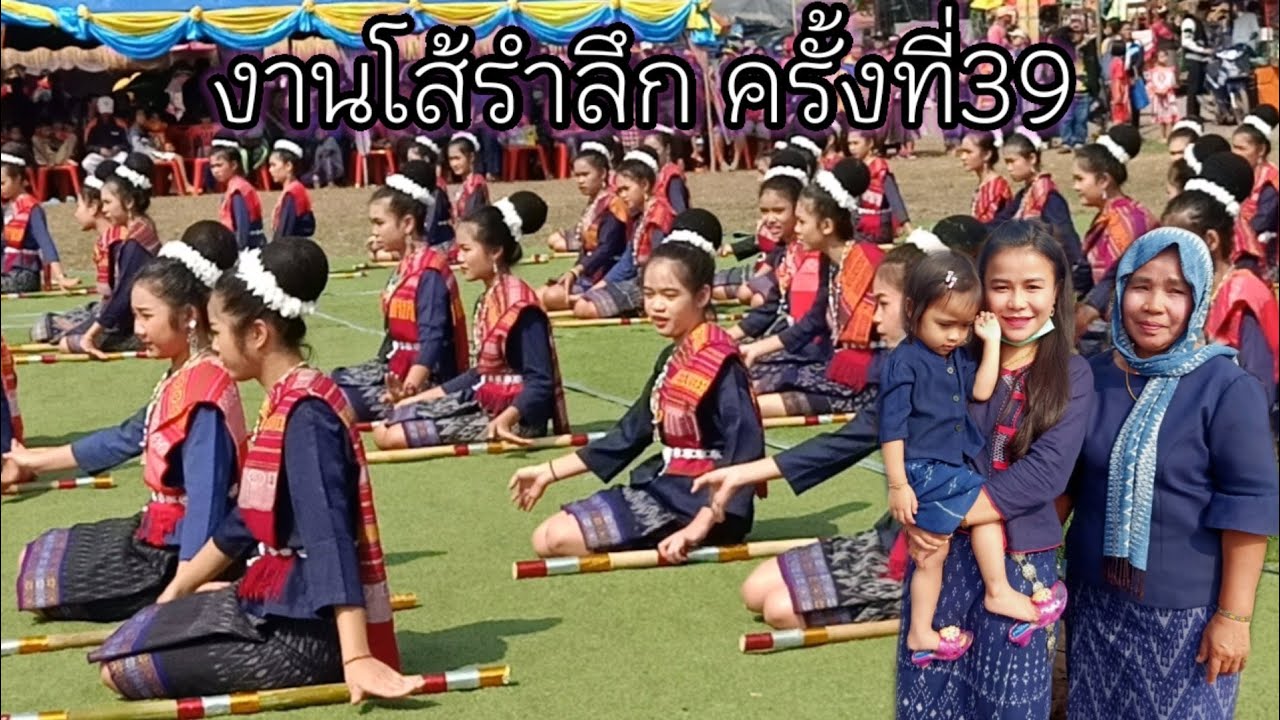

 Historical Sites and Monuments(3)
 Landmarks and Memorials(2)
Art, Craft Centres, Tradition(3)
Landmarks and Memorials(2)
Art, Craft Centres, Tradition(3)
 Museums(3)
 Educational Places
 Library(1)
 Places of Worship
 Temple(23)
 Church(1)
 Other Sacred Sites(11)
 Suburban Living
 Village, Community(5)
 Nature and Wildlife
 National Parks and Marine Reserves(1)
 Dam, Reservoir, Lake(5)
 Waterfalls(2)
 River, Canal(3)
 Bays and Beaches(3)
 Other natural attractions(2)
 Entertainment and Agricultural
 Zoos and Aquariums(1)
 Farms, Parks and Ecotourism(2)
 Shopping
 Shopping and Night Market(1)


