
lovethailand home >Northeastern Travel Attractions >Maha Sarakham Travel Attractions >Kosum Phisai >Lao > Wat Don Tum Samakkhi Tham
TL;DR: Wat Don Tum Samakkhi Tham is located at Ban Don Tum, Moo 5, Lao Subdistrict, Kosum Phisai District, Maha Sarakham Province, open Daily, hours 08.00 – 17.00.
Wat Don Tum Samakkhi Tham
Open Days: Daily
Opening Hours: 08.00 – 17.00
Wat Don Tum Samakkhi Tham in Maha Sarakham Province is an important Buddhist temple in Ban Don Tum, Moo 5, Lao Subdistrict, Kosum Phisai District. The temple stands prominently on the edge of Bueng Kui, a large body of water that has long been connected with the local landscape, community life, and cultural identity of Kosum Phisai. It is both a place for merit-making and worship, and a peaceful cultural destination where visitors can experience the relationship between Buddhism, water, rural Isan life, and community faith.
The temple’s strongest appeal comes from its lakeside setting. Bueng Kui is not merely a pond or reservoir; it is a local landmark, a resting area, a community landscape, and part of the wider cultural geography associated with the symbolic “Navel of Isan” area in Lao Subdistrict. Because Wat Don Tum Samakkhi Tham is located beside this large expanse of water, the temple carries a special atmosphere that combines spiritual calm with open natural scenery. Visitors come not only to pay respect to the Buddha, but also to breathe in the quiet air and appreciate the wide view across the water.
For the people of Ban Don Tum and nearby villages, Wat Don Tum Samakkhi Tham is more than a religious building. It is a spiritual center for the community, a place where people gather for Buddhist ceremonies, village activities, merit-making, and shared acts of devotion. The name “Samakkhi Tham” reflects the heart of the temple: unity through Dharma, shared faith, and collective goodwill. It expresses the idea that a temple can bring people together not only through worship, but also through cooperation and community care.
The lakeside location gives Wat Don Tum Samakkhi Tham a gentle and memorable atmosphere. In the morning, soft light reflects on the surface of Bueng Kui and gives the temple a calm feeling. In the late afternoon, breezes from the water make the temple grounds pleasant for walking and quiet reflection. This setting makes the temple different from urban temples or roadside temples. It is a place where the sacred space of Buddhism and the natural rhythm of a rural water landscape come together.
The temple is important as a center of Buddhist faith for Lao Subdistrict and surrounding areas. People from communities around Bueng Kui, Kosum Phisai District, and nearby provinces can come to make merit and participate in religious activities. In this way, the temple connects several villages through Buddhist practice. This is one of the essential roles of temples in Isan society. A temple is not only a place where Buddha images and religious buildings stand; it is also a shared social and spiritual space that helps maintain relationships, traditions, and collective identity.
The name “Don Tum” also reveals something about the local landscape. In northeastern Thailand, “don” often refers to raised land or a mound suitable for settlement in areas with nearby water. “Tum” is associated with the village name Ban Don Tum. The temple’s name therefore reflects its close relationship with the community. Wat Don Tum Samakkhi Tham grew with the village and remains part of the village’s identity. It is a temple of the people, rooted in the land and water around Bueng Kui.
Understanding Bueng Kui is essential for understanding the temple. Bueng Kui is a large water body in the Kosum Phisai area and is connected with local recreation, natural scenery, and the symbolic identity of the Navel of Isan. The area has been promoted as a place of local interest, and visitors often associate it with open water, flowers, community scenery, and quiet rural tourism. The temple’s location beside Bueng Kui gives it a broader cultural meaning, placing it within a landscape that is both practical and symbolic for local people.
One of the memorable images associated with the area is the “Bridge of Faith,” a bamboo-style floating bridge near the landing of Wat Don Tum at Bueng Kui. The bridge has been described as a structure created from the faith and unity of villagers. It is more than a walkway. It represents cooperation, devotion, and the connection between the temple, the water, and the community. For travelers, the bridge and lakeside area add a scenic and symbolic dimension to a temple visit.
A visit to Wat Don Tum Samakkhi Tham should begin with paying respect to the Buddha and calming the mind. After that, visitors can walk around the temple grounds, observe the religious buildings, the courtyard, the lakeside area, and the view of Bueng Kui. The temple should be experienced slowly. Its charm does not lie in grand monuments alone, but in the relationship between sacred space and the surrounding natural landscape. The breeze, water, sky, and quiet temple grounds all contribute to the experience.
Wat Don Tum Samakkhi Tham is suitable for travelers who enjoy slow cultural travel and authentic village temple experiences. Visitors should not see it only as a photo stop. It is a living temple used by monks, villagers, and worshippers. Ceremonies, merit-making, and local activities continue to be part of its daily and seasonal rhythm. Understanding this context helps visitors appreciate the temple more deeply and behave with appropriate respect.
Architecturally, Wat Don Tum Samakkhi Tham reflects the practical and spiritual character of an Isan community temple. The religious buildings support worship, merit-making, sermons, and ceremonies. The courtyard can serve as a gathering space for festivals and community events. The lakeside landing extends the role of the temple beyond its buildings and connects the sacred area with Bueng Kui. This combination makes the temple both a religious place and a community landscape.
The beauty of Wat Don Tum Samakkhi Tham is the beauty of a living village temple. It is not a museum-like beauty frozen in time. It is the beauty of people coming to worship, of a cared-for temple ground, of a lakeside setting, and of simple spiritual life. This kind of place helps visitors understand that Isan Buddhist heritage is not limited to famous ancient ruins or large temples. A small lakeside community temple can also carry deep cultural and emotional value.
During Buddhist holy days and important annual festivals, Wat Don Tum Samakkhi Tham functions as a gathering place for the community. Local people may come for merit-making, listening to sermons, candlelight processions, offerings, Buddhist Lent activities, Songkran-related rituals, and other community merit-making traditions. Through these activities, the temple helps preserve the continuity of Buddhist culture and local social bonds.
For photographers, Wat Don Tum Samakkhi Tham is best suited to atmospheric and documentary-style photography. Interesting scenes include the temple beside Bueng Kui, the landing area, the bridge, the water surface in morning or evening light, and the quiet life around the temple. Photography should be done respectfully. Do not disturb worshippers, monks, or ceremonies. Avoid using religious spaces as inappropriate photo backdrops, and ask permission before taking close photographs of people or monks.
The best time to visit is early morning or late afternoon. Morning visits are good for merit-making, cool weather, and soft light. Late afternoon is suitable for walking near the water and enjoying the breeze from Bueng Kui. During the rainy season, the surrounding landscape may become greener and fresher, but paths may be slippery or wet. During the cool season, the open lakeside setting is especially pleasant for walking and photography.
Getting There is most convenient by private car, rental car, or arranged local transport. From Maha Sarakham city, travel toward Kosum Phisai District, then continue to Lao Subdistrict and Ban Don Tum, Moo 5. Travelers can search for Wat Don Tum Samakkhi Tham or use the coordinates 16.19073113, 103.049891. Checking the route before departure is recommended, especially during the rainy season or during local religious events when traffic around the village may be heavier than usual.
From Kosum Phisai town, the temple can be included in a Bueng Kui and Navel of Isan route. A useful plan is to begin with merit-making at Wat Don Tum Samakkhi Tham, then walk to the lakeside area or bridge, and continue to Bueng Kui, the Navel of Isan area, or other local attractions. This type of itinerary works well for both half-day and full-day travel because it combines temple culture, water scenery, local identity, and rural community life.
Travelers without a private vehicle can first reach Maha Sarakham city or Kosum Phisai town, then arrange local transport to Ban Don Tum in Lao Subdistrict. Because public transport in rural communities may not operate frequently throughout the day, it is best to arrange the return trip in advance. A hired local vehicle is often more convenient for travelers who want to visit the temple, Bueng Kui, the Navel of Isan, and restaurants in the same trip.
Visitors should follow basic temple etiquette. Dress modestly, covering shoulders and knees. Speak quietly, do not litter in the temple or lakeside area, do not enter monastic areas without permission, and do not climb on religious structures or behave disrespectfully. If a ceremony is taking place, visitors should keep an appropriate distance and follow the guidance of monks or local caretakers.
For families, Wat Don Tum Samakkhi Tham can be a useful place to teach children about the relationship between Buddhism and nature. Young visitors can see how a rural temple connects with water, village life, community activities, and religious faith. Teaching children not to litter, not to disturb worshippers, and to respect sacred spaces helps create responsible cultural travel habits.
For nature-oriented travelers, Bueng Kui is a key part of the experience. The large body of water gives the temple an open and peaceful backdrop. At certain times, the Bueng Kui area has also attracted attention for flower landscapes and community tourism activities such as sunflower fields and photo spots promoted by Kosum Phisai. This allows visitors to combine a temple visit with nature, scenery, and seasonal community attractions.
Wat Don Tum Samakkhi Tham is also suitable as part of a wider cultural route in Kosum Phisai District. The district offers temples, water landscapes, the Navel of Isan area, natural attractions, and riverside destinations along the Chi River. Travelers with a half day can combine the temple with Bueng Kui and the Navel of Isan. Those with a full day can add Kosamphi Forest Park, Kaeng Tat, Hat Wang Ko, and local restaurants in Kosum Phisai.
From a community perspective, the temple clearly expresses the meaning of “samakkhi,” or unity. Maintaining a lakeside temple, developing a landing area, using the temple as a shared spiritual center, and creating public features around Bueng Kui all require cooperation among monks, villagers, community leaders, and local authorities. The temple therefore represents collective effort and community faith in a very tangible way.
For international visitors interested in Thai culture, Wat Don Tum Samakkhi Tham helps explain the role of temples in Isan village life. A rural Thai temple is not only a tourist site. It is a place for merit-making, social gathering, annual rituals, local cooperation, and shared identity. Its lakeside location also shows how Buddhism and nature often support one another in Thai cultural landscapes.
Although Wat Don Tum Samakkhi Tham is not a large nationally famous temple, its value lies in authenticity. It is rooted in Ban Don Tum, Bueng Kui, the Navel of Isan landscape, and the daily life of Lao Subdistrict. Its quiet temple grounds and broad lakeside view give visitors a simple but deep experience. It is a good destination for travelers who want to see Maha Sarakham through local community life rather than only through mainstream attractions.
Visitors with 30 to 60 minutes can pay respect to the Buddha, walk around the temple, take respectful photographs near the lakeside, and enjoy the breeze at the landing area. Those with more time should combine the visit with Bueng Kui, the Navel of Isan, and nearby attractions to better understand the surrounding cultural landscape. The temple should not be separated from Bueng Kui, because the identity of this place comes from the harmony of faith, water, and community.
Responsible travel is important at Wat Don Tum Samakkhi Tham. Visitors can help preserve the site by keeping the temple and lakeside clean, avoiding disruptive behavior, respecting worshippers, and treating the religious space appropriately. A living community temple needs visitors who understand its role, not only visitors seeking photographs. Respectful behavior helps ensure that the temple remains a peaceful center of faith for the local community.
In summary, Wat Don Tum Samakkhi Tham in Ban Don Tum, Lao Subdistrict, Kosum Phisai District, Maha Sarakham Province is a meaningful lakeside temple with strong spiritual, cultural, and natural value. Its highlights are its location beside Bueng Kui, its role as a center of faith for the community, its peaceful Isan village atmosphere, and its connection with the Navel of Isan landscape. Travelers seeking a quiet and culturally rich experience in Maha Sarakham should include this temple in a Kosum Phisai and Bueng Kui itinerary.
| Name | Wat Don Tum Samakkhi Tham |
| Location | Ban Don Tum, Moo 5, Lao Subdistrict, Kosum Phisai District, Maha Sarakham Province |
| Address | Ban Don Tum, Moo 5, Lao Subdistrict, Kosum Phisai District, Maha Sarakham Province 44140, Thailand |
| Coordinates | 16.19073113, 103.049891 |
| Highlights | A peaceful lakeside temple beside Bueng Kui and an important center of Buddhist faith for Ban Don Tum and nearby communities |
| Distinctive Features | Located prominently on the edge of Bueng Kui, with a lakeside landing, water views, and a calm Isan village temple atmosphere |
| Cultural Importance | A Buddhist faith center for Lao Subdistrict, Kosum Phisai District, and nearby communities |
| Related Areas | Bueng Kui, Navel of Isan, Ban Don Tum, Ban Khwao, and surrounding communities in Lao Subdistrict |
| Main Areas / Zones | 1. Worship and merit-making area 2. Religious buildings and temple courtyard 3. Bueng Kui lakeside landing 4. Bueng Kui viewpoint and bridge area 5. Community activity and merit-making area |
| Travel Information | From Maha Sarakham city, travel toward Kosum Phisai District, then continue to Lao Subdistrict and Ban Don Tum. Private car, rental car, or arranged local transport is recommended |
| Current Status | Open as a community temple and lakeside faith-based attraction where visitors can make merit and visit during opening hours |
| Open Days | Daily |
| Opening Hours | 08.00 – 17.00 |
| Facilities | Temple courtyard, worship area, Bueng Kui lakeside landing, viewpoint area, and parking space around the temple or nearby community area |
| Caretaker / Local Authority | Wat Don Tum Samakkhi Tham monastic community, Ban Don Tum community, and Lao Subdistrict Administrative Organization |
| Local Administrative Contact | Lao Subdistrict Administrative Organization, Tel. 043-750400 |
| Official Local Website / Page | Lao Subdistrict Administrative Organization website: laolocal.go.th |
| Nearby Tourist Attractions | 1. Bueng Kui, about 1 km 2. Navel of Isan at Ban Khwao, Lao Subdistrict, about 5 km 3. Bueng Kui Sunflower Field, about 2 km 4. Kosamphi Forest Park, about 15 km 5. Kaeng Tat / Hat Wang Ko in Kosum Phisai District, about 17 km |
| Nearby Restaurants | 1. Dao Suk Restaurant, about 9 km, Tel. 095-768-2954 2. Hugchee Grand Coffee & Resort, about 13 km, Tel. 094-262-9939 3. NANA FARM, about 14 km, Tel. 061-025-3555 4. KFC Lotus Kosum Phisai, about 14 km, Tel. 065-510-4714 5. Morocco Blue Cafe by Chilong River Farm Resort, about 18 km, Tel. 083-251-2123, 084-190-4560 |
| Nearby Accommodations | 1. Hugchee Grand Coffee & Resort, about 13 km, Tel. 094-262-9939 2. Morocco Blue Cafe by Chilong River Farm Resort, about 18 km, Tel. 083-251-2123, 084-190-4560 3. Faikham Resort, about 16 km, Tel. 088-069-3891 4. K.C. Garden View Guest House, about 15 km 5. Khan Suk Resort, about 18 km |
Frequently Asked Questions (FAQ)
Q: Where is Wat Don Tum Samakkhi Tham located?
A: Wat Don Tum Samakkhi Tham is located in Ban Don Tum, Moo 5, Lao Subdistrict, Kosum Phisai District, Maha Sarakham Province, beside Bueng Kui.
Q: What makes Wat Don Tum Samakkhi Tham interesting?
A: The temple is known for its peaceful lakeside setting beside Bueng Kui, its role as a center of community faith, and its connection with the Navel of Isan area.
Q: What are the opening days and hours of Wat Don Tum Samakkhi Tham?
A: The temple is open daily from 08.00 to 17.00.
Q: How can travelers get to Wat Don Tum Samakkhi Tham?
A: From Maha Sarakham city, travel toward Kosum Phisai District, then continue to Lao Subdistrict and Ban Don Tum. A private car, rental car, or arranged local transport is recommended.
Q: How is Wat Don Tum Samakkhi Tham connected with Bueng Kui?
A: The temple stands on the edge of Bueng Kui, giving it a lakeside atmosphere with a landing area, water views, and a travel route connected with Bueng Kui and the Navel of Isan.
Q: When is the best time to visit Wat Don Tum Samakkhi Tham?
A: Morning and late afternoon are the best times to visit because the weather is cooler, the light is softer, and the lakeside atmosphere is more pleasant.
Q: What should visitors wear when visiting Wat Don Tum Samakkhi Tham?
A: Visitors should dress modestly, cover shoulders and knees, behave calmly, avoid littering near the lake, and respect monastic and religious areas.
Q: What nearby attractions can be included in the same trip?
A: Travelers can combine the visit with Bueng Kui, the Navel of Isan, Bueng Kui Sunflower Field, Kosamphi Forest Park, Kaeng Tat, and Hat Wang Ko.
 Category: ●Places of Worship
 Group: ●Temple
Last Update : 2 MonthAgo
 Last Update : 2 MonthAgo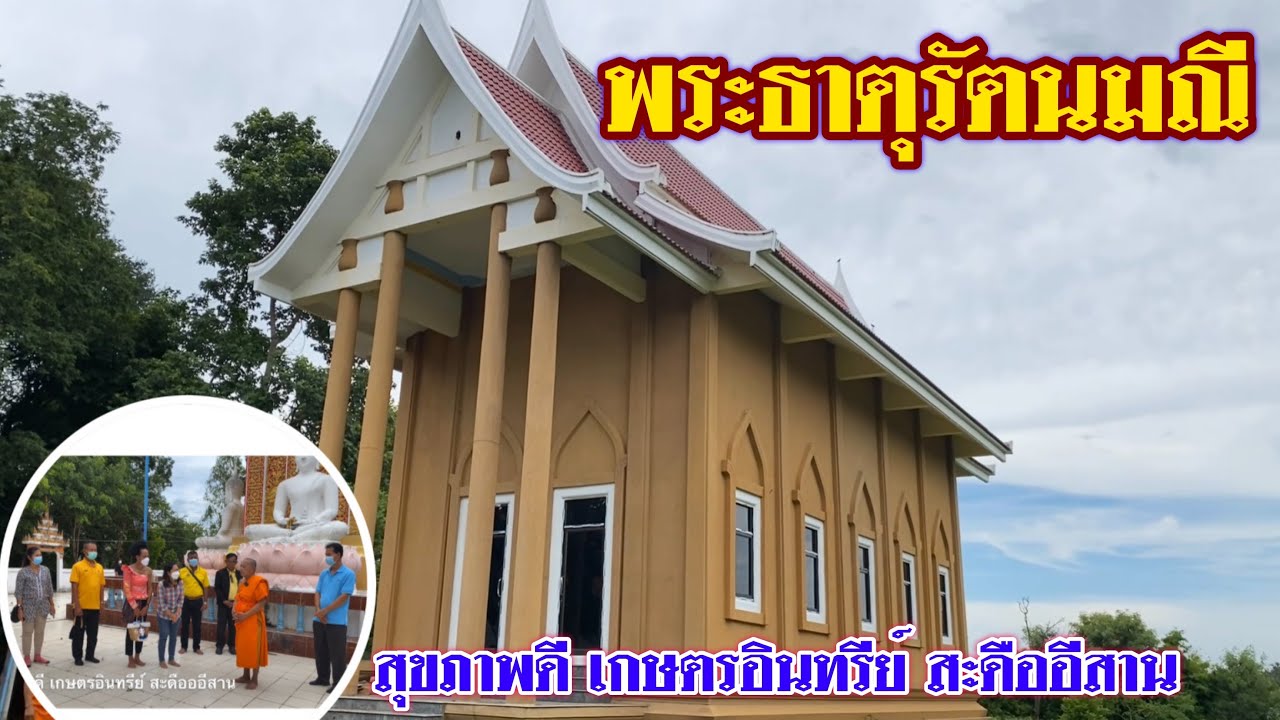
 Click to Access the Navigation Map GPS
Wat Don Tum Samakkhi Tham Map

 Art, Culture and Heritage
 Historical Sites and Monuments(4)
 Art, Craft Centres, Tradition(5)
 Museums(3)
Temple(17)
Museums(3)
Temple(17)
 Other Sacred Sites(7)
 Research and Development
 Royal Project(2)
 Suburban Living
 Village, Community(5)
 Nature and Wildlife
 National Parks and Marine Reserves(3)
 Dam, Reservoir, Lake(10)
 River, Canal(2)
 Bays and Beaches(2)
 Other natural attractions(2)
 Entertainment and Agricultural
 Farms, Parks and Ecotourism(3)
 Travel Articles, Recipes
 Food Menu, Northeastern Recipes(1)


