
lovethailand home >Northeastern Travel Attractions >Loei Travel Attractions >Wang Saphung >Khao Luang > Wat Tham Pha Phung
TL;DR: Wat Tham Pha Phung is located at Khao Luang Subdistrict, Wang Saphung District, Loei Province, open Daily, hours Daytime visit is recommended; visitors should descend before dark.
Wat Tham Pha Phung
Open Days: Daily
Opening Hours: Daytime visit is recommended; visitors should descend before dark
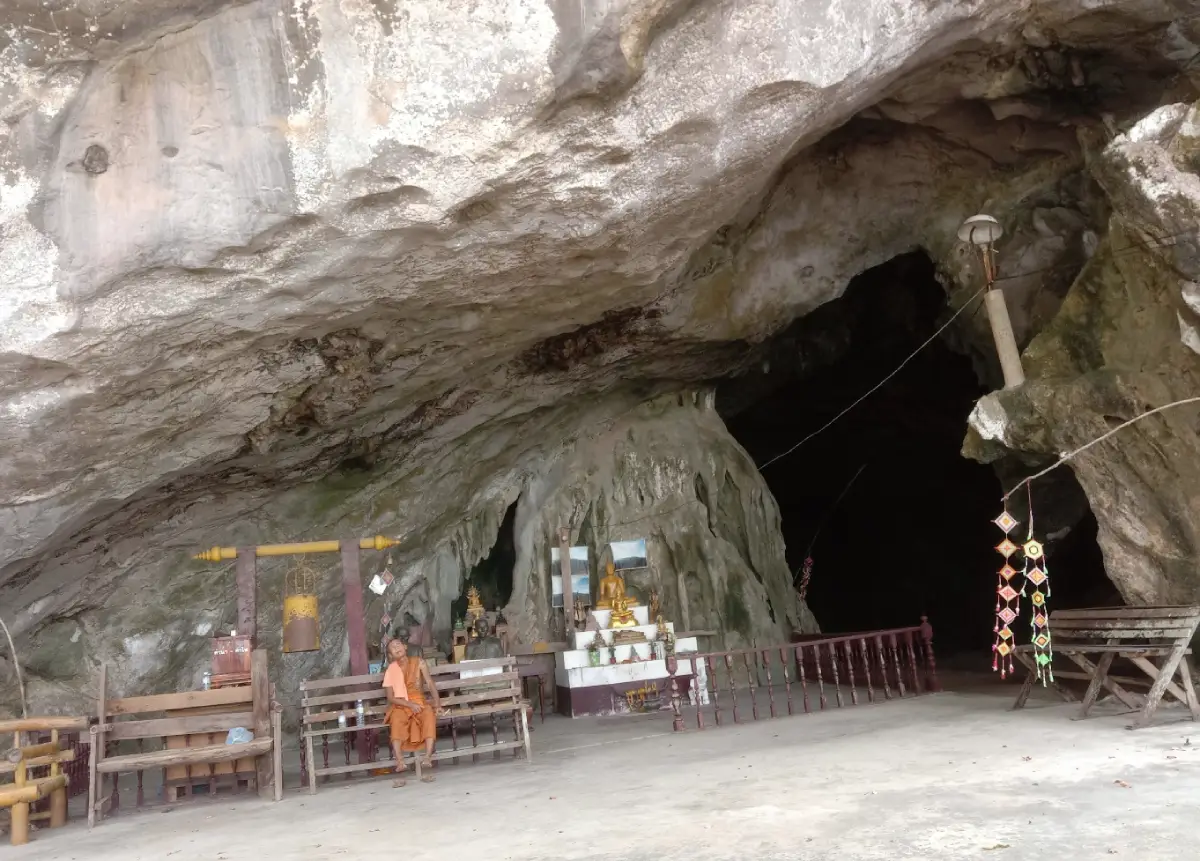
Wat Tham Pha Phung in Loei Province is a mountain cave temple in Khao Luang Subdistrict, Wang Saphung District. It is known for its steep stairway of about 700 steps leading from the lower temple area to the cave entrance, a cool and spacious cave chamber, Buddha images enshrined inside the cave, beautiful stalactites and stalagmites, and wide mountain views over the Wang Saphung landscape. For foreign travelers, this temple offers a meaningful combination of Buddhist worship, natural cave scenery, a moderate physical challenge, and a quiet local atmosphere away from the more crowded tourist routes of Loei.
Wat Tham Pha Phung is located in a limestone mountain area of Khao Luang Subdistrict, Wang Saphung District, Loei Province. The temple combines the character of a forest temple, a cave temple, and a natural attraction. Its most distinctive feature is the high mountain setting, where the cave entrance is reached by climbing a long stairway from the lower temple grounds. Parts of the route include concrete steps, while some sections are steeper and require extra caution. This makes the visit feel like a small pilgrimage, requiring patience, physical effort, and awareness of the natural surroundings.
Pha Phung Cave is a large limestone cave with an entrance about 10 meters wide and a depth of about 160 meters. Inside, the cave opens into a spacious chamber with a noticeably cooler atmosphere than the outside. The rock structure naturally preserves moisture and temperature, while daylight entering through the entrance and some openings creates a soft, mysterious atmosphere. After climbing hundreds of steps, many visitors feel that the cool air and peaceful cave chamber make the effort worthwhile.
Inside the cave, Buddha images are enshrined in the main chamber, making the cave not only a natural site but also a sacred Buddhist space. Around the cave entrance are Buddha images and statues connected with Buddhist faith and local devotion. The presence of these sacred objects gives the cave a quiet religious atmosphere. Visitors often come to pay respect, make merit, meditate briefly, or simply sit in silence after reaching the cave.
The cave is also admired for its stalactites and stalagmites. These natural formations were created over a very long period as mineral-rich water slowly passed through the limestone. Some formations hang from the ceiling, some rise from the cave floor, and others appear as textured rock curtains and pillars. Their shapes give the cave a raw and ancient beauty. Visitors should never touch these formations, as oils from human hands and physical contact can damage or disturb their natural growth.
The stairway is an essential part of the Wat Tham Pha Phung experience. The climb of about 700 steps requires reasonable fitness, especially because of the slope and the outdoor mountain environment. The route is not a long hiking trail, but it is more demanding than a normal temple visit. Travelers should wear non-slip shoes, bring drinking water, and walk at a steady pace. Resting along the way is normal and recommended, especially for families, elderly visitors, or anyone not used to climbing long stairways.
As visitors climb higher, the surrounding views gradually open up. The route offers glimpses of forest, limestone cliffs, village landscapes, and the wider Wang Saphung area. This slow transition from the lower temple grounds to the cave above is one of the reasons many visitors remember the site. It is not only about reaching the cave; the climb itself becomes part of the experience.
When visitors arrive at the cave entrance, the atmosphere changes quickly. The heat and effort of the climb give way to cooler air, shade, and a sense of stillness. The large cave chamber creates a peaceful space for worship and rest. The Buddha images inside the cave reinforce the sacred character of the place, while the natural rock formations remind visitors that this temple is built within a living geological environment rather than a constructed building alone.
The views from the upper area are another important attraction of Wat Tham Pha Phung. From certain points near the cave and along the ascent, visitors can see mountains, forested areas, and the surrounding communities of Wang Saphung District. Morning and late afternoon light are especially beautiful for photography, giving the landscape more depth and softness. After rain or during the late rainy season, the hills appear especially green, although the steps may be more slippery and require greater care.
Wat Tham Pha Phung should be understood as both a natural cave site and a place of Buddhist practice. Caves and mountains have long been used by monks for meditation and seclusion because they offer silence, distance from busy life, and a strong sense of nature. The temple therefore has spiritual value beyond sightseeing. Visitors should keep their voices low, avoid playing music, and behave respectfully around worship areas and monks’ spaces.
From a natural heritage perspective, Pha Phung Cave is part of a limestone cave environment that should be carefully protected. The cave floor, walls, air circulation, rock surfaces, and mineral formations are sensitive to human impact. Litter, graffiti, touching stalactites and stalagmites, or careless movement inside the cave can harm the site. Responsible visitors help preserve the cave by staying on appropriate paths, avoiding contact with rock formations, and taking all rubbish back down with them.
For photographers, the temple offers several worthwhile angles: the long stairway rising toward the mountain, the cave entrance with natural light, Buddha images inside the cave chamber, stalactites and stalagmites, and panoramic views over Wang Saphung. Photography should be done respectfully. Flash photography should not disturb worshippers, and visitors should not climb rocks or move into unsafe areas for photos. The best images are those that communicate the natural beauty and quiet dignity of the site.
The best time to visit Wat Tham Pha Phung is in the morning or early afternoon. The weather is usually more comfortable, and visitors have enough time to climb up and descend safely before dark. Evening visits require extra caution because descending the mountain after sunset is not recommended. During the rainy season, the area is lush and beautiful, but the stairway can be slippery. The cool season is generally the most comfortable time for walking and exploring the cave temple.
Travelers should prepare properly before visiting. Drinking water, comfortable shoes, modest clothing, a small towel, and a light bag are useful. A small flashlight can also help visitors observe darker corners of the cave safely. Families with children should supervise them closely because of the steep steps and cave environment. Elderly visitors should assess their physical condition before attempting the full climb to the cave entrance.
Because Wat Tham Pha Phung is still a Buddhist temple, visitors should dress modestly even though the site is also a natural viewpoint. Clothes should be suitable for both temple etiquette and physical movement. Very short or revealing clothing is not appropriate. Slippery sandals or high heels are not recommended because the path includes many steps and some steep sections.
Wat Tham Pha Phung can be included in a broader Wang Saphung travel route. Nearby cultural and natural attractions include Wat Phatthasimaram, known for its Dvaravati-period sandstone sema stones; Phra Phutthabat Tham Pha Bing and Wat Tham Pha Bing, important Buddhist sites with historical significance; Wat Pa Sammanusorn, associated with the Thai forest meditation tradition; and Phu Bo Bit in Mueang Loei District. Travelers can begin with Wat Tham Pha Phung in the morning, then continue to other temples, cafés, or local restaurants in Wang Saphung.
Wang Saphung District is suitable for slow travel because it combines temples, caves, mountains, local restaurants, cafés, and small accommodations. Wat Tham Pha Phung can serve as the main destination of a half-day trip or as part of a longer route between Loei town, Phu Ruea, Chiang Khan, or other areas of the province. A well-planned trip can include worship, nature, light exercise, local food, and cultural stops in one day.
Travelers starting from Loei town can drive toward Wang Saphung District and continue to Khao Luang Subdistrict. Online maps can be used by searching for “Wat Tham Pha Phung, Wang Saphung, Loei.” The route is generally accessible by private car, but drivers should be careful near the temple area because of local roads, village surroundings, and hilly terrain. On weekends or busy periods, visitors should allow extra time for parking and for the climb.
Getting There is easiest by private car or rental car. From Loei town, drive toward Wang Saphung District, then continue into Khao Luang Subdistrict and follow the route to Wat Tham Pha Phung. After reaching the lower temple grounds, visitors must walk up the long stairway to the cave entrance. It is best to begin the climb in the morning or while there is still plenty of daylight, and visitors should plan to descend before dark.
A half-day itinerary can focus on Wat Tham Pha Phung alone, allowing enough time to climb the stairs, pay respect inside the cave, enjoy the view, and rest after descending. A full-day itinerary can combine the temple with Wat Phatthasimaram, Phra Phutthabat Tham Pha Bing, Wat Pa Sammanusorn, or Phu Bo Bit, depending on time, weather, and the physical condition of the group. Since Wat Tham Pha Phung requires more effort than a typical flatland temple, the number of additional stops should be planned realistically.
For Buddhist travelers, the climb to the cave adds symbolic meaning to the visit. The effort required to reach the cave creates time for quiet reflection and awareness of one’s breath. When visitors finally arrive at the cool cave chamber and pay respect to the Buddha images, the experience feels more personal and memorable than a quick temple stop. This is one of the reasons Wat Tham Pha Phung leaves a strong impression on many visitors.
For nature travelers, the temple offers a close encounter with a limestone cave environment. The cave entrance, deep chamber, stalactites, stalagmites, rock walls, and natural light all show how long geological processes shape the landscape. Visitors should follow the principle of leaving no trace: do not litter, do not write on rocks, do not touch cave formations, and do not remove anything from the cave.
For community-based travel, Wat Tham Pha Phung brings attention to Khao Luang Subdistrict and Wang Saphung District. Visitors who eat at local restaurants, stay in local accommodation, and travel respectfully help support the surrounding community. Responsible tourism also means parking properly, avoiding loud noise, respecting local residents, and keeping the temple and natural surroundings clean.
Wat Tham Pha Phung in Loei Province is therefore ideal for travelers who want more than a simple temple visit. It offers a climb of about 700 steps, a cool cave chamber, Buddha images, beautiful rock formations, mountain views, and a peaceful forest-temple atmosphere. With good preparation, modest dress, and enough time, this cave temple becomes one of the most rewarding cultural and natural experiences in Wang Saphung District.
| Name | Wat Tham Pha Phung |
| Location | Khao Luang Subdistrict, Wang Saphung District, Loei Province |
| Address | Wat Tham Pha Phung, Khao Luang Subdistrict, Wang Saphung District, Loei Province 42130, Thailand |
| Highlights | Mountain cave temple with about 700 steps to the cave entrance, a large cave chamber, Buddha images, cool air, stalactites, stalagmites, and views over Wang Saphung |
| Distinctive Features | Large limestone cave with an entrance about 10 meters wide and a depth of about 160 meters, set within a peaceful mountain forest temple environment |
| Sacred Objects | Buddha images inside the cave chamber, Buddha images near the cave entrance, and statues connected with Buddhist faith, including Somdet Phra Phutthachan (To Phrommarangsi) and Phra Achan Prayut Dhammayutto |
| Travel Information | From Loei town, drive toward Wang Saphung District and continue to Khao Luang Subdistrict. Search online maps for “Wat Tham Pha Phung, Wang Saphung, Loei.” From the lower temple area, visitors walk up the stairway to the cave entrance. |
| Current Status | Active cave temple and natural cave attraction open for worship, nature viewing, and learning about limestone cave heritage |
| Open Days | Daily |
| Opening Hours | Daytime visit is recommended; visitors should descend before dark |
| Facilities | Lower temple grounds, parking area, stairway to the cave, some handrails, worship area, and resting points along the ascent |
| Main Areas / Zones | Lower temple area, stairway of about 700 steps, cave entrance, main cave chamber, Buddha image area, stalactite and stalagmite zone, and mountain viewpoint area |
| Caretaker | Wat Tham Pha Phung |
| Local Administrative Office | Khao Luang Subdistrict Administrative Organization, Tel. 042-870511, 042-810575, 042-810637, 042-810674 |
| Nearby Tourist Attractions | 1. Krua Khiang Pha / Khao Luang-Phu Ruea route, about 8 km 2. Wat Phatthasimaram / Ban Bung Phak Kam Sema Stone Museum, about 14 km 3. Phra Phutthabat Tham Pha Bing / Wat Tham Pha Bing, about 18 km, Tel. 042-812-812 4. Luang Pu Louis Chanthasaro Museum Chedi, about 18 km 5. Wat Pa Sammanusorn, about 22 km 6. Phu Bo Bit, Mueang Loei District, about 35 km 7. Huai Lao Waterfall, about 40 km |
| Nearby Restaurants | 1. Krua Khiang Pha, about 8 km, Tel. 082-684-9932 2. Nong Nam Mon Mookata + Som Tam Thai Loei, about 8 km 3. Pang Nuea Restaurant, about 12 km 4. Kamwan HOME CAFE, about 14 km, Tel. 099-632-0997 5. Na Wang Restaurant, about 14 km, Tel. 042-841-418 6. BALANCE SPECIALTY COFFEE Wangsaphung, about 14 km |
| Nearby Accommodations | 1. The Cozy Hotel, about 13 km, Tel. 095-654-8965 2. RARE LOEI HOTEL, about 14 km, Tel. 098-398-0157 3. Wang Saphung In View Hotel, about 14 km, Tel. 081-505-1569 4. Tonsak Loei Resort, about 16 km, Tel. 093-546-3633 5. Sakul Plang Resort, about 15 km, Tel. 042-841-483, 099-071-9937 6. Plus Hotel, about 14 km |
Frequently Asked Questions (FAQ)
Q: Where is Wat Tham Pha Phung located?
A: Wat Tham Pha Phung is located in Khao Luang Subdistrict, Wang Saphung District, Loei Province. It is a mountain cave temple reached by a stairway leading up to the cave entrance.
Q: How many steps are there at Wat Tham Pha Phung?
A: The stairway from the lower temple area to the cave entrance has about 700 steps, so visitors should wear comfortable shoes, bring water, and allow enough time for both climbing and descending.
Q: What can visitors see inside Pha Phung Cave?
A: Inside the cave, visitors can see a large cave chamber, Buddha images, cool natural air, limestone rock walls, stalactites, and stalagmites.
Q: Who is Wat Tham Pha Phung suitable for?
A: It is suitable for Buddhist travelers, nature lovers, cave temple visitors, photographers, and travelers who are physically ready to climb a long stairway for worship and mountain views.
Q: What is the best time to visit Wat Tham Pha Phung?
A: Morning and early afternoon are the best times to visit because the weather is more comfortable and visitors have enough daylight to descend safely before dark.
Q: What should visitors prepare before visiting Wat Tham Pha Phung?
A: Visitors should wear non-slip shoes, dress modestly, bring drinking water, carry a light bag, and avoid climbing during heavy rain or close to sunset.
Q: Is there an admission fee at Wat Tham Pha Phung?
A: No official admission fee information is published. Visitors may make merit or donate to help maintain the temple according to their faith.
Q: What attractions can be visited near Wat Tham Pha Phung?
A: Nearby attractions include Wat Phatthasimaram, Phra Phutthabat Tham Pha Bing, Luang Pu Louis Chanthasaro Museum Chedi, Wat Pa Sammanusorn, Phu Bo Bit, and Huai Lao Waterfall.
 Category: ●Places of Worship
 Group: ●Temple
Last Update : 2 MonthAgo
 Last Update : 2 MonthAgo
 Click to Access the Navigation Map GPS
Wat Tham Pha Phung Map
Recommend

 Art, Culture and Heritage
 Historical Sites and Monuments(2)
 Landmarks and Memorials(3)
 Art, Craft Centres, Tradition(2)
 Museums(4)
 Art Gallery(1)
 Educational Places
 Educational Gardens, Farm(2)
Temple(16)
Educational Gardens, Farm(2)
Temple(16)
 Other Sacred Sites(8)
 Research and Development
 Royal Project(3)
 Suburban Living
 Village, Community(3)
 Local Market(1)
 Nature and Wildlife
 National Parks and Marine Reserves(5)
 Mountain (Doi)(10)
 Dam, Reservoir, Lake(7)
 Waterfalls(21)
 Caves(3)
 River, Canal(5)
 Bays and Beaches(1)
 Other natural attractions(1)
 Entertainment and Agricultural
 Farms, Parks and Ecotourism(8)
 Waterpark(1)
 Outdoor and Adventure Activities(2)


