
lovethailand home >Northeastern Travel Attractions >Loei Travel Attractions >Dan Sai >Dan Sai > Wat Phon Chai
TL;DR: Wat Phon Chai is located at Ban Huai Khai, Khok Yai Subdistrict, Tha Li District, Loei Province, open Daily, hours Daytime Visit Recommended.
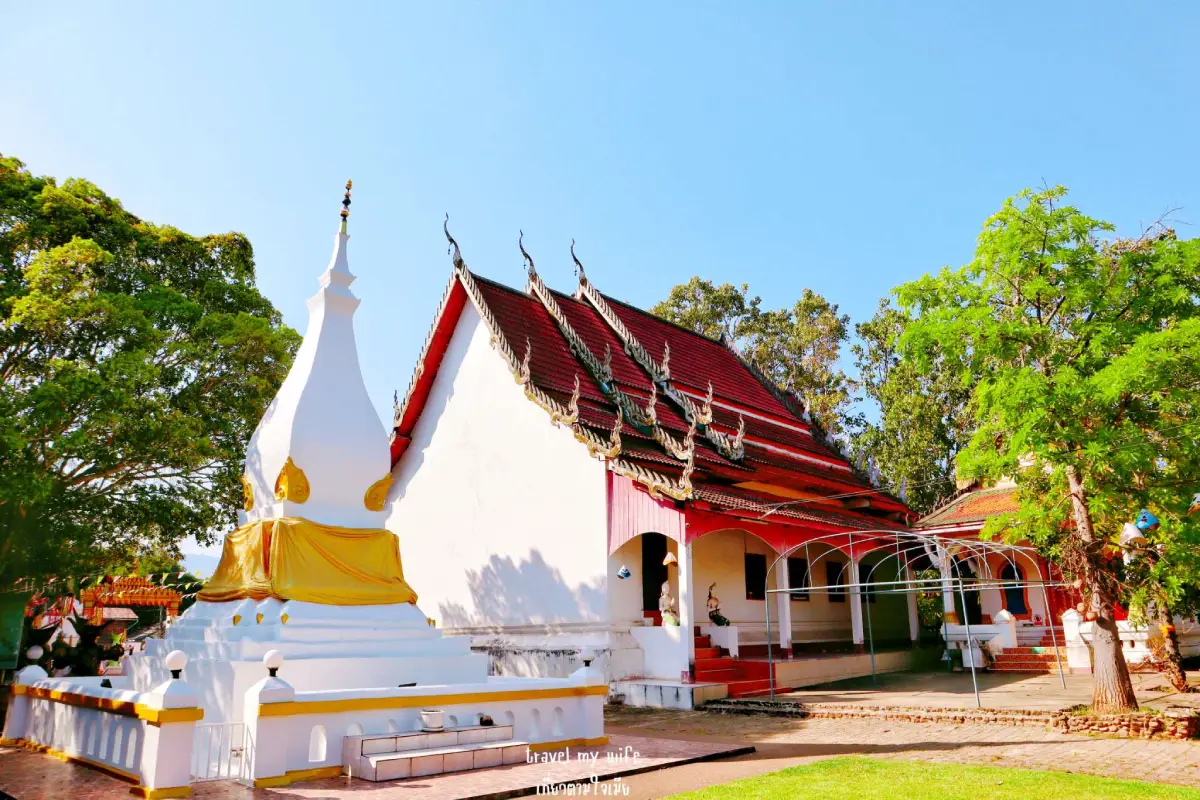
Wat Phon Chai
Open Days: Daily
Opening Hours: Daytime Visit Recommended
Wat Phon Chai in Ban Huai Khai, Loei Province is a quiet community temple in Khok Yai Subdistrict, Tha Li District. It is best suited for travelers who enjoy peaceful Buddhist temples, local village routes, and lesser-known cultural places in northeastern Thailand. The temple’s main highlight is its beautiful ubosot, or Buddhist ordination hall, built around 1994. Inside the hall is an impressive principal Buddha image that forms the spiritual heart of the temple.
This Wat Phon Chai should be identified clearly as Wat Phon Chai in Ban Huai Khai, Khok Yai Subdistrict, Tha Li District, Loei Province. It is not the better-known Wat Phon Chai in Dan Sai District, which is associated with the Phi Ta Khon festival. This distinction is important because Loei has several places with similar temple names. Wat Phon Chai in Ban Huai Khai offers a different kind of travel experience: a calm village temple, a beautiful ordination hall, and a local atmosphere shaped by the rural landscape of Tha Li District.
Ban Huai Khai and Khok Yai Subdistrict are part of Tha Li District, an area known for mountains, foothill plains, community forests, waterfalls, and agricultural villages. Wat Phon Chai is therefore not only a place of worship, but also part of a living community landscape where temples, homes, and nature remain closely connected. Visitors can sense the slower rhythm of local life here. The temple is not crowded like major tourist temples, making it suitable for travelers who want a more respectful, quiet, and place-based experience.
The heart of Wat Phon Chai is its ubosot, which was built around 1994. In Thai Buddhist tradition, the ubosot is one of the most important buildings in a temple because it is used for formal monastic ceremonies and functions as a sacred space within the temple grounds. The presence of a beautiful ordination hall shows the strength of local faith and the role of the temple as a spiritual center for the village. Although detailed historical records of the temple are not widely published, the construction period of the ubosot provides an important reference point for understanding the temple’s modern development.
When entering the temple grounds, visitors should first observe the calmness and simplicity of the area. Wat Phon Chai has the character of a real community temple rather than a heavily commercialized tourist attraction. Its beauty lies not in grand scale, but in its connection with local life. The temple serves as a place for merit-making, Buddhist ceremonies, listening to sermons, and gathering during important religious days. For foreign travelers, this makes Wat Phon Chai a meaningful stop for understanding how Buddhism remains part of everyday life in rural Loei.
Inside the ubosot, the principal Buddha image is the focal point of devotion. Visitors who enter the hall should do so respectfully, speak quietly, and dress modestly. The principal Buddha image represents the spiritual center of the temple and offers visitors a moment to pause, reflect, and experience the calm atmosphere of a local Thai Buddhist sanctuary. A visit to Wat Phon Chai is therefore not only about seeing an architectural structure, but also about entering a sacred space that local people value deeply.
The ordination hall also reflects the collective faith of the community. In many rural Thai temples, an ubosot is not simply a building project. It represents cooperation, donations, labor, and devotion from villagers and supporters over time. Wat Phon Chai therefore has cultural value beyond its physical appearance. It shows how a small community temple can become an anchor for religious practice, social connection, and local identity.
The surrounding atmosphere is peaceful and suitable for travelers who want to explore Loei beyond its better-known destinations such as Chiang Khan, Phu Ruea, or Dan Sai. A visit to Tha Li District and Khok Yai Subdistrict reveals another side of the province: borderland communities, mountain scenery, quiet local roads, and temples that still function closely with village life. Wat Phon Chai is best visited slowly, with enough time to appreciate both the temple and the community setting around it.
Wat Phon Chai can also be combined with nearby natural and community attractions. These include Huai Khai Waterfall, the Khok Yai viewpoint, the Khok Nong Na learning area, and the Phu Khok community forest area. This route is most convenient by private car or rental car because visitors can stop at several points along local roads and adjust the trip according to weather, road conditions, and personal interest.
Huai Khai Waterfall is one of the most suitable nearby stops because it is located in the Ban Huai Khai area. After making merit and visiting the ubosot at Wat Phon Chai, travelers can continue to the waterfall to experience the natural landscape of the community. This combination gives the trip more variety, linking Buddhist culture, village life, and nature in one route.
The viewpoint in Khok Yai Subdistrict is also worth including in the same trip. The landscape of Khok Yai includes mountains and foothill areas, so a viewpoint visit helps travelers understand the wider setting of the temple. Wat Phon Chai is not isolated from its environment; it belongs to a village surrounded by natural features that have shaped the way local people live.
The Khok Nong Na learning area in Khok Yai Subdistrict is suitable for travelers interested in community learning, agriculture, and local development. When combined with Wat Phon Chai, it provides a broader picture of Khok Yai: religion, community, nature, and sustainable land use. This kind of route is especially suitable for families, students, cultural travelers, and visitors who want to learn more than just the usual tourist highlights.
Phra That Satcha at Wat Lat Pu Song Tham in Tha Li District is another important religious site that can be combined with Wat Phon Chai on a full-day trip. Although it is farther away, it remains within the Tha Li travel context and is better known as a local place of faith. Travelers with more time can visit Wat Phon Chai and Ban Huai Khai first, then continue to Tha Li town for food, accommodation, and additional religious sites.
Wat Phon Kha in Ban Pak Yang, Nam Khaem Subdistrict, is another local temple in Tha Li District that may interest travelers who enjoy visiting community temples. Combining Wat Phon Chai with other small temples in the district helps visitors see the diversity of local Buddhist sites in Loei, including how each temple connects with its village and surrounding landscape.
Getting There is easiest by private car or rental car. From Mueang Loei, drive toward Tha Li District, then continue to Khok Yai Subdistrict and Ban Huai Khai. Local roads near the village should be traveled during daylight for easier navigation. Visitors starting from Tha Li town can follow the route toward Khok Yai and ask local residents for directions when reaching the Ban Huai Khai area, as community temples may not always have large tourist-style signs.
The best time to visit is in the morning or afternoon before evening. Daylight makes it easier to find the temple, view the ubosot, and take photographs respectfully. Visitors should dress modestly, remove shoes where required, speak quietly, and avoid disturbing monks or local residents. If the ubosot is not open during the visit, it is best to pay respect from outside or politely ask a caretaker in the area.
Wat Phon Chai is not a large tourist attraction, but this is precisely why it is meaningful. It offers travelers a chance to see a real community temple and understand how Buddhist spaces continue to serve local people in everyday life. The temple is ideal for those who prefer quiet cultural routes, local Buddhist architecture, and destinations that still preserve a strong village atmosphere.
For photography, visitors can take pictures of the ubosot, the temple grounds, and the surrounding village landscape, but temple etiquette should always come first. Photography inside the ubosot should be done only when permitted and without disturbing anyone praying or performing religious activities. If monks or villagers appear in a photo, ask for permission first. Respectful behavior is essential when visiting small community temples in Thailand.
Travelers should prepare for a local route rather than a full-service tourist site. Wear shoes that are easy to remove, carry drinking water, bring some cash for donations, and check the route before departure. If continuing to Huai Khai Waterfall or the Khok Yai viewpoint, road and weather conditions should be considered, especially during the rainy season. Loei’s cool season is particularly pleasant for visiting temples and rural communities.
Wat Phon Chai can be planned as a half-day trip from Tha Li town. Travelers can visit the temple, pay respect to the principal Buddha image, see the ubosot, continue to Huai Khai Waterfall or a viewpoint, and return to Tha Li for food or accommodation. From Mueang Loei, it is better to plan a full-day trip because the driving distance and nearby stops require more time.
Facilities at Wat Phon Chai should be understood as those of a local community temple. Visitors should not expect the same level of tourism infrastructure found at major attractions. More restaurant and accommodation options are available in Tha Li town or along the main routes. Travelers who plan to stay overnight should contact accommodations in advance, especially during long weekends or the high travel season in Loei Province.
From a cultural perspective, Wat Phon Chai adds depth to the travel image of Loei Province. Loei is not only about mountains, cool weather, and famous riverside towns. It also has many community temples that show the relationship between Buddhism and local life. Wat Phon Chai in Ban Huai Khai is one of those smaller but meaningful places, making it a suitable destination for travelers who want to understand Loei beyond the usual tourist routes.
For visitors interested in local temple architecture, the ubosot built around 1994 is especially important. It reflects a period when many rural communities in Thailand developed more permanent religious buildings for monastic ceremonies and community merit-making. The construction of an ubosot represents local faith, readiness, and cooperation. It is not merely decorative; it is central to the religious life of the temple.
Inside the ubosot, the principal Buddha image offers a calm moment for reflection. Paying respect to the Buddha image allows travelers to pause from the journey and connect with the quiet spiritual atmosphere of the temple. Wat Phon Chai is therefore suitable for visitors who want both cultural discovery and a peaceful religious experience in the same trip.
Overall, Wat Phon Chai in Ban Huai Khai is a meaningful stop for faith-based and local cultural travel in Tha Li District. Its beautiful ubosot built around 1994, its impressive principal Buddha image, its quiet village setting, and its connection to nearby places such as Huai Khai Waterfall, Khok Yai viewpoint, Phra That Satcha, local restaurants, and accommodations make it a worthwhile destination for travelers who want to see a quieter and more authentic side of Loei Province.
| Name | Wat Phon Chai, Ban Huai Khai |
| Location | Ban Huai Khai, Khok Yai Subdistrict, Tha Li District, Loei Province |
| Address | Khok Yai Subdistrict, Tha Li District, Loei Province, Thailand |
| Highlights | A beautiful ubosot built around 1994 and an impressive principal Buddha image inside the ordination hall |
| History | The temple is known for its ubosot, which was built around 1994 as an important religious structure of the Ban Huai Khai community |
| Distinctive Features | A quiet community temple with a notable ordination hall, suitable for merit-making and local cultural travel in Tha Li District |
| Principal Buddha Image | The principal Buddha image inside the ubosot is the spiritual center of the temple |
| Travel Information | Best reached by private car or rental car. From Mueang Loei, travel toward Tha Li District, then continue to Khok Yai Subdistrict and Ban Huai Khai. Daytime travel is recommended for easier navigation. |
| Current Status | A community temple that visitors can travel to for worship and to view the ubosot |
| Open Days | Daily |
| Opening Hours | Daytime Visit Recommended |
| Facilities | Temple grounds for worship, merit-making, and a short stop while traveling through the local community |
| Main Areas / Zones | Ubosot, Principal Buddha Image, Temple Courtyard, Community Merit-Making Area |
| Abbot / Caretaker | No publicly verified current abbot name was found. Visitors should contact the temple or local Khok Yai authorities before traveling if specific coordination is needed. |
| Nearby Tourist Attractions | 1. Huai Khai Waterfall, about 3 km 2. Khok Yai Subdistrict Viewpoint, about 8 km 3. Khok Nong Na Learning Area, Khok Yai Subdistrict, about 8 km 4. Phu Khok Community Forest Area, about 10 km 5. Phra That Satcha at Wat Lat Pu Song Tham, about 18 km 6. Wat Phon Kha, Ban Pak Yang, about 20 km |
| Nearby Restaurants | 1. Yai Chuea Restaurant, about 18 km, Tel. +66 93 496 0022 2. Tha Li Grand View Restaurant, about 18 km, Tel. +66 95 665 4695 3. Le Bar Tarry Food & Stay, about 18 km, Tel. +66 95 754 6268 4. dop.coffee / Slowbar Cafe Tha Li, about 18 km, Tel. +66 63 695 6365 5. Hen Om Coffee, about 18 km |
| Nearby Accommodations | 1. Prasit Tha Li Resort, about 18 km, Tel. +66 83 328 6559 2. Le Bar Tarry Hotel, about 18 km, Tel. +66 95 754 6268 3. Bansuan Rimthan Resort, Tha Li District, about 22 km, Tel. +66 89 570 1963 4. Rim Hueang Resort, about 22 km, Tel. +66 90 926 1936 5. Hero and Hug Loft Hotel, about 18 km, Tel. +66 90 961 6542, +66 61 934 8788 |
Frequently Asked Questions (FAQ)
Q: Where is Wat Phon Chai in Ban Huai Khai located?
A: Wat Phon Chai is located in Ban Huai Khai, Khok Yai Subdistrict, Tha Li District, Loei Province. It is a community temple known for its ubosot and principal Buddha image.
Q: Is this the same Wat Phon Chai as the temple in Dan Sai District?
A: No. This article refers to Wat Phon Chai in Ban Huai Khai, Tha Li District. Wat Phon Chai in Dan Sai District is a different temple.
Q: What is the main highlight of Wat Phon Chai in Ban Huai Khai?
A: The main highlight is its beautiful ubosot, built around 1994, with an impressive principal Buddha image inside.
Q: When should travelers visit Wat Phon Chai?
A: Travelers can visit daily, and daytime is recommended for easier navigation, better visibility, and a more comfortable temple visit.
Q: Is there an admission fee at Wat Phon Chai?
A: No publicly verified admission fee was found. Visitors may prepare cash for voluntary merit-making donations.
Q: What is the easiest way to get to Wat Phon Chai?
A: The easiest way is by private car or rental car. Travel from Mueang Loei or Tha Li town toward Khok Yai Subdistrict and Ban Huai Khai.
Q: What nearby attractions can be visited with Wat Phon Chai?
A: Nearby places include Huai Khai Waterfall, Khok Yai viewpoint, the Khok Nong Na learning area, Phu Khok, and Phra That Satcha in Tha Li District.
Q: Are there restaurants and accommodations near Wat Phon Chai?
A: Restaurants and accommodations are available mainly around Tha Li District. Travelers should contact them in advance, especially during holidays or the high travel season in Loei.
 Category: ●Places of Worship
 Group: ●Temple
Last Update : 3 MonthAgo
 Last Update : 3 MonthAgo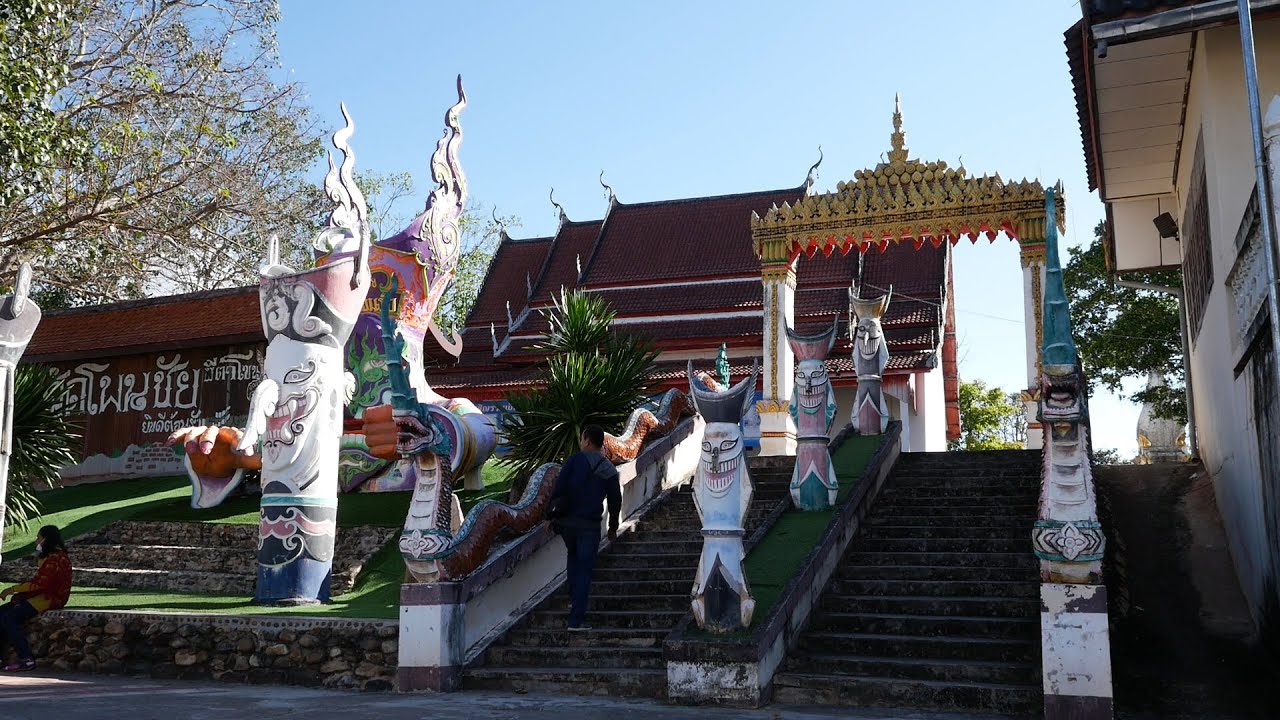
 Click to Access the Navigation Map GPS
Wat Phon Chai Map
Recommend

 Art, Culture and Heritage
 Historical Sites and Monuments(2)
 Landmarks and Memorials(3)
 Art, Craft Centres, Tradition(2)
 Museums(4)
 Art Gallery(1)
 Educational Places
 Educational Gardens, Farm(2)
Temple(16)
Educational Gardens, Farm(2)
Temple(16)
 Other Sacred Sites(8)
 Research and Development
 Royal Project(3)
 Suburban Living
 Village, Community(3)
 Local Market(1)
 Nature and Wildlife
 National Parks and Marine Reserves(5)
 Mountain (Doi)(10)
 Dam, Reservoir, Lake(7)
 Waterfalls(21)
 Caves(3)
 River, Canal(5)
 Bays and Beaches(1)
 Other natural attractions(1)
 Entertainment and Agricultural
 Farms, Parks and Ecotourism(8)
 Waterpark(1)
 Outdoor and Adventure Activities(2)
 Travel Articles, Recipes
 Travel Review, Food Review(1)


