
lovethailand home >Northeastern Travel Attractions >Loei Travel Attractions >Nong Hin >Puan Phu > Potisat Cave (Kui Lin Muang Loei)
TL;DR: Potisat Cave (Kui Lin Muang Loei) is located at Ban Puan Phu, Puan Phu Subdistrict, Nong Hin District, Loei Province, open Daily, hours 07.00 – 18.00.

Potisat Cave (Kui Lin Muang Loei)
Open Days: Daily
Opening Hours: 07.00 – 18.00
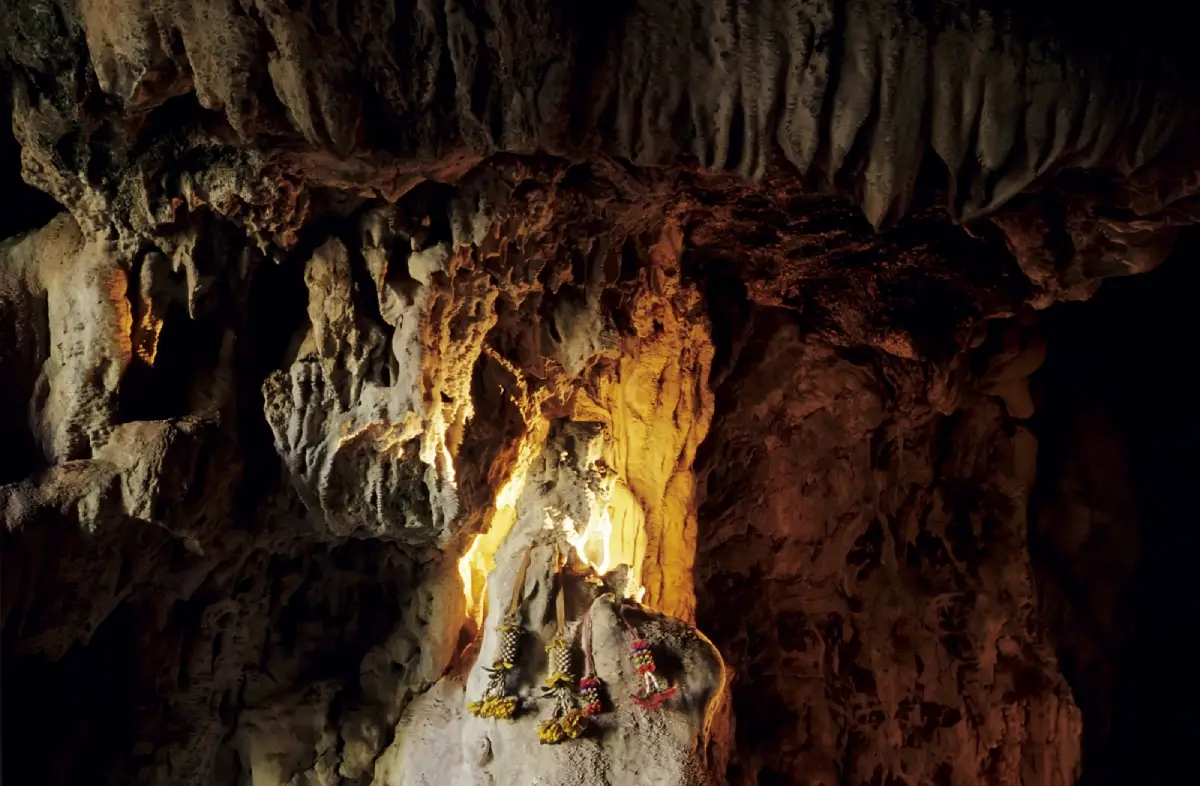
Tham Phothisat, also known as Guilin of Loei or Guilin of Thailand, is a limestone cave complex located within Wat Tham Phothisat in Ban Puan Phu, Puan Phu Subdistrict, Nong Hin District, Loei Province. The cave contains 15 chambers beneath a limestone mountain, with stalactites, stalagmites, dramatic cave walls, tree roots, and winding passages. There is no electricity inside the cave, so visitors should contact Puan Phu Subdistrict Administrative Organization or local caretakers before entering, bring a flashlight, and allow at least 1 hour for the cave walk.
Tham Phothisat, often called Guilin of Loei, is one of the most distinctive natural and spiritual attractions in Nong Hin District, Loei Province. The cave is located within Wat Tham Phothisat in Ban Puan Phu, Puan Phu Subdistrict. It is part of a limestone mountain landscape known for caves, rock formations, cliffs, forest paths, waterfalls, and viewpoints. For travelers who want to experience a quieter and more adventurous side of Loei, this cave offers a strong combination of geology, temple atmosphere, local belief, and community-based nature tourism.
The nickname Guilin of Loei reflects the dramatic limestone scenery of the area. Nong Hin District is widely known for Suan Hin Pha Ngam, the famous limestone rock garden often called the Kunming of Loei, and Tham Phothisat belongs to the same travel route. While Suan Hin Pha Ngam shows the limestone landscape from the outside, Tham Phothisat allows visitors to step inside the mountain and explore chambers, passages, mineral formations, and shaded natural spaces hidden beneath the peaks.
The cave complex contains 15 chambers. Each chamber has its own character and local name, such as Khao Wong Kot, Tham Lap Lae, heavenly-level chambers, Tham Sum Badan, Thong Phra Rong, Ha Phraeng, Nueng Diao, Khang Paet, Sao Lak Mueang, Tham Dok Hin, Mueang Lap Lae, Tham Nang Phaya, and Tham Malai. These names give the cave walk a sense of moving through different natural rooms, each with a slightly different shape, texture, atmosphere, and story.
The cave was formed through natural limestone processes. Rainwater and underground water slowly dissolved the limestone over a long period of time, creating cavities, chambers, passages, and mineral surfaces. Water dripping from ceilings and walls deposited calcium carbonate, gradually forming stalactites, stalagmites, curtains, pillars, and other cave formations. These formations take a very long time to develop, so visitors should treat every surface inside the cave as fragile natural heritage.
There is no electricity inside the cave. This is one of the most important things foreign travelers should know before visiting. A flashlight or headlamp is necessary. A phone light can help in some areas, but it is not ideal for long cave walking, especially when the floor is uneven or the route becomes narrow and dark. The lack of permanent lighting preserves the cave’s natural atmosphere, but it also means that visitors must be prepared and should not enter without local guidance.
The cave route takes at least 1 hour to walk through. Visitors who want to stop for photos, observe rock formations, or move slowly through the darker sections should allow more time. The route is not meant for rushing. Some areas are broad and impressive, while others are narrow, uneven, or slightly damp. Walking slowly makes the experience safer and also allows travelers to appreciate the details of the limestone walls, tree roots, cave ceilings, and mineral textures.
One of the important early chambers is Tham Sum Badan, often described as the entrance-like section of the cave route. From there, visitors may continue to see natural rock shapes such as Hin Nang Ngueak, before reaching Thong Phra Rong, a larger chamber with some of the most impressive formations in the cave. The Ha Phraeng area is known for tall, rough cave walls and large roots hanging down, creating a mysterious and dramatic atmosphere that makes the cave especially memorable.
Further along the route, visitors pass through areas known as Nueng Diao, Khang Paet, Sao Lak Mueang, Tham Dok Hin, Mueang Lap Lae, Tham Nang Phaya, and Tham Malai. These names come from local ways of interpreting natural shapes inside the cave. Some sections resemble pillars, some look like flowers or hidden rooms, and some feel like secret passageways. This is part of the charm of cave travel in Thailand: geology, imagination, local naming, and spiritual feeling often exist together in the same space.
Tham Phothisat is also a temple cave. Because it is located within Wat Tham Phothisat, the site should be visited with respect. Visitors may see religious features and a calm temple atmosphere before entering the natural cave route. Modest clothing, quiet speech, and respectful behavior are appropriate. The cave is not only a place for sightseeing but also a place connected with local faith, meditation, and the community’s relationship with the mountain.
From the parking area, visitors walk through a bamboo forest trail for about 300 meters before reaching the cave entrance. This short walk helps set the mood for the visit, moving from the temple grounds into a shaded natural environment. Before entering the cave, travelers should check their flashlight, water, footwear, and physical readiness. Once inside, the lighting, air, floor surface, and route conditions are different from an ordinary walking path.
During the rainy season, Wat Tham Phothisat becomes known for a seasonal natural phenomenon: clear, cool water flowing out of the cave and down the Naga staircase, creating a natural water-slide-like experience. This does not happen throughout the year and depends on rainfall and water conditions inside the limestone mountain. When it occurs, the site becomes especially popular with local families and visitors. Children should always be supervised, and travelers should avoid water play when the current is strong or heavy rain is expected.
The strength of Tham Phothisat lies in the range of experiences it offers. Travelers can explore a limestone cave, observe stalactites and stalagmites, walk through a bamboo forest, pay respect in a temple setting, photograph dramatic cave walls, and, in the rainy season, see water flowing naturally from the cave. This makes it suitable for nature lovers, cave explorers, cultural travelers, families, and visitors who want a local Loei experience beyond the better-known destinations of Chiang Khan, Phu Ruea, and Phu Kradueng.
However, this cave should not be entered casually without preparation. The route is winding and complex, there is no electricity inside, and the cave contains several connected chambers. Visitors should not split from the group, should not enter side passages without a guide, and should not go deeper than local caretakers recommend. Contacting Puan Phu Subdistrict Administrative Organization or the local caretakers before entering is the safest approach, especially for first-time visitors.
Proper clothing and footwear are important. Visitors should wear practical clothing that allows easy movement and shoes with good grip. Sandals with slippery soles are not recommended. A flashlight, drinking water, insect repellent, a waterproof bag for phones, and a personal trash bag are useful items. The cave and forest route are natural areas, so preparation makes the visit safer and reduces impact on the environment.
Visitors should never touch stalactites, stalagmites, or cave walls. Human hands can leave oils and dirt on mineral surfaces, affecting the natural formation process. Writing on cave walls, knocking rocks, removing stones, or damaging any formation should never be done. The beauty of the cave depends on the responsibility of visitors. Cave formations that take centuries to develop can be damaged in seconds.
For photography, Tham Phothisat offers many strong compositions. The entrance area, rough high cave walls, hanging tree roots, natural limestone chambers, and dark winding passages all create atmospheric images. Flashlights should be used carefully and not pointed directly into other visitors’ eyes. Tripods or bags should not block narrow routes, and photographers should never climb rock formations to get a better angle.
The best time to visit is during daylight within the opening hours of 07.00 – 18.00. It is better to start the cave walk in the morning or early afternoon, allowing enough time to complete the route and leave before dark. Visiting near dusk is not recommended because the forest path, rural roads, and cave conditions become harder to assess. During heavy rain, visitors should avoid deep cave exploration and follow local safety instructions.
Getting There is easiest by private car or rental car. The cave uses the same general route as Suan Hin Pha Ngam. From the main access point, continue approximately 9 km toward the cave area. At the right-hand junction, follow the dirt road for about 600 meters, then turn left for another 1.4 km to reach Wat Tham Phothisat. Another common route starts from Nong Hin fresh market, following the Nong Hin – Suan Hin Pha Ngam route and local roads through Ban Puan Phu. When using a navigation app, search for “Wat Tham Phothisat Ban Puan Phu Nong Hin Loei” to avoid confusion with similarly named caves.
Travelers without a private vehicle can first reach Nong Hin District and then hire a local vehicle or ask their accommodation to arrange transport to the cave. The fare, waiting time, return pick-up point, and additional stops should be agreed in advance. If visiting multiple attractions in one day, such as Suan Hin Pha Ngam, Tham Phothisat, Piang Din Waterfall, Suan Hom Waterfall, and Phu Pa Po, hiring a vehicle for the route is usually more convenient.
Tham Phothisat is especially suitable to combine with Suan Hin Pha Ngam. Together, these 2 sites show both the exterior and interior beauty of Nong Hin’s limestone landscape. Suan Hin Pha Ngam offers outdoor rock formations and walking routes through limestone scenery, while Tham Phothisat offers an underground cave experience inside the mountain. Visiting both gives travelers a clearer understanding of why this district is known for dramatic stone landscapes.
Other nearby attractions include Piang Din Waterfall, Suan Hom Waterfall, Suan Sawan, Wat Tham Sung or Wat Tham Pha Nang Khoi, and Phu Pa Po Viewpoint. A 1-day trip should focus on 3 or 4 major stops to avoid rushing. Travelers who want to explore the cave slowly and also see the morning views at Phu Pa Po should stay overnight in Puan Phu or Nong Hin.
There are small restaurants, cafes, grilled food places, homestays, and resorts around Puan Phu and Nong Hin. The area is not a large commercial tourism zone, so travelers should carry cash and contact accommodations in advance during holidays. Local food stops can be included before or after the cave visit, but food should not be brought into the cave itself.
Children and elderly travelers can visit the temple area and easier sections, but entering the cave requires careful judgment. Children should remain close to adults and should not run, climb rocks, or separate from the group. Elderly visitors or anyone uncomfortable with darkness, uneven stone, or humid air should stay in safer areas and avoid deep sections. Safety is more important than completing every chamber.
Tham Phothisat should be experienced with respect for both nature and the local community. Its beauty comes from the mountain, limestone, darkness, water, tree roots, quiet temple atmosphere, and the care of local people. Keeping the area clean, following the caretaker’s instructions, avoiding damage to rock formations, and moving carefully through the cave help preserve the site for future visitors.
Overall, Tham Phothisat, or Guilin of Loei, is a highly distinctive attraction in Nong Hin District. Its 15 limestone chambers, winding dark passages, stalactites, stalagmites, bamboo forest approach, temple setting, and rainy-season water phenomenon make it one of the most memorable cave experiences in Loei Province. With proper preparation, local guidance, and respectful travel behavior, this cave can become a highlight for foreign travelers seeking a deeper, quieter, and more adventurous side of Thailand.
| Name | Tham Phothisat / Wat Tham Phothisat / Guilin Of Loei / Guilin Of Thailand |
| Location | Ban Puan Phu, Puan Phu Subdistrict, Nong Hin District, Loei Province |
| Address | Ban Puan Phu, Village No. 13, Puan Phu Subdistrict, Nong Hin District, Loei 42190, Thailand |
| Highlights | A limestone cave complex with 15 chambers, no electricity inside the cave, beautiful stalactites and stalagmites, winding passages, high cave walls, tree roots, and seasonal water flowing from the cave during the rainy season |
| History / Area Character | The area was locally known as Tham Sam Huai Pun before Phra Achan Weerasen, also known as Kham Tan, developed and stayed at the site. With local support, it became Wat Tham Phothisat and later a community-based nature and Dharma tourism attraction |
| Name Origin | The name Tham Phothisat is connected with Wat Tham Phothisat, while the nickname Guilin Of Loei reflects the striking limestone mountain and cave landscape |
| Distinctive Features | 15 cave chambers beneath a limestone mountain, stalactites, stalagmites, natural rock shapes, tall cave walls, large tree roots, complex cave routes, and flashlight-based exploration |
| Travel Information | Use the same route as Suan Hin Pha Ngam. The cave is about 9 km from the main access point, then turn right onto a dirt road for about 600 meters and turn left for another 1.4 km to reach Wat Tham Phothisat |
| Current Status | Open as a natural cave attraction and Buddhist temple site in Puan Phu Subdistrict, Nong Hin District, Loei Province |
| Open Days | Daily |
| Opening Hours | 07.00 – 18.00 |
| Fees | Free Admission |
| Facilities | Parking area, toilets, nature trail, some directional signs, temple resting area, and local food or drink stalls during busy periods |
| Main Areas / Zones | 1. Wat Tham Phothisat Grounds And Parking Area 2. Bamboo Forest Walking Trail, About 300 Meters 3. Tham Sum Badan Entrance Zone 4. Hin Nang Ngueak Zone 5. Thong Phra Rong Chamber 6. Ha Phraeng And High Cave Wall Zone 7. Nueng Diao And Khang Paet Chambers 8. Sao Lak Mueang And Tham Dok Hin Zone 9. Mueang Lap Lae, Tham Nang Phaya And Tham Malai 10. Rainy-Season Water Flow And Naga Staircase Area |
| Caretaker | Wat Tham Phothisat And Puan Phu Subdistrict Administrative Organization |
| Main Contact Number | Puan Phu Subdistrict Administrative Organization, Tel. 094-514-9231, 084-791-1722, 085-752-7007 |
| Visitor Guidelines | Contact local caretakers before entering, bring a flashlight, walk in a group, stay on the route, do not touch stalactites or stalagmites, do not write on cave walls, and avoid deep cave exploration during heavy rain |
| Nearby Tourist Attractions | 1. Suan Hin Pha Ngam / Kunming Of Loei, about 9 km 2. Piang Din Waterfall / Wisutthara Waterfall, about 8 km 3. Suan Hom Waterfall / Santithara Waterfall, about 8 km 4. Suan Sawan, Ban Suan Hom, about 8 km 5. Wat Tham Sung / Wat Tham Pha Nang Khoi, about 10 km 6. Phu Pa Po Viewpoint, about 16 km |
| Nearby Restaurants | 1. Kan Eng Mookata, about 7 km, Tel. 096-167-3970 2. Mae Jan Restaurant, about 7 km 3. Yai Anong Grilled Fish Restaurant, about 8 km 4. Coffee House Jai Klang Phu, about 10 km 5. Ban Phi Nong Restaurant / Kunming Fresh Coffee, about 10 km, Tel. 089-598-6917 6. Klai Nam Coffee & Restaurant, about 19 km, Tel. 095-987-9196 |
| Nearby Accommodations | 1. Baan Rai Bon Phu, about 8 km, Tel. 097-319-0487 2. Mong Doo View Homestay, about 9 km, Tel. 089-278-9510 3. Chomphunuch Resort, about 9 km, Tel. 087-955-5192 4. Noanning Ingdao, about 14 km, Tel. 090-945-0843 5. Phu Pha Fai Resort & Homestay, about 14 km, Tel. 096-659-5713 6. Aom & Ohm Stay, about 16 km, Tel. 062-790-5998 7. Khoom Loei Ville Resort, about 19 km, Tel. 094-289-7456 |
Frequently Asked Questions (FAQ)
Q: Where is Tham Phothisat located?
A: Tham Phothisat, also known as Guilin of Loei, is located within Wat Tham Phothisat in Ban Puan Phu, Puan Phu Subdistrict, Nong Hin District, Loei Province.
Q: What makes Tham Phothisat special?
A: It is a limestone cave complex with 15 chambers, beautiful stalactites and stalagmites, winding dark passages, high cave walls, large tree roots, and a peaceful temple setting.
Q: What are the opening hours of Tham Phothisat?
A: The cave and temple area are open daily from 07.00 to 18.00. Daytime cave visits are strongly recommended.
Q: Is there an entrance fee for Tham Phothisat?
A: No. Admission is free, but travelers should bring cash for local food, drinks, donations, or transport.
Q: Do visitors need to contact local staff before entering the cave?
A: Yes. Visitors should contact Puan Phu Subdistrict Administrative Organization or local caretakers before entering because the cave has no electricity and the route is complex.
Q: How long does it take to explore Tham Phothisat?
A: Visitors should allow at least 1 hour for the cave walk, and more time if they want to take photos or explore each chamber slowly.
Q: What should visitors bring to Tham Phothisat?
A: Visitors should bring a flashlight, shoes with good grip, practical clothing, drinking water, insect repellent, a waterproof bag, and a personal trash bag.
Q: What nearby attractions can be visited with Tham Phothisat?
A: Nearby attractions include Suan Hin Pha Ngam, Piang Din Waterfall, Suan Hom Waterfall, Suan Sawan, Wat Tham Sung, and Phu Pa Po Viewpoint.
 Category: ●Nature and Wildlife
 Group: ●Caves
Last Update : 1 MonthAgo
 Last Update : 1 MonthAgo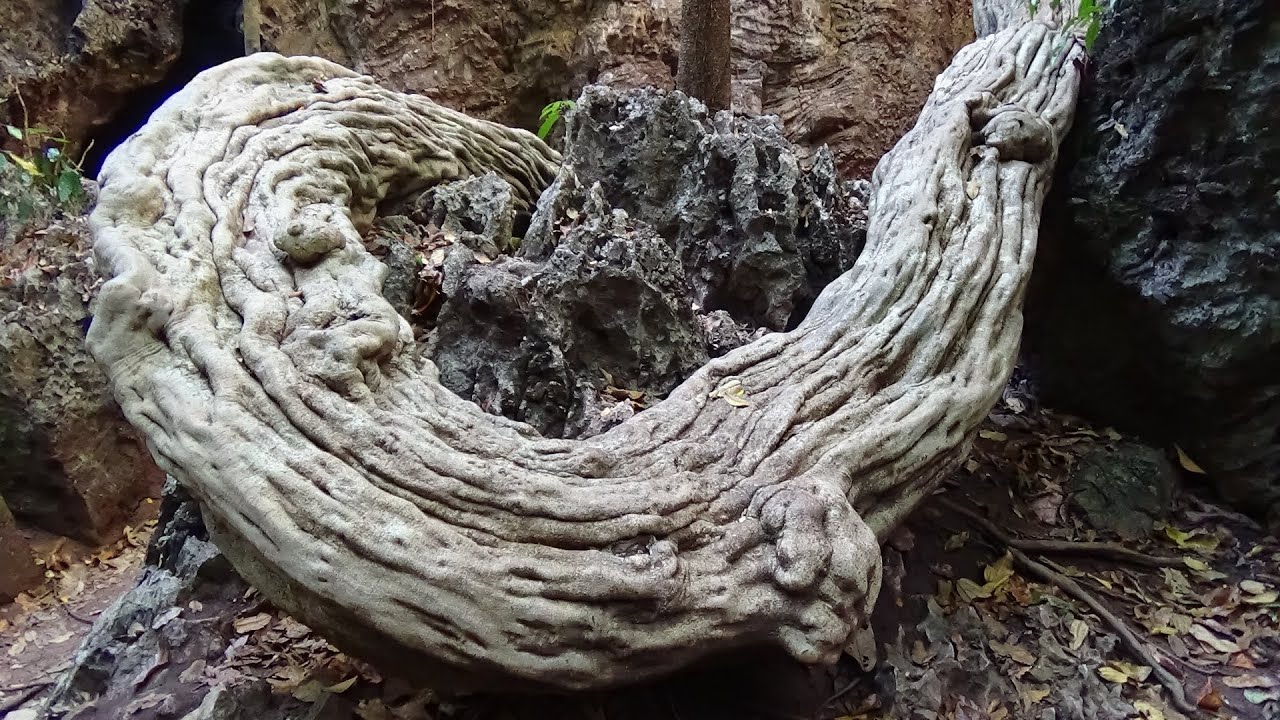
 Click to Access the Navigation Map GPS
Potisat Cave (Kui Lin Muang Loei) Map
Recommend

 Art, Culture and Heritage
 Historical Sites and Monuments(2)
 Landmarks and Memorials(3)
 Art, Craft Centres, Tradition(2)
 Museums(4)
 Art Gallery(1)
 Educational Places
 Educational Gardens, Farm(2)
 Places of Worship
 Temple(16)
 Other Sacred Sites(8)
 Research and Development
 Royal Project(3)
 Suburban Living
 Village, Community(3)
 Local Market(1)
 National Parks and Marine Reserves(5)
 Mountain (Doi)(10)
 Dam, Reservoir, Lake(7)
 Waterfalls(21)
Caves(3)
Waterfalls(21)
Caves(3)
 River, Canal(5)
 Bays and Beaches(1)
 Other natural attractions(1)
 Entertainment and Agricultural
 Farms, Parks and Ecotourism(8)
 Waterpark(1)
 Outdoor and Adventure Activities(2)


