
lovethailand home >Northeastern Travel Attractions >Loei Travel Attractions >Nong Hin >Nong Hin > Tham Maholan
TL;DR: Tham Maholan is located at Ban Nong Hin, Nong Hin Subdistrict, Nong Hin District, Loei Province, open Daily, hours Recommended Visit 08.30 – 16.30.
Tham Maholan
Open Days: Daily
Opening Hours: Recommended Visit 08.30 – 16.30
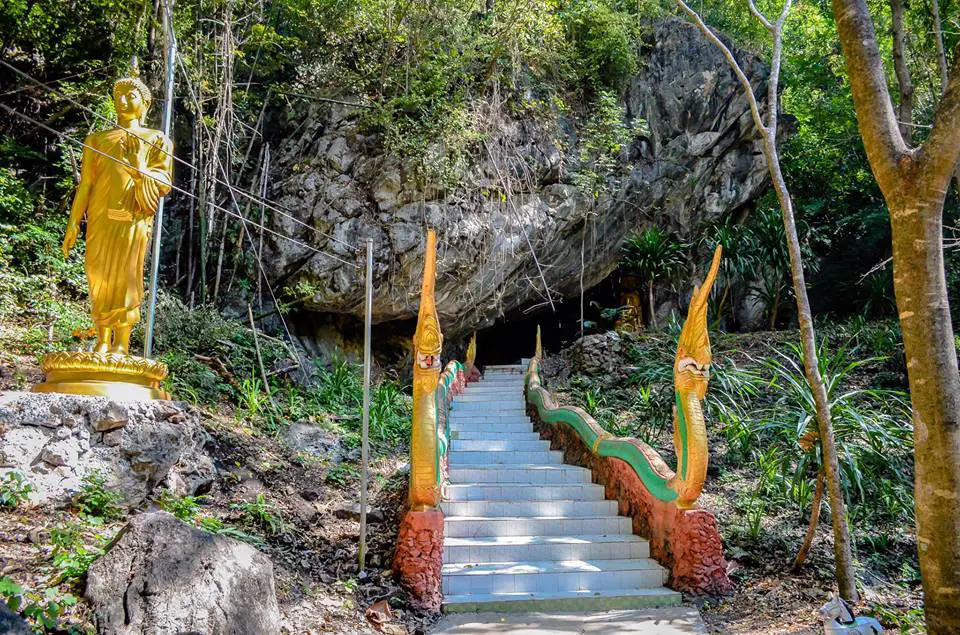
Tham Maholan, located within Wat Tham Maholan in Ban Nong Hin, Nong Hin District, Loei Province, is a large limestone cave with spacious chambers, winding passages, stalactites, stalagmites, a large Buddha image in the subduing Mara posture near the cave entrance, and a replica Buddha footprint inscribed with the year 2495 B.E. The cave is also associated with local stories about Phra Ajahn Mun Bhuridatto, making it a meaningful destination for travelers interested in caves, Buddhist heritage, meditation sites, and the limestone landscapes of Loei.
Tham Maholan is one of the most distinctive cave attractions in Nong Hin District, Loei Province. The cave is located within the grounds of Wat Tham Maholan in Ban Nong Hin, Nong Hin Subdistrict. This part of Loei is known for limestone mountains, caves, cliffs, and unusual rock landscapes, and Tham Maholan represents this natural character particularly well. It combines the beauty of a large limestone cave with the calm atmosphere of a Buddhist temple, creating a travel experience that is both natural and spiritual.
At the cave entrance, visitors are greeted by a large Buddha image in the subduing Mara posture. This image gives the site a sacred atmosphere from the beginning of the visit. Many Thai visitors pay respect here before entering the cave, while foreign travelers can appreciate how the cave functions not only as a natural attraction but also as a local Buddhist place of worship. The setting is peaceful, shaded by trees and limestone formations, and it gives a strong sense of entering a quieter world before stepping into the cave itself.
The cave is large and winding, with an interior route of about 200 meters. The first section is relatively narrow and curving, so visitors need to walk slowly and carefully. After about the first part of the passage, the cave opens into a much larger chamber. This spacious interior is the reason the cave is called “Maholan,” a Thai word that conveys a sense of great size and grandeur. The contrast between the narrow entrance route and the large inner chamber makes the experience memorable.
Inside the cave, visitors can see stalactites and stalagmites in many forms. Some resemble pillars, some appear like stone curtains, and some look like natural sculptures shaped by water and minerals over a very long period of time. These formations are created when mineral-rich water drips through limestone and slowly deposits calcium carbonate on ceilings, walls, and floors. Because this process takes a very long time, the cave formations should be treated as fragile natural heritage.
Tham Maholan also contains smaller chambers and side cavities, giving the cave a layered and complex character. It is not simply one open hall. Visitors move through different spaces, each with its own shape and atmosphere. Some sections feel enclosed and quiet, while others reveal wider stone surfaces and textured limestone walls. This variety makes the cave interesting for travelers who enjoy observing details rather than rushing through a site quickly.
One of the most important religious features inside the cave is the replica Buddha footprint on the cave wall. An inscription states that it was created in 2495 B.E. This feature adds strong cultural and spiritual meaning to the cave. Together with the Buddha images inside, the footprint reflects the way natural caves in Thailand often become places of worship, meditation, and memory. For visitors, it is a reminder that Tham Maholan is both a geological site and a sacred local place.
The cave is also connected with local stories about Phra Ajahn Mun Bhuridatto, one of the most respected forest meditation masters in Thai Buddhism. Local accounts say that he once stayed or practiced meditation in this cave. Whether visitors come for nature or Buddhist heritage, this association gives the cave a deeper sense of stillness and importance. Caves have long been used by forest monks because they are quiet, secluded, and suitable for meditation.
Wat Tham Maholan is also associated with the forest monastery tradition. Local published information mentions that Luang Pu Thong-in Katapunyo stayed here during 1969 – 1993, and that Luang Pu Serm Thitasaro later served as abbot. This gives the temple a wider religious context beyond tourism. It is a place linked to meditation practice, local faith, and the continuity of Buddhist monastic life in rural Loei.
The atmosphere inside the cave is naturally cool and humid. In deeper sections, the air may feel heavy because ventilation is limited. Visitors who feel uncomfortable, short of breath, dizzy, or tight in the chest should stop and return to the outside area immediately. This is especially important for elderly travelers, children, and visitors with respiratory conditions. The cave is best experienced slowly, with attention to both the surroundings and one’s physical condition.
Lighting has been installed along parts of the cave route, making the visit easier than in the past. Even so, carrying a personal flashlight is still recommended. A flashlight helps visitors see uneven floors, narrow passages, rock textures, and formations more clearly. It also makes the visit safer, especially where shadows fall across the walking path or where the rock surface is damp.
Because Tham Maholan is located inside a temple, visitors should dress modestly and behave respectfully. Speaking quietly, avoiding loud joking, and showing respect near Buddha images and the replica Buddha footprint are important. Visitors should not touch stalactites, stalagmites, or cave walls. Oil and dirt from human hands can damage mineral surfaces and interrupt the natural formation process. Writing on cave walls, knocking rocks, or removing any stone from the cave should never be done.
The cave is suitable for several types of travelers. Buddhist visitors can pay respect to the Buddha image and the replica Buddha footprint. Nature lovers can observe limestone formations, cave chambers, and underground rock textures. Travelers interested in Thai forest monk history can reflect on the local stories associated with Phra Ajahn Mun. Families can use the site as a gentle learning experience about caves, geology, and respectful travel, provided children are supervised closely.
For photography, the cave offers several interesting compositions: the Buddha image at the entrance, the winding cave passage, the large inner chamber, stalactites and stalagmites, the replica Buddha footprint, and textured limestone walls. Because cave lighting is dim, photographers should use light carefully and avoid disturbing other visitors. Tripods or camera bags should not block the route, and visitors should not climb rock formations for a better angle.
Tham Maholan is also valuable from a geological perspective. Limestone landscapes form when water gradually dissolves rock, creating caves, channels, underground passages, and later mineral formations. The cave allows visitors to see how water, minerals, humidity, and time create natural architecture. This makes it a good destination for travelers who want to understand the natural foundations of Nong Hin’s famous limestone landscapes.
Getting There is easiest by private car or rental car. From Loei town, take Highway 201 toward Nong Hin District for about 70 km. Once you reach Nong Hin Subdistrict, follow the local route to Wat Tham Maholan in Ban Nong Hin. The main road is part of the Loei – Nong Hin – Phu Kradueng route, so it is generally accessible. Drivers should still be careful at junctions, curves, and village road sections.
Travelers using a navigation app should search for “Wat Tham Maholan Nong Hin Loei” or “Tham Maholan Nong Hin.” Travelers without a private vehicle can take public transport passing through Nong Hin District and then arrange a local vehicle to the temple. It is best to agree in advance on the fare, waiting time, and return pick-up point, as public transport to small temple cave sites is limited.
The recommended visiting period is during daylight, especially between 08.30 and 16.30. While the temple area may be accessible at different times, cave visits are safest during the day. Daylight helps visitors reach the temple safely, check the surroundings, and leave the area before dark. Cave travel should be avoided during heavy rain or late evening because low light and slippery surfaces increase risk.
Tham Maholan can be included in a broader Nong Hin itinerary. A half-day trip can include the cave, temple grounds, and a meal in Nong Hin town. A full-day trip can combine the cave with Suan Hin Pha Ngam, Tham Phothisat Cave, Piang Din Waterfall, Suan Hom Waterfall, Suan Sawan, and Phu Pa Po Viewpoint. This route gives travelers a broad view of Nong Hin’s limestone caves, rock gardens, waterfalls, and mountain scenery.
Suan Hin Pha Ngam, often called the Kunming of Loei, is one of the best nearby attractions to pair with Tham Maholan. Visiting both places helps travelers see two different expressions of limestone geography: a cave formed inside the mountain and an outdoor rock garden shaped by weathering and erosion. This combination makes the Nong Hin route more meaningful for travelers interested in geology and natural landscapes.
Nearby attractions such as Tham Phothisat Cave, Piang Din Waterfall, Suan Hom Waterfall, and Phu Pa Po make the area suitable for travelers who enjoy a mix of caves, waterfalls, viewpoints, and rural communities. Good footwear is important because the route may involve temple grounds, cave floors, rock paths, and wet waterfall areas if several sites are visited in one day.
There are small local restaurants, noodle shops, cafes, resorts, and homestays in Nong Hin District. Travelers planning to stay overnight should contact accommodations in advance, especially during long weekends or local holiday periods. Nong Hin has fewer rooms than major destinations such as Chiang Khan or Mueang Loei, so advance planning helps make the trip smoother.
Useful items to bring include a flashlight or headlamp, modest clothing, drinking water, stable walking shoes, cash for donations or local expenses, and a face mask for visitors sensitive to dust or damp cave air. Large bags are not recommended inside the cave because they may bump into rock surfaces or block narrow passages. Food should not be brought into the cave to avoid litter and disturbance to the cave environment.
Elderly travelers, young children, and visitors with medical conditions should stay in easier sections of the cave. They should avoid narrow, damp, or poorly ventilated parts if they feel uncomfortable. Visitors should always prioritize safety over reaching every section of the cave. The beauty of Tham Maholan can be appreciated even from the easier areas near the entrance and main chamber.
As both a natural cave and a Buddhist site, Tham Maholan should be visited with care. Visitors should keep the area clean, avoid touching cave formations, speak quietly, and follow temple guidance. Natural caves cannot be repaired quickly once damaged. Preserving the site depends on simple but important behavior from every visitor.
Overall, Tham Maholan is a meaningful destination for travelers seeking a quieter side of Loei Province. It offers a large limestone cave, Buddhist images, a replica Buddha footprint from 2495 B.E., local stories connected with Phra Ajahn Mun, and access to a wider route of limestone attractions in Nong Hin District. With good preparation and respectful travel behavior, this cave can become one of the most memorable cultural and natural stops in Loei.
| Name | Tham Maholan / Wat Tham Maholan |
| Location | Ban Nong Hin, Nong Hin Subdistrict, Nong Hin District, Loei Province |
| Address | Nong Hin Subdistrict, Nong Hin District, Loei 42190, Thailand |
| Highlights | Large limestone cave within a Buddhist temple, with a Buddha image at the entrance, spacious inner chamber, stalactites, stalagmites, smaller cave chambers, and a replica Buddha footprint inscribed with the year 2495 B.E. |
| History / Significance | A limestone cave estimated to be more than 250 million years old, with a winding passage of about 200 meters and local stories that Phra Ajahn Mun Bhuridatto once stayed here for meditation practice |
| Distinctive Features | The first section is narrow and winding before opening into a large chamber; the cave contains limestone formations, Buddha images, and partially illuminated walking areas |
| Important Features Inside The Cave | 1. Buddha Image In The Subduing Mara Posture Near The Entrance 2. Large Inner Cave Chamber 3. Stalactites And Stalagmites 4. Smaller Cave Chambers 5. Replica Buddha Footprint On The Cave Wall, Created In 2495 B.E. 6. Buddha Images In Different Cave Sections |
| Travel Information | From Loei town, take Highway 201 toward Nong Hin District for about 70 km, then continue into Ban Nong Hin, Nong Hin Subdistrict, to reach Wat Tham Maholan |
| Current Status | Natural cave attraction and Buddhist temple site in Wat Tham Maholan, Nong Hin District, Loei Province |
| Open Days | Daily |
| Recommended Visiting Time | 08.30 – 16.30, with daytime visits recommended |
| Facilities | Temple grounds, parking area, cave entrance, Buddha image for worship, and lighting inside some sections of the cave |
| Main Areas / Zones | 1. Temple Grounds And Parking Area 2. Cave Entrance Path 3. Buddha Image In Front Of The Cave 4. Narrow And Winding Entrance Passage 5. Large Cave Chamber 6. Stalactite And Stalagmite Zone 7. Buddha Image Chambers 8. Replica Buddha Footprint Area 9. Smaller Cave Chambers And Side Cavities |
| Abbot / Caretaker | Luang Pu Serm Thitasaro, Abbot of Wat Tham Maholan, with the temple serving as the caretaker of the religious site |
| Local Contact Number | Nong Hin Subdistrict Administrative Organization, Tel. 0-4285-2164 |
| Visitor Guidelines | Dress modestly, bring a flashlight, do not touch stalactites or stalagmites, do not write on cave walls, keep quiet, and leave the cave immediately if breathing feels uncomfortable |
| Nearby Tourist Attractions | 1. Wat Pa Phu Hin Kong, about 4 km 2. Suan Hin Hansa, about 5 km 3. Suan Hin Pha Ngam / Kunming Of Loei, about 21 km 4. Tham Phothisat Cave, about 22 km 5. Piang Din Waterfall / Wisutthara Waterfall, about 23 km 6. Suan Hom Waterfall / Santithara Waterfall, about 24 km 7. Phu Pa Po Viewpoint, about 30 km |
| Nearby Restaurants | 1. Dok Koon Restaurant, about 4 km, Tel. 095-663-9237 2. Kuay Tiew Kai Mara Nong Hin, about 4 km, Tel. 061-163-9235 3. Ream Duck Noodle Branch 1, about 4 km, Tel. 042-874-101 4. Tiew Toon Mor Fai INDY Nong Hin Branch, about 5 km, Tel. 095-363-1960 5. Brian Mookata, Takeaway Pork BBQ, about 5 km, Tel. 095-178-9730 6. Juad Loei @ Nong Hin, about 6 km, Tel. 098-639-4286 |
| Nearby Accommodations | 1. Lanjai Resort, about 4 km, Tel. 087-232-4411 2. Baan Suan Resort Nong Hin, about 5 km, Tel. 085-454-1992 3. T&T Resort, about 5 km, Tel. 061-457-3512, 082-100-6504 4. Khoom Loei Ville Resort, about 6 km, Tel. 094-289-7456 5. Suan Sawan Resort Nong Hin, about 8 km, Tel. 089-710-8559 6. Pung Resort, about 9 km, Tel. 081-260-7367 |
Frequently Asked Questions (FAQ)
Q: Where is Tham Maholan located?
A: Tham Maholan is located within Wat Tham Maholan in Ban Nong Hin, Nong Hin Subdistrict, Nong Hin District, Loei Province.
Q: What makes Tham Maholan special?
A: It is a large limestone cave with a spacious chamber, winding passages, stalactites, stalagmites, a Buddha image at the entrance, and a replica Buddha footprint created in 2495 B.E.
Q: How is Tham Maholan connected to Phra Ajahn Mun?
A: Local stories say that Phra Ajahn Mun Bhuridatto once stayed or practiced meditation in this cave, giving the site added significance in the Thai forest monk tradition.
Q: Is Tham Maholan suitable for children and elderly travelers?
A: Easier sections can be suitable, but children and elderly visitors should be supervised closely because some parts of the cave are narrow, uneven, humid, and poorly ventilated.
Q: What should visitors bring to Tham Maholan?
A: Visitors should bring a flashlight, modest clothing, stable walking shoes, drinking water, cash for donations or local expenses, and should walk carefully inside the cave.
Q: Is there an entrance fee for Tham Maholan?
A: No specific entrance fee is listed in the main public sources. Visitors should bring cash for donations or local expenses.
Q: When is the best time to visit Tham Maholan?
A: Daytime is recommended, especially from 08.30 to 16.30, because it is safer for travel and cave walking.
Q: What nearby attractions can be visited with Tham Maholan?
A: Nearby places include Wat Pa Phu Hin Kong, Suan Hin Pha Ngam, Tham Phothisat Cave, Piang Din Waterfall, Suan Hom Waterfall, and Phu Pa Po Viewpoint.
 Category: ●Nature and Wildlife
 Group: ●Caves
Last Update : 1 MonthAgo
 Last Update : 1 MonthAgo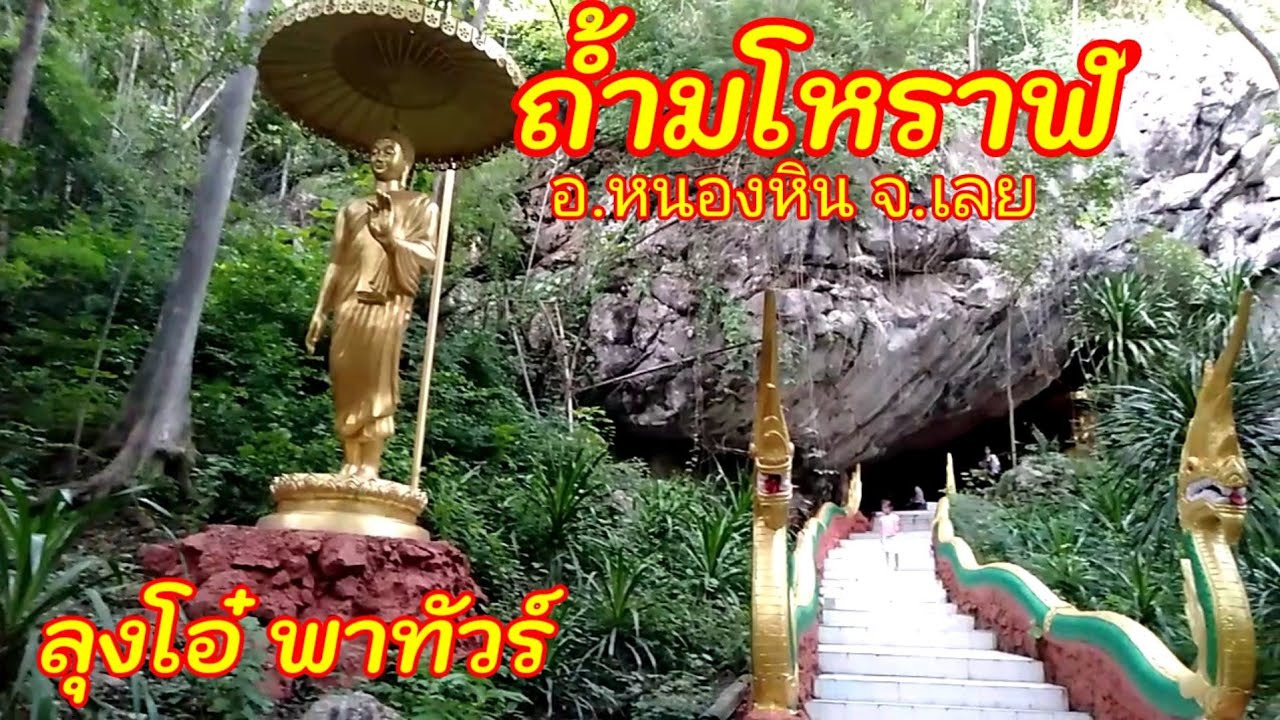
 Click to Access the Navigation Map GPS
Tham Maholan Map
Recommend

 Art, Culture and Heritage
 Historical Sites and Monuments(2)
 Landmarks and Memorials(3)
 Art, Craft Centres, Tradition(2)
 Museums(4)
 Art Gallery(1)
 Educational Places
 Educational Gardens, Farm(2)
 Places of Worship
 Temple(16)
 Other Sacred Sites(8)
 Research and Development
 Royal Project(3)
 Suburban Living
 Village, Community(3)
 Local Market(1)
 National Parks and Marine Reserves(5)
 Mountain (Doi)(10)
 Dam, Reservoir, Lake(7)
 Waterfalls(21)
Caves(3)
Waterfalls(21)
Caves(3)
 River, Canal(5)
 Bays and Beaches(1)
 Other natural attractions(1)
 Entertainment and Agricultural
 Farms, Parks and Ecotourism(8)
 Waterpark(1)
 Outdoor and Adventure Activities(2)


