
lovethailand home >Northeastern Travel Attractions >Chaiyaphum Travel Attractions >Nong Bua Daeng >Nang Daet > Tham Wua Daeng
TL;DR: Tham Wua Daeng is located at Nang Daet area, Nong Bua Daeng District, Chaiyaphum Province, with nearby mountain communities in the surrounding area, open Daily, hours 08.00 – 18.00.
Tham Wua Daeng
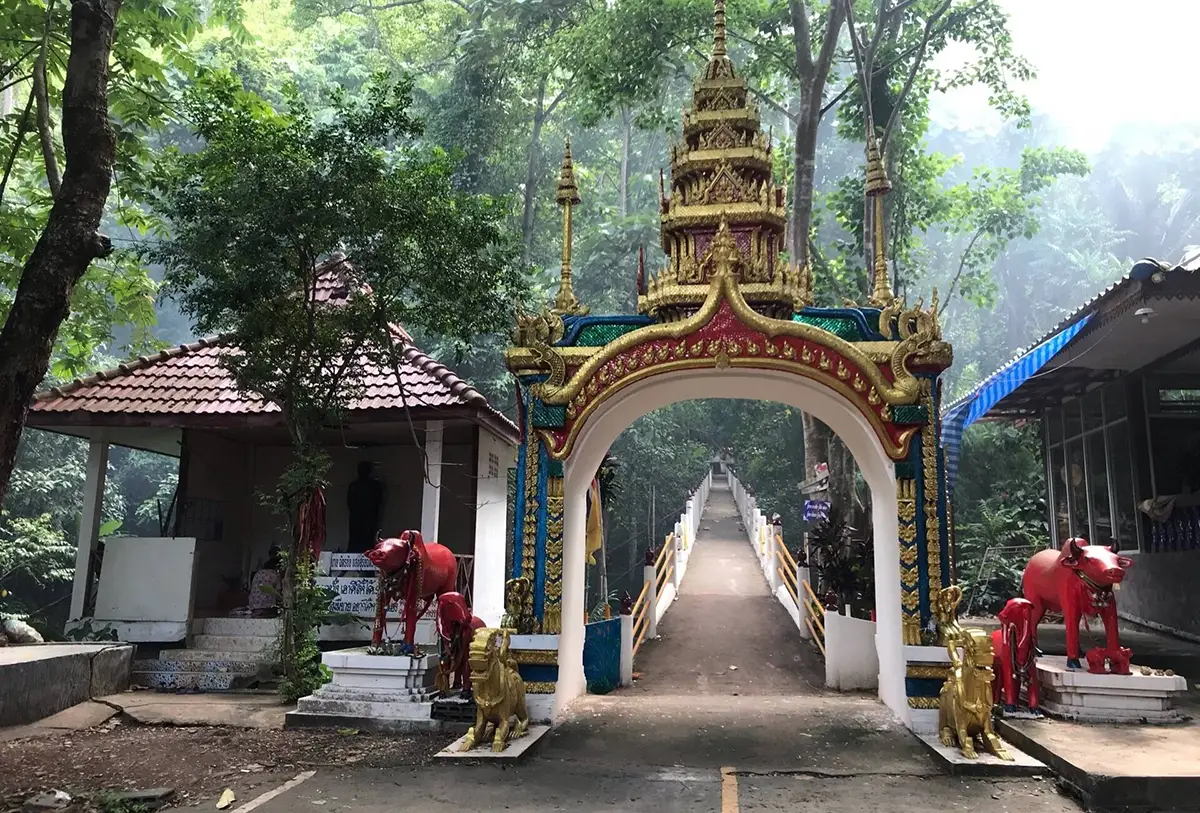
Open Days: Daily
Opening Hours: 08.00 – 18.00
Tham Wua Daeng in Chaiyaphum Province is a forest cave, Buddhist worship site, and conservation-worthy natural attraction in the Nong Bua Daeng area. The site is known for its cave setting, numerous Buddha images, Phu-style forest atmosphere, Tham Yai Chi, Tham Bo Thong, and a monastery area associated with local faith. Reaching the cave requires preparation, private transport, daylight travel, proper walking shoes, drinking water, and enough time for a half-day nature and pilgrimage experience.
Tham Wua Daeng is one of Chaiyaphum’s more adventurous and culturally meaningful cave attractions. Located in the Nang Daet area of Nong Bua Daeng District, the cave is described in local travel information as being about 60 km from the Nong Bua Daeng District Office. This distance makes it a destination that requires planning rather than a casual roadside stop. The site is best suited to travelers who enjoy nature, forest walking, Buddhist cave shrines, and places that still retain a strong sense of local character.
The appeal of Tham Wua Daeng lies in the combination of cave scenery, forest atmosphere, and sacred Buddhist presence. Inside and around the cave area, many Buddha images are enshrined, while the outer area is associated with Tham Wua Daeng Monastery. This gives the site a dual identity: it is both a natural cave system and a place of worship. For Thai visitors, the cave is a destination for merit-making, prayer, and quiet reflection. For foreign travelers, it offers a deeper look at how Buddhism and nature often coexist in rural Thailand.
Unlike famous tourist caves that are heavily developed with lighting systems, ticket counters, wide walkways, and constant visitor services, Tham Wua Daeng remains more rugged and natural. The trip still involves forest walking and a degree of physical effort. This is one of the reasons the cave feels memorable. Travelers do not simply arrive, take a photograph, and leave. They gradually move from rural roads into the forest, then toward the cave and shrine area. The journey itself becomes part of the experience.
The name “Tham Wua Daeng” carries a strong image. “Tham” means cave, while “Wua Daeng” can be understood as red bull or red cattle. In the landscape of northeastern Thailand, where reddish soil and sandstone formations are common, the name creates an immediate visual association with earth, stone, forest, and local legend. Even without a fully documented origin story, the name is distinctive and easy to remember, giving the cave a sense of mystery and strength.
Tham Wua Daeng is also important because it is listed as a conservation-worthy natural site. This status emphasizes that the cave is not just a local attraction but a natural environment that should be protected. Visitors should therefore treat the cave and forest with care. Do not write on cave walls, remove stones, leave trash, disturb wildlife, or enter fragile areas without guidance. Caves and forest ecosystems are slow to recover from damage, so responsible travel is essential.
Within the same area, there are several smaller caves, including Tham Yai Chi and Tham Bo Thong. These nearby caves add depth to the experience because Tham Wua Daeng is not simply a single cave but a group of cave sites connected by terrain, forest, and local memory. Tham Yai Chi evokes the image of religious retreat and meditation, while Tham Bo Thong suggests local stories connected with natural resources and the mountain environment. Together, these caves give the site a richer cultural and geographical identity.
For travelers interested in Buddhism, Tham Wua Daeng is especially meaningful because the cave contains many Buddha images. A cave filled with Buddha images has a very different atmosphere from an ordinary natural cave. It becomes a sacred place where silence, stone, and faith come together. Visitors may pray, meditate, sit quietly, or simply observe how the natural cave has been transformed into a place of devotion. The cool air and enclosed space of the cave help create a feeling of calm and separation from daily life.
The monastery area outside the cave plays an important role in maintaining the spiritual character of the site. It supports religious activities, meditation, and the care of the cave environment. Visitors should dress modestly, speak quietly, avoid disturbing monks, nuns, or meditation practitioners, and respect any areas that are not open to general visitors. This is not only good manners but also an important part of visiting a living religious site in Thailand.
The route to the cave requires preparation. Some visitor accounts mention a steep route and many steps on the way up, while older travel descriptions emphasize forest walking through a less convenient trail. The practical message is clear: Tham Wua Daeng should be approached like a nature and pilgrimage route, not like an easy urban attraction. Wear proper shoes, avoid flip-flops, carry drinking water, and start early enough to return before dark.
The walk toward Tham Wua Daeng can feel demanding, but that is also what gives the destination its emotional value. As visitors move through trees, soil, rock, and shade, the outside world slowly fades. The effort required to reach the cave makes the arrival feel more rewarding. For many travelers, the physical journey becomes a form of respect for the sacred place. The cave is not simply seen; it is reached through patience and intention.
Safety is important. Travelers should not explore unknown passages alone, especially in cave areas with multiple smaller chambers or side routes. A flashlight or headlamp is useful, even during daytime, because some parts of the cave may be dim. Visitors should stay with their group, avoid climbing unstable rocks, and never enter narrow or unsafe sections without someone familiar with the area. During the rainy season, the forest trail may become slippery, and water or mud can make walking more difficult.
The best time to visit is in the morning or early afternoon. This gives enough time to travel, walk, rest, visit the cave, pay respect to the Buddha images, and return safely before evening. The hot season requires more drinking water and sun protection, while the rainy season requires extra caution due to slippery paths. The cool season is generally more comfortable for walking, but good shoes and basic outdoor preparation are still necessary.
Getting to Tham Wua Daeng is easiest by private car. From Chaiyaphum town, travelers can head toward Nong Bua Daeng District, continue to the Nang Daet area, and then proceed toward the mountain and cave route. Public transport is not the most convenient option for this site. Drivers should check the route in advance, make sure the vehicle is ready for rural roads, and avoid arriving late in the day. In remote areas, mobile signal and map accuracy may vary, so asking local residents for directions can be useful.
Getting There from Nong Bua Daeng District requires traveling toward Nang Daet Subdistrict and the mountain area of Tham Wua Daeng. Local travel information places the cave about 60 km from the district office. After reaching the area near the cave, visitors should prepare for a walking section or forest route. This trip is best planned as at least a half-day journey, not a quick stop. Allow time for travel, walking, resting, worship, and returning safely.
Tham Wua Daeng is suitable for nature lovers, hikers, cultural travelers, Buddhist pilgrims, and visitors who enjoy quiet rural destinations. It is not ideal for travelers looking for full tourist facilities or effortless access. Families with small children, elderly travelers, and people with medical conditions should carefully assess the walking conditions before going. The cave can be rewarding, but it requires realistic preparation.
Visitors should dress in a way that is both respectful and practical. Modest clothing is appropriate because the site includes a monastery and Buddha images. At the same time, clothes should allow comfortable movement through forest and rocky areas. Bring drinking water, personal medication, sun protection, a flashlight, and a small bag for carrying trash back out. Do not leave plastic bottles, snack wrappers, or tissues in the forest or cave area.
Tham Wua Daeng also offers an opportunity to understand the role of caves in Thai religious culture. Across Thailand, caves are often used for meditation, retreat, and worship because they are quiet, cool, and separated from the noise of ordinary life. At Tham Wua Daeng, the presence of Buddha images and the monastery area turns the cave landscape into a sacred environment where nature supports spiritual practice.
Tham Yai Chi and Tham Bo Thong make the cave area more interesting for travelers who want to understand the broader landscape. Tham Yai Chi is associated in name with religious retreat and quiet practice. Tham Bo Thong suggests stories of mountain resources and local memory. Visitors should treat these smaller caves with the same care as the main cave and avoid damaging or removing anything from the area.
Photography is possible, but it should be done respectfully. Good subjects include the forest trail, cave entrance, natural rock forms, Buddha images, and the peaceful monastery atmosphere. Avoid photographing monks, nuns, or meditation practitioners at close range without permission. Do not use flash in a way that disturbs worshippers or damages the atmosphere of the cave. The best photographs are those that capture the quiet dignity of the place.
For geology and nature learners, Tham Wua Daeng is a good place to observe how time, water, weather, and stone interact. Cave walls, openings, chambers, and rock textures all reflect long natural processes. Seeing the cave in this way adds another layer to the visit. It is not only a place of faith but also a living natural classroom shaped by geological time.
Tham Wua Daeng can be combined with other Chaiyaphum attractions if travelers have enough time. Nearby or connected regional destinations include Pha Koeng at Wat Chaiyaphum Phithak, Phu Lan Kha National Park, Pha Hua Nak, and Mo Hin Khao. Because Tham Wua Daeng requires time and physical effort, it is better to give the cave its own half-day schedule and visit the larger scenic viewpoints on another part of the trip.
Accommodation and dining options are more practical around Nong Bua Daeng District and nearby communities rather than directly at the cave. Travelers can stay in the district area, prepare supplies, and then drive toward the cave in the morning. This is especially useful for visitors coming from outside Chaiyaphum or for those who want to avoid a long return journey after hiking.
For foreign travelers, Tham Wua Daeng is a valuable destination because it shows a side of Thailand that is quieter and less commercial. It is a place where religion, forest, cave landscapes, and local community life remain closely connected. Visiting respectfully allows travelers to understand that not every important Thai destination is a famous landmark. Some meaningful places are small, remote, and deeply valued by local people.
If visiting during holidays or weekends, allow extra time. Rural roads may take longer than map estimates, and parking or access points may be busier than usual. Arriving early provides better light, cooler weather, and enough time to walk without pressure. It also helps visitors avoid returning from the cave too late in the day.
The most important rule for visiting Tham Wua Daeng is respect. Respect the forest, the cave, the Buddha images, the monastery, meditation practitioners, and the local community. This is not a place to consume quickly as a photo spot. It is a living sacred landscape with environmental and cultural value. Travelers who understand this will find Tham Wua Daeng far more rewarding than a simple sightseeing stop.
Tham Wua Daeng is therefore best for travelers who are willing to walk, prepare, and slow down. It offers nature, faith, silence, effort, and a strong sense of place in one journey. With good preparation and respectful behavior, the cave becomes not only a beautiful natural attraction in Chaiyaphum but also a meaningful memory of pilgrimage, forest travel, and personal endurance.
| Name | Tham Wua Daeng / Tham Wua Daeng Monastery |
| Location | Nang Daet area, Nong Bua Daeng District, Chaiyaphum Province, with nearby mountain communities in the surrounding area |
| Highlights | Forest cave, Buddhist worship site, many Buddha images, Tham Wua Daeng Monastery, Tham Yai Chi, Tham Bo Thong, and a rugged nature trail atmosphere |
| Important Status | Listed as a conservation-worthy natural site under the Thai Cabinet resolution dated 7 Nov. 1989 |
| History / Importance | A natural cave and sacred Buddhist site with many Buddha images inside the cave and a monastery area connected with local worship and meditation practice |
| Name Origin | The name evokes the image of a red-toned cave and mountain landscape in northeastern Thailand, reflecting local identity and natural surroundings |
| Distinctive Features | A quiet forest cave requiring outdoor preparation, suitable for worship, cave exploration, nature walking, and conservation-minded travel |
| Main Areas / Zones | 1. Forest entrance and cave trail 2. Tham Wua Daeng Monastery area 3. Cave entrance and worship area 4. Buddha image area inside the cave 5. Tham Yai Chi 6. Tham Bo Thong 7. Forest walking route and natural viewpoint area |
| Caretaker | Wat Tham Wua Daeng / Tham Wua Daeng Monastery and local community caretakers |
| Main Contact Number | Phra Ajarn Kulap, Tel. 089-578-1848 Mae Chi On, Tel. 095-972-6423 |
| Travel Information | Private car is the most convenient option. Travel from Nong Bua Daeng District toward Nang Daet and the Tham Wua Daeng mountain area, about 60 km from the district office, then prepare for walking or a forest trail section |
| Current Status | A natural cave, Buddhist worship site, and monastery area open for nature-based and faith-based visits |
| Open Days | Daily |
| Opening Hours | 08.00 – 18.00 |
| Facilities | Monastery area, worship area, cave access route, and basic natural-site facilities. Visitors should bring drinking water, a flashlight, and outdoor walking essentials |
| Nearby Tourist Attractions | 1. Tham Yai Chi, about 1 km 2. Tham Bo Thong, about 1 km 3. Wat Tham Wua Daeng / Tham Wua Daeng Monastery, about 1 km 4. Pha Koeng, Wat Chaiyaphum Phithak, about 55 km 5. Phu Lan Kha National Park, about 65 km 6. Mo Hin Khao, about 75 km |
| Nearby Restaurants | 1. Mum Aroi Cafe, about 60 km, Tel. 082-206-3978 2. Party Nom cafe, about 60 km, Tel. 065-842-7419 3. Daddy’s Rabbit Cake and Coffee, about 60 km, Tel. 084-824-6650 4. GOT HOME cafe, about 55 km, Tel. 080-248-1191 5. Tum Zab Nong Bua Daeng Restaurant, about 60 km, Tel. 099-038-7789 |
| Nearby Accommodations | 1. First Inn Resort, about 60 km, Tel. 098-584-7787 2. Rak Khao Resort Nong Bua Daeng, about 60 km, Tel. 095-668-6232 3. Ban Suan Pailna Resort, about 55 km, Tel. 086-099-6520 4. GOT HOME Homestay, about 55 km, Tel. 080-248-1191 5. Lee Resort Farm Stay Nong Bua Daeng, about 60 km, Tel. 093-725-6720 |
Frequently Asked Questions (FAQ)
Q: Where is Tham Wua Daeng located?
A: Tham Wua Daeng is located in the Nang Daet area of Nong Bua Daeng District, Chaiyaphum Province, about 60 km from the Nong Bua Daeng District Office.
Q: What is special about Tham Wua Daeng?
A: The cave is known for its forest setting, Buddhist worship area, many Buddha images, Tham Wua Daeng Monastery, and nearby caves such as Tham Yai Chi and Tham Bo Thong.
Q: Is the journey to Tham Wua Daeng easy?
A: The journey requires preparation. Private transport is recommended, and visitors should be ready for a forest or uphill walking section before reaching the cave area.
Q: What should visitors bring?
A: Visitors should bring proper walking shoes, drinking water, a flashlight, sun protection, personal medicine, and a small bag for carrying trash back out.
Q: Is Tham Wua Daeng suitable for children and elderly travelers?
A: It is suitable only for visitors who can handle natural walking conditions. Families with young children, elderly travelers, or people with medical conditions should assess the route carefully before going.
Q: What are the opening hours?
A: Tham Wua Daeng is open daily from 08.00 to 18.00. Morning or early afternoon is the best time to visit because the route should be completed before dark.
Q: Are Tham Yai Chi and Tham Bo Thong near Tham Wua Daeng?
A: Yes. Tham Yai Chi and Tham Bo Thong are part of the same cave area and add more interest to the forest and cave route.
Q: What other attractions can be combined with Tham Wua Daeng?
A: Travelers can combine the trip with Pha Koeng, Wat Chaiyaphum Phithak, Phu Lan Kha National Park, Pha Hua Nak, or Mo Hin Khao, but Tham Wua Daeng should be given at least half a day.
 Category: ●Nature and Wildlife
 Group: ●Caves
Last Update : 2 MonthAgo
 Last Update : 2 MonthAgo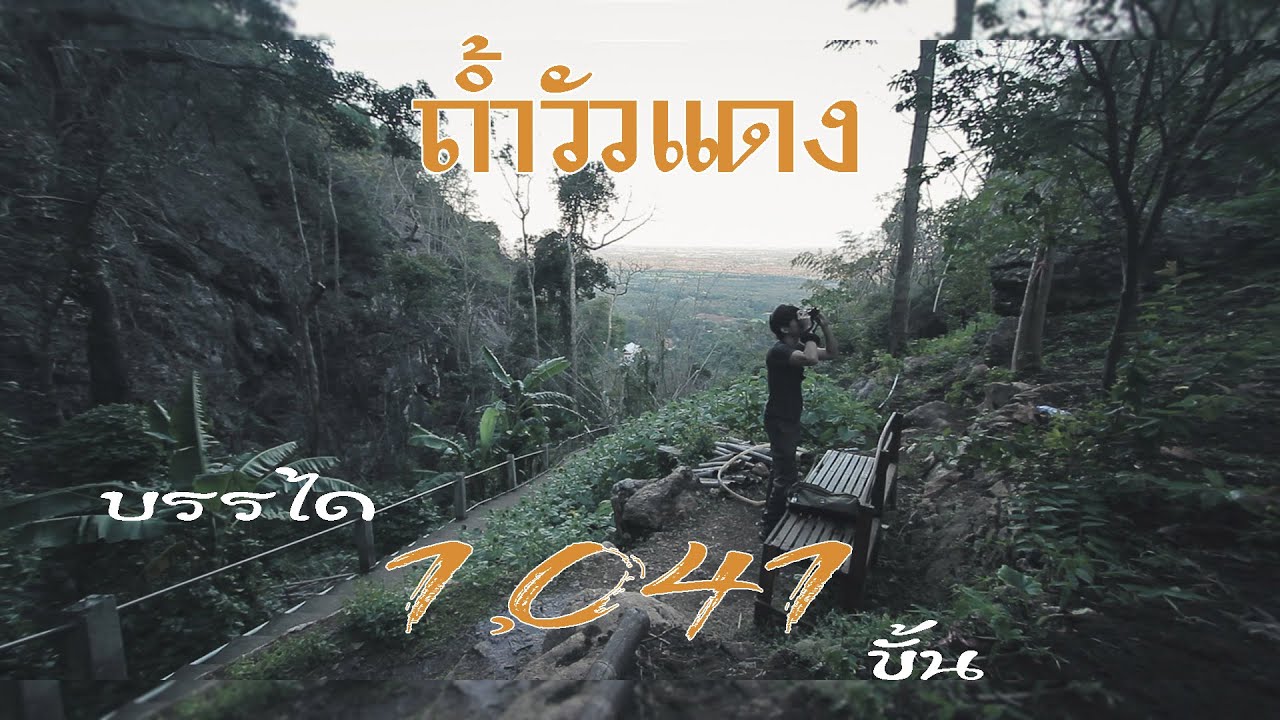
 Click to Access the Navigation Map GPS
Tham Wua Daeng Map
Recommend

 Art, Culture and Heritage
 Historical Sites and Monuments(1)
 Landmarks and Memorials(3)
 Royal Palace(1)
 Art, Craft Centres, Tradition(3)
 Educational Places
 Educational Gardens, Farm(1)
 Places of Worship
 Temple(141)
 Other Sacred Sites(7)
 Suburban Living
 Village, Community(4)
 National Parks and Marine Reserves(7)
 Mountain (Doi)(5)
 Dam, Reservoir, Lake(10)
 Waterfalls(15)
Caves(5)
Waterfalls(15)
Caves(5)
 River, Canal(4)
 Other natural attractions(1)
 Entertainment and Agricultural
 Farms, Parks and Ecotourism(2)


