
lovethailand home >Northeastern Travel Attractions >Chaiyaphum Travel Attractions >Kaset Sombun >Kut Lo > Huai Kum Dam
TL;DR: Huai Kum Dam is located at Ban Pak Huai Kum, Nong Phon Ngam Subdistrict, Kaset Sombun District, Chaiyaphum Province, open Daily, hours Morning and late afternoon are the best times for scenic viewing.

Huai Kum Dam
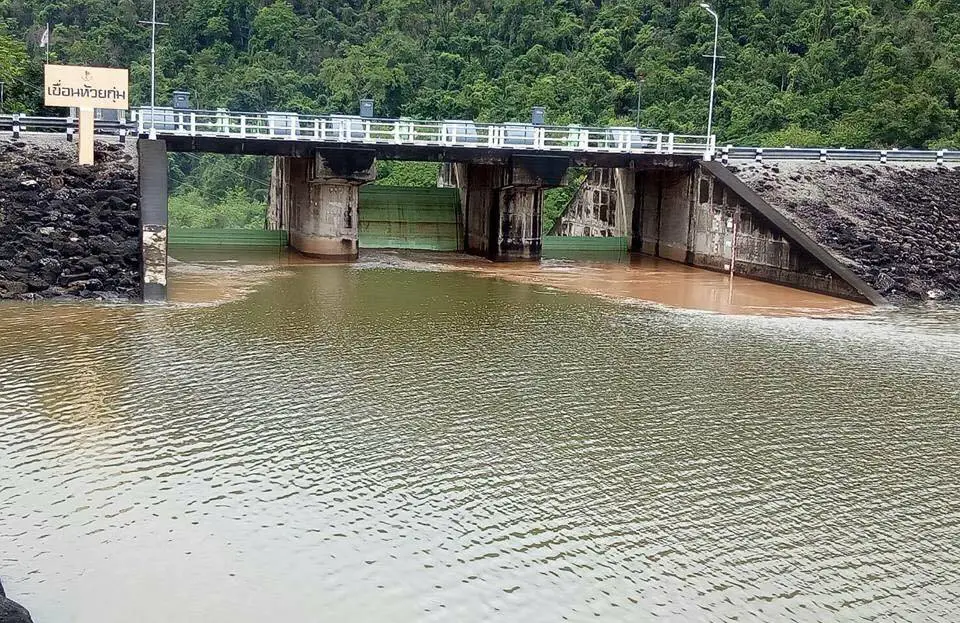
Open Days: Daily
Opening Hours: Morning and late afternoon are the best times for scenic viewing
Huai Kum Dam is an important dam in Kaset Sombun District, Chaiyaphum Province. It is located downstream from Chulabhorn Dam, also known as Nam Phrom Dam, in the Ban Pak Huai Kum area of Nong Phon Ngam Subdistrict and near Kut Lo Subdistrict. The dam was built to receive water from Chulabhorn Dam, store it for agricultural use, support water management in the Nam Phrom basin, and serve as one of Chaiyaphum’s peaceful nature-based attractions. With its reservoir, wooded hills, quiet surroundings, and refreshing views, Huai Kum Dam is suitable for travelers who want to experience a quieter side of Chaiyaphum beyond the province’s better-known landmarks.
Huai Kum Dam has value in several dimensions. It supports irrigation, water storage, hydropower generation, and local tourism. The dam sits in a natural landscape surrounded by hills and green vegetation, giving visitors a broad view of calm water framed by mountains. It is not a crowded commercial attraction, but rather a scenic and functional water infrastructure site where travelers can appreciate both nature and the importance of water management. The atmosphere is relaxed, shaded, and quiet, making it ideal for scenic stops, photography, short nature breaks, and slow travel.
The dam is approximately 32 km from Kaset Sombun District town and about 102 km from Mueang Chaiyaphum District. This makes it suitable for a day trip or as part of a nature route that includes Chulabhorn Dam, nearby forest temples, mountain viewpoints, and other attractions in northern Chaiyaphum. The journey to Huai Kum Dam gradually moves from local communities and agricultural areas into hillier landscapes, giving travelers a clear sense of the province’s geography. Chaiyaphum is often known for flower fields, stone formations, and national parks, but its dams, reservoirs, and river systems are equally important to local life.
Structurally, Huai Kum Dam is a rockfill dam with a clay core. The dam blocks the Nam Phrom stream and is located downstream from Chulabhorn Dam. It is about 35.5 meters high, with a crest length of approximately 282 meters and a crest width of around 8 meters. The volume of the dam body is about 340,000 cubic meters. These details make Huai Kum Dam an interesting site for travelers who want to understand small and medium-scale dam engineering. Although it is not one of Thailand’s largest dams, it has a clear and practical purpose: receiving water, storing it, supporting agriculture, and contributing to hydropower generation.
The Huai Kum Hydropower Plant is associated with the Electricity Generating Authority of Thailand. The plant includes one generating unit with an installed capacity of around 1,060 kilowatts. This gives Huai Kum Dam another layer of importance. Water stored and released through the dam can be used not only for downstream agricultural support but also for producing electricity. For travelers interested in energy, environment, and water infrastructure, the site offers a practical example of how water resources can serve multiple purposes in a regional setting.
For tourism, the beauty of Huai Kum Dam lies in its simplicity. The still surface of the reservoir, the long line of the dam crest, the surrounding hills, and the quiet natural atmosphere create a peaceful setting. Morning visits offer cooler air and soft light over the water. Late afternoon visits provide warmer light, mountain silhouettes, and better conditions for photography. The place is especially appealing to visitors who prefer calm landscapes over crowded attractions.
Huai Kum Dam is not a destination filled with many organized activities. Its main appeal is scenic relaxation. Visitors can stand at safe viewpoints, look across the water, enjoy the breeze, and photograph the reservoir and surrounding hills. The quietness of the site is part of its charm. It suits travelers who enjoy reservoirs, nature views, hydropower sites, rural landscapes, and places that remain closely connected to local infrastructure rather than pure tourism development.
The dam also helps travelers understand the relationship between Chulabhorn Dam and the lower agricultural areas. Water from Chulabhorn Dam flows down through the system, and Huai Kum Dam serves as a downstream storage and management point. This role connects the dam with farming, local livelihoods, and water security. A visit to Huai Kum Dam is therefore not only about scenery; it is also a way to see how water supports agriculture and everyday life in Kaset Sombun and nearby communities.
The area around the dam remains strongly natural. Visitors should use the site carefully and responsibly. Do not enter restricted areas around the hydropower plant or operational zones, do not climb dam structures, and do not leave litter around the reservoir or dam crest. A dam is both a tourist viewpoint and a functioning public infrastructure site, so safety and respect for operational boundaries are essential. Families with children should be especially careful around steep edges, roads, and waterside areas.
The scenery at Huai Kum Dam changes with the seasons. After the rainy season and during the cool season, the reservoir usually looks fuller, the hills appear greener, and the weather is more pleasant. This is one of the best periods for photography and sightseeing. During the hot season, water levels may change, but the open landscape and mountain views still make the dam a good scenic stop. Visitors who want the most attractive light should avoid the harsh midday sun and plan their visit for morning or late afternoon.
For travelers interested in the broader story of water development in Chaiyaphum, Huai Kum Dam should be understood together with Chulabhorn Dam. Chulabhorn Dam is the main dam upstream on the Nam Phrom system, while Huai Kum Dam is located downstream and receives water for further management. Looking at both sites together reveals how water is stored, released, managed, and used across different elevations and landscapes. The area is therefore both a travel route and a living lesson in water resource management.
Huai Kum Dam is suitable for several types of travelers. Scenic travelers will enjoy the reservoir and mountain views. Families can use it as a peaceful stop during a longer route. Photographers can capture water, hills, dam structures, and natural light. Travelers interested in engineering, hydropower, and irrigation can appreciate the dam’s role in the water system. Visitors heading to Chulabhorn Dam or local forest temples can include Huai Kum Dam as a meaningful stop along the way.
From a photography perspective, Huai Kum Dam has simple but strong visual elements. The dam crest forms a clean line across the landscape, while the reservoir creates a calm reflective surface. Mountains and trees add depth to the background. Wide shots can express the peaceful scale of the site, while closer shots of signs, structures, and water surfaces can help tell the story of the dam’s function. Late afternoon is particularly good for warm light and stronger contrast between hills and sky.
A visit to Huai Kum Dam should not be rushed. Spending 45 minutes to 1 hour allows enough time to enjoy the view, take photographs, rest, and understand the atmosphere. If the dam is combined with Chulabhorn Dam, Wat Pa Huai Kum, or other nearby attractions, a half-day to full-day itinerary is more suitable. The roads in this part of Chaiyaphum include rural and hilly sections, so travelers should drive carefully and avoid rushing between stops.
Travelers coming from Chaiyaphum town should allow enough time for the 102 km journey. A private car or rental car is the most convenient way to visit. Before leaving, check the vehicle, fuel level, weather, and route. Some sections pass through communities, farmland, and natural areas. If travelers are unfamiliar with the route, map navigation is recommended, and daytime travel is preferable. Driving after dark is not ideal for first-time visitors because some rural roads may have limited lighting.
Getting There is easiest by private car or rental car. From Mueang Chaiyaphum District, drive toward Kaset Sombun District and continue to Ban Pak Huai Kum in Nong Phon Ngam Subdistrict. From Kaset Sombun District town, the dam is about 32 km away. The route is suitable for a nature-based road trip. Bring drinking water, snacks, sun protection, and a camera. Morning and late afternoon are the best times to visit because the light is softer and the weather is more comfortable than at midday.
Upon arrival, visitors should begin at a safe viewpoint where the dam crest and reservoir can be clearly seen. Take time to enjoy the breeze, look across the water, and photograph the landscape. Follow all warning signs and barriers. Some areas around the dam and hydropower plant are operational zones and should not be entered without permission. Visiting a dam requires more caution than visiting a public park because the site is both a scenic attraction and a working water and power facility.
Important zones around Huai Kum Dam include the dam crest viewpoint, the reservoir area, surrounding hill and forest scenery, the hydropower plant zone, and the connecting route toward Chulabhorn Dam and nearby attractions. Understanding these zones helps visitors plan their time better, choose safe viewpoints, and avoid restricted areas. The best experience comes from observing the site with patience and respect rather than trying to access every part of the dam.
Nearby places that can be combined with Huai Kum Dam include Wat Pa Huai Kum, Chulabhorn Dam, Wat Phra That Nong Sam Muen, Wat Phra Phutthabat Phu Faet, Pha Hua Nak Viewpoint, and Mo Hin Khao. These places allow travelers to experience a wide range of Chaiyaphum landscapes, from dams and water systems to temples, mountains, forests, and scenic viewpoints. A well-planned route can make the trip much richer and more varied.
For family travel, Huai Kum Dam is best treated as a scenic and educational stop rather than a place for active recreation. Children can learn about dams, water storage, hydropower, and the importance of water for agriculture. Parents should supervise children closely near the dam crest, road edges, and any waterside areas. The visit can become a simple outdoor lesson on how natural resources and engineering work together to support communities.
Travelers who plan to stay overnight can choose accommodation in Kaset Sombun, Phu Khiao, Chum Phae, or along the route depending on the overall itinerary. If the main plan is to visit Huai Kum Dam and Chulabhorn Dam, staying in or near Kaset Sombun is convenient. If travelers want to continue toward Khon Kaen or Phetchabun, Phu Khiao, Chum Phae, or Nam Nao may fit better with the route.
Restaurants near Huai Kum Dam are mostly located in Kaset Sombun District and nearby communities rather than directly at the dam. Travelers should plan meals in advance. Options in the wider area include local restaurants, cafés, bakeries, and coffee shops such as Huen Kham Mak, Tiwpha Cafe, Ban Hao Coffee, Fah Cafe, and Warm House Bakery. Checking opening hours before traveling is recommended, especially on weekdays or during low season.
Huai Kum Dam is also a useful destination for travelers interested in clean energy and environmental learning. Hydropower uses the force of moving water to generate electricity. Although Huai Kum Hydropower Plant is small compared with major power plants, it clearly demonstrates how water infrastructure can serve multiple functions at the local level. The site connects water storage, agriculture, electricity, and landscape conservation in one place.
Responsible travel is especially important at Huai Kum Dam. Visitors should not litter, make unnecessary noise, enter restricted areas, or disturb operational zones. The dam was not built only for tourism; it is an important infrastructure site that supports water management, agriculture, and power generation. Respecting the site helps preserve both its function and its natural atmosphere.
Overall, Huai Kum Dam is a destination with several layers of value. It is a downstream dam connected with Chulabhorn Dam, a water storage site for agriculture, a hydropower location, a scenic viewpoint, and a gateway to understanding northern Chaiyaphum’s landscape. Travelers who enjoy quiet, meaningful places will appreciate its calm water, green hills, and connection to real local life.
Huai Kum Dam is best for travelers who want to know Chaiyaphum beyond the province’s mainstream attractions. It combines mountain scenery, reservoir views, dam engineering, agriculture, and hydropower in one peaceful setting. With good planning, safe travel, and the right timing, a visit to Huai Kum Dam can become a calm and memorable nature experience that reveals how important water resources are to Chaiyaphum Province.
| Name | Huai Kum Dam |
| Location | Ban Pak Huai Kum, Nong Phon Ngam Subdistrict, Kaset Sombun District, Chaiyaphum Province |
| Address | Nong Phon Ngam Subdistrict, Kaset Sombun District, Chaiyaphum 36120, Thailand |
| Highlights | A downstream dam of Chulabhorn Dam with scenic reservoir views, wooded hills, peaceful surroundings, and a hydropower function |
| History / Local Role | Built to receive water from Chulabhorn Dam, store water for agriculture, support the Nam Phrom water system, and operate as a hydropower site |
| Dam Type | Rockfill dam with a clay core, approximately 35.5 meters high, with a crest length of about 282 meters, crest width of about 8 meters, and dam body volume of about 340,000 cubic meters |
| Hydropower System | Huai Kum Hydropower Plant has 1 generating unit with an installed capacity of approximately 1,060 kilowatts |
| Distinctive Features | Calm reservoir, mountain scenery, green surroundings, dam crest viewpoint, and a peaceful nature-based travel atmosphere |
| Travel Information | About 32 km from Kaset Sombun District town and about 102 km from Mueang Chaiyaphum District; best reached by private car or rental car |
| Current Status | A working dam for water storage, agriculture, hydropower generation, and nature-based sightseeing in Chaiyaphum Province |
| Open Days | Daily |
| Best Visiting Time | Morning and late afternoon are best for sightseeing, photography, and relaxing by the reservoir |
| Facilities | Dam crest viewpoint, access road, suitable parking areas, and restaurants/cafés in Kaset Sombun District |
| Main Areas / Zones | 1. Dam Crest And Scenic Viewpoint 2. Reservoir And Open Water Area 3. Surrounding Hill And Forest Zone 4. Huai Kum Hydropower Plant Zone 5. Route Connecting To Chulabhorn Dam And Nearby Attractions |
| Caretaker / Local Authority | Electricity Generating Authority of Thailand, Huai Kum Hydropower Plant, and Nong Phon Ngam Subdistrict Administrative Organization |
| Main Contact Number | Huai Kum Hydropower Plant, Tel. 044-861669 Nong Phon Ngam Subdistrict Administrative Organization, Tel. 044-056-538 TAT Nakhon Ratchasima Office, Tel. 044-213030 |
| Official Website / Official Page | www.nongphonngam.go.th, tourismthailand.org, egat.co.th |
| Nearby Tourist Attractions | 1. Wat Pa Huai Kum, about 2 km 2. Chulabhorn Dam, about 40 km 3. Wat Phra That Nong Sam Muen, about 45 km 4. Wat Phra Phutthabat Phu Faet, about 50 km 5. Pha Hua Nak Viewpoint, about 60 km 6. Mo Hin Khao, about 65 km |
| Nearby Restaurants | 1. Huen Kham Mak, about 17 km 2. Tiwpha Cafe @ Sao Ban Tae, about 19 km, Tel. 099-292-9898 3. Ban Hao Coffee, Ban Yang, about 30 km, Tel. 063-512-6032 4. Fah Cafe, Kut Lo Subdistrict, about 30 km, Tel. 097-320-5496 5. Warm House Bakery, about 32 km, Tel. 095-169-7569 |
| Nearby Accommodations | 1. Namfon Resort, Kut Lo Subdistrict, about 8 km, Tel. 085-752-6636 2. Baan Khao Rao Suk Resort, about 25 km, Tel. 089-779-1867 3. KS Resort, about 30 km, Tel. 080-828-5361 4. Zeya & C Resort, about 34 km, Tel. 061-462-4904 5. Ban Pao Garden Home Resort, about 40 km, Tel. 082-882-6535 6. Jamsai Resort, Phu Khiao, about 36 km |
Frequently Asked Questions (FAQ)
Q: Where is Huai Kum Dam located?
A: Huai Kum Dam is located in the Ban Pak Huai Kum area of Nong Phon Ngam Subdistrict, Kaset Sombun District, Chaiyaphum Province, downstream from Chulabhorn Dam and near Kut Lo Subdistrict.
Q: Why was Huai Kum Dam built?
A: It was built to receive water from Chulabhorn Dam, store water for agriculture, support local water management, and contribute to hydropower generation through Huai Kum Hydropower Plant.
Q: What kind of travelers will enjoy Huai Kum Dam?
A: It is suitable for travelers who enjoy quiet nature, reservoir views, scenic photography, dam engineering, hydropower sites, and peaceful road trips in Chaiyaphum.
Q: When is the best time to visit Huai Kum Dam?
A: Morning and late afternoon are the best times because the weather is more comfortable and the natural light is better for viewing and photography.
Q: How far is Huai Kum Dam from Chaiyaphum town?
A: Huai Kum Dam is about 102 km from Mueang Chaiyaphum District and about 32 km from Kaset Sombun District town.
Q: How can travelers get to Huai Kum Dam?
A: The easiest way is by private car or rental car. From Chaiyaphum town, drive toward Kaset Sombun District and continue to Ban Pak Huai Kum in Nong Phon Ngam Subdistrict. Daytime travel and map navigation are recommended.
Q: What nearby attractions can be combined with Huai Kum Dam?
A: Nearby attractions include Wat Pa Huai Kum, Chulabhorn Dam, Wat Phra That Nong Sam Muen, Wat Phra Phutthabat Phu Faet, Pha Hua Nak Viewpoint, and Mo Hin Khao.
Q: What should visitors be careful about at Huai Kum Dam?
A: Visitors should stay in safe viewing areas, avoid restricted hydropower or operational zones, avoid climbing dam structures, keep the area clean, and supervise children closely near the dam crest and reservoir.
 Category: ●Nature and Wildlife
 Group: ●Dam, Reservoir, Lake
Last Update : 2 MonthAgo
 Last Update : 2 MonthAgo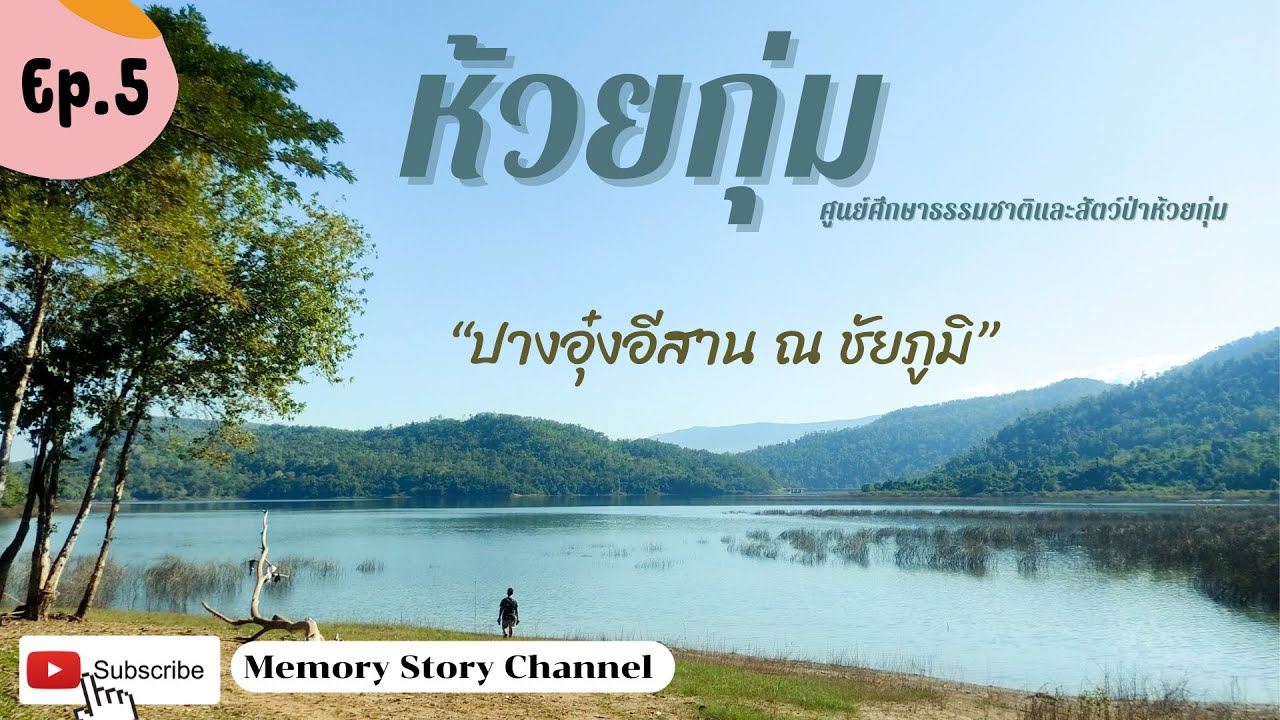
 Click to Access the Navigation Map GPS
Huai Kum Dam Map
Recommend

 Art, Culture and Heritage
 Historical Sites and Monuments(1)
 Landmarks and Memorials(3)
 Royal Palace(1)
 Art, Craft Centres, Tradition(3)
 Educational Places
 Educational Gardens, Farm(1)
 Places of Worship
 Temple(141)
 Other Sacred Sites(7)
 Suburban Living
 Village, Community(4)
 National Parks and Marine Reserves(7)
 Mountain (Doi)(5)
Dam, Reservoir, Lake(10)
Mountain (Doi)(5)
Dam, Reservoir, Lake(10)
 Waterfalls(15)
 Caves(5)
 River, Canal(4)
 Other natural attractions(1)
 Entertainment and Agricultural
 Farms, Parks and Ecotourism(2)


