
lovethailand home >Northeastern Travel Attractions >Chaiyaphum Travel Attractions >Khon San >Huai Yang > Phu Khiao Wildlife Breeding Research Station
TL;DR: Phu Khiao Wildlife Breeding Research Station, Chaiyaphum attractions : Educational Places, Educational Gardens, Farm.

Phu Khiao Wildlife Breeding Research Station
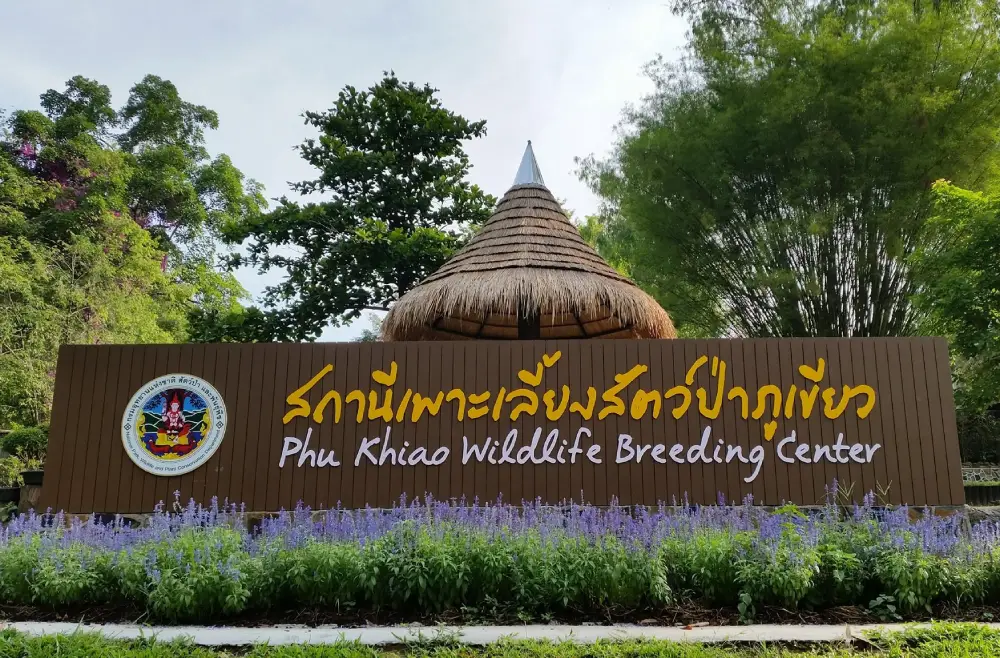
Open Days: Monday – Saturday
Opening Hours: 08.30 – 16.00, Open On Public Holidays, Closed Every Sunday
Phu Khiao Wildlife Breeding Research Station in Chaiyaphum Province, commonly known today as Phu Khiao Wildlife Breeding Station, is one of the most meaningful wildlife learning destinations in northeastern Thailand. It is located in Thung Lui Lai Subdistrict, Khon San District, Chaiyaphum Province, on the Khon San – Chulabhorn Dam route, about 8 km before reaching Chulabhorn Dam on the left-hand side. The station is a conservation-based attraction where visitors can observe several species of Thai wildlife, especially sambar deer, Eld’s deer, hog deer, barking deer, peafowl, Siamese fireback, langurs, and other wild animals under professional care.
This is not a large commercial zoo in the ordinary sense. It is a wildlife breeding and conservation station surrounded by the forested landscape of Phu Khiao and the mountain route leading to Chulabhorn Dam. For foreign travelers who want to understand Chaiyaphum beyond city monuments and waterfalls, the station offers a quiet and educational experience. It introduces the role of wildlife breeding, animal care, public education, and the connection between local communities and protected forest areas.
The station is especially suitable for families, students, nature lovers, photographers, and travelers interested in wildlife conservation. Visitors can see real wild animals in a calm environment and learn why protecting wildlife requires knowledge, patience, safe habitat management, and public cooperation. The visit is enjoyable, but its deeper value lies in helping people understand that wildlife is part of a larger ecosystem that must be protected for future generations.
The history of Phu Khiao Wildlife Breeding Station is connected with a royal conservation vision. In 1983, King Rama IX and Queen Sirikit, the Queen Mother, passed over the Phu Khiao Wildlife Sanctuary area by helicopter and gave a royal initiative to develop the area as an open zoo while also supporting village development and local livelihoods. Following this initiative, the Royal Forest Department established the station near Ban Sam Toei in Thung Lui Lai Subdistrict, Khon San District, Chaiyaphum Province, on an area of about 420 rai.
This historical background gives the station a significance beyond ordinary sightseeing. It represents an integrated approach to conservation: forest, wildlife, people, local livelihoods, education, and tourism are connected rather than separated. The surrounding area of Thung Lui Lai and Khon San is mountainous, green, cool, and rich in natural attractions. Placing a wildlife breeding station here fits naturally with the landscape of Phu Khiao, Chulabhorn Dam, and the wider conservation area of northern Chaiyaphum.
The name Phu Khiao refers to the green mountain landscape associated with this part of Chaiyaphum. The term wildlife breeding station describes its role in caring for, breeding, studying, and presenting wildlife to the public. Together, the name reflects a place where people can learn about wildlife within the natural setting of Chaiyaphum’s green mountain region.
The main attraction for many visitors is the opportunity to see deer and related hoofed animals. Sambar deer, Eld’s deer, hog deer, and barking deer are among the animals that represent the forests of Thailand. These animals are ecologically important because they graze, browse, and help maintain the balance of forest edges and grassland habitats. Seeing them at the station helps visitors understand that wildlife conservation is not abstract. These animals need food, water, shade, space, safety, and careful management.
Eld’s deer is particularly meaningful in conservation education because it is one of the species that has faced serious decline in the wild. When children and travelers see such animals up close, they can better understand why wildlife protection matters. The message is simple but powerful: rare animals can survive only when people stop hunting, stop illegal wildlife trade, protect habitats, and support responsible conservation work.
In addition to deer, visitors may also see peafowl, Siamese fireback, langurs, and other animals under the station’s care. Each species offers a different learning opportunity. Birds show the beauty of forest biodiversity. Langurs introduce visitors to the world of arboreal mammals. Deer and antelope-like animals show the importance of grassland and forest-edge habitats. Together, the animals help explain the richness of Thai wildlife in a way that is easy to understand.
The atmosphere of the station is peaceful and rural. It feels different from an urban zoo because the station is surrounded by mountains, trees, village landscapes, and the road toward Chulabhorn Dam. Visitors can enjoy fresh air, green scenery, and a slower pace of travel. The journey itself is part of the experience, especially for those driving from Khon San toward the dam through the forested highland route.
Because the station is located about 8 km before Chulabhorn Dam, it can be combined easily with a dam visit. Travelers may stop at the wildlife station first, then continue to Chulabhorn Dam to enjoy the reservoir, viewpoints, dam garden, and mountain scenery. Another option is to visit the dam first and stop at the station on the way back. This route is ideal for travelers who prefer a full-day nature itinerary rather than a rushed sightseeing schedule.
The station can be understood through several learning zones. The first area is the entrance and contact point, where visitors can ask for information. The animal viewing areas include zones for hoofed animals such as deer, Eld’s deer, hog deer, and barking deer. Bird areas may include peafowl and Siamese fireback. Other animal areas introduce visitors to additional wildlife species under care. These areas allow visitors to observe animals at a respectful and safe distance.
Another important part of the station is the conservation learning area. Even if the displays are simple, visitors can learn through signs, staff explanation, and direct observation. They can see how animal spaces are arranged, how shade and food are provided, and how wildlife care differs from pet care. This practical learning is valuable because it shows the real work behind conservation rather than only the attractive side of wildlife watching.
For school groups, Phu Khiao Wildlife Breeding Station is an excellent outdoor classroom. Students can learn about wildlife species, animal behavior, conservation agencies, protected areas, habitat management, and proper behavior around wild animals. Seeing animals in person helps students remember more clearly than reading names in textbooks. It also teaches respect: do not disturb animals, do not feed them without permission, do not throw objects, and do not leave litter in natural areas.
For families, the station offers an experience that is both educational and enjoyable. Children can learn animal names, observe movement, compare body shapes, and understand that wild animals are living beings that require care and space. Parents can use the visit to explain kindness, responsibility, and nature conservation. A quiet walk around the station can become a simple but meaningful family learning experience.
Visitors should move slowly and calmly. Do not shout, knock on enclosures, throw food, or try to touch animals. Even when animals appear calm, they remain wild animals with natural instincts. The best way to enjoy the station is to observe patiently, keep an appropriate distance, take photographs respectfully, and follow staff instructions. This protects both visitors and animals.
One of the station’s strongest qualities is its location as a forest-edge wildlife attraction. It is close to Chulabhorn Dam, Thung Kamang, Phu Khiao Wildlife Sanctuary, Chulabhorn Dam Garden, Thung Lui Lai viewpoints, and other natural sites. Travelers can use the station as an introduction to wildlife before continuing to larger landscapes, or as a quieter stop after visiting the dam.
Chulabhorn Dam, also known as Nam Phrom Dam, is the closest major attraction. It features a reservoir, dam crest, viewpoints, landscaped garden, accommodation, and mountain scenery. Combining the wildlife station with the dam gives travelers two perspectives of the same region: living wildlife and highland water landscape. The short distance between them makes the route convenient and worthwhile.
Thung Kamang in Phu Khiao Wildlife Sanctuary is another important place connected with wildlife conservation. It is a grassland habitat within a protected area and is associated with wildlife observation and habitat management. Visiting the breeding station before learning about Thung Kamang helps travelers understand the relationship between captive breeding, habitat conservation, and the long-term recovery of wildlife populations.
For travelers interested in conservation, the station shows both practical and public-education roles. Practically, it cares for wildlife and supports conservation work. Publicly, it makes wildlife knowledge accessible to ordinary visitors who may never enter deep forest areas. This accessibility is important because people protect nature more willingly when they understand it.
Before visiting, travelers should check the current opening days and plan their route. The station opens from Monday to Saturday, 08.30 to 16.00, opens on public holidays, and closes every Sunday. Groups should contact the station in advance to arrange an orderly visit and receive appropriate guidance. Bring drinking water, comfortable shoes, a hat, and a camera, but do not bring food to feed the animals.
The best times to visit are in the morning and late afternoon before closing. The weather is more comfortable, and some animals may be more active than during the hottest part of the day. The cool season and the period after the rainy season are especially pleasant because the mountains and Thung Lui Lai route are green and scenic. During the rainy season, visitors should drive carefully and check road conditions.
Getting There is easiest by private car or rental car. From Khon San District, follow the Khon San – Chulabhorn Dam route toward Thung Lui Lai Subdistrict. The station is located on the left-hand side about 8 km before Chulabhorn Dam. Travelers coming from Chaiyaphum city should allow enough travel time because the station is far from the provincial city center. The road, however, offers beautiful mountain and rural scenery.
Visitors starting from Chaiyaphum city can travel toward Khon San District, then continue on the road to Chulabhorn Dam. A good itinerary is to leave early, visit the wildlife station in the morning or late morning, continue to Chulabhorn Dam in the afternoon, and spend time at viewpoints or the dam garden before returning. This plan makes the trip more balanced and less rushed.
Travelers coming from Khon Kaen or Chum Phae can also reach Khon San and continue toward the station. This makes the site suitable for routes that connect Chaiyaphum with Phu Pha Man, Phu Kradueng, Nam Nao, or other highland destinations in northeastern Thailand. With good planning, Phu Khiao Wildlife Breeding Station can become both a learning stop and a gateway to the wider green mountain region.
Photography is best done with patience and respect. A long lens is useful for photographing animals without getting too close. Good subjects include deer standing in groups, peafowl walking quietly, birds resting in shaded areas, or animals interacting naturally with their surroundings. Avoid flash and do not try to provoke animals for photographs.
For study groups, advance contact is important. Staff may provide knowledge about wildlife when groups contact in advance or when circumstances allow. A well-planned educational visit can focus on hoofed animals, breeding programs, rare species conservation, wildlife rescue, or the role of the station in the Phu Khiao area. This turns the visit from casual sightseeing into a meaningful field lesson.
The station differs from other nearby attractions because it focuses on wildlife under human care, while Chulabhorn Dam offers reservoir and mountain views, Thung Kamang represents protected grassland habitat, and Khon San town offers local food and accommodation. Combining these places creates a complete nature route covering wildlife, forest, water, highland scenery, and local life.
Accommodation near the station includes options around Chulabhorn Dam and Khon San District. Khun Saichol Villa and dam guesthouses are convenient for travelers who want to stay close to the dam and enjoy cool mountain air. Khon San town offers homestays, resorts, and restaurants with more local services. Choosing where to stay depends on whether visitors prefer nature atmosphere or town convenience.
Food options around the route include restaurants in Chulabhorn Dam, eateries in Khun Saichol Villa, local restaurants in Khon San, and cafes along the way. Since Thung Lui Lai is not a dense commercial area, travelers should plan meals in advance, especially when traveling with children or older family members. Having lunch at Chulabhorn Dam or in Khon San town is a practical choice.
Phu Khiao Wildlife Breeding Station supports sustainable tourism because it allows people to learn about wildlife without disturbing deep forest areas. Visitors gain awareness, local businesses receive income, and the public becomes more connected with conservation. When tourism is respectful and well managed, the station can serve education, conservation, and community benefit at the same time.
In summary, Phu Khiao Wildlife Breeding Research Station in Chaiyaphum is an important conservation-based destination for travelers interested in Thai wildlife. Located about 8 km before Chulabhorn Dam, it offers the chance to see deer, Eld’s deer, hog deer, barking deer, peafowl, Siamese fireback, langurs, and other wildlife in a calm natural setting. Its royal initiative background, conservation role, and location near Chulabhorn Dam make it one of the most worthwhile learning stops in Khon San District.
A visit here should be approached with respect. Observe quietly, follow rules, do not feed or disturb animals, and take time to understand the work behind wildlife care. When combined with Chulabhorn Dam, Thung Kamang, and nearby viewpoints, the station helps travelers see Chaiyaphum as a province of forests, wildlife, water, mountains, and living conservation.
| Name | Phu Khiao Wildlife Breeding Research Station / Phu Khiao Wildlife Breeding Station, Chaiyaphum Province |
| Location | Ban Sam Toei, Thung Lui Lai Subdistrict, Khon San District, Chaiyaphum Province, on the Khon San – Chulabhorn Dam route, about 8 km before Chulabhorn Dam on the left-hand side |
| Address | Thung Lui Lai Subdistrict, Khon San District, Chaiyaphum 36180, Thailand |
| Coordinates | 16.4934, 101.7156 |
| Highlights | A wildlife breeding, conservation, and learning station in a forest-edge atmosphere, where visitors can see sambar deer, Eld’s deer, hog deer, barking deer, peafowl, Siamese fireback, langurs, and other wildlife |
| History | Established following a royal initiative after King Rama IX and Queen Sirikit, the Queen Mother, passed over the Phu Khiao Wildlife Sanctuary area in 1983, with the aim of creating an open-zoo-style wildlife conservation and learning area |
| Name Origin | Phu Khiao refers to the green mountain landscape of the area, while the station name reflects its role in wildlife breeding, conservation, and education |
| Distinctive Features | A 420-rai wildlife station with animal viewing areas, conservation learning spaces, and a natural highland atmosphere near Chulabhorn Dam |
| Travel Information | From Khon San District, follow the Khon San – Chulabhorn Dam route toward Thung Lui Lai Subdistrict. The station is on the left about 8 km before Chulabhorn Dam |
| Current Status | Open as a wildlife learning and conservation-based attraction for public visits |
| Open Days | Monday – Saturday; open on public holidays; closed every Sunday |
| Opening Hours | 08.30 – 16.00 |
| Fees | No admission fee |
| Facilities | Animal viewing areas, staff contact point, internal paths, parking area, restrooms, and conservation learning spaces |
| Main Areas / Zones | 1. Entrance And Staff Contact Point 2. Hoofed Animal Zone, Including Sambar Deer, Eld’s Deer, Hog Deer And Barking Deer 3. Wild Bird Zone, Including Peafowl And Siamese Fireback 4. Mammal Zone, Including Langurs 5. Wildlife Breeding And Care Area 6. Conservation Learning Area 7. Internal Nature Viewing Route 8. Rest And Photography Areas |
| Caretaker | Phu Khiao Wildlife Breeding Station, under the Department of National Parks, Wildlife and Plant Conservation / Protected Area Regional Office 7 (Nakhon Ratchasima) |
| Main Contact Number | 098-016-8048 |
| Official Website / Official Page | Phu Khiao Wildlife Breeding Station, Chaiyaphum Province official Facebook page and communication channels of the Department of National Parks, Wildlife and Plant Conservation |
| Nearby Tourist Attractions | 1. Chulabhorn Dam / Nam Phrom Dam, about 8 km 2. Chulabhorn Dam Garden And Dam Viewpoint, about 8 km 3. Thung Lui Lai Watershed Management Unit, about 7 km 4. Thung Lui Lai Viewpoint / Phu Khiao Viewpoint, about 10 km 5. Thung Kamang, Phu Khiao Wildlife Sanctuary, about 30 km 6. Phu Khiao Wildlife Sanctuary, about 30 km 7. Nam Phut Thap Lao Arboretum, about 35 km |
| Nearby Restaurants | 1. Ruean Nam Phrom Restaurant, Chulabhorn Dam, about 8 km 2. Restaurant / Cafe At Khun Saichol Villa, Chulabhorn Dam, about 8 km, Tel. 085-419-4464, 087-951-8308 3. Huen Khum Mak, about 25 km, Tel. 062-516-0522 4. Montra House Bar & Restaurant, about 30 km, Tel. 082-854-1830 5. Local Restaurants In Khon San Town, about 25 km |
| Nearby Accommodations | 1. Khun Saichol Villa, Chulabhorn Dam, about 8 km, Tel. 085-419-4464, 087-951-8308 2. Chulabhorn Dam Guesthouses, about 8 km, Tel. 085-419-4464, 087-951-8308 3. Khon San Homestay, about 25 km, Tel. 087-996-7275 4. Montra House, about 30 km, Tel. 082-854-1830 5. Modern Home Resort Khon San, about 32 km, Tel. 094-984-4255, 085-636-1412 |
Frequently Asked Questions (FAQ)
Q: Where is Phu Khiao Wildlife Breeding Research Station located?
A: It is located in Thung Lui Lai Subdistrict, Khon San District, Chaiyaphum Province, on the Khon San – Chulabhorn Dam route, about 8 km before Chulabhorn Dam on the left-hand side.
Q: What are the opening days and hours?
A: The station opens from Monday to Saturday, 08.30 – 16.00. It opens on public holidays and closes every Sunday.
Q: Is there an admission fee?
A: No. There is no admission fee for visiting the wildlife station.
Q: What animals can visitors see?
A: Visitors can see wildlife such as sambar deer, Eld’s deer, hog deer, barking deer, peafowl, Siamese fireback, langurs, and other animals under the station’s care.
Q: How long should visitors spend at the station?
A: Most visitors should allow about 1 – 2 hours to walk around, observe the animals, read information, and take photographs respectfully.
Q: Is the station suitable for children and families?
A: Yes. It is suitable for children and families because it is an easy-to-understand wildlife learning site. Children should be supervised and taught not to shout, disturb, or feed animals.
Q: What nearby attractions can be combined with the visit?
A: Travelers can combine the station with Chulabhorn Dam, Chulabhorn Dam Garden, Thung Lui Lai Viewpoint, Thung Kamang, and Phu Khiao Wildlife Sanctuary.
Q: What should visitors keep in mind?
A: Visitors should observe animals quietly, avoid knocking on enclosures, never feed or throw objects to animals, keep a safe distance, and follow staff instructions at all times.
Mobile : 0817080170
 Mobile : 0817080170
 Category: ●Educational Places
 Group: ●Educational Gardens, Farm
Last Update : 4 MonthAgo
 Last Update : 4 MonthAgo
 Click to Access the Navigation Map GPS
Phu Khiao Wildlife Breeding Research Station Map
Recommend

 Art, Culture and Heritage
 Historical Sites and Monuments(1)
 Landmarks and Memorials(3)
 Royal Palace(1)
 Art, Craft Centres, Tradition(3)
Educational Gardens, Farm(1)
Art, Craft Centres, Tradition(3)
Educational Gardens, Farm(1)
 Places of Worship
 Temple(141)
 Other Sacred Sites(8)
 Suburban Living
 Village, Community(4)
 Nature and Wildlife
 National Parks and Marine Reserves(7)
 Mountain (Doi)(5)
 Dam, Reservoir, Lake(10)
 Waterfalls(15)
 Caves(5)
 River, Canal(4)
 Other natural attractions(1)
 Entertainment and Agricultural
 Farms, Parks and Ecotourism(2)
 Waterpark(2)
 Travel Articles, Recipes
 Travel Review, Food Review(1)


